Macros for Intermittent Fasting: Complete Guide to Optimize Your Eating Window
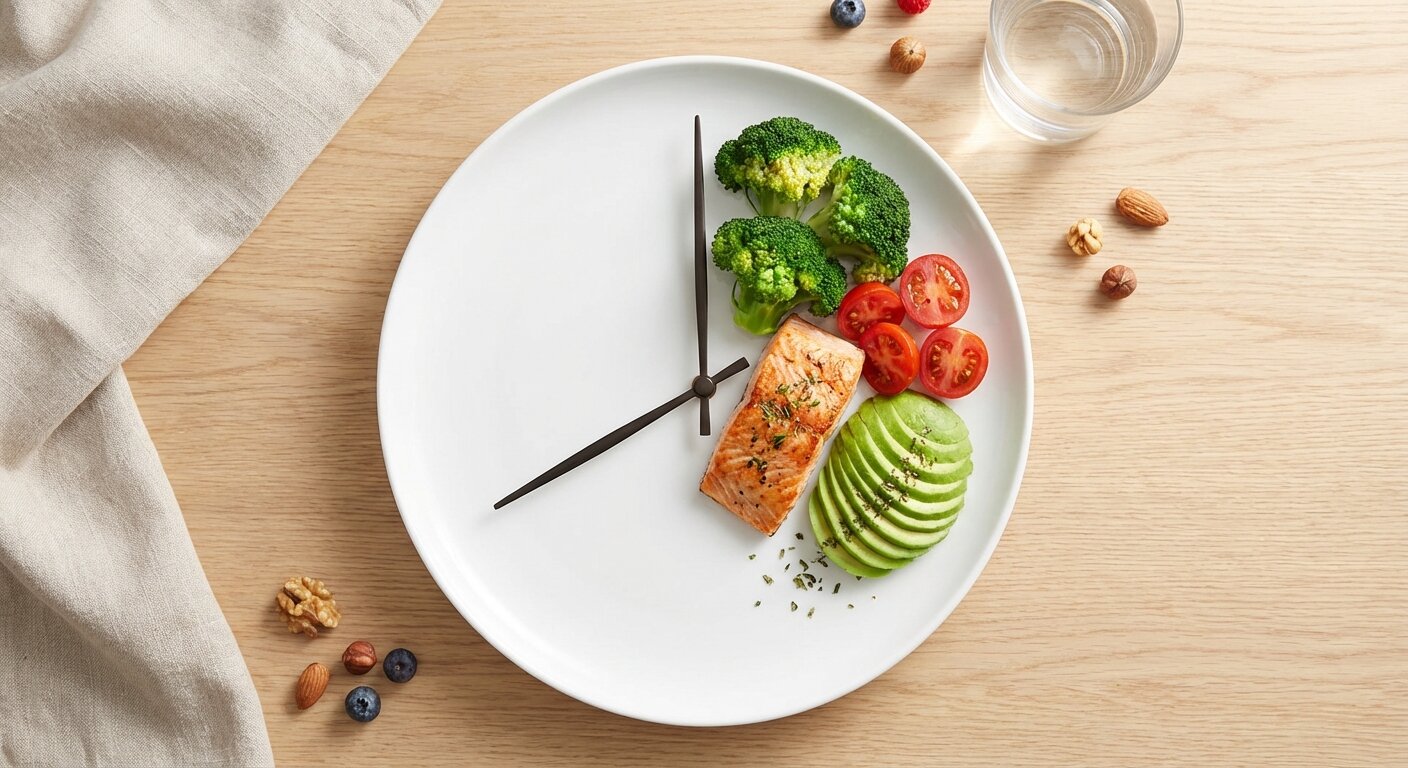
Intermittent fasting (IF) has exploded in popularity, but most people miss the most important piece: your macro ratio matters just as much as your fasting window.
Fasting without the right protein, carb, and fat balance leads to muscle loss, energy crashes, and stalled progress. This guide shows you exactly how to structure your macros for weight loss, muscle gain, or maintenance while practicing any IF protocol.
Ready to optimize your eating window? Use our TDEE Calculator to find your baseline calories, then follow the macro targets below.
What Are Macros and Why Do They Matter for Intermittent Fasting?
Macros (macronutrients) are the three nutrients your body needs in large amounts:
- Protein: Builds and repairs muscle, keeps you full, supports metabolism
- Carbohydrates: Primary energy source for workouts and daily activity
- Fats: Hormone production, nutrient absorption, sustained energy
During intermittent fasting, you compress your eating into a smaller window (typically 4-8 hours). This makes macro distribution critical:
- Not enough protein → lose muscle during fasting periods
- Too many carbs → blood sugar spikes and crashes
- Insufficient fats → hormone disruption and constant hunger
The right macro ratio keeps you full, energized, and progressing toward your goals—whether you’re doing 16:8, OMAD, or alternate-day fasting.
Best Macro Ratios for Intermittent Fasting (By Goal)
For Weight Loss (Fat Loss)
Goal: Lose fat while preserving muscle
| Macro | Percentage | Grams per lb Bodyweight |
|---|---|---|
| Protein | 30-40% | 0.8-1g |
| Fat | 20-30% | 0.3-0.4g |
| Carbs | 30-40% | 1-1.5g |
Example for 160 lb person at 2,000 calories/day:
- Protein: 150-200g (600-800 cal)
- Fat: 44-67g (400-600 cal)
- Carbs: 150-200g (600-800 cal)
Why this works:
- High protein preserves muscle during calorie deficit and fasting
- Moderate fats support hormones and keep you satisfied
- Carbs provide energy for workouts and daily activity
- Creates 15-25% calorie deficit for steady fat loss
For Muscle Gain (Lean Bulk)
Goal: Build muscle while minimizing fat gain
| Macro | Percentage | Grams per lb Bodyweight |
|---|---|---|
| Protein | 25-35% | 0.8-1g |
| Fat | 20-25% | 0.35-0.45g |
| Carbs | 40-50% | 2-2.5g |
Example for 160 lb person at 2,800 calories/day:
- Protein: 175-245g (700-980 cal)
- Fat: 62-78g (560-700 cal)
- Carbs: 280-350g (1,120-1,400 cal)
Why this works:
- Sufficient protein for muscle protein synthesis
- Higher carbs fuel intense workouts and recovery
- Moderate fats maintain hormone production
- 10-20% calorie surplus supports muscle growth
For Maintenance (Body Recomposition)
Goal: Maintain weight, improve body composition
| Macro | Percentage | Grams per lb Bodyweight |
|---|---|---|
| Protein | 30-35% | 0.8-1g |
| Fat | 25-30% | 0.35-0.4g |
| Carbs | 35-45% | 1.5-2g |
Example for 160 lb person at 2,400 calories/day:
- Protein: 180-210g (720-840 cal)
- Fat: 67-80g (600-720 cal)
- Carbs: 210-270g (840-1,080 cal)
Why this works:
- Balanced approach for sustainable eating
- Protein supports muscle maintenance
- Carbs and fats adjusted based on activity level
- Calories at maintenance for stable weight
How to Distribute Macros Across Your Eating Window
The number of meals you eat during your eating window affects nutrient timing and digestion. Here’s how to optimize for different IF protocols:
16:8 (8-Hour Eating Window)
Best approach: 2-3 meals
Sample distribution for 2,400 calories:
- Meal 1 (12pm): 800 cal - 60g protein, 80g carbs, 27g fat
- Meal 2 (4pm): 800 cal - 60g protein, 80g carbs, 27g fat
- Meal 3 (7:30pm): 800 cal - 60g protein, 80g carbs, 27g fat
Why this works:
- Spreads protein across meals for optimal absorption (body can only process ~40-50g protein per meal efficiently)
- Allows for post-workout nutrition timing
- Easier to hit macro targets with multiple meals
- Most sustainable for long-term adherence
20:4 (4-Hour Eating Window / Warrior Diet)
Best approach: 1-2 large meals
Sample distribution for 2,400 calories:
- Meal 1 (5pm): 1,200 cal - 90g protein, 120g carbs, 40g fat
- Meal 2 (8:30pm): 1,200 cal - 90g protein, 120g carbs, 40g fat
Why this works:
- Two meals allow better protein distribution than OMAD
- First meal breaks fast with balanced macros
- Second meal supports overnight recovery
- Still achieves extended fasting benefits
OMAD (One Meal A Day)
Best approach: 1 massive meal
Sample distribution for 2,400 calories:
- Meal 1 (6pm): 2,400 cal - 180g protein, 240g carbs, 80g fat
Why this works:
- All macros consumed in one sitting
- Simplest tracking and meal prep
- Maximum fasting benefits (23 hours daily)
- Caution: Hard to consume enough protein in one meal for optimal muscle protein synthesis
5:2 (5 Days Normal, 2 Days Low Calorie)
Best approach: Normal macro ratios on eating days, minimal calories (500-600) on fasting days
Normal Day (2,400 calories):
- Same as maintenance macros above
Fasting Day (500 calories):
- Protein: 50-60g (200-240 cal) - prioritize this
- Fat: 15-20g (135-180 cal)
- Carbs: 20-30g (80-120 cal)
Why this works:
- Maintains muscle with adequate protein on eating days
- Fasting days create significant calorie deficit
- More flexible than daily restriction
Protein Priority: The Most Important Macro for IF
Protein is non-negotiable during intermittent fasting. Here’s why:
Why Protein Matters During Fasting
- Preserves muscle mass during extended fasts and calorie deficits
- Highest thermic effect (30% of protein calories burned during digestion)
- Most satiating macro (keeps you full during eating window)
- Supports metabolic rate (muscle tissue burns more calories at rest)
How Much Protein Do You Need?
Minimum: 0.8g per pound of bodyweight Optimal: 1g per pound of bodyweight Maximum benefit: 1.2g per pound for muscle gain
Example for 160 lb person:
- Minimum: 128g protein/day
- Optimal: 160g protein/day
- Maximum benefit: 192g protein/day
Best Protein Sources for Breaking Your Fast
Animal proteins (complete amino acid profiles):
- Chicken breast (31g protein per 4 oz)
- Salmon (25g protein per 4 oz)
- Eggs (6g protein per egg)
- Greek yogurt (20g protein per cup)
- Lean beef (26g protein per 4 oz)
Plant proteins (combine for complete profiles):
- Lentils (18g protein per cup)
- Chickpeas (15g protein per cup)
- Tofu (20g protein per cup)
- Quinoa (8g protein per cup)
- Tempeh (31g protein per cup)
Protein distribution tip: Aim for 30-40g protein per meal for optimal muscle protein synthesis. If eating one meal (OMAD), focus on high-quality animal proteins for better absorption.
Carbs vs Fats: How to Adjust Based on Activity Level
The protein target stays consistent, but carbs and fats can flex based on your lifestyle:
High Activity (Training 5-6x/Week)
Macro split: 30% protein, 45% carbs, 25% fat
Why: More carbs fuel intense workouts and replenish glycogen. Prioritize carbs around training.
Best carb sources:
- Sweet potatoes (27g per medium)
- Brown rice (45g per cup)
- Oats (54g per cup)
- Quinoa (39g per cup)
- Fruit (15-30g per serving)
Moderate Activity (Training 3-4x/Week)
Macro split: 30% protein, 40% carbs, 30% fat
Why: Balanced approach. Enough carbs for workouts, enough fats for satiety and hormones.
Best carb sources:
- White rice (45g per cup)
- Whole grain bread (15g per slice)
- Pasta (43g per cup)
- Bananas (27g per medium)
Low Activity (Sedentary or 1-2x/Week Training)
Macro split: 35% protein, 30% carbs, 35% fat
Why: Lower carb needs without intense training. Higher fats increase satiety and support hormones.
Best fat sources:
- Avocado (15g fat per half)
- Olive oil (14g fat per tbsp)
- Nuts (14-20g fat per oz)
- Fatty fish (salmon: 13g fat per 4 oz)
- Nut butters (16g fat per 2 tbsp)
Common IF Protocols and Macro Strategies
16:8 Intermittent Fasting Macros
Eating window: 12pm-8pm (or any 8-hour window)
Meal strategy:
- Meal 1 (12pm): 40% daily calories, balanced macros
- Meal 2 (4pm): 30% daily calories, post-workout if training
- Meal 3 (7:30pm): 30% daily calories, higher carbs for recovery
Macro focus: Distribute protein evenly across meals (30-40g per meal)
OMAD (One Meal a Day) Macros
Eating window: 1 hour (typically dinner)
Meal strategy:
- Single meal (6-7pm): 100% daily calories
Macro focus:
- Start with protein and veggies to stabilize blood sugar
- Include healthy fats for satiety
- Add carbs last (prioritize complex carbs)
- Consider splitting into 2 smaller meals 30 minutes apart for better protein absorption
Challenge: Difficult to consume 150g+ protein in one sitting. Consider:
- Protein shake before or after meal
- Higher protein-per-serving foods (chicken, salmon, eggs)
- Extended eating window (1-2 hours)
Alternate-Day Fasting (ADF) Macros
Eating pattern: Normal eating one day, fasting (or very low calorie) the next
Macro strategy:
- Eating days: Hit 100-120% of maintenance calories with standard macro ratios
- Fasting days: 0-500 calories (if eating, prioritize protein: 50g+)
Weekly example for 2,400 daily maintenance:
- Mon: 2,800 cal (40% protein, 30% carbs, 30% fat)
- Tue: 0-500 cal (protein priority)
- Wed: 2,800 cal (balanced macros)
- Thu: 0-500 cal
- Fri: 2,800 cal
- Sat: 0-500 cal
- Sun: 2,800 cal
Average weekly calories: ~1,400-1,600/day (significant deficit)
5:2 Diet Macros
Eating pattern: 5 normal days, 2 low-calorie days (500-600 cal)
Macro strategy:
- Normal days (5): Maintenance calories with standard ratios
- Fasting days (2): 500-600 calories, mostly protein
Fasting day macro breakdown (500 calories):
- Protein: 50-60g (200-240 cal) - 40-48%
- Fat: 15-20g (135-180 cal) - 27-36%
- Carbs: 20-30g (80-120 cal) - 16-24%
Sample fasting day meal:
- Grilled chicken breast (6 oz): 55g protein, 3g fat, 0g carbs
- Mixed greens with balsamic: 0g protein, 5g fat, 10g carbs
- Apple: 0g protein, 0g fat, 25g carbs
- Total: 55g protein, 8g fat, 35g carbs = 420 calories
Meal Timing and Macro Distribution for Performance
If you train during intermittent fasting, macro timing becomes important:
Training Fasted (Morning Workouts Before Eating Window)
Strategy: Prioritize post-workout nutrition
Post-workout meal (first meal of day):
- Protein: 40-50g for muscle repair
- Carbs: 60-80g to replenish glycogen
- Fat: 15-20g (lower to speed digestion)
Example: Chicken breast (8 oz), white rice (1 cup), broccoli, small amount of olive oil
Training Fed (During Eating Window)
Strategy: Fuel workout with pre-workout meal, recover with post-workout meal
Pre-workout meal (2-3 hours before):
- Protein: 30-40g
- Carbs: 40-60g (easily digestible)
- Fat: 10-15g (minimal to avoid digestive issues)
Example: Greek yogurt (1 cup), banana, honey
Post-workout meal (within 2 hours):
- Protein: 40-50g
- Carbs: 60-80g
- Fat: 15-25g
Example: Salmon (6 oz), sweet potato (large), asparagus, avocado
Macro Tracking Tips for Intermittent Fasting
1. Use a Food Scale
Why: Eyeballing portions leads to 20-40% tracking errors
What to weigh:
- All proteins (chicken, fish, tofu)
- Carb sources (rice, pasta, bread)
- Fats and oils (use measuring spoons)
- Nut butters (most under-measured food)
2. Prep Meals in Advance
Why: Hitting macros in a short eating window requires planning
Meal prep strategy:
- Cook proteins in bulk (chicken, ground beef, salmon)
- Batch cook carbs (rice, quinoa, sweet potatoes)
- Pre-portion meals into containers with macro labels
3. Use Macro-Tracking Apps
Best apps:
- MyFitnessPal: Largest food database
- Cronometer: Most accurate micronutrient tracking
- MacroFactor: AI-powered adjustments based on progress
Pro tip: Save frequent meals as “recipes” for one-tap logging
4. Plan Your Day the Night Before
Why: Prevents “macro Tetris” (scrambling to hit targets at end of eating window)
Strategy:
- Log tomorrow’s meals tonight
- Adjust portions to hit macro targets
- Prep ingredients so you just assemble and eat
5. Leave a 10% Buffer
Why: Macros don’t have to be perfect—within 5-10g per macro is fine
Acceptable variance:
- Protein: ±10g
- Carbs: ±15g
- Fat: ±5g
Example: Target 180g protein → 170-190g is perfectly fine
Sample Meal Plans for Intermittent Fasting Macros
16:8 Weight Loss Plan (2,000 Calories)
Target macros: 150g protein, 60g fat, 175g carbs
Meal 1 (12pm):
- Grilled chicken breast (6 oz): 54g P, 3g F, 0g C
- Brown rice (1 cup): 5g P, 2g F, 45g C
- Broccoli (1 cup): 3g P, 0g F, 6g C
- Olive oil (1 tbsp): 0g P, 14g F, 0g C
- Total: 62g P, 19g F, 51g C (612 calories)
Meal 2 (4pm):
- Protein shake (whey): 25g P, 2g F, 3g C
- Banana: 1g P, 0g F, 27g C
- Almond butter (1 tbsp): 3g P, 9g F, 3g C
- Total: 29g P, 11g F, 33g C (349 calories)
Meal 3 (7:30pm):
- Salmon (6 oz): 40g P, 18g F, 0g C
- Sweet potato (large): 4g P, 0g F, 37g C
- Asparagus (1 cup): 3g P, 0g F, 5g C
- Avocado (1/2): 2g P, 11g F, 6g C
- Total: 49g P, 29g F, 48g C (641 calories)
Daily total: 140g protein, 59g fat, 132g carbs = 1,602 calories
(Adjust portions up to hit 2,000 calories exactly)
OMAD Muscle Gain Plan (2,800 Calories)
Target macros: 200g protein, 80g fat, 280g carbs
Single meal (6pm):
- Ribeye steak (10 oz): 62g P, 40g F, 0g C
- Chicken breast (8 oz): 70g P, 4g F, 0g C
- White rice (2 cups): 8g P, 2g F, 90g C
- Sweet potato (large): 4g P, 0g F, 37g C
- Mixed vegetables (2 cups): 6g P, 0g F, 18g C
- Avocado (whole): 4g P, 22g F, 12g C
- Olive oil (1 tbsp): 0g P, 14g F, 0g C
- Greek yogurt (2 cups): 40g P, 10g F, 18g C
- Berries (1 cup): 1g P, 0g F, 15g C
- Total: 195g P, 92g F, 190g C (2,384 calories)
Protein shake after meal (+30 min later for better absorption):
- Whey protein (2 scoops): 50g P, 4g F, 6g C
- Whole milk (1 cup): 8g P, 8g F, 12g C
- Banana: 1g P, 0g F, 27g C
- Total: 59g P, 12g F, 45g C (516 calories)
Daily total: 254g protein, 104g fat, 235g carbs = 2,900 calories
Supplements to Support IF Macros
While whole foods should be your priority, these supplements help hit macro targets during compressed eating windows:
Protein Supplements
Whey protein:
- Pros: Fast absorption, complete amino acids, convenient
- Cons: Dairy-based (lactose intolerance issues for some)
- When to use: Post-workout, between meals to hit protein targets
Plant protein:
- Pros: Dairy-free, easier digestion for some
- Cons: Incomplete amino acids (need blends), lower leucine
- When to use: Same as whey, especially for vegans
Electrolytes
Why they matter:
- Extended fasting depletes sodium, potassium, magnesium
- Prevents headaches, fatigue, muscle cramps
What to take:
- Sodium: 2,000-3,000mg/day (especially during fasting)
- Potassium: 2,000-3,000mg/day
- Magnesium: 300-400mg/day
When: During fasting window (doesn’t break fast if zero calories)
BCAAs (Branched-Chain Amino Acids)
Purpose: Preserve muscle during fasted training
Dosage: 5-10g before or during fasted workouts
Note: Technically breaks fast (triggers insulin response), but minimal impact
Creatine
Purpose: Improves strength, power, muscle gain
Dosage: 5g/day (timing doesn’t matter)
Note: Doesn’t break fast, can take during fasting window
Troubleshooting: Common IF Macro Mistakes
Mistake #1: Not Eating Enough Protein
Problem: Trying to hit 180g protein in 2-3 meals is hard
Solution:
- Prioritize protein in every meal (40-60g minimum)
- Use protein shakes to supplement
- Choose protein-dense foods (chicken, fish, Greek yogurt)
- Track protein first, then fill in carbs and fats
Mistake #2: Too Many Carbs, Not Enough Fats
Problem: Blood sugar spikes, energy crashes, constant hunger
Solution:
- Add healthy fats to every meal (avocado, nuts, olive oil)
- Pair carbs with protein and fat to slow digestion
- Choose complex carbs (sweet potato, brown rice, oats)
Mistake #3: Breaking Fast with High-Sugar Foods
Problem: Energy crash, hunger rebound, impaired fat burning
Solution:
- Break fast with protein and healthy fats first
- Wait 30-60 minutes before adding significant carbs
- Avoid: fruit juice, pastries, white bread, sugary cereals
Mistake #4: Not Adjusting Macros Based on Progress
Problem: Plateaus after 4-6 weeks
Solution:
- Reassess TDEE every 10-15 lbs lost
- Drop calories by 5-10% if weight loss stalls
- Increase protein as you get leaner (muscle preservation)
Mistake #5: Ignoring Micronutrients
Problem: Compressed eating window makes it hard to get vitamins/minerals
Solution:
- Eat variety of colorful vegetables (2-3 cups/day)
- Include leafy greens in every meal
- Consider multivitamin if consistently missing food groups
When to Adjust Your IF Macros
Your macro needs change as your body composition, activity level, and goals evolve. Reassess every 4-6 weeks:
Signals You Need to Increase Calories
- Losing weight too fast (>2 lbs/week)
- Low energy during workouts
- Constant hunger even after meals
- Muscle loss (strength decreasing)
- Hormonal disruption (missed periods for women)
Adjustment: Add 100-200 calories, prioritize protein and carbs
Signals You Need to Decrease Calories
- Weight loss stalled for 3+ weeks
- Gaining unwanted fat
- Not feeling full during eating window
Adjustment: Drop 100-200 calories, maintain protein, reduce carbs/fats
Signals You Need More Protein
- Losing strength during cut
- Constant hunger
- Recovery taking longer than usual
Adjustment: Increase protein by 20-30g, reduce carbs proportionally
Signals You Need More Carbs
- Crushing fatigue during workouts
- Brain fog, low mental energy
- Training performance declining
Adjustment: Increase carbs by 30-50g, reduce fats proportionally
Advanced Strategies: Macro Cycling During IF
For experienced fasters, cycling macros based on training days optimizes results:
High-Carb Days (Training Days)
Goal: Fuel workouts, maximize recovery
Macro split: 30% protein, 50% carbs, 20% fat
Example for 2,400 calories:
- Protein: 180g (720 cal)
- Carbs: 300g (1,200 cal)
- Fat: 53g (480 cal)
When: Training days (4-5x/week)
Low-Carb Days (Rest Days)
Goal: Maintain calorie deficit, maximize fat burning
Macro split: 40% protein, 25% carbs, 35% fat
Example for 2,000 calories:
- Protein: 200g (800 cal)
- Carbs: 125g (500 cal)
- Fat: 78g (700 cal)
When: Rest days (2-3x/week)
Benefits of Macro Cycling
- Better performance: Carbs available for hard training
- Enhanced fat loss: Lower carbs on rest days increase fat oxidation
- Improved insulin sensitivity: Cycling carbs prevents adaptation
- Easier adherence: More food variety throughout week
Frequently Asked Questions
How do macros work with intermittent fasting?
Macros (protein, carbs, fats) determine your body composition results, while intermittent fasting is just the eating schedule. You still need to hit specific macro targets within your eating window to lose fat, build muscle, or maintain weight. IF compresses your eating time but doesn’t change the fundamental importance of tracking macros.
Most people benefit from 30-40% protein, 20-30% fat, and 30-40% carbs when combining IF with weight loss goals. For muscle gain, increase carbs to 40-50%. The key is eating the same total daily macros whether you eat in 1 meal (OMAD) or 3 meals (16:8).
Should I eat high protein during intermittent fasting?
Absolutely. Protein becomes MORE important during IF, not less. Aim for 0.8-1g per pound of bodyweight (or 30-40% of calories) to preserve muscle during fasting periods.
High protein keeps you fuller during your eating window, supports metabolic rate, and prevents muscle loss during calorie deficits. If you’re eating OMAD, spread protein intake by eating your meal slowly over 1-2 hours, or consider splitting into two meals 30 minutes apart for better absorption.
Can I lose weight with intermittent fasting without tracking macros?
Yes, but you’ll get better results tracking macros. IF creates a calorie deficit naturally (less time to eat = fewer calories consumed), which drives weight loss. However, without tracking macros you risk:
- Muscle loss from inadequate protein
- Energy crashes from poor macro balance
- Plateaus from eating too much during eating windows
- Rebound weight gain from unsustainable restriction
Tracking macros for at least 4-6 weeks teaches you portion sizes and helps build sustainable habits, even if you eventually stop weighing food.
What should I eat first when breaking a fast?
Start with protein and healthy fats to stabilize blood sugar. Avoid breaking your fast with high-sugar or refined carbs (fruit juice, pastries, white bread), which cause energy crashes and impair fat-burning benefits of fasting.
Ideal first foods:
- Eggs with avocado
- Grilled chicken with olive oil and vegetables
- Greek yogurt with nuts
- Salmon with leafy greens
Wait 30-60 minutes after eating protein/fat before adding significant carbohydrates. This maintains stable energy and maximizes the metabolic benefits of your fast.
How many meals should I eat during my IF eating window?
This depends on your fasting protocol and total protein needs:
16:8 (8-hour window): 2-3 meals works best for most people. Allows better protein distribution (30-40g per meal) and easier to hit macro targets.
20:4 (4-hour window): 1-2 large meals. Two meals still allow reasonable protein per sitting (40-50g each).
OMAD (1-hour window): 1 massive meal. Challenging for protein absorption—consider eating slowly over 90-120 minutes or splitting into two courses 30 minutes apart.
The protein rule: Your body can only effectively use ~40-50g protein per meal for muscle protein synthesis. If you need 180g protein daily and eat OMAD, you’re leaving gains on the table.
Do macros matter for 16:8 intermittent fasting?
Yes, macros matter for ALL intermittent fasting protocols including 16:8. The fasting window (16 hours) affects WHEN you eat, but macros determine body composition results.
For 16:8 specifically:
- Weight loss: 30-40% protein, 30-40% carbs, 20-30% fat
- Muscle gain: 25-35% protein, 40-50% carbs, 20-25% fat
- Maintenance: 30% protein, 40% carbs, 30% fat
The 8-hour eating window makes hitting macros easier than shorter windows (OMAD, 20:4) since you can spread protein across 2-3 meals. Track everything to ensure you’re in a calorie deficit for weight loss or surplus for muscle gain.
Should I eat more fats or carbs during intermittent fasting?
This depends on your activity level and goals:
High activity (training 5-6x/week): Prioritize carbs—aim for 40-50% of calories. Carbs fuel intense workouts and replenish glycogen. Fats should be 20-25%.
Low activity (sedentary or training 1-2x/week): Prioritize fats—aim for 30-35% of calories. Fats increase satiety and support hormones when carb needs are lower. Carbs can drop to 25-30%.
Moderate activity (training 3-4x/week): Balanced approach—40% carbs, 30% fat.
Universal rule: Protein stays high (30-40%) regardless. Adjust carbs up on training days, adjust fats up on rest days for best results.
Can you build muscle with intermittent fasting?
Yes, but it requires careful macro planning. To build muscle with IF you need:
- Sufficient protein: 0.8-1g per pound bodyweight (minimum 160g for 160lb person)
- Calorie surplus: 10-20% above maintenance (add 200-400 calories)
- Adequate carbs: 40-50% of calories to fuel training and recovery
- Progressive overload: Consistent strength training 3-5x/week
The challenge: Eating enough protein and calories in a compressed eating window. Solutions:
- Use 16:8 instead of OMAD (easier to eat more)
- Drink protein shakes between meals
- Choose calorie-dense foods (nuts, nut butters, oils, fatty fish)
- Consider eating carbs around workout for best performance
Studies show muscle gain is possible with IF, but it’s harder than traditional eating patterns. If muscle gain is your primary goal, a longer eating window (10-12 hours) may work better.
Conclusion: Start Optimizing Your IF Macros Today
Intermittent fasting works, but macros determine your results.
The right macro ratio:
- Prevents muscle loss during fasting periods
- Maximizes fat loss while maintaining energy
- Supports workout performance and recovery
- Keeps you full during eating windows
Next steps:
- Calculate your TDEE with our TDEE Calculator
- Choose your macro ratio based on your goal (weight loss, muscle gain, maintenance)
- Plan meals in advance to hit targets within eating window
- Track everything for 4-6 weeks
- Adjust macros based on progress
Most important: Prioritize protein (0.8-1g per lb bodyweight) and track consistently. Everything else—carb vs fat ratio, meal timing, supplements—is secondary.
Ready to dial in your macros? Check out our complete guides:
- Macro Calculator - Calculate exact targets
- Macros for Weight Loss - Detailed cutting guide
- Macros for Muscle Gain - Bulking strategies
- High Protein Macros - Protein-focused meal plans
Start tracking your macros today and transform your intermittent fasting results.
Related Articles
Travel Macros: How to Track Nutrition While Traveling
Complete guide to managing macros while traveling. Learn meal planning strategies,...
Read guide →
Macros for Shift Workers: Complete Guide to Nutrition on Rotating Schedules
Master macro tracking on night shifts and rotating schedules. Learn meal timing, sleep...
Read guide →
Macros During Ramadan: Complete Nutrition Guide for Fasting
Learn how to track macros during Ramadan fasting. Expert guide covering meal timing,...
Read guide →Disclaimer: This content is for informational purposes only. Consult a healthcare provider before making changes to your diet.