Macros During Ramadan: Complete Nutrition Guide for Fasting
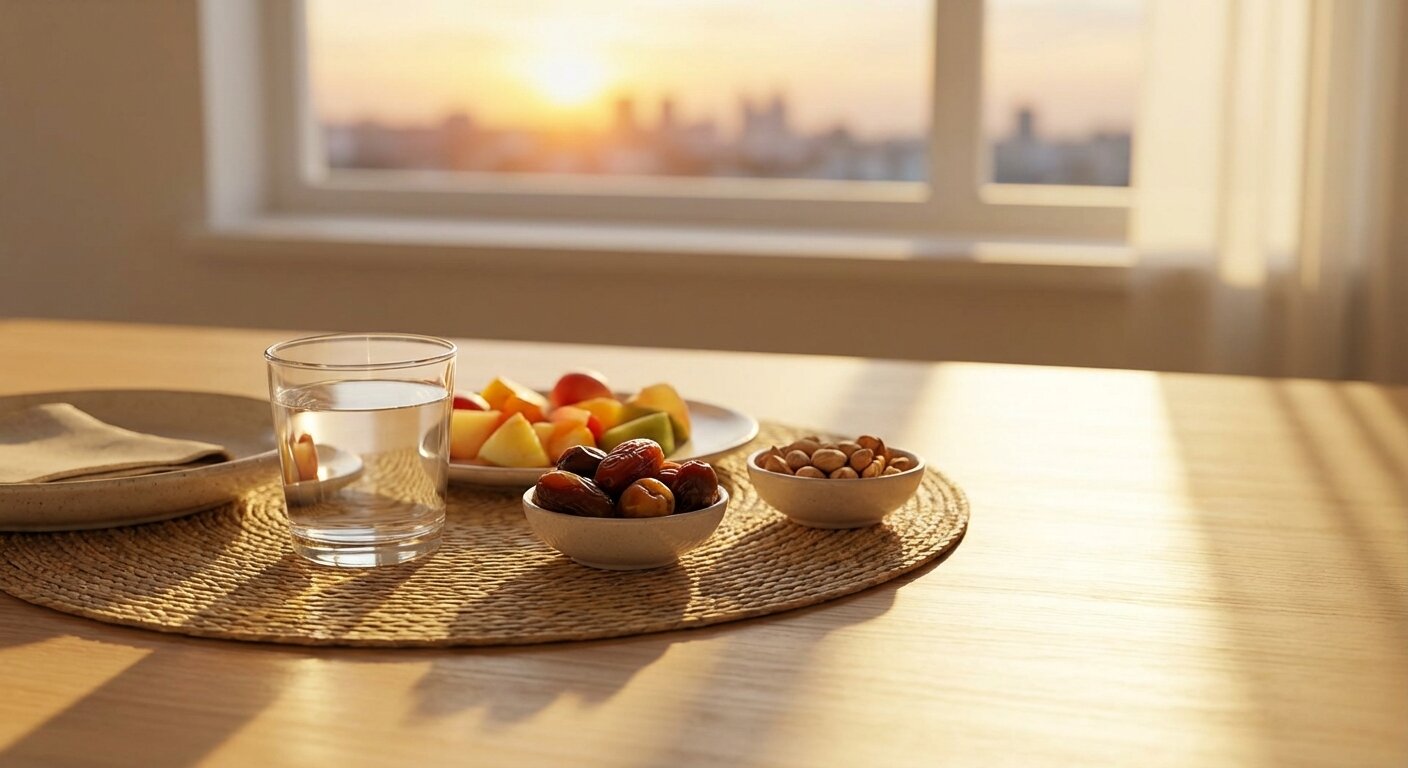
Ramadan fasting presents unique nutritional challenges: maintaining muscle mass, energy levels, and performance while abstaining from food and water from dawn to sunset. Many Muslims worry about losing gains, experiencing energy crashes, or struggling to hit their macro targets during the compressed eating window.
The reality? With strategic macro planning, you can maintain—and even build—muscle during Ramadan while honoring your fast. The key is understanding how to distribute your macros across iftar, evening meals, and suhoor to maximize muscle protein synthesis, sustain energy, and prevent muscle breakdown.
This guide breaks down exactly how to track macros during Ramadan, what to eat for iftar and suhoor, optimal meal timing, and strategies to prevent muscle loss while fasting. First, calculate your personalized macro targets:
👉 Use our free macro calculator to determine your exact protein, carb, and fat needs based on your goals, weight, and activity level.
Understanding Macros and Ramadan Fasting
Ramadan fasting creates a unique metabolic environment: 14-16 hours without food or water, followed by an 8-10 hour eating window. Your body shifts between fed and fasted states more dramatically than typical intermittent fasting protocols.
Key metabolic changes during Ramadan:
- Hours 0-4 (after suhoor): Fed state, normal energy metabolism
- Hours 4-12: Glycogen depletion begins, increased fat oxidation
- Hours 12-16: Deeper fasting state, potential muscle protein breakdown if protein intake was insufficient at suhoor
- Post-iftar: Nutrient absorption, muscle protein synthesis, glycogen replenishment
The challenge: fitting adequate macros into a compressed window while avoiding digestive distress, energy crashes, and muscle loss.
Critical macro considerations during Ramadan:
- Protein: Highest priority—prevents muscle loss and increases satiety
- Carbohydrates: Support energy, training performance, and glycogen restoration
- Fats: Essential for hormones, vitamin absorption, and sustained energy
- Hydration: 3-4 liters during eating window to prevent dehydration
- Micronutrients: Crucial for health, often neglected during Ramadan
The eating window is short, but with strategic planning, you can absolutely hit your macro targets and maintain your physique.
Daily Macro Targets During Ramadan
Your macro targets during Ramadan should align with your goals—whether maintaining muscle, building mass, or losing fat—but the distribution strategy differs from normal eating patterns.
Maintenance Macros (Preserve Muscle, Maintain Weight)
Goal: Prevent muscle loss while maintaining current body composition
- Protein: 0.8-1g per lb bodyweight (minimum to prevent catabolism)
- Carbohydrates: 1.5-2g per lb bodyweight (sustain energy and glycogen)
- Fats: 0.3-0.5g per lb bodyweight (hormonal health)
- Total calories: Maintenance (TDEE)
Example for 180 lb person:
- Protein: 144-180g (576-720 calories)
- Carbs: 270-360g (1,080-1,440 calories)
- Fats: 54-90g (486-810 calories)
- Total: ~2,150-2,970 calories
Distribution strategy: 30% iftar, 40% evening meal, 30% suhoor
Bulking Macros (Build Muscle)
Goal: Build muscle while minimizing fat gain during Ramadan
- Protein: 1-1.2g per lb bodyweight (support muscle protein synthesis)
- Carbohydrates: 2-3g per lb bodyweight (fuel training and recovery)
- Fats: 0.4-0.6g per lb bodyweight
- Total calories: 10-20% surplus above TDEE
Example for 180 lb person:
- Protein: 180-216g (720-864 calories)
- Carbs: 360-540g (1,440-2,160 calories)
- Fats: 72-108g (648-972 calories)
- Total: ~2,800-4,000 calories
Reality check: Bulking during Ramadan is challenging. The compressed eating window makes hitting high calorie targets difficult. Most people do better with a lean bulk (+10% surplus) or maintenance.
Distribution strategy: 25% iftar, 50% evening meal (post-training), 25% suhoor
Cutting Macros (Fat Loss)
Goal: Lose fat while preserving muscle during Ramadan
- Protein: 1-1.2g per lb bodyweight (crucial for muscle preservation in deficit)
- Carbohydrates: 0.8-1.5g per lb bodyweight (lower for faster fat loss)
- Fats: 0.3-0.4g per lb bodyweight (minimum for hormones)
- Total calories: 15-25% deficit below TDEE
Example for 180 lb person:
- Protein: 180-216g (720-864 calories)
- Carbs: 144-270g (576-1,080 calories)
- Fats: 54-72g (486-648 calories)
- Total: ~1,780-2,590 calories
Caution: Aggressive cuts during Ramadan increase muscle loss risk. Aim for the lower end of the deficit (15%) and prioritize protein.
Distribution strategy: 35% iftar, 35% evening meal, 30% suhoor (higher protein at all meals)
Adjusting for Activity Level
Your macro targets must account for training and daily activity:
Sedentary/Light Activity:
- Lower carb end of ranges
- Prioritize protein and fats
- Total calories toward lower end
Moderate Activity (3-4 training days/week):
- Mid-range carbs
- Balanced macro distribution
- Maintenance calories or slight surplus
High Activity (5-6 training days/week):
- Higher carb end of ranges
- Post-training carb focus
- Consider carb cycling (higher on training days)
Pro tip: Most people overestimate activity level. If you’re sitting most of the day and training 3-4 hours per week, you’re “moderate” at best.
Iftar Macros: Breaking Your Fast
Iftar is the most critical meal of Ramadan—it ends 14-16 hours of fasting and sets the tone for your eating window. The traditional approach (large, carb-heavy feast) often leads to energy crashes, digestive distress, and poor macro distribution.
Strategic iftar approach:
Phase 1: Immediate Breaking (5-10 minutes)
Traditional + optimal:
- 3-5 dates (quick-digesting carbs, 15-25g)
- 500-750ml water (begin rehydration)
- Optional: 1 cup of soup (hydration + electrolytes)
Why this works: Dates provide rapid glucose to stabilize blood sugar after fasting, while water kickstarts rehydration. The pause before the main meal allows your digestive system to “wake up.”
Macros: ~75-100 calories, 20-25g carbs, minimal protein/fat
Phase 2: Main Iftar Meal (20-30 minutes after breaking)
Ideal iftar macros:
- Protein: 40-50g (chicken breast, fish, lean beef, eggs)
- Carbohydrates: 60-80g (rice, quinoa, sweet potato, whole grain bread)
- Fats: 15-25g (olive oil, nuts, avocado)
- Vegetables: 2-3 cups (fiber, micronutrients, volume)
- Total: 600-800 calories
Sample iftar meals:
Option 1: Mediterranean
- 6 oz grilled chicken breast (40g protein)
- 1 cup quinoa (40g carbs, 8g protein)
- Large Greek salad with olive oil (vegetables + 15g fat)
- Total: ~650 calories, 48g protein, 65g carbs, 18g fat
Option 2: Traditional Middle Eastern
- 6 oz grilled lamb (35g protein, 12g fat)
- 1 cup basmati rice (45g carbs)
- Hummus (2 tbsp, 5g protein, 8g fat)
- Roasted vegetables
- Total: ~680 calories, 40g protein, 60g carbs, 20g fat
Option 3: South Asian
- 6 oz tandoori chicken (40g protein)
- 1 cup brown rice (45g carbs)
- Lentil dal (1 cup, 12g protein, 40g carbs)
- Cucumber raita (probiotics)
- Total: ~720 calories, 52g protein, 85g carbs, 10g fat
What to Avoid at Iftar
❌ Common mistakes:
- Massive portions: Overeating at iftar causes bloating, sluggishness, and poor nutrient absorption
- Fried foods first: Heavy, greasy foods on an empty stomach = digestive distress
- Excessive sugar: Beyond dates, added sugars cause insulin spikes and crashes
- Chugging water: Sip water throughout eating window (not 2L at iftar)
- Skipping protein: Starting with only carbs/fats increases hunger later
✅ Optimization strategies:
- Eat slowly: Take 20-30 minutes for iftar meal
- Chew thoroughly: Aids digestion after fasting
- Moderate portions: Save 60-70% of daily macros for post-iftar meals
- Prioritize protein: Muscle protein synthesis begins at iftar
- Stay upright: Don’t lie down for 1-2 hours post-iftar (prevents reflux)
The goal at iftar: stabilize blood sugar, begin protein intake, hydrate moderately, and prepare your body for additional meals.
Post-Iftar Evening Meals
Most of your daily macros should come from meals eaten 2-4 hours after iftar. This is when your digestive system is fully active, hunger is genuine (not reactive), and you can eat larger portions comfortably.
Meal 2: Post-Training or Main Evening Meal (2-3 hours after iftar)
This is your largest meal of the day, especially if you train before iftar.
Target macros:
- Protein: 40-60g (largest protein dose of the day)
- Carbohydrates: 80-120g (if training, go higher)
- Fats: 20-30g
- Total: 800-1,200 calories
Sample meals:
Post-Training (Muscle Building Focus):
- 8 oz salmon (50g protein, 20g fat)
- 1.5 cups white rice (70g carbs)
- 1 medium sweet potato (25g carbs)
- Steamed broccoli
- Total: ~950 calories, 50g protein, 95g carbs, 25g fat
High-Protein Strength Focus:
- 8 oz lean ground beef (48g protein, 18g fat)
- 2 cups pasta (80g carbs, 14g protein)
- Marinara sauce
- Side salad with olive oil
- Total: ~1,100 calories, 62g protein, 90g carbs, 28g fat
Moderate Approach (Maintenance):
- 6 oz chicken thighs (35g protein, 15g fat)
- 1 cup jasmine rice (45g carbs)
- Mixed vegetables stir-fry with 1 tbsp oil
- Total: ~650 calories, 35g protein, 60g carbs, 20g fat
Meal 3: Late Evening Snack (Optional, 1-2 hours before suhoor)
If you’re struggling to hit macro targets, add a smaller meal 1-2 hours before suhoor.
Target macros:
- Protein: 20-30g
- Carbohydrates: 30-50g
- Fats: 10-15g
- Total: 300-500 calories
Quick options:
- Greek yogurt (1.5 cups) + berries + granola (25g protein, 40g carbs)
- Protein shake + banana + peanut butter (30g protein, 45g carbs, 12g fat)
- Turkey sandwich on whole grain + apple (28g protein, 55g carbs)
When to skip this meal:
- Already hit macro targets
- Feeling overly full
- Close to suhoor time (less than 1 hour)
The evening meals are your opportunity to hit 50-60% of daily macros, especially protein. Don’t rush these meals—eat deliberately and track intake.
Suhoor Macros: Pre-Fasting Meal
Suhoor (the pre-dawn meal) is equally critical as iftar. This meal must sustain you through 14-16 hours of fasting, prevent muscle breakdown, and maintain energy levels.
The biggest suhoor mistake: Eating too early. Many people eat suhoor 2-3 hours before fajr (dawn prayer), then fast for 17-18 hours instead of 14-16 hours. Eat as close to fajr as possible.
Ideal Suhoor Macros
Target macros:
- Protein: 30-40g (slow-digesting preferred)
- Carbohydrates: 50-70g (complex carbs for sustained energy)
- Fats: 15-25g (slows digestion, increases satiety)
- Fiber: 10-15g (satiety and digestive health)
- Total: 500-700 calories
Macro ratio for suhoor: 30% protein, 40% carbs, 30% fat (higher fat than other meals for satiety)
Best Suhoor Foods by Macro
Protein (slow-digesting):
- Eggs (any style): 6g protein per egg
- Greek yogurt: 15-20g protein per cup
- Cottage cheese: 14g protein per 1/2 cup
- Turkey/chicken breast: 25g protein per 3 oz
- Protein shake (casein preferred): 25-30g per scoop
Complex Carbs (sustained energy):
- Oatmeal: 27g carbs per cup cooked
- Whole grain bread: 15g carbs per slice
- Sweet potato: 27g carbs per medium
- Brown rice: 45g carbs per cup
- Whole grain cereal: 25-30g carbs per serving
Healthy Fats (satiety):
- Peanut/almond butter: 8g fat per tbsp
- Avocado: 15g fat per half
- Nuts (almonds, walnuts): 14g fat per oz
- Chia seeds: 9g fat per 2 tbsp
- Olive oil: 14g fat per tbsp
Fiber-Rich Options:
- Berries: 8g fiber per cup
- Chia seeds: 10g fiber per 2 tbsp
- Vegetables: 3-5g fiber per cup
- Beans/lentils: 15g fiber per cup
- Whole grains: 4-6g fiber per serving
Sample Suhoor Meals
High-Protein Suhoor:
- 3-egg omelet with vegetables (18g protein, 3g carbs)
- 2 slices whole grain toast with peanut butter (8g protein, 30g carbs, 16g fat)
- Greek yogurt (15g protein, 12g carbs)
- Total: ~600 calories, 41g protein, 45g carbs, 22g fat
Balanced Suhoor:
- 1 cup oatmeal with chia seeds (10g protein, 35g carbs, 12g fat)
- 2 tbsp almond butter mixed in (7g protein, 6g carbs, 18g fat)
- 2 hard-boiled eggs (12g protein, 10g fat)
- Banana (27g carbs)
- Total: ~650 calories, 29g protein, 68g carbs, 40g fat
Traditional Suhoor (Optimized):
- 3 scrambled eggs (18g protein, 15g fat)
- 1 cup cooked foul (fava beans) with olive oil (12g protein, 30g carbs, 8g fat)
- 1 whole grain pita (5g protein, 30g carbs)
- Labneh (strained yogurt, 5g protein, 5g fat)
- Total: ~680 calories, 40g protein, 60g carbs, 28g fat
Quick Suhoor (15 minutes):
- Protein shake with banana and peanut butter (35g protein, 45g carbs, 12g fat)
- 2 whole grain waffles (6g protein, 30g carbs)
- Total: ~550 calories, 41g protein, 75g carbs, 14g fat
Foods to Avoid at Suhoor
❌ Avoid these at suhoor:
- Salty foods: Increase thirst during fasting (chips, processed meats, pickles)
- Sugary cereals/pastries: Rapid blood sugar spike and crash (increases hunger)
- Excessive caffeine: Diuretic effect (increases dehydration)
- Spicy foods: Can cause reflux/heartburn during fasting
- Large amounts of simple carbs alone: Without protein/fat, you’ll be hungry faster
✅ Optimization strategies:
- Eat slowly: Take 20-30 minutes for suhoor
- Drink water gradually: 500-750ml at suhoor (not excessive)
- Include electrolytes: Pinch of salt, coconut water, or electrolyte powder
- Finish strong: Last bite should be protein-rich (Greek yogurt, eggs)
- Stay upright: Don’t sleep immediately after eating (wait 30-60 min)
Suhoor is your metabolic foundation for the fasting day. Prioritize protein, choose slow-digesting carbs, add healthy fats, and hydrate strategically.
Hydration Strategy During Ramadan
Dehydration is the biggest performance killer during Ramadan. You’re not just fasting from food—you’re abstaining from water for 14-16 hours. Strategic hydration during eating windows is crucial.
Daily Hydration Targets
Minimum: 3 liters (12 cups) during eating window Optimal: 4 liters (16 cups) for active individuals High activity/hot climate: 5+ liters
Distribution strategy:
- Iftar: 500-750ml (slow sipping)
- Post-iftar (2 hours): 1-1.5L (gradual intake)
- Evening (2 hours before suhoor): 1-1.5L
- Suhoor: 500-750ml (don’t overdo it)
Avoid: Chugging 2L right before fajr—this causes frequent urination without proper absorption.
Electrolyte Balance
Fasting depletes electrolytes, especially sodium, potassium, and magnesium. This causes:
- Headaches
- Fatigue
- Muscle cramps
- Dizziness
- Poor workout performance
Electrolyte strategy:
Sodium: 3,000-5,000mg daily
- Pinch of sea salt in water (500-1,000mg per pinch)
- Broth/soup at iftar (1,000mg)
- Moderate salt on meals
Potassium: 3,000-4,000mg daily
- Dates (300mg per 3-4 dates)
- Banana (400mg per medium)
- Spinach/leafy greens (500-800mg per cup)
- Coconut water (600mg per cup)
Magnesium: 300-400mg daily
- Nuts/seeds (80mg per oz almonds)
- Dark leafy greens
- Magnesium supplement at suhoor (200-300mg)
DIY electrolyte drink:
- 1L water
- Pinch of sea salt (500mg sodium)
- Juice of 1 lemon (potassium + vitamin C)
- 1 tsp honey (trace minerals)
Sip this throughout the evening between meals.
Signs of Dehydration
Monitor these daily:
- Urine color (should be light yellow, not dark)
- Headaches (especially in afternoon during fast)
- Dizziness upon standing
- Extreme fatigue
- Dry mouth/lips even after iftar
If experiencing these: Increase water intake by 1L, add electrolytes, reduce training intensity.
Training and Workout Macros During Ramadan
Training during Ramadan requires strategic timing, modified intensity, and careful macro planning around workouts.
Best Training Times
Option 1: Pre-Iftar Training (60-90 minutes before sunset) ⭐ RECOMMENDED
Pros:
- Break fast immediately post-workout (optimal nutrient timing)
- Fasted cardio benefits (fat oxidation)
- Post-workout meal = iftar (natural refeed)
- Mental toughness building
Cons:
- Training on empty stomach (14+ hours fasted)
- Dehydration risk
- Lower performance/strength
Macro strategy: Large post-workout meal at iftar (50-60g protein, 80-100g carbs immediately)
Option 2: Post-Iftar Training (2-3 hours after breaking fast)
Pros:
- Fed state (better strength/performance)
- Hydrated
- Full energy from iftar meal
- Lower injury risk
Cons:
- Digestive discomfort if iftar was too large
- Late training (10-11 PM for many)
- Disrupts sleep if training too close to bedtime
Macro strategy: Moderate iftar (30-40g protein, 50-60g carbs), large post-training meal (50-60g protein, 80-100g carbs)
Option 3: Very Late Night (3-4 hours after iftar, 2+ hours before suhoor)
Pros:
- Fully digested meals
- Optimal performance
- Can refuel immediately after
Cons:
- Very late (midnight training)
- Sleep disruption
- Limited time before suhoor
Macro strategy: Distribute macros across iftar, pre-workout meal, and post-workout meal evenly
Training Modifications
Strength Training:
- Reduce volume by 20-30% (fewer sets)
- Maintain intensity (same weight)
- Longer rest periods (2-3 min vs 1-2 min)
- Focus on compound lifts (squats, deadlifts, bench)
- Limit training to 45-60 minutes
Cardio:
- Low-intensity steady state if fasted (walks, cycling)
- HIIT only if training post-iftar
- Limit to 20-30 minutes
- Monitor heart rate (stay in zones 2-3 if fasted)
Deload week: Consider deloading during Week 2 or 3 of Ramadan when fatigue peaks.
Pre-Workout Macros (If Training Post-Iftar)
Eat 2-3 hours before training:
- Protein: 20-30g (easily digestible)
- Carbohydrates: 40-60g (quick energy)
- Fats: Low (10g max to avoid digestive issues)
Example: 4 oz chicken breast, 1 cup white rice, vegetables
Post-Workout Macros
Immediately after (within 30 minutes):
- Protein: 40-50g (whey shake or whole food)
- Carbohydrates: 60-100g (fast-digesting for glycogen replenishment)
Example: Protein shake with banana and honey, followed by a full meal 60-90 minutes later
If training right before iftar: Your post-workout meal IS iftar—make it count with high protein and carbs.
Preventing Muscle Loss During Ramadan
Muscle loss during Ramadan is a real concern, but it’s entirely preventable with proper protein intake and training.
Why Muscle Loss Happens
Primary causes:
- Insufficient protein: Failing to hit 0.8-1g per lb bodyweight
- Severe calorie deficit: Eating too little during eating window
- Poor protein distribution: All protein at iftar, none at suhoor
- Lack of training stimulus: Skipping workouts entirely
- Inadequate sleep: Poor recovery
The body can absolutely preserve (and build) muscle during Ramadan if you provide the right signals and nutrients.
Protein Distribution for Muscle Preservation
Optimal protein distribution across eating window:
- Iftar: 40-50g protein (kickstart muscle protein synthesis)
- Evening meal: 40-60g protein (largest dose post-training)
- Suhoor: 30-40g protein (slow-digesting to prevent catabolism)
Total daily: 110-150g+ depending on bodyweight
Why distribution matters: Muscle protein synthesis peaks ~3-4 hours after protein intake, then declines. Spacing protein across 3 meals maximizes muscle building signals throughout the eating window.
Worst approach: 120g protein at iftar, 20g at suhoor = poor muscle protein synthesis, digestive distress, and muscle loss.
Leucine Threshold
Each meal should contain 2.5-3g leucine to trigger muscle protein synthesis.
Leucine-rich protein sources:
- Whey protein: 2.5g leucine per 25g protein
- Chicken breast: 2.5g leucine per 30g protein
- Beef: 2.5g leucine per 30g protein
- Eggs: 1.2g leucine per 2 eggs (need 5+ eggs)
- Greek yogurt: 2g leucine per cup
Practical application: Every meal should include at least 30g protein from high-quality sources.
Essential Amino Acids (EAAs)
If you’re struggling to hit protein targets, EAA supplements can help:
- 10g EAAs ≈ 40g whole protein for muscle protein synthesis
- Consume between meals during eating window
- Doesn’t break the fast (technically), but save for eating window to be safe
Training Stimulus
Muscle loss requires two conditions: insufficient protein AND lack of training stimulus.
Minimum effective training during Ramadan:
- 3x per week full body OR
- 4x per week upper/lower split
- Focus on compound lifts (signals body to keep muscle)
- Maintain intensity (even if volume drops)
Skipping training entirely = your body has no reason to maintain muscle mass. Keep training, even if shorter/less frequent.
Common Mistakes and How to Fix Them
Mistake 1: Overeating at Iftar
Problem: Reactive eating after 14+ hours fasting leads to consuming 1,500+ calories at iftar, causing bloating, sluggishness, and poor macro distribution.
Solution:
- Start with dates and water
- Wait 10-15 minutes
- Eat moderate portion (600-800 calories)
- Save 60% of daily macros for later meals
Mistake 2: Skipping Suhoor
Problem: “I’m not hungry at 4 AM” leads to skipping suhoor, resulting in muscle loss, low energy, and extreme hunger at iftar.
Solution:
- Set multiple alarms
- Prep suhoor night before (overnight oats, hard-boiled eggs)
- Liquid calories if solid food is difficult (protein shake)
- Minimum 30g protein, 50g carbs
Mistake 3: All Carbs, No Protein
Problem: Traditional iftar foods (dates, samosas, rice, bread) are carb-heavy with minimal protein, leading to muscle loss.
Solution:
- Prioritize protein at every meal
- Track protein intake daily (use macro calculator)
- Aim for 0.8-1g per lb bodyweight minimum
- Include protein source at iftar, evening meal, and suhoor
Mistake 4: Ignoring Hydration
Problem: Only drinking water at iftar and suhoor (1-2L total) leads to dehydration, headaches, and poor performance.
Solution:
- Sip water throughout eating window (3-4L total)
- Add electrolytes (sodium, potassium, magnesium)
- Monitor urine color (should be light yellow)
- Set hydration reminders
Mistake 5: Training Too Hard While Fasted
Problem: Intense workouts at 3 PM while dehydrated and glycogen-depleted increases injury risk and muscle breakdown.
Solution:
- Train pre-iftar (light) or post-iftar (moderate-heavy)
- Reduce volume/intensity during Ramadan
- Prioritize compound lifts over isolation
- Listen to your body (dizziness = stop)
Mistake 6: Extreme Calorie Deficit
Problem: Eating only 1,200-1,500 calories during eating window (severe deficit) causes muscle loss, hormonal issues, and fatigue.
Solution:
- Track calorie intake (use macro calculator)
- Eat at maintenance or slight deficit (max 15-20%)
- Prioritize nutrient-dense foods
- Don’t chase aggressive fat loss during Ramadan
Mistake 7: Poor Meal Timing
Problem: Eating suhoor at 10 PM, then fasting for 18 hours instead of 14-16.
Solution:
- Eat suhoor as close to fajr as possible
- Set alarm for end of eating window
- Don’t sleep right after suhoor (wait 30-60 min)
Sample Daily Macro Plans
Maintenance Plan (180 lb person, 2,500 calories)
Daily Targets: 160g protein, 280g carbs, 70g fat
Iftar (6 PM, 650 calories):
- 3-4 dates (80 cal, 20g carbs)
- 6 oz grilled chicken (280 cal, 40g protein)
- 1 cup quinoa (220 cal, 40g carbs, 8g protein)
- Mixed vegetables with olive oil (70 cal, 10g fat)
Post-Training Meal (9 PM, 1,100 calories):
- 8 oz salmon (400 cal, 50g protein, 24g fat)
- 1.5 cups white rice (300 cal, 70g carbs)
- 1 medium sweet potato (130 cal, 30g carbs)
- Steamed broccoli (50 cal)
Suhoor (4:30 AM, 750 calories):
- 3 eggs scrambled (210 cal, 18g protein, 15g fat)
- 2 slices whole grain toast with peanut butter (280 cal, 8g protein, 30g carbs, 16g fat)
- 1 cup Greek yogurt with berries (200 cal, 20g protein, 25g carbs)
- 1 banana (105 cal, 27g carbs)
Total: 2,500 cal, 160g protein, 292g carbs, 75g fat
Bulking Plan (180 lb person, 3,200 calories)
Daily Targets: 200g protein, 400g carbs, 90g fat
Iftar (6 PM, 750 calories):
- 3-4 dates (80 cal, 20g carbs)
- 8 oz chicken breast (370 cal, 50g protein)
- 1 cup rice (200 cal, 45g carbs)
- Hummus (100 cal, 5g protein, 15g carbs, 6g fat)
Evening Meal (9:30 PM, 1,400 calories):
- 10 oz lean ground beef (500 cal, 60g protein, 24g fat)
- 2 cups pasta (400 cal, 80g carbs, 14g protein)
- Marinara sauce (100 cal, 20g carbs)
- Side salad with olive oil (150 cal, 15g fat)
Late Snack (12 AM, 400 calories):
- Protein shake with banana and peanut butter (400 cal, 35g protein, 40g carbs, 12g fat)
Suhoor (4:30 AM, 650 calories):
- 4 eggs (280 cal, 24g protein, 20g fat)
- 1 cup oatmeal with honey (300 cal, 55g carbs, 10g protein)
- 1 oz almonds (170 cal, 6g protein, 15g carbs, 15g fat)
Total: 3,200 cal, 204g protein, 410g carbs, 92g fat
Cutting Plan (180 lb person, 2,000 calories)
Daily Targets: 180g protein, 180g carbs, 55g fat
Iftar (6 PM, 550 calories):
- 3 dates (60 cal, 15g carbs)
- 6 oz grilled fish (260 cal, 45g protein, 8g fat)
- 1/2 cup brown rice (110 cal, 23g carbs)
- Large vegetable salad (120 cal, 12g carbs, 8g fat from dressing)
Evening Meal (9 PM, 850 calories):
- 8 oz chicken breast (370 cal, 60g protein)
- 1 cup sweet potato (180 cal, 40g carbs)
- Green beans (50 cal)
- 1 tbsp olive oil for cooking (120 cal, 14g fat)
Suhoor (4:30 AM, 600 calories):
- 3 eggs (210 cal, 18g protein, 15g fat)
- 2 slices whole grain toast (140 cal, 26g carbs, 6g protein)
- 1 cup Greek yogurt (140 cal, 20g protein, 10g carbs)
- 1/2 cup berries (40 cal, 10g carbs)
Total: 2,000 cal, 175g protein, 186g carbs, 53g fat
Frequently Asked Questions
How do I track macros during Ramadan?
Track macros during Ramadan the same way you would any other time—using a food scale, tracking app (MyFitnessPal, Cronometer), and macro calculator. The difference is meal timing: instead of spreading macros across 12-16 hours, you’re condensing them into 8-10 hours between iftar and suhoor.
Tracking tips:
- Weigh and log food immediately when eating
- Pre-log suhoor the night before (helps ensure you hit targets)
- Track water intake (easy to forget during short eating window)
- Review daily totals before suhoor to catch any gaps
Can I build muscle during Ramadan?
Yes, but it’s challenging. Building muscle requires three things: adequate protein (1g+ per lb bodyweight), calorie surplus (10-20% above maintenance), and progressive overload training.
Challenges during Ramadan:
- Compressed eating window makes hitting high calorie targets difficult
- Training performance may decrease
- Recovery can be impaired with disrupted sleep
Realistic expectations:
- Beginners: Can still build muscle with proper nutrition and training
- Intermediate: Maintenance or very slow muscle gain
- Advanced: Focus on maintaining muscle, accept minimal growth
Best approach: Aim for lean bulk (+10% surplus) or maintenance, prioritize protein, train strategically (pre-iftar or post-iftar), and accept that Ramadan is not optimal for aggressive muscle building.
What should I eat for suhoor macros?
Ideal suhoor includes 30-40g protein (eggs, Greek yogurt, turkey), 50-70g complex carbs (oats, whole grain bread, sweet potato), 15-25g healthy fats (nuts, avocado, nut butter), and fiber.
Best suhoor meal:
- 3 eggs scrambled (18g protein, 15g fat)
- 1 cup oatmeal with chia seeds (35g carbs, 10g fiber, 10g protein)
- 2 tbsp almond butter (7g protein, 18g fat)
- 1 banana (27g carbs)
Total: ~650 calories, 35g protein, 62g carbs, 33g fat, 13g fiber
This combination provides sustained energy, prevents muscle breakdown, keeps you satiated, and includes slow-digesting nutrients.
How much protein do I need during Ramadan?
Aim for 0.8-1g protein per lb bodyweight to prevent muscle loss during Ramadan. If you’re trying to build muscle, increase to 1-1.2g per lb.
Example for 180 lb person:
- Maintenance/cutting: 144-180g protein daily
- Muscle building: 180-216g protein daily
Distribution:
- Iftar: 40-50g
- Evening meal: 40-60g
- Suhoor: 30-40g
Why high protein during Ramadan:
- Prevents muscle breakdown during fasting hours
- Increases satiety (helps control hunger)
- Higher thermic effect (burns more calories digesting)
- Supports recovery from training
Protein sources: Chicken, fish, lean beef, eggs, Greek yogurt, cottage cheese, whey protein
Will I lose muscle during Ramadan fasting?
You can minimize muscle loss during Ramadan by:
- Hitting protein targets: 0.8-1g per lb bodyweight daily
- Eating at maintenance or slight surplus: Avoid severe calorie deficits
- Training 3-4x per week: Maintain strength training stimulus
- Distributing protein across meals: 3 meals with 30-50g protein each
- Getting adequate sleep: 7-8 hours for recovery
Most muscle loss during Ramadan comes from:
- Insufficient protein intake
- Severe calorie restriction
- Skipping training entirely
- Poor sleep quality
If you follow the strategies in this guide, you should maintain (or even build) muscle during Ramadan.
What are the best macros for iftar?
Best iftar macros include 40-50g protein, 60-80g carbs, and 15-25g fat totaling 600-800 calories. This provides adequate protein to kickstart muscle protein synthesis, carbs to replenish glycogen, and moderate fat without causing digestive distress.
Sample iftar breakdown:
- 6 oz grilled chicken (40g protein)
- 1 cup rice (45g carbs)
- 3-4 dates (20g carbs)
- Mixed vegetables with olive oil (15g fat)
Start with: Dates + water (traditional and effective) Wait 10-15 min: Allow digestive system to activate Main meal: Balanced protein, carbs, fats
Avoid at iftar: Excessive fried foods, overeating (stay at 600-800 cal), skipping protein, chugging excessive water
How do I prevent energy crashes during Ramadan?
Prevent energy crashes during Ramadan by eating complex carbs and fiber at suhoor, staying hydrated (3-4L water during eating window), avoiding excessive simple sugars, and balancing macros across all meals.
Energy crash causes:
- Blood sugar spike and crash (too many simple carbs)
- Dehydration (inadequate water/electrolytes)
- Poor suhoor choices (sugary cereals, white bread only)
- Overeating at iftar (digestive system overwhelmed)
Prevention strategies:
- Suhoor: Complex carbs + protein + fat (oats, eggs, nut butter)
- Iftar: Moderate portions, balanced macros
- Hydration: Sip water throughout evening (don’t chug)
- Electrolytes: Sodium, potassium, magnesium supplementation
- Limit sugar: Beyond dates, minimize added sugars
- Sleep: Prioritize 7-8 hours even with disrupted schedule
Can I do keto during Ramadan?
Keto during Ramadan is possible but challenging. The ketogenic diet (high fat, very low carb) can work during Ramadan, but most people perform better with moderate carbs (100-200g daily) to sustain energy during fasting and support training.
Challenges of keto during Ramadan:
- Increased electrolyte needs (already depleted from fasting)
- Potential “keto flu” symptoms overlapping with fasting fatigue
- Lower training performance
- Difficulty hitting high fat targets in compressed eating window
- Social challenges (most iftar foods are carb-based)
If attempting keto during Ramadan:
- Supplement electrolytes aggressively (5,000mg sodium, 4,000mg potassium, 400mg magnesium)
- Prioritize fatty protein sources (salmon, eggs, beef)
- Accept lower training intensity
- Monitor energy levels closely
Better approach for most: Moderate carb intake (40% of calories) provides better energy, training performance, and social flexibility during Ramadan.
Conclusion
Tracking macros during Ramadan requires strategic planning, but it’s entirely achievable. By distributing protein across iftar, evening meals, and suhoor, staying hydrated with 3-4L of water during eating windows, training intelligently (pre-iftar or post-iftar), and avoiding common mistakes (overeating at iftar, skipping suhoor), you can maintain—and even build—muscle while honoring your fast.
Key takeaways:
✅ Calculate personalized macro targets using our macro calculator ✅ Hit 0.8-1g protein per lb bodyweight daily (minimum) ✅ Distribute macros: 30% iftar, 40-50% evening meal, 20-30% suhoor ✅ Eat suhoor as close to fajr as possible (30-40g protein, complex carbs, healthy fats) ✅ Stay hydrated: 3-4L water, supplement electrolytes ✅ Train strategically: pre-iftar (light) or post-iftar (moderate intensity) ✅ Avoid severe calorie deficits (maintenance or 10-15% deficit max) ✅ Prioritize sleep despite disrupted schedule
Ramadan is a time of spiritual focus and discipline—your nutrition should support that journey, not detract from it. With proper macro planning, you can thrive physically while deepening your spiritual practice.
Ready to calculate your personalized Ramadan macro targets?
👉 Use our free macro calculator to determine your exact protein, carb, and fat needs based on your weight, goals, and activity level during Ramadan.
Related guides:
- Macros for Intermittent Fasting - Similar eating window strategies
- Post-Workout Macros - Optimize nutrient timing after training
- High Protein Foods - Best protein sources for suhoor and iftar
- Macro Calculator - Calculate your personalized macro targets
Related Articles
Travel Macros: How to Track Nutrition While Traveling
Complete guide to managing macros while traveling. Learn meal planning strategies,...
Read guide →
Macros for Shift Workers: Complete Guide to Nutrition on Rotating Schedules
Master macro tracking on night shifts and rotating schedules. Learn meal timing, sleep...
Read guide →
Macros for Intermittent Fasting: Complete Guide to Optimize Your Eating Window
Master intermittent fasting with the right macro ratios. Learn protein, carb, and fat...
Read guide →Disclaimer: This content is for informational purposes only. Consult a healthcare provider before making changes to your diet.