Mediterranean Diet Macros: Complete Guide to Protein, Carbs & Fat Ratios
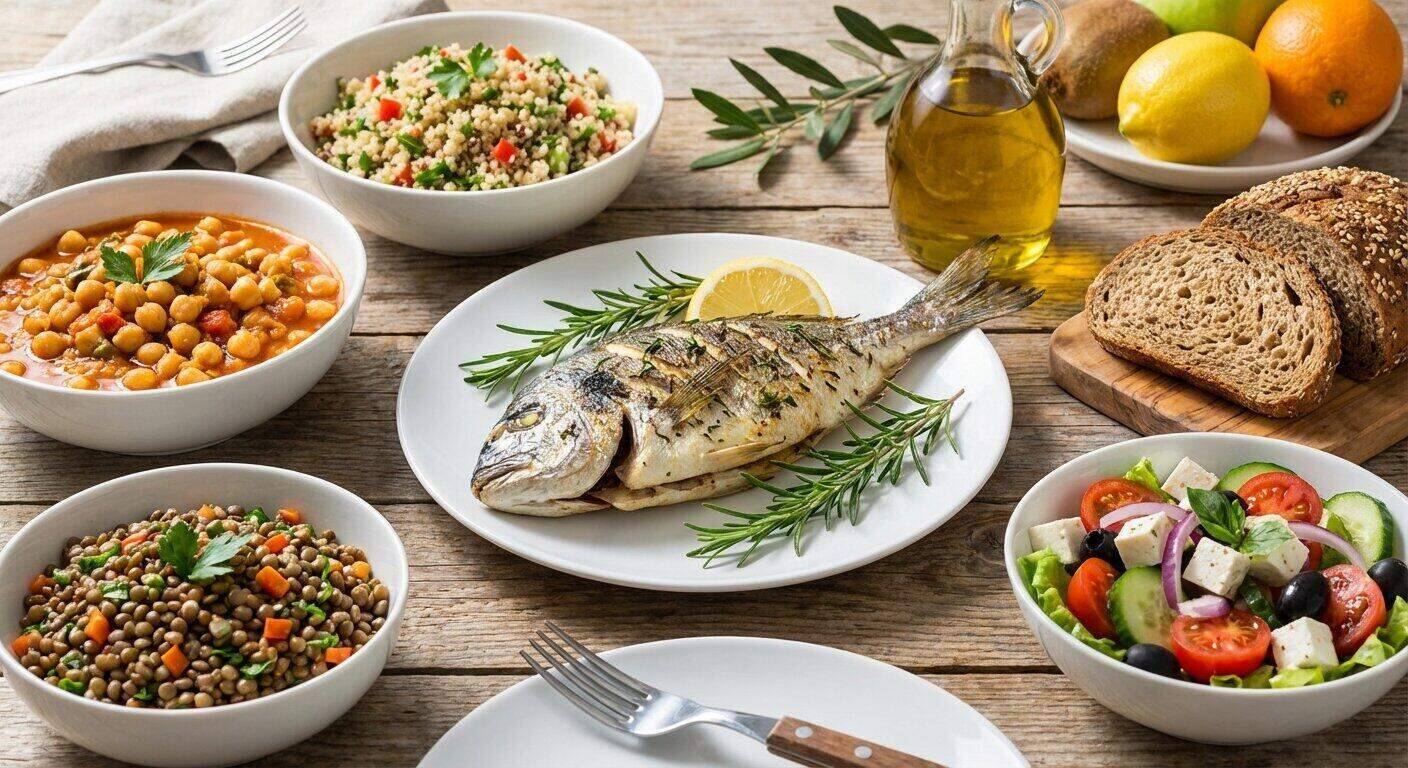
The Mediterranean diet consistently ranks as one of the healthiest eating patterns in the world—but when you’re tracking macros for specific fitness or weight loss goals, you need to know exactly how this traditional approach translates into protein, carbs, and fats.
Unlike restrictive diets that eliminate entire food groups, the Mediterranean approach emphasizes balance, whole foods, and sustainability. It’s not just about eating Italian or Greek cuisine—it’s about understanding how to structure your macronutrients around olive oil, fish, whole grains, vegetables, and legumes in a way that supports both longevity and your body composition goals.
Whether you’re trying to lose fat while maintaining muscle, improve your metabolic health, or simply want to eat better without obsessing over every gram, this guide breaks down the optimal macro ratios for the Mediterranean diet and shows you how to apply them to your daily life.
Ready to calculate your personalized Mediterranean diet macros? Try our macro calculator to get started.
Understanding Mediterranean Diet Macros
The Mediterranean diet differs from many popular macro-focused diets in its emphasis on food quality and balance rather than extreme ratios. Here’s how the macronutrients typically break down:
The Standard Mediterranean Macro Ratio
40% Carbohydrates | 35% Fat | 25% Protein
This distribution reflects the traditional eating patterns of Mediterranean regions while providing enough structure for modern macro tracking. Let’s break down why each macro is set at these levels:
Carbohydrates (40%): Moderate, not high or low. These come primarily from whole grains, legumes, vegetables, and fruit—all fiber-rich sources that stabilize blood sugar and support digestive health.
Fats (35%): The defining feature of the Mediterranean diet. This higher fat intake comes almost exclusively from monounsaturated fats (olive oil, nuts, avocados) and omega-3 fatty acids (fatty fish), which support heart health and hormone production.
Protein (25%): Adequate but not excessive. Mediterranean cultures traditionally got protein from fish, legumes, dairy, and occasional poultry—not from massive steaks or protein shakes.
Why These Ratios Work
This macro distribution aligns with decades of research on Mediterranean populations who have lower rates of heart disease, diabetes, and obesity. The emphasis on healthy fats and complex carbohydrates creates a satisfying, sustainable way of eating that doesn’t feel restrictive.
For athletes or those with higher activity levels, you might adjust to 35% carbs, 35% fat, and 30% protein to support increased training demands while maintaining the Mediterranean philosophy.
Calculating Your Mediterranean Diet Macros
Now let’s get specific. Here’s how to calculate your personal Mediterranean diet macros based on your goals:
Step 1: Determine Your Calorie Needs
Your total daily energy expenditure (TDEE) depends on your:
- Age and sex
- Current weight
- Activity level
- Goals (lose fat, maintain, or build muscle)
For fat loss, subtract 300-500 calories from your TDEE. For muscle gain, add 200-300 calories. For maintenance, eat at your TDEE.
Example calculation for a 150-lb woman with moderate activity:
- TDEE: ~2,000 calories
- Fat loss target: 1,600 calories
- Maintenance: 2,000 calories
- Muscle gain: 2,200 calories
Step 2: Apply the Mediterranean Ratio
Using the 40/35/25 split at 1,600 calories for fat loss:
Carbohydrates (40%):
- 1,600 × 0.40 = 640 calories from carbs
- 640 ÷ 4 calories per gram = 160g carbs
Fat (35%):
- 1,600 × 0.35 = 560 calories from fat
- 560 ÷ 9 calories per gram = 62g fat
Protein (25%):
- 1,600 × 0.25 = 400 calories from protein
- 400 ÷ 4 calories per gram = 100g protein
Step 3: Adjust for Your Goals
These ratios serve as a starting point. You may need to adjust based on:
For fat loss: Some people respond better to slightly higher protein (30%) and lower carbs (35%) while keeping fat at 35%. This increases satiety and preserves muscle mass during a deficit.
For athletic performance: Endurance athletes might increase carbs to 45% and reduce fat to 30%, keeping protein at 25%.
For older adults: Higher protein (30-35%) helps preserve muscle mass as metabolism naturally slows with age.
Mediterranean Diet Food Sources by Macro
The magic of the Mediterranean diet isn’t just the ratios—it’s the quality of foods that fill those macros. Here’s how to structure your meals:
Protein Sources (25% of calories)
Fish and seafood (2-3x per week):
- Salmon, mackerel, sardines (omega-3 rich)
- White fish (cod, halibut, sea bass)
- Shrimp, mussels, octopus
Legumes (daily to every other day):
- Chickpeas, lentils, white beans
- Fava beans, black-eyed peas
- Hummus and other bean spreads
Dairy (moderate amounts):
- Greek yogurt (protein-rich)
- Feta, ricotta, and other cheeses
- Kefir and other fermented dairy
Poultry and eggs (moderate):
- Chicken and turkey (2-3x per week)
- Eggs (several per week)
Red meat (occasional):
- Limited to 1-2x per month
- Grass-fed when possible
Carbohydrate Sources (40% of calories)
Whole grains (daily):
- Whole wheat bread and pasta
- Farro, bulgur, barley
- Brown rice, quinoa
- Oats
Legumes (overlap with protein):
- All beans and lentils provide both protein and carbs
- Essential for fiber and resistant starch
Vegetables (unlimited):
- Leafy greens (spinach, arugula, kale)
- Tomatoes, peppers, eggplant, zucchini
- Onions, garlic, artichokes
- Cruciferous vegetables (broccoli, cauliflower)
Fruits (2-3 servings daily):
- Berries, apples, pears
- Citrus fruits (oranges, lemons)
- Figs, grapes, melons
- Pomegranates
Fat Sources (35% of calories)
Extra virgin olive oil (primary fat):
- Use liberally for cooking and dressings
- Aim for 2-4 tablespoons daily
- Cold-pressed, high-quality varieties
Nuts and seeds (daily handful):
- Almonds, walnuts, pistachios
- Sunflower seeds, pumpkin seeds
- Sesame seeds (tahini)
Fatty fish (overlap with protein):
- Salmon, mackerel, sardines
- 2-3 servings per week
Avocados:
- Rich in monounsaturated fats
- Great addition to salads and sandwiches
Olives:
- Whole olives as snacks or in dishes
- Various preparations and varieties
Sample Mediterranean Diet Meal Plan (1,600 Calories)
Here’s what a day of eating looks like with proper Mediterranean macros:
Breakfast (400 calories)
Greek Yogurt Bowl
- 1 cup plain Greek yogurt (150 cal, 20g protein)
- 1/2 cup berries (40 cal, 10g carbs)
- 1 oz walnuts (185 cal, 18g fat)
- 1 tbsp honey (25 cal, 6g carbs)
Macros: 20g protein | 16g carbs | 18g fat
Lunch (500 calories)
Mediterranean Quinoa Salad
- 3/4 cup cooked quinoa (165 cal, 30g carbs, 6g protein)
- 3 oz grilled chicken (140 cal, 26g protein)
- Mixed greens, tomatoes, cucumber (40 cal, 8g carbs)
- 2 tbsp olive oil + lemon dressing (120 cal, 14g fat)
- 1 oz feta cheese (75 cal, 6g fat, 4g protein)
Macros: 36g protein | 38g carbs | 20g fat
Snack (200 calories)
Hummus and Vegetables
- 1/4 cup hummus (100 cal, 5g protein, 5g fat, 10g carbs)
- Raw vegetables (25 cal, 5g carbs)
- 10 almonds (75 cal, 7g fat, 2g protein)
Macros: 7g protein | 15g carbs | 12g fat
Dinner (500 calories)
Baked Salmon with Roasted Vegetables
- 4 oz salmon (180 cal, 23g protein, 9g fat)
- 1.5 cups roasted vegetables (75 cal, 15g carbs)
- 1 cup cooked farro (200 cal, 40g carbs, 7g protein)
- 1 tbsp olive oil for roasting (45 cal, 5g fat)
Macros: 30g protein | 55g carbs | 14g fat
Daily Totals
- Calories: 1,600
- Protein: 93g (23%)
- Carbohydrates: 124g (31%)
- Fat: 64g (36%)
Note: This example is slightly lower in carbs than the target 40%. You can add a piece of whole grain bread or extra fruit to hit the full 160g carb target.
Tracking Mediterranean Diet Macros
While the Mediterranean diet traditionally doesn’t involve macro tracking, combining both approaches gives you the best of structured nutrition and whole-food eating.
When to Track
You should track if you:
- Have specific fat loss or muscle gain goals
- Are an athlete with performance targets
- Want to ensure adequate protein intake
- Need accountability and structure
- Are transitioning from another diet
You may not need to track if:
- You’re maintaining your current weight easily
- You have a healthy relationship with food
- You understand portion sizes intuitively
- You’re primarily focused on health, not aesthetics
How to Track Effectively
Use a food tracking app: MyFitnessPal, Cronometer, or MacroFactor work well for logging Mediterranean meals.
Weigh and measure initially: For 2-4 weeks, weigh your portions to learn what appropriate serving sizes look like.
Focus on patterns, not perfection: Being within 5-10g of your targets is fine. The goal is consistency over weeks, not daily precision.
Track olive oil accurately: This is where many people underestimate. A “drizzle” can easily be 2-3 tablespoons (300+ calories).
Don’t fear fat: With 35% of calories from fat, you’ll be eating more fat than typical low-fat diets. This is intentional and healthy.
The 80/20 Rule
For long-term sustainability, follow the Mediterranean pattern 80% of the time and allow 20% flexibility for social events, travel, or occasional indulgences. This maintains the health benefits while preventing dietary burnout.
Mediterranean Diet vs. Other Popular Macro Approaches
Understanding how Mediterranean macros compare to other diets helps you make informed choices:
Mediterranean vs. Keto
- Keto: 5% carbs, 75% fat, 20% protein
- Mediterranean: 40% carbs, 35% fat, 25% protein
- Key difference: Mediterranean includes whole grains, legumes, and fruit that keto eliminates. Both emphasize healthy fats but Mediterranean is more balanced and easier to sustain long-term.
Mediterranean vs. High Protein Bodybuilding
- Bodybuilding: 40% protein, 30% carbs, 30% fat
- Mediterranean: 25% protein, 40% carbs, 35% fat
- Key difference: Mediterranean provides adequate protein for most people but may need adjustment for serious muscle building. Bodybuilding diets often lack the plant diversity of Mediterranean eating.
Mediterranean vs. Standard American Diet
- SAD: 50% carbs (refined), 35% fat (processed), 15% protein
- Mediterranean: 40% carbs (whole), 35% fat (healthy), 25% protein
- Key difference: Quality matters more than quantity. The Mediterranean diet emphasizes whole food sources across all macros.
Mediterranean vs. Paleo
- Paleo: 30% carbs, 40% fat, 30% protein (varies widely)
- Mediterranean: 40% carbs, 35% fat, 25% protein
- Key difference: Paleo eliminates grains and legumes, while Mediterranean includes them as staples. Both emphasize whole foods but Mediterranean has stronger research backing.
For a deeper dive into paleo macros, check out our complete paleo macro guide.
Common Mistakes with Mediterranean Diet Macros
Even with the best intentions, here are the pitfalls to avoid:
1. Overdoing Healthy Fats
Yes, olive oil is healthy. No, that doesn’t mean unlimited amounts. At 120 calories per tablespoon, it’s easy to exceed your fat targets by hundreds of calories if you’re not measuring.
Solution: Measure your olive oil, nuts, and nut butters, especially when starting out.
2. Undereating Protein
Traditional Mediterranean diets featured less protein than modern fitness standards require. If you’re active or trying to build muscle, 25% protein may not be enough.
Solution: Increase protein to 30% by adding more fish, Greek yogurt, and legumes. You can reduce carbs slightly to compensate.
3. Eating Too Much Pasta and Bread
Just because it’s “Mediterranean” doesn’t mean unlimited pasta. These are still calorie-dense carbs that can easily push you over your targets.
Solution: Measure portions—1 cup cooked pasta or 2 slices of bread as part of a balanced meal, not the entire meal.
4. Ignoring Portion Sizes for Nuts
A “handful” of almonds can range from 160 to 400 calories depending on whose hand we’re talking about.
Solution: A true serving is 1 oz (about 23 almonds, 160 calories). Pre-portion or weigh them.
5. Not Eating Enough Vegetables
When tracking macros, people often focus on hitting protein and fat targets while neglecting vegetables because they’re “low calorie.”
Solution: Aim for 5+ servings of vegetables daily. They provide fiber, micronutrients, and volume that keeps you satisfied.
6. Drinking Too Much Alcohol
Mediterranean culture includes moderate wine consumption, but “moderate” is clearly defined: one 5 oz glass for women, two for men—not a whole bottle.
Solution: Track alcohol calories (7 cal/gram) and account for them in your daily totals. For more details, read our guide on alcohol and macro tracking.
Adjusting Mediterranean Macros for Different Goals
The standard 40/35/25 ratio works for most people, but your specific situation might call for modifications:
For Fat Loss
Macro adjustment: 35% carbs, 35% fat, 30% protein Why: Higher protein preserves muscle during a calorie deficit and increases satiety. Calorie deficit: 300-500 calories below TDEE Focus: Prioritize protein at every meal, maintain olive oil intake for satiety
For Muscle Gain
Macro adjustment: 40% carbs, 30% fat, 30% protein Why: More protein supports muscle protein synthesis, more carbs fuel training Calorie surplus: 200-300 calories above TDEE Focus: Eat more fish, add extra servings of Greek yogurt and legumes
For Endurance Athletes
Macro adjustment: 50% carbs, 25% fat, 25% protein Why: Higher carbs fuel long training sessions and support glycogen replenishment Calories: At or slightly above TDEE Focus: Increase whole grains, pasta, rice, and fruit around training
For Older Adults (50+)
Macro adjustment: 35% carbs, 35% fat, 30% protein Why: Higher protein combats age-related muscle loss (sarcopenia) Calories: Maintenance or slight deficit Focus: Emphasize protein at breakfast, add collagen-rich bone broths
For Vegetarians/Vegans
Macro adjustment: Keep ratios the same but adjust sources Challenge: Getting enough protein without fish Focus: Increase legumes (chickpeas, lentils), add tempeh, tofu, and seitan Supplement: Consider omega-3 (algae-based) and B12
The Science Behind Mediterranean Diet Macros
Why do these specific ratios work so well for both health and body composition?
Cardiovascular Benefits
The PREDIMED study (Prevention with Mediterranean Diet) followed 7,500 participants for nearly five years. Those following a Mediterranean diet with extra virgin olive oil or nuts had:
- 30% reduction in cardiovascular events
- Lower blood pressure
- Improved cholesterol profiles
- Better blood sugar control
The 35% fat intake, primarily from monounsaturated sources, directly contributes to these benefits.
Sustainable Fat Loss
Unlike extreme low-carb or low-fat diets, the Mediterranean approach doesn’t trigger the same metabolic adaptations that make weight loss harder over time. The balanced macros and high food quality lead to:
- Better adherence (people stick with it longer)
- Preserved metabolic rate during dieting
- Reduced inflammation
- Stable energy levels
Muscle Preservation
While 25% protein may seem low compared to bodybuilding diets, research shows it’s adequate for most populations when combined with:
- Resistance training
- Distributed protein intake throughout the day
- High-quality protein sources (fish, dairy, legumes)
For serious lifters, increasing to 30% protein maintains the Mediterranean philosophy while supporting muscle growth.
Cognitive Function
The Mediterranean diet’s macro balance, particularly its emphasis on omega-3 fatty acids from fish, supports brain health and may reduce risk of:
- Alzheimer’s disease
- Cognitive decline
- Depression
- Age-related memory loss
Frequently Asked Questions
What are the ideal macro ratios for the Mediterranean diet?
The traditional Mediterranean diet follows approximately 40% carbohydrates, 35% fat, and 25% protein. However, this isn’t a rigid formula—Mediterranean cultures naturally achieved these ratios by eating whole grains, legumes, olive oil, fish, and abundant vegetables without counting macros.
The key is quality over precision. If you’re eating mostly whole foods from Mediterranean staples, you’ll naturally land close to this distribution. For specific fitness or weight loss goals, tracking helps ensure you’re hitting optimal targets.
That said, these ratios can be adjusted based on your activity level, age, and goals. Athletes might increase carbs to 45-50%, while those focused on fat loss might bump protein to 30% and reduce carbs slightly.
Is the Mediterranean diet high in protein or carbs?
The Mediterranean diet is moderate in both protein and carbohydrates—it’s one of the most balanced eating patterns you can follow.
At 40% carbs, it’s lower than the typical Western diet (which often exceeds 50%) but significantly higher than low-carb or keto diets. These carbs come from nutrient-dense sources like whole grains, legumes, vegetables, and fruit rather than refined sugars and white flour.
At 25% protein, it’s adequate for most people but moderate compared to high-protein bodybuilding diets (35-40%). Mediterranean cultures traditionally got protein from fish, legumes, dairy, and occasional poultry—they didn’t emphasize massive protein intakes.
The defining feature is actually the fat content at 35%, primarily from olive oil, nuts, and fatty fish. This distinguishes it from low-fat diets while providing heart-healthy monounsaturated and omega-3 fats.
Can you lose weight on the Mediterranean diet?
Absolutely. The Mediterranean diet is highly effective for sustainable weight loss when you maintain a calorie deficit. Multiple studies show it performs as well or better than low-fat diets for weight loss, with better long-term adherence.
The key advantages for weight loss:
High satiety: The combination of healthy fats (35%), fiber from whole grains and vegetables, and adequate protein (25%) keeps you feeling full and satisfied on fewer calories.
Whole food focus: By emphasizing minimally processed foods, you naturally eat fewer empty calories and get more nutrition per calorie.
Sustainable: Unlike restrictive diets, the Mediterranean approach includes all food groups, making it easier to stick with long-term—and that consistency is what matters most for weight loss.
Metabolic benefits: The anti-inflammatory nature of Mediterranean foods and the balance of macros helps preserve metabolic rate during dieting.
For optimal fat loss results, combine the Mediterranean eating pattern with a 300-500 calorie deficit and consider increasing protein slightly to 30% to preserve muscle mass.
What’s the difference between Mediterranean diet macros and keto macros?
The differences are substantial—these are opposite ends of the carbohydrate spectrum:
Carbohydrate intake:
- Mediterranean: 40% (about 150-200g for most people)
- Keto: 5-10% (typically under 50g, often under 20g)
Fat intake:
- Mediterranean: 35% from mostly olive oil, nuts, and fish
- Keto: 70-80% from any fat sources to achieve ketosis
Protein intake:
- Mediterranean: 25% (moderate, about 1g per lb body weight)
- Keto: 15-25% (kept moderate to prevent gluconeogenesis)
Philosophy:
- Mediterranean emphasizes balanced nutrition from whole foods across all food groups, including whole grains, legumes, and fruit
- Keto restricts carbs severely to shift metabolism into ketosis, eliminating most plant foods
Sustainability:
- Mediterranean is generally easier to maintain long-term and is more socially flexible
- Keto requires strict adherence to maintain ketosis and can be challenging at social events
Both can work for weight loss and both emphasize healthy fats, but Mediterranean is backed by decades more research on longevity and chronic disease prevention. For a detailed breakdown of keto, check our keto macro guide.
How much protein should I eat on the Mediterranean diet?
The traditional target is 25% of total calories from protein, but this may need adjustment based on your specific goals and activity level.
For the average person (1,800 calories):
- 25% = 450 calories from protein
- 450 ÷ 4 = 112g protein daily
- This typically equals 0.7-1.0g per pound of body weight
Best Mediterranean protein sources:
- Fish and seafood: 2-3 servings per week (especially fatty fish like salmon, mackerel, sardines)
- Legumes: Daily servings (chickpeas, lentils, white beans)
- Greek yogurt: High-protein breakfast or snack
- Cheese: Moderate amounts (feta, ricotta, parmesan)
- Poultry: 2-3 servings per week
- Eggs: Several per week
When to increase protein:
- Athletes and lifters: Increase to 30% (1.0-1.2g per lb body weight)
- Fat loss goals: 30% helps preserve muscle during a deficit
- Older adults (50+): 30-35% combats age-related muscle loss
Distribution matters: Aim for 20-30g protein per meal rather than loading it all at dinner. This optimizes muscle protein synthesis throughout the day.
What are the best fat sources for Mediterranean diet macros?
The Mediterranean diet is defined by its fat sources—these aren’t just any fats, but specifically heart-healthy monounsaturated and omega-3 fatty acids.
Primary fat sources (use daily):
Extra virgin olive oil - The cornerstone of Mediterranean eating. Use liberally for cooking, dressings, and finishing dishes. Aim for 2-4 tablespoons daily. Choose cold-pressed, high-quality EVOO for maximum polyphenol content.
Nuts - A daily handful (1 oz) of almonds, walnuts, or pistachios provides healthy fats, protein, and fiber. Walnuts are especially rich in omega-3 ALA.
Fatty fish - Salmon, mackerel, sardines, and anchovies provide omega-3 EPA and DHA. Aim for 2-3 servings per week (4-6 oz portions).
Secondary fat sources (use regularly):
- Avocados - Rich in monounsaturated fats
- Olives - Whole olives as snacks or in dishes
- Seeds - Chia, flax, hemp, and pumpkin seeds
- Tahini - Sesame seed paste, great in dressings and sauces
Fats to minimize:
- Butter (use olive oil instead)
- Processed vegetable oils (corn, soybean, canola)
- Trans fats and hydrogenated oils
- Excessive red meat fat
The Mediterranean pattern typically results in a fat profile of approximately 15-20% monounsaturated, 8-10% polyunsaturated (including omega-3), and less than 8% saturated fat.
Do I need to track macros on the Mediterranean diet?
It depends on your goals and your current relationship with food.
You probably don’t need to track if:
- You’re maintaining your weight easily
- Your primary goal is general health and longevity
- You have a good intuitive sense of portions
- You’re eating mostly whole foods from Mediterranean staples
- Tracking feels obsessive or negatively impacts your relationship with food
The Mediterranean diet was never traditionally about counting macros—people in Crete and Southern Italy didn’t weigh their olive oil. They simply ate whole foods prepared traditionally and naturally achieved healthy macro ratios.
Tracking can be helpful if:
- You have specific fat loss or muscle gain targets
- You’re an athlete with performance goals
- You want to ensure adequate protein intake (many people undereat protein)
- You’re transitioning from another diet and need structure
- You tend to overeat calorie-dense foods like nuts and oils
The middle ground: Track for 2-4 weeks to learn what appropriate portions look like, then transition to intuitive eating guided by those learned patterns. You can always return to tracking if your progress stalls or you want to dial in your nutrition for a specific goal.
Remember: The Mediterranean diet’s real power comes from food quality and eating patterns, not from hitting exact macro percentages. If tracking helps you achieve your goals without stress, do it. If it makes eating feel like a chore, trust the whole-food approach instead.
Conclusion: Making Mediterranean Macros Work for You
The Mediterranean diet offers something rare in modern nutrition: a time-tested, research-backed eating pattern that supports both longevity and body composition goals without feeling restrictive.
The 40% carbs, 35% fat, 25% protein ratio provides a balanced foundation, but remember—these are guidelines, not rules carved in stone. The beauty of this approach is its flexibility. Adjust protein up if you’re building muscle. Increase carbs if you’re training hard. Reduce calories if you’re losing fat. The core principles remain the same: emphasize whole foods, prioritize healthy fats from olive oil and fish, and fill your plate with colorful vegetables.
What matters most isn’t hitting your macros to the exact gram every single day. It’s consistently choosing quality ingredients, preparing food simply, and eating with awareness and enjoyment. The Mediterranean approach isn’t just about nutrition—it’s about building a sustainable relationship with food that serves you for decades, not just weeks.
Start by calculating your personalized macros using our macro calculator, then focus on incorporating more Mediterranean staples into your meals. Track if it helps, but don’t let perfect macro percentages become the enemy of good, consistent nutrition.
Ready to explore other macro approaches? Check out our guides on carnivore diet macros, paleo macros, and macros for bodybuilders to see how different eating patterns compare.
The Mediterranean way works because it honors both science and tradition—and that’s a combination that stands the test of time.
Related Resources
Related Articles

Travel Macros: How to Track Nutrition While Traveling
Complete guide to managing macros while traveling. Learn meal planning strategies,...
Read guide →
Macros for Shift Workers: Complete Guide to Nutrition on Rotating Schedules
Master macro tracking on night shifts and rotating schedules. Learn meal timing, sleep...
Read guide →
Macros During Ramadan: Complete Nutrition Guide for Fasting
Learn how to track macros during Ramadan fasting. Expert guide covering meal timing,...
Read guide →Disclaimer: This content is for informational purposes only. Consult a healthcare provider before making changes to your diet.