Paleo Macros: Complete Guide to Stone Age Nutrition
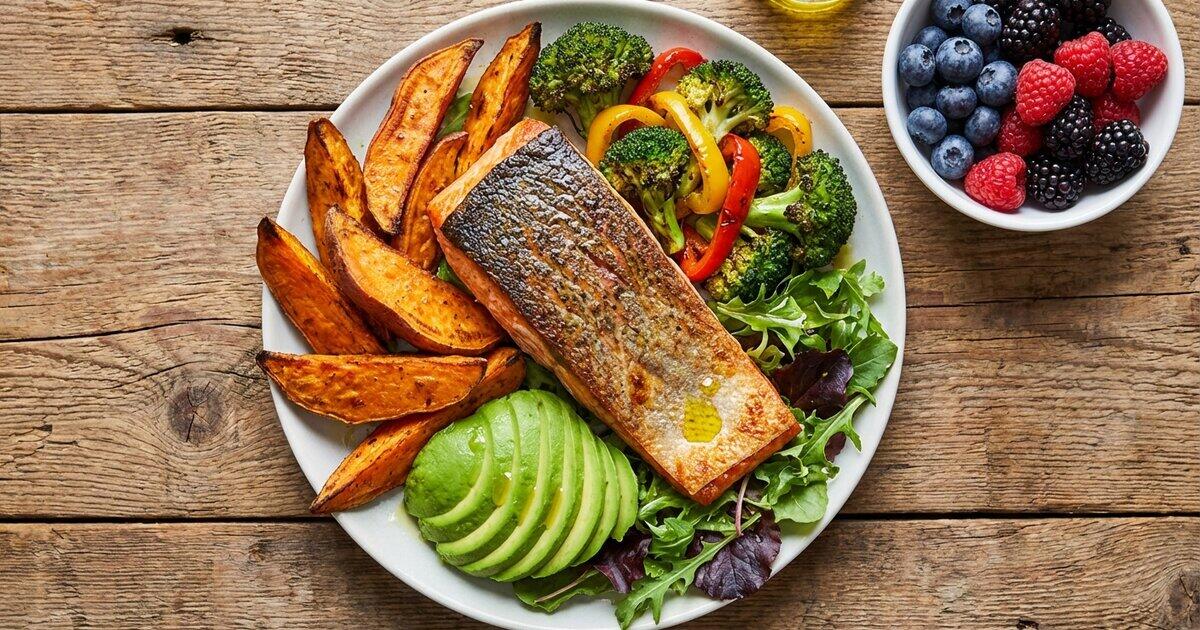
The paleo diet has transformed millions of lives by returning to ancestral eating patterns. But here’s what most people miss: success on paleo isn’t just about what you eat—it’s about hitting the right macronutrient ratios for your goals.
While a standard American diet might load 50-60% carbs (mostly from grains), paleo macros create a dramatically different metabolic environment. You’re trading refined carbs for quality protein and healthy fats, which changes everything from appetite control to athletic performance.
In this comprehensive guide, you’ll learn exactly how to calculate and track your paleo macros, whether you’re cutting fat, building muscle, or crushing CrossFit WODs.
Understanding Paleo Diet Macros
What Makes Paleo Macros Different?
The fundamental difference between paleo and standard macros isn’t just the food sources—it’s the entire metabolic framework.
Standard Diet Macros:
- Carbs: 45-65% (mostly grains, legumes, processed foods)
- Protein: 10-35% (often processed meats, dairy)
- Fat: 20-35% (including trans fats, seed oils)
Paleo Macros:
- Protein: 25-35% (quality animal sources)
- Carbs: 30-40% (vegetables, fruits, tubers)
- Fat: 30-40% (natural fats, nuts, avocado, olive oil)
Notice the shift? Paleo flips the pyramid. You’re eating more protein and fat while dropping your carb percentage—but not going full keto. This creates a moderate-carb approach that supports everything from CrossFit intensity to sustainable fat loss.
The Paleo Macro Philosophy
Traditional paleo doesn’t obsess over macros. The original concept—eat whole foods, skip grains and processed junk—assumed ratios would naturally fall into place.
And for many people, they do. When you eliminate bread, pasta, and sugar, your carbs naturally drop. When you prioritize meat and eggs, protein increases.
But here’s reality: tracking paleo macros gives you precision. You’ll know if you’re eating too much fruit (common mistake), not getting enough protein for muscle growth, or accidentally going too low-carb for your training intensity.
Why Paleo Macros Work
The magic of paleo macros comes down to three mechanisms:
- Protein satiety: 25-35% protein keeps you full longer than carb-heavy diets
- Steady energy: Moderate carbs from whole foods prevent blood sugar crashes
- Metabolic flexibility: Your body learns to burn both carbs and fat efficiently
This isn’t keto (where you force fat adaptation). It’s not high-carb (where you’re insulin-dependent). It’s the metabolic sweet spot.
Typical Paleo Macro Ranges vs. Standard Diet
Let’s break down how paleo stacks up against other popular approaches:
Paleo vs. Standard American Diet
| Macronutrient | Standard Diet | Paleo Diet | Key Difference |
|---|---|---|---|
| Protein | 15-20% | 25-35% | +10-15% more |
| Carbs | 50-60% | 30-40% | -15-25% less |
| Fat | 25-30% | 30-40% | +5-10% more |
The extra protein supports muscle maintenance and satiety. Lower carbs (but still moderate) allow for performance without the metabolic damage of constant high insulin. Higher fat provides energy, hormonal support, and incredible flavor.
Paleo vs. Keto
Keto takes carbs to extreme lows (5-10%), forcing ketosis. Paleo keeps carbs moderate enough to support:
- High-intensity training (CrossFit, sprinting, HIIT)
- Athletic performance requiring glycogen
- Metabolic flexibility (using both fuel sources)
Think of keto as a specialized tool. Paleo is sustainable lifestyle nutrition.
Paleo vs. Low-Fat Diets
The 1990s demonized fat. Paleo embraces it—but the right fats:
- ✅ Avocado, olive oil, coconut oil
- ✅ Nuts, seeds (in moderation)
- ✅ Fatty fish, grass-fed beef
- ❌ Seed oils, trans fats, processed junk
This shift supports hormone production, brain health, and fat-soluble vitamin absorption.
Macro Targets by Goal
Your paleo macros should match your objective. Here’s how to dial them in:
Weight Loss Paleo Macros
Target Ratios:
- Protein: 30-35%
- Carbs: 30-35%
- Fat: 30-40%
Why it works: Higher protein preserves muscle during a deficit. Moderate carbs keep energy stable without excess calories. Fat provides satiety.
Example (2,000 calories):
- Protein: 150-175g (600-700 cal)
- Carbs: 150-175g (600-700 cal)
- Fat: 67-89g (600-800 cal)
Pro tip: Focus protein on breakfast and post-workout. Keep carbs around training. Let fat fill remaining calories naturally.
Muscle Gain Paleo Macros
Target Ratios:
- Protein: 30-35%
- Carbs: 35-40%
- Fat: 25-35%
Why it works: You need a caloric surplus with extra carbs for training intensity and recovery. Protein supports muscle protein synthesis.
Example (2,800 calories):
- Protein: 210-245g (840-980 cal)
- Carbs: 245-280g (980-1,120 cal)
- Fat: 78-109g (700-980 cal)
Pro tip: Time carbs around workouts. Sweet potatoes, fruit, and root vegetables become your best friends.
Maintenance Paleo Macros
Target Ratios:
- Protein: 25-30%
- Carbs: 35-40%
- Fat: 30-40%
Why it works: Balanced approach that supports activity without forcing change. Sustainable long-term.
Example (2,200 calories):
- Protein: 138-165g (550-660 cal)
- Carbs: 193-220g (770-880 cal)
- Fat: 73-98g (660-880 cal)
Athletic Performance Paleo Macros
Target Ratios:
- Protein: 25-30%
- Carbs: 40-45%
- Fat: 25-35%
Why it works: Athletes need extra carbs for glycogen replenishment. This isn’t “high-carb” by standard diet levels—but it’s paleo-high.
Example (3,000 calories):
- Protein: 188-225g (750-900 cal)
- Carbs: 300-338g (1,200-1,350 cal)
- Fat: 83-117g (750-1,050 cal)
Pro tip: If you’re doing CrossFit, Olympic lifting, or endurance work, you’re in this category. Don’t fear carbs—just keep them clean.
Best Paleo Foods by Macro Profile
Strategic food choices make hitting your paleo macros effortless.
High-Protein Paleo Foods
Lean Proteins (high protein, low fat):
- Chicken breast: 31g protein, 165 cal per 4oz
- Turkey breast: 34g protein, 153 cal per 4oz
- Wild-caught cod: 28g protein, 120 cal per 4oz
- Lean bison: 28g protein, 166 cal per 4oz
- Egg whites: 26g protein, 126 cal per cup
Moderate Fat Proteins:
- Whole eggs: 6g protein, 72 cal per egg
- Wild salmon: 25g protein, 206 cal per 4oz
- Grass-fed beef (85/15): 23g protein, 240 cal per 4oz
- Pork loin: 26g protein, 190 cal per 4oz
Use lean proteins when you need to maximize protein without excess calories. Use fattier cuts when you have fat macros to fill.
High-Fat Paleo Foods
Quality Fat Sources:
- Avocado: 21g fat, 234 cal per medium
- Olive oil: 14g fat, 119 cal per tbsp
- Coconut oil: 14g fat, 121 cal per tbsp
- Almonds: 14g fat, 164 cal per oz
- Macadamia nuts: 21g fat, 204 cal per oz
- Grass-fed butter/ghee: 12g fat, 102 cal per tbsp
Pro tip: Use oils for cooking and dressing. Use nuts/seeds sparingly—they’re calorie-dense and easy to overeat.
Paleo Carb Sources
Starchy Carbs (post-workout, athletes):
- Sweet potato: 24g carbs, 103 cal per medium
- White potato: 37g carbs, 163 cal per medium
- Butternut squash: 22g carbs, 82 cal per cup
- Plantains: 48g carbs, 181 cal per medium
- Cassava: 78g carbs, 330 cal per cup
Fruit Carbs (moderate intake):
- Banana: 27g carbs, 105 cal per medium
- Apple: 25g carbs, 95 cal per medium
- Berries: 12-15g carbs, 50-80 cal per cup
- Mango: 50g carbs, 201 cal per cup
Vegetable Carbs (unlimited):
- Broccoli: 6g carbs, 31 cal per cup
- Spinach: 1g carbs, 7 cal per cup
- Bell peppers: 9g carbs, 39 cal per cup
- Cauliflower: 5g carbs, 25 cal per cup
The beauty of paleo? You can eat massive volumes of fibrous veggies without breaking your macro budget.
How to Calculate Your Paleo Macros (Step-by-Step)
Let’s walk through the exact process:
Step 1: Calculate Your Total Daily Energy Expenditure (TDEE)
Use our macro calculator or this formula:
For men: TDEE = (10 × weight in kg) + (6.25 × height in cm) - (5 × age) + 5
For women: TDEE = (10 × weight in kg) + (6.25 × height in cm) - (5 × age) - 161
Then multiply by activity factor:
- Sedentary: 1.2
- Light activity: 1.375
- Moderate activity: 1.55
- Very active: 1.725
- Extremely active: 1.9
Example: 35-year-old male, 180 lbs (82 kg), 6’0” (183 cm), moderate activity
TDEE = (10 × 82) + (6.25 × 183) - (5 × 35) + 5 = 1,794 1,794 × 1.55 = 2,781 calories
Step 2: Adjust for Your Goal
- Fat loss: TDEE - 500 (1 lb/week loss)
- Muscle gain: TDEE + 300-500
- Maintenance: TDEE
Our example for fat loss: 2,781 - 500 = 2,281 calories
Step 3: Set Your Paleo Macro Ratios
For fat loss, use: 35% protein, 30% carbs, 35% fat
Step 4: Calculate Grams
Protein: 2,281 × 0.35 = 798 cal ÷ 4 cal/g = 200g Carbs: 2,281 × 0.30 = 684 cal ÷ 4 cal/g = 171g Fat: 2,281 × 0.35 = 798 cal ÷ 9 cal/g = 89g
Step 5: Plan Your Meals
Distribute across 3-4 meals:
Breakfast: 50g protein, 40g carbs, 25g fat Lunch: 60g protein, 50g carbs, 30g fat Dinner: 60g protein, 50g carbs, 20g fat Snack: 30g protein, 31g carbs, 14g fat
This framework gives you structure while maintaining flexibility.
Paleo-Friendly Macro Tracking
Best Apps for Paleo Tracking
MyFitnessPal
- ✅ Huge food database
- ✅ Barcode scanner
- ❌ Includes non-paleo foods (requires discipline)
Cronometer
- ✅ Micronutrient tracking
- ✅ Clean interface
- ✅ Paleo-specific food filtering
MyMacros+
- ✅ Simple macro focus
- ✅ Great for meal planning
- ❌ Smaller food database
Tracking Without Grains and Legumes
The elimination of grains and legumes actually makes paleo tracking easier:
Proteins: Simple—weigh your meat Fats: Measure oils/nuts by weight or volume Carbs: Weigh your sweet potatoes, count fruit portions
Pro tip: Batch cook and pre-portion. Cook 5 lbs of chicken, 10 sweet potatoes, and roast vegetables on Sunday. Store in containers with known macros.
The Hand Method (No Scale Required)
When tracking feels tedious:
Protein: Palm-sized portion = ~25-30g Carbs: Fist-sized portion = ~25-30g Fat: Thumb-sized portion = ~10-15g Veggies: Two handfuls = unlimited
This gets you 80% accuracy with zero stress.
Common Paleo Macro Mistakes
Mistake #1: Going Too Low Carb
The problem: Many people think paleo = keto. They drop carbs below 100g while doing intense CrossFit or training.
The result: Energy crashes, poor performance, irritability, sleep disruption.
The fix: If you’re active, aim for 150-200g carbs from paleo sources. You’ll feel dramatically better.
Mistake #2: Fat Fear
The problem: Decades of “low-fat” brainwashing makes people scared of dietary fat.
The result: Under-eating calories, poor hormone production, constant hunger, nutrient deficiencies (vitamins A, D, E, K need fat).
The fix: Embrace quality fats. Cook with coconut oil. Add avocado to meals. Eat fatty fish. Target 30-40% of calories from fat.
Mistake #3: Protein Neglect
The problem: Focusing so heavily on “eating like our ancestors” that protein takes a back seat to vegetables.
The result: Muscle loss, constant hunger, poor recovery, weakness.
The fix: Prioritize protein first. Build each meal around a quality protein source. Target 0.8-1.2g per pound of body weight.
Mistake #4: Fruit Overload
The problem: “It’s paleo, so I can eat unlimited fruit!”
The result: Consuming 200-300g carbs from fruit alone, stalling fat loss, blood sugar rollercoaster.
The fix: Limit fruit to 1-3 servings daily. Prioritize berries (lower sugar). Save fruit for post-workout or morning meals.
Mistake #5: Not Tracking at All
The problem: “Paleo is intuitive eating—I don’t need to track.”
The result: Accidentally eating 3,000 calories while trying to lose weight, or under-eating to 1,200 calories while trying to build muscle.
The fix: Track for 30 days. Learn your portions. Then consider intuitive eating with periodic check-ins.
Mistake #6: Nut Butter Addiction
The problem: Almond butter is paleo. A few spoonfuls here and there…
The result: Each tablespoon is 100 calories. Four “small” servings = 400 calories of pure fat you didn’t account for.
The fix: Pre-portion nut butters. Use them strategically to hit fat macros, not as “free” food.
Sample 7-Day Paleo Meal Plan (2,000 Calories)
Target Macros: 160g protein (32%), 175g carbs (35%), 73g fat (33%)
Day 1
Breakfast - Veggie Scramble
- 3 whole eggs (18g protein, 18g fat)
- 4 oz sweet potato (27g carbs)
- Spinach, peppers, onions (5g carbs)
- 1 tsp olive oil (5g fat)
Macros: 18g P / 32g C / 23g F
Lunch - Chicken Power Bowl
- 6 oz grilled chicken breast (47g protein)
- 1 cup roasted butternut squash (22g carbs)
- 1/2 avocado (10g fat)
- Mixed greens with balsamic (3g carbs)
Macros: 47g P / 25g C / 10g F
Dinner - Salmon & Sweet Potato
- 5 oz wild salmon (31g protein, 12g fat)
- 6 oz sweet potato (40g carbs)
- Steamed broccoli (6g carbs)
- 1 tbsp ghee (13g fat)
Macros: 31g P / 46g C / 25g F
Snack - Post-Workout
- 4 oz turkey breast (34g protein)
- 1 large apple (25g carbs)
- 15 almonds (5g protein, 15g fat)
Macros: 39g P / 25g C / 15g F
Daily Total: 135g P / 128g C / 73g F = 1,645 cal
Day 2
Breakfast - Banana Egg Pancakes
- 3 eggs + 1 banana, mashed (21g protein, 27g carbs, 18g fat)
- 1 tbsp almond butter (4g protein, 3g carbs, 9g fat)
- Berries (12g carbs)
Macros: 25g P / 42g C / 27g F
Lunch - Beef Stir Fry
- 5 oz grass-fed beef (38g protein, 15g fat)
- Bell peppers, onions, snap peas (18g carbs)
- Coconut aminos (2g carbs)
- 1 tsp coconut oil (5g fat)
Macros: 38g P / 20g C / 20g F
Dinner - Lemon Herb Chicken
- 6 oz chicken thighs (35g protein, 12g fat)
- 8 oz white potato (37g carbs)
- Asparagus with olive oil (6g carbs, 7g fat)
Macros: 35g P / 43g C / 19g F
Snack - Mid-Afternoon
- 2 hard-boiled eggs (12g protein, 10g fat)
- Carrot sticks (12g carbs)
- 2 tbsp guacamole (2g fat)
Macros: 12g P / 12g C / 12g F
Daily Total: 110g P / 117g C / 78g F = 1,578 cal
Day 3
Breakfast - Breakfast Hash
- 4 oz ground turkey (28g protein, 8g fat)
- 1 cup diced sweet potato (27g carbs)
- Bell peppers, onions (8g carbs)
- 2 eggs (12g protein, 10g fat)
Macros: 40g P / 35g C / 18g F
Lunch - Tuna Avocado Boats
- 6 oz canned tuna (40g protein)
- 1 whole avocado (17g carbs, 21g fat)
- Mixed greens (3g carbs)
- Olive oil dressing (7g fat)
Macros: 40g P / 20g C / 28g F
Dinner - Pork & Root Vegetables
- 5 oz pork tenderloin (31g protein, 5g fat)
- Roasted root veggies (carrots, parsnips, turnips - 40g carbs)
- 1 tbsp olive oil (14g fat)
Macros: 31g P / 40g C / 19g F
Snack - Evening
- 4 oz shrimp (24g protein)
- 1 cup mango (25g carbs)
- 10 cashews (5g protein, 8g fat)
Macros: 29g P / 25g C / 8g F
Daily Total: 140g P / 120g C / 73g F = 1,657 cal
Day 4
Breakfast - Veggie Egg Muffins
- 3 eggs (18g protein, 15g fat)
- Diced veggies baked in (8g carbs)
- 1 medium banana (27g carbs)
- 1 tbsp almond butter (4g protein, 9g fat)
Macros: 22g P / 35g C / 24g F
Lunch - Chicken Salad
- 6 oz grilled chicken (47g protein)
- Mixed greens, tomatoes, cucumbers (10g carbs)
- 1/4 avocado (5g fat)
- Olive oil + lemon dressing (10g fat)
Macros: 47g P / 10g C / 15g F
Dinner - Bison Burgers
- 6 oz bison patty (36g protein, 12g fat)
- Lettuce wrap, tomato, onion (8g carbs)
- 1 large sweet potato (40g carbs)
- 1 tbsp mayo (11g fat)
Macros: 36g P / 48g C / 23g F
Snack - Pre-Workout
- 4 oz turkey (34g protein)
- 1 apple (25g carbs)
- 10 almonds (10g fat)
Macros: 34g P / 25g C / 10g F
Daily Total: 139g P / 118g C / 72g F = 1,644 cal
Day 5
Breakfast - Smoked Salmon Plate
- 4 oz smoked salmon (25g protein, 8g fat)
- 2 hard-boiled eggs (12g protein, 10g fat)
- Sliced tomato, cucumber (8g carbs)
- 1/2 avocado (10g fat)
Macros: 37g P / 8g C / 28g F
Lunch - Carnitas Bowl
- 5 oz pork carnitas (30g protein, 12g fat)
- Cauliflower rice (5g carbs)
- Peppers, onions, salsa (12g carbs)
- 1/4 avocado (5g fat)
Macros: 30g P / 17g C / 17g F
Dinner - Herb-Crusted Cod
- 7 oz cod fillet (35g protein)
- 8 oz white potato (37g carbs)
- Green beans with ghee (10g carbs, 7g fat)
Macros: 35g P / 47g C / 7g F
Snack - Post-Dinner
- Protein smoothie: 1 scoop collagen (20g protein), berries (15g carbs), coconut milk (15g fat)
Macros: 20g P / 15g C / 15g F
Daily Total: 122g P / 87g C / 67g F = 1,427 cal
Day 6
Breakfast - Sweet Potato Toast
- Roasted sweet potato slices (30g carbs)
- 2 fried eggs (12g protein, 10g fat)
- 1/2 avocado (10g fat)
- Berries (12g carbs)
Macros: 12g P / 42g C / 20g F
Lunch - Chicken Lettuce Wraps
- 6 oz ground chicken (42g protein, 10g fat)
- Lettuce cups, shredded veggies (8g carbs)
- Coconut aminos sauce (3g carbs)
- 1 tbsp sesame oil (14g fat)
Macros: 42g P / 11g C / 24g F
Dinner - Steak & Sweet Potato
- 5 oz grass-fed sirloin (38g protein, 12g fat)
- 6 oz sweet potato (40g carbs)
- Roasted Brussels sprouts (12g carbs, 7g fat)
Macros: 38g P / 52g C / 19g F
Snack - Afternoon
- 4 oz turkey jerky (30g protein)
- 1 banana (27g carbs)
- 8 macadamia nuts (11g fat)
Macros: 30g P / 27g C / 11g F
Daily Total: 122g P / 132g C / 74g F = 1,626 cal
Day 7
Breakfast - Veggie Frittata
- 3 eggs + 2 egg whites (24g protein, 15g fat)
- Spinach, mushrooms, tomatoes (8g carbs)
- 1 medium sweet potato (24g carbs)
Macros: 24g P / 32g C / 15g F
Lunch - Shrimp & Avocado Salad
- 6 oz shrimp (36g protein)
- 1 avocado (17g carbs, 21g fat)
- Mixed greens, peppers (8g carbs)
- Lime vinaigrette (5g fat)
Macros: 36g P / 25g C / 26g F
Dinner - Lamb Chops & Roots
- 5 oz lamb chops (30g protein, 18g fat)
- Roasted root vegetables (40g carbs)
- Olive oil (7g fat)
Macros: 30g P / 40g C / 25g F
Snack - Evening
- 3 oz chicken breast (26g protein)
- 1 apple (25g carbs)
- 1 tbsp almond butter (4g protein, 9g fat)
Macros: 30g P / 25g C / 9g F
Daily Total: 120g P / 122g C / 75g F = 1,595 cal
Paleo for Different Lifestyles
CrossFit Athletes
Macro needs: Higher carbs for glycogen replenishment
Recommended ratios: 30% protein, 40% carbs, 30% fat
Key strategies:
- Pre-WOD: 30-40g carbs (banana, sweet potato)
- Post-WOD: 40-50g protein + 50-60g carbs within 60 minutes
- Daily carbs: 200-300g depending on volume
Best foods: Sweet potatoes, white potatoes, plantains, fruit
Endurance Athletes
Macro needs: Even higher carbs for long-duration activities
Recommended ratios: 25% protein, 45% carbs, 30% fat
Key strategies:
- Carb-load before long runs/rides
- Intra-workout: dates, honey, fruit
- Recovery: focus on glycogen replenishment
Challenge: Paleo eliminates traditional endurance foods (pasta, bread, gels). Solution: embrace sweet potatoes, fruit, honey.
Powerlifters/Bodybuilders
Macro needs: High protein, moderate-high calories
Recommended ratios: 35% protein, 35% carbs, 30% fat
Key strategies:
- Prioritize protein at every meal
- Time carbs around training
- Don’t fear higher calories for mass gain
Best foods: Grass-fed beef, eggs, salmon, organ meats for micronutrients
Sedentary/Office Workers
Macro needs: Lower overall calories, higher satiety
Recommended ratios: 30% protein, 30% carbs, 40% fat
Key strategies:
- Lower carbs (100-125g) since you’re not depleting glycogen
- Higher fat for satiety and energy
- Focus on nutrient density
Best foods: Fatty fish, nuts, avocado, fibrous vegetables
Troubleshooting Paleo Macros
”I Have No Energy on Paleo”
Likely causes:
- Carbs too low for your activity level
- Not eating enough total calories
- Electrolyte imbalance (especially sodium)
Solutions:
- Increase carbs to 150-200g
- Add sea salt to meals
- Eat more starchy vegetables
- Check total calorie intake
”I’m Not Losing Weight”
Likely causes:
- Eating too many “paleo” calories (nuts, oils, avocado)
- Fruit overload
- Not actually tracking portions
- Stress and poor sleep disrupting hormones
Solutions:
- Track everything for 7 days
- Limit nuts to 1 oz daily
- Limit fruit to 2 servings
- Cut 300-500 calories from current intake
- Prioritize sleep and stress management
”I Can’t Gain Muscle”
Likely causes:
- Not eating enough protein (need 0.8-1.2g per lb body weight)
- Not eating enough total calories
- Carbs too low to support training intensity
Solutions:
- Increase protein to 200g+ for a 180lb athlete
- Add 300-500 calories above maintenance
- Increase carbs around workouts
- Focus on progressive overload in training
”I Miss Grains”
Psychological strategies:
- Focus on what you can eat (abundance mindset)
- Make paleo versions: cauliflower rice, sweet potato toast, plantain chips
- Give it 30 days strict—cravings diminish significantly
- Consider your “why”—health outcomes matter more than momentary cravings
Physical strategies:
- Ensure you’re eating enough carbs (paleo isn’t keto)
- Add more variety to meals
- Experiment with paleo baking (almond flour, coconut flour)
“I’m Always Hungry”
Likely causes:
- Protein too low
- Fat too low
- Not enough fiber from vegetables
- Eating processed paleo foods (bars, treats)
Solutions:
- Increase protein to 30-35% of calories
- Don’t fear fat—it provides satiety
- Eat massive amounts of fibrous vegetables
- Focus on whole foods, not paleo packaged products
Paleo vs. Other Diets: Macro Comparison
Paleo vs. Keto
Paleo:
- Carbs: 100-200g (30-40%)
- Goal: Metabolic flexibility
- Performance: Supports high-intensity
- Sustainability: High (moderate carbs)
Keto:
- Carbs: 20-50g (5-10%)
- Goal: Ketosis
- Performance: Limited for high-intensity
- Sustainability: Moderate (restrictive)
Bottom line: Keto is a therapeutic tool. Paleo is a lifestyle. Choose keto for specific goals (epilepsy, initial fat loss), paleo for sustainable performance nutrition.
Paleo vs. Standard Bodybuilding Diet
Paleo:
- Food quality: Extremely high
- Flexibility: Moderate (no grains/dairy)
- Micronutrients: Excellent
- Cost: Higher
Standard BB:
- Food quality: Variable (chicken, rice, protein shakes)
- Flexibility: High (IIFYM approach)
- Micronutrients: Depends on variety
- Cost: Lower
Bottom line: Both can work for muscle gain. Paleo prioritizes health and longevity. Standard BB prioritizes convenience and cost.
Paleo vs. Mediterranean Diet
Similarities:
- Whole foods focus
- Healthy fats (olive oil)
- Vegetables and fruit
- Fish emphasis
Differences:
- Paleo: No grains, legumes, dairy
- Mediterranean: Includes all three
Bottom line: Mediterranean is more flexible. Paleo is more strict but may offer better results for autoimmune conditions, gut health, and inflammation.
Paleo vs. Vegan
Incompatible macros: Vegan relies heavily on legumes and grains for protein. Paleo eliminates both.
Shared values: Whole foods, vegetable emphasis, avoiding processed junk
Reality: You can’t be both. You can be “pegan” (paleo + vegan hybrid) but it requires supplementation and careful planning.
Frequently Asked Questions
What are the ideal paleo macros for weight loss?
For weight loss, aim for 30-35% protein, 30-35% carbs, and 30-40% fat. This ratio prioritizes protein for satiety and muscle preservation while keeping carbs moderate enough to control insulin and appetite. Start with a 500-calorie deficit from your TDEE. For a 2,000-calorie target, that’s 150-175g protein, 150-175g carbs, and 67-89g fat. Track consistently for 2-4 weeks, then adjust based on results. If you’re very active, increase carbs slightly (35-40%) to support training while maintaining the calorie deficit.
Can you gain muscle on paleo macros?
Absolutely. Muscle gain on paleo requires a caloric surplus with adequate protein and carbs. Target 30-35% protein, 35-40% carbs, and 25-35% fat at 300-500 calories above maintenance. For a 180lb lifter eating 2,800 calories, that’s 210-245g protein, 245-280g carbs, and 78-109g fat. The key is timing carbs around workouts (sweet potatoes, fruit) and hitting 0.8-1g protein per pound of body weight daily. Paleo’s focus on quality protein sources (grass-fed beef, wild fish, eggs) and nutrient density supports optimal muscle protein synthesis and recovery.
How many carbs should I eat on paleo?
Carb needs depend on your activity level and goals. Sedentary individuals: 100-125g carbs (30-35%). Moderately active: 150-175g (35-40%). Athletes/CrossFitters: 200-300g (40-45%). Unlike keto, paleo doesn’t restrict carbs aggressively—it just prioritizes quality sources like sweet potatoes, fruit, and vegetables over grains. If you’re training intensely and feeling sluggish, increase carbs. If you’re sedentary and not losing weight, reduce them. The beauty of paleo is metabolic flexibility: your body adapts to use both carbs and fats efficiently.
What’s the difference between paleo macros and keto macros?
The primary difference is carbohydrate intake. Keto restricts carbs to 20-50g (5-10% of calories) to force ketosis, where your body primarily burns fat for fuel. Paleo allows 100-200g carbs (30-40%), maintaining metabolic flexibility and supporting high-intensity performance. Keto protein is moderate (20-25%), while paleo emphasizes higher protein (25-35%). Both prioritize healthy fats, but paleo includes more fruit and starchy vegetables. Choose keto for therapeutic purposes or rapid fat loss; choose paleo for sustainable, performance-oriented nutrition.
Are sweet potatoes good for paleo macros?
Sweet potatoes are excellent for paleo macros—they’re the ultimate paleo carb source. One medium sweet potato (150g) provides approximately 24g carbs, 2g protein, and 103 calories with high fiber, vitamin A, and potassium. They’re perfect for post-workout glycogen replenishment, pre-workout fuel for athletes, or as a satisfying carb source for active individuals. Unlike grains, sweet potatoes are nutrient-dense, anti-inflammatory, and promote stable blood sugar. Time them around training for optimal performance or include them in breakfast for sustained energy throughout the day.
How much protein do I need on paleo?
Protein needs on paleo range from 0.7-1.2g per pound of body weight, depending on your goals. Weight loss: 1.0-1.2g/lb to preserve muscle in a deficit. Muscle gain: 0.8-1.0g/lb with a caloric surplus. Maintenance: 0.7-0.9g/lb. For a 180lb person, that’s 126-216g daily. In percentage terms, target 25-35% of total calories from protein. Paleo makes this easy with quality sources like grass-fed beef, wild salmon, eggs, and poultry. Prioritize protein at each meal (30-50g per meal) for optimal muscle protein synthesis and satiety.
Can you do paleo without tracking macros?
Yes, many people succeed on paleo through intuitive eating, especially when they eliminate processed foods and focus on whole foods. The natural satiety from high protein and healthy fats often leads to appropriate intake without tracking. However, tracking is valuable for 30 days initially to learn proper portions and ensure you’re hitting goals. After that, you can switch to intuitive eating with periodic check-ins (track one week per month). If you’re not seeing results—whether fat loss, muscle gain, or performance improvement—return to tracking to identify issues like excessive nuts, too much fruit, or inadequate protein.
What are common paleo macro mistakes to avoid?
The most common mistakes are: (1) Going too low carb while training intensely, causing fatigue and poor performance—active individuals need 150-200g carbs. (2) Fat fear from decades of low-fat messaging—paleo requires 30-40% fat for hormones and satiety. (3) Protein neglect—prioritize protein first at every meal. (4) Fruit overload—limit to 1-3 servings daily; it’s easy to consume 200g carbs from fruit alone. (5) Not tracking initially—even “paleo” foods have calories; nuts and oils are calorie-dense. (6) Nut butter addiction—pre-portion; each tablespoon is 100 calories. Track for 30 days to avoid these pitfalls.
Final Thoughts: Make Paleo Macros Work for You
The paleo diet isn’t just about eating like our ancestors—it’s about optimizing modern performance with ancestral wisdom.
By understanding and tracking your paleo macros, you gain precision without sacrificing food quality. You can:
- Lose fat while preserving muscle
- Build strength without processed supplements
- Fuel intense training naturally
- Eliminate inflammation and improve health markers
Start with our recommended ratios (30% protein, 35% carbs, 35% fat), track for 30 days, and adjust based on your results and how you feel.
Use our macro calculator to get your personalized targets, then build your meals around quality paleo foods.
The stone age had it figured out. Now you can too—with the precision of modern tracking and the power of ancestral nutrition.
Ready to calculate your personalized paleo macros? Try our free macro calculator and start optimizing your nutrition today.
Article medically reviewed by Dr. Sarah Mitchell, RD. Last updated February 2026.
Related Resources
Related Articles
Travel Macros: How to Track Nutrition While Traveling
Complete guide to managing macros while traveling. Learn meal planning strategies,...
Read guide →
Macros for Shift Workers: Complete Guide to Nutrition on Rotating Schedules
Master macro tracking on night shifts and rotating schedules. Learn meal timing, sleep...
Read guide →
Macros During Ramadan: Complete Nutrition Guide for Fasting
Learn how to track macros during Ramadan fasting. Expert guide covering meal timing,...
Read guide →Disclaimer: This content is for informational purposes only. Consult a healthcare provider before making changes to your diet.