Post Workout Macros
Reviewed by Sarah Chen, MS, RD
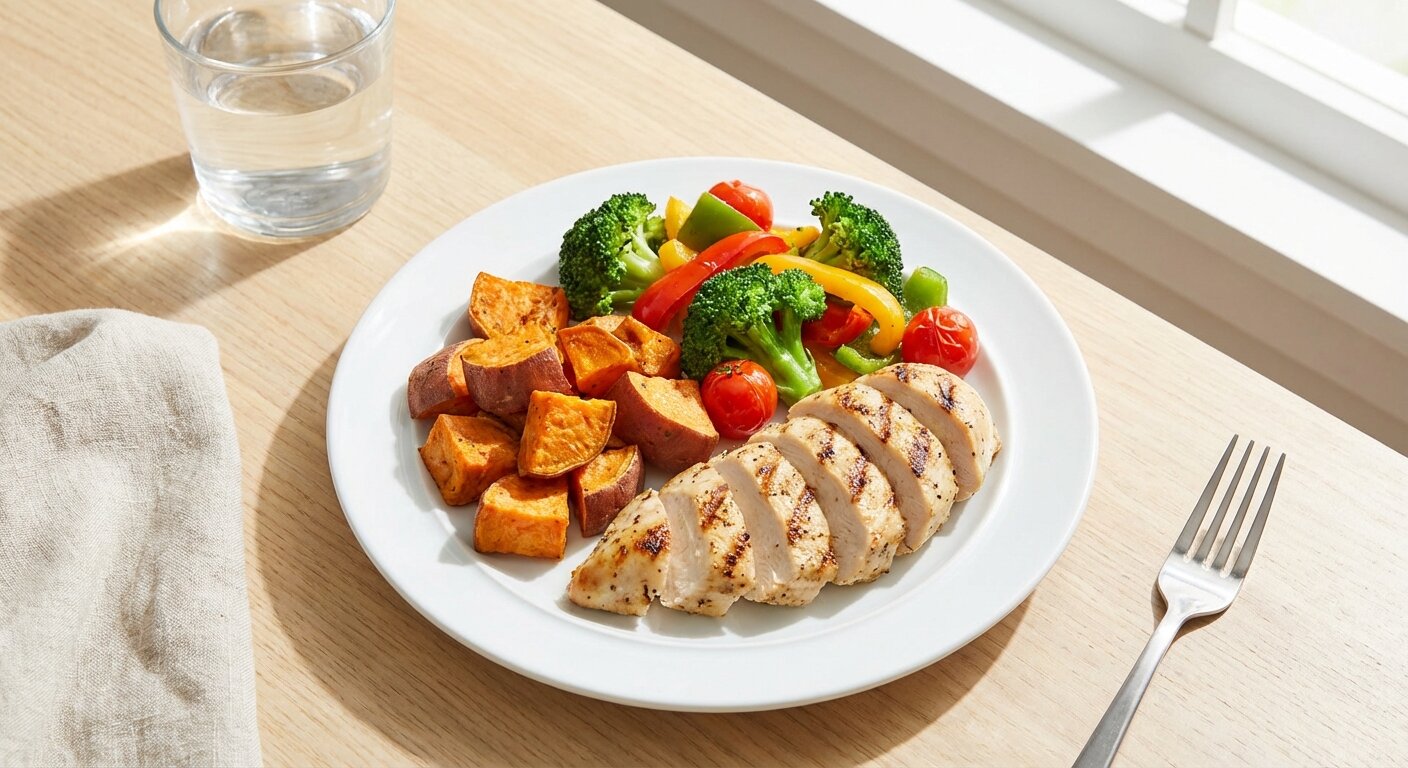
Quick Answer (as of 2026): The optimal post-workout macro ratio is approximately 20-40g protein and 30-60g carbohydrates, with minimal fat (under 10g). This combination maximizes muscle protein synthesis and glycogen replenishment while keeping digestion fast.
Your post-workout nutrition can make or break your training results. Whether you’re building muscle, losing fat, or improving athletic performance, the macronutrients you consume after training directly impact recovery, adaptation, and your next session’s quality.
The truth about post-workout macros is more nuanced than the old “drink a shake within 30 minutes” advice. Your body’s nutrient needs after exercise depend on workout intensity, duration, training goals, and overall daily nutrition strategy. Understanding the science behind recovery nutrition helps you optimize every training session.
Ready to dial in your post-workout nutrition? Use our macro calculator to calculate your personalized targets based on your training volume, goals, and body composition.
Related: Optimize your macros for muscle gain with proper nutrient timing.
Understanding Post Workout Metabolism
Your body undergoes significant metabolic changes during and after exercise. Muscle glycogen stores deplete, muscle protein breakdown increases, and inflammatory processes begin as part of the adaptation response. Post-workout nutrition addresses three primary goals:
Muscle Protein Synthesis: Resistance training creates muscle damage and elevates muscle protein breakdown. Consuming protein post-workout provides amino acids to reverse this breakdown and stimulate muscle protein synthesis, the process of building new muscle tissue.
Glycogen Replenishment: Intense training depletes muscle glycogen, your body’s stored carbohydrate fuel. Replenishing these stores through carbohydrate intake ensures you’re ready for your next training session and supports optimal performance.
Inflammation Management: Exercise creates beneficial inflammation as part of the adaptation process. While you don’t want to completely blunt this response, proper nutrition helps manage excessive inflammation that could impair recovery.
The metabolic window—the period of heightened nutrient sensitivity after training—is real but longer than previously believed. Research shows that protein synthesis remains elevated for 24-48 hours post-workout, though nutrient timing still offers advantages for optimizing this process.
Optimal Post Workout Protein Intake
Protein is the cornerstone of post-workout nutrition. After resistance training, your muscles are primed to absorb and utilize amino acids for repair and growth. The optimal dose balances maximum muscle protein synthesis against practical considerations.
How Much Protein You Need
Research consistently shows that 20-40 grams of high-quality protein maximizes muscle protein synthesis for most individuals. This range provides sufficient essential amino acids, particularly leucine, to fully stimulate the anabolic response.
Larger individuals or those doing extensive training volume may benefit from the higher end of this range (35-40g), while smaller individuals or those doing moderate training can optimize recovery with 20-25g. More protein beyond 40g doesn’t increase muscle protein synthesis further but also doesn’t harm recovery.
Best Protein Sources Post-Workout
Fast-digesting protein sources are ideal immediately post-workout because they deliver amino acids to muscles quickly. The best options include:
Whey Protein: The gold standard for post-workout nutrition. Whey digests rapidly, has an excellent amino acid profile, and is highly bioavailable. One scoop typically provides 20-25g protein. Learn more in our whey vs plant protein comparison.
Lean Poultry: Chicken or turkey breast provides 25-30g protein per 4oz serving with minimal fat. While slightly slower-digesting than whey, whole food protein is highly effective. Check out our guide on high-protein foods.
Eggs: Whole eggs or egg whites offer complete protein. Three whole eggs provide approximately 18g protein, while 6 egg whites deliver about 24g with minimal fat.
Greek Yogurt: Non-fat Greek yogurt offers 20g protein per cup with the added benefit of some carbohydrates. The combination of fast-digesting whey and slow-digesting casein makes it uniquely effective.
Fish: Lean fish like tilapia or cod provides 20-25g protein per 4oz serving and digests quickly due to low fat content.
Protein Timing Considerations
While the anabolic window is longer than the 30-minute myth suggests, consuming protein within 30-120 minutes post-workout optimizes the recovery process. If your training session was fasted or early morning, prioritize the earlier end of this window. If you ate a protein-rich meal 2-3 hours pre-workout, you have more flexibility.
For those training multiple times per day or doing two-a-days, protein timing becomes more critical. Consuming protein immediately after the first session ensures you’re recovered for the second workout.
Post Workout Carbohydrate Strategy
Carbohydrates play a crucial but often misunderstood role in post-workout nutrition. Their primary function is replenishing muscle glycogen depleted during training, ensuring you’re recovered for subsequent sessions.
How Many Carbs You Need
The optimal post-workout carbohydrate intake depends heavily on training intensity, duration, and your goals:
High-Intensity Training (HIIT, CrossFit, Sprints): These glycolytic workouts deplete significant glycogen. Aim for 40-60g carbohydrates post-workout to maximize replenishment.
Moderate Resistance Training: Traditional bodybuilding or powerlifting workouts deplete moderate glycogen. Target 30-50g carbohydrates unless you’re training multiple muscle groups intensively.
Low-Intensity Cardio: Easy runs, walks, or light cycling don’t significantly deplete glycogen. 20-30g carbohydrates or even just protein may suffice.
Fat Loss Focus: Those cutting weight should still include carbs post-workout but may reduce intake to 20-40g depending on training intensity. The key is preserving performance while maintaining a caloric deficit. See our macros for cutting guide for complete fat loss nutrition strategies.
Best Carbohydrate Sources Post-Workout
Fast-digesting, high-glycemic carbohydrates are ideal post-workout because they rapidly restore glycogen without causing digestive distress. Top choices include:
White Rice: One of the best post-workout carb sources. Easy to digest, glycemic, and provides 45g carbs per cup cooked. Pairs perfectly with lean protein.
Potatoes: White or sweet potatoes offer 30-40g carbs per medium potato with excellent micronutrient profiles. Highly satiating and versatile.
Rice Cakes: Ultra-convenient, each cake provides 7-8g fast-digesting carbs. Stack 4-5 with nut butter or protein spread for a complete recovery snack.
Bananas: Medium bananas provide 27g carbs with natural sugars that digest quickly. Portable and convenient for gym-bag recovery.
White Bread or Bagels: Though often demonized, white bread products offer fast carbs without fiber that might slow digestion. One bagel provides 45-50g carbs.
Dried Fruit: Dates, raisins, or dried mango concentrate carbohydrates in small servings. 1/4 cup typically provides 25-30g quick carbs.
Gummy Bears: Yes, really. Simple sugars digest immediately. 15-20 gummy bears deliver 30-35g pure glucose for rapid glycogen restoration.
Carb Timing and Frequency
The body’s glycogen synthesis rate is highest immediately post-workout, making the first 30-60 minutes optimal for carbohydrate consumption. However, glycogen synthesis continues for 24 hours, so total daily carb intake matters more than precise timing for recreational athletes.
Athletes training multiple times daily should consume carbs immediately after the first session to ensure readiness for the second workout. Those training once daily have more flexibility but still benefit from prioritizing post-workout carb intake.
The Role of Fat in Post Workout Nutrition
Fat is the least important macronutrient in the immediate post-workout window, though it still plays a role in overall recovery and hormone production.
How Much Fat Post-Workout
Keep post-workout fat intake below 10 grams when possible. Fat slows gastric emptying and nutrient absorption, which could delay the delivery of protein and carbohydrates to muscles when timing is most critical.
This doesn’t mean fat is harmful post-workout—it’s just less beneficial than protein and carbs in this specific window. Save higher-fat foods for meals 3-4 hours removed from training.
When Fat Matters Post-Workout
Some situations make post-workout fat more acceptable or even beneficial:
Whole Food Meals: If you’re eating whole foods rather than supplements, moderate fat is unavoidable and acceptable. The 6g fat in 4oz chicken breast won’t significantly impair recovery.
Keto Athletes: Those following very low-carb diets may prioritize fat post-workout since they’re not glycogen-dependent. However, even keto athletes can benefit from targeted carb intake around training. Learn more about keto macros.
Omega-3 Intake: While not necessary immediately post-workout, consuming omega-3 fats from fish oil or fatty fish later in the day supports inflammation management and overall recovery.
Convenience: Sometimes a convenient option with moderate fat (whole eggs, protein bars) is better than skipping post-workout nutrition entirely.
Complete Post Workout Meal Examples
Putting theory into practice, here are complete post-workout meals balanced for optimal recovery across different preferences and situations:
High-Performance Muscle Building (40g protein, 60g carbs, 5g fat)
- 6oz grilled chicken breast (40g protein, 0g carbs, 3g fat)
- 1.5 cups white rice (60g carbs, 2g fat)
- Steamed broccoli with spray oil
- Total: 450 calories
Convenient Shake Option (30g protein, 50g carbs, 3g fat)
- 1 scoop whey protein (25g protein, 2g carbs, 1g fat)
- 1 large banana (30g carbs)
- 1 cup skim milk (8g protein, 12g carbs, 0g fat)
- Ice and water to blend
- Total: 325 calories
Budget-Friendly Recovery (25g protein, 45g carbs, 8g fat)
- 3 whole eggs scrambled (18g protein, 15g fat—higher fat acceptable with whole foods)
- 2 slices white toast (30g carbs, 2g fat)
- 1/2 cup egg whites (additional 13g protein)
- Adjust: Actually replace whole eggs with 1 cup egg whites (25g protein, 0g fat) + 3 egg whites
- Corrected meal: 1 cup egg whites + 2 slices toast + 1 banana
- Total: 350 calories, 25g protein, 60g carbs, 2g fat
Vegetarian/Vegan Option (28g protein, 55g carbs, 6g fat)
- 1 cup non-fat Greek yogurt (20g protein, 12g carbs, 0g fat)
- 1 scoop plant-based protein powder (20g protein, 3g carbs, 2g fat)
- 1 cup mixed berries (20g carbs)
- 1 medium banana (27g carbs)
- Total: 380 calories
Fat Loss Focus (30g protein, 30g carbs, 3g fat)
- 5oz lean ground turkey (30g protein, 0g carbs, 3g fat—use 93/7 lean)
- 2/3 cup white rice (30g carbs)
- Vegetables unlimited
- Total: 280 calories
Quick Convenience (25g protein, 40g carbs, 8g fat)
- 1 protein bar (20g protein, 25g carbs, 7g fat—choose low-fat option)
- 1 rice cake (7g carbs)
- 1 small apple (15g carbs)
- Total: 310 calories
Post Workout Nutrition by Training Type
Different training modalities create different recovery demands. Optimizing post-workout macros based on your specific workout type maximizes adaptation.
Resistance Training (Bodybuilding/Powerlifting)
Macro Targets: 30-40g protein, 40-50g carbs, under 10g fat
Resistance training creates significant muscle damage and moderately depletes glycogen. Protein is the priority for muscle repair, with carbohydrates supporting glycogen restoration and insulin response that enhances protein uptake.
Sample meals: Chicken and rice, protein shake with oats, Greek yogurt with granola
High-Intensity Interval Training
Macro Targets: 25-35g protein, 50-70g carbs, under 10g fat
HIIT depletes glycogen dramatically while also creating some muscle breakdown. Carbohydrate intake becomes more important than with traditional resistance training.
Sample meals: Turkey sandwich on white bread, protein shake with banana and honey, tuna with white rice
Endurance Training (Running, Cycling)
Macro Targets: 20-30g protein, 60-80g carbs, 10-15g fat
Long-duration cardio depletes massive glycogen stores. While protein needs are moderate, carbohydrate requirements are highest. Some fat is acceptable given lower intensity digestion demands.
Sample meals: Pasta with lean meat sauce, large rice bowl with chicken, bagel with nut butter and protein
CrossFit/Mixed Modal
Macro Targets: 30-40g protein, 50-60g carbs, under 10g fat
CrossFit combines resistance training and high-intensity cardio, requiring both muscle recovery and glycogen restoration. Balance protein and carbs more evenly.
Sample meals: Burrito bowl with rice and chicken, protein pancakes with fruit, eggs with toast and potatoes
Supplements vs Whole Food Post-Workout
The debate between supplemental and whole food post-workout nutrition has practical trade-offs rather than clear winners.
Advantages of Supplements
Speed: Protein shakes digest faster than whole food, delivering amino acids to muscles more quickly when timing is most critical.
Convenience: No preparation, no cleanup. Ideal for those training away from home or with tight schedules.
Precision: Hitting exact macro targets is easier with measured supplement doses versus estimating whole food portions.
Digestibility: Some people experience digestive distress after training. Liquid nutrition sits lighter than solid food.
Advantages of Whole Food
Satiety: Whole food meals provide fullness that powders often can’t match, supporting adherence to overall nutrition plans.
Micronutrients: Vitamins, minerals, fiber, and phytonutrients absent in isolated supplements support overall health and recovery.
Cost: Per-gram protein costs are often lower with whole foods like chicken, eggs, and Greek yogurt versus premium supplements.
Real Food: Some prefer eating actual meals rather than drinking powders. Psychological satisfaction matters for long-term adherence.
The Practical Solution
Most successful athletes use a hybrid approach:
- Protein shake immediately post-workout for rapid amino acid delivery
- Whole food meal 60-90 minutes later for sustained nutrition and satiety
- Supplements when convenient (training away from home, time-crunched)
- Whole foods when possible (training at home, flexible schedule)
The best approach is the one you’ll consistently execute. A whole food meal you actually eat beats a theoretically optimal shake you skip.
Post Workout Macros for Specific Goals
Your training goal should influence post-workout macro composition beyond the general guidelines.
Muscle Gain / Bulking
Targets: 35-40g protein, 50-60g carbs, 10-15g fat
When in a caloric surplus focused on muscle building, you have more flexibility with post-workout nutrition. Higher carb intake supports training performance and the anabolic environment. Slightly more fat is acceptable since overall calorie abundance matters more than precise timing.
Key strategy: Use post-workout as a substantial meal contributing 400-500 calories toward your surplus.
Fat Loss / Cutting
Targets: 30-35g protein, 25-40g carbs, under 10g fat
When cutting, you’re managing a caloric deficit while trying to preserve muscle mass. Post-workout nutrition becomes more critical—it’s one meal you don’t want to skimp on.
Key strategy: Allocate a decent portion of your daily calories to post-workout nutrition, sacrificing elsewhere to maintain the deficit. Don’t go below 25g protein or 20g carbs post-workout even when cutting.
Maintenance / Recomposition
Targets: 30-35g protein, 40-50g carbs, under 10g fat
When eating at maintenance while trying to build muscle and lose fat simultaneously (body recomposition), post-workout nutrition is your most important meal.
Key strategy: Make post-workout your highest-quality meal with whole food protein and clean carbs. This is where nutrient partitioning matters most.
Athletic Performance
Targets: Vary widely based on sport
Athletes training multiple times daily, or in glycogen-demanding sports, should prioritize immediate carbohydrate intake (60-80g) with moderate protein (20-30g). Recovery speed matters more than body composition changes.
Key strategy: Consume some nutrition immediately post-training, then a complete meal 90-120 minutes later.
Common Post Workout Nutrition Mistakes
Avoiding these frequent errors optimizes your recovery and results:
Mistake 1: Skipping Post-Workout Nutrition Entirely
The biggest error is consuming nothing after training. Even if you’re cutting weight or practicing intermittent fasting, post-workout is one window worth prioritizing for at least protein intake.
Fix: Have at minimum a protein shake or Greek yogurt even if you delay carbs or skip a full meal.
Mistake 2: Overemphasizing the “Anabolic Window”
While post-workout nutrition matters, stressing about consuming a shake within exactly 30 minutes is unnecessary. The window is 1-2 hours, and total daily nutrition matters more than precise timing.
Fix: Consume your post-workout meal within 30-120 minutes without anxiety about missing a magical window.
Mistake 3: Too Much Fat Post-Workout
Many convenient post-workout foods (protein bars, whole eggs, nut butter) contain significant fat that slows nutrient absorption when timing matters most.
Fix: Save higher-fat foods for meals 3+ hours from training. Choose lean proteins and low-fat carb sources immediately post-workout.
Mistake 4: Not Enough Carbs (When Applicable)
Protein-obsessed lifters sometimes skip carbs post-workout, thinking pure protein optimizes muscle building. This works poorly for most people, especially those training intensely.
Fix: Include adequate carbs (30-60g depending on training) to replenish glycogen and support the insulin response that enhances protein uptake.
Mistake 5: Liquid-Only Recovery
Relying solely on protein shakes without ever eating whole food meals post-workout can leave you hungry and nutritionally deficient over time.
Fix: Use shakes for convenience but prioritize whole food meals when practical, or follow your shake with a whole food meal 60-90 minutes later.
Mistake 6: Identical Nutrition Regardless of Workout
Treating every workout the same ignores the reality that a 20-minute accessory session and a 90-minute leg day create vastly different recovery demands.
Fix: Scale your post-workout nutrition to match training volume and intensity. Bigger workouts need more nutrition; lighter sessions need less.
The Science of Nutrient Timing
Understanding the research behind post-workout nutrition helps separate evidence-based practice from gym mythology.
Muscle Protein Synthesis Window
Research shows muscle protein synthesis remains elevated for 24-48 hours after resistance training. However, the magnitude of this elevation is highest in the first few hours post-workout, making this window the most responsive to protein intake.
Studies consistently show that consuming protein immediately or within a few hours post-training generates greater muscle protein synthesis than delaying protein intake 3+ hours. The effect is moderate but meaningful over weeks and months of training.
Glycogen Synthesis Rates
Muscle glycogen synthesis occurs most rapidly in the first 30-60 minutes post-exercise, with rates declining gradually over the subsequent 24 hours. Consuming carbohydrates immediately post-workout results in approximately 50% faster glycogen restoration compared to delaying carb intake by 2 hours.
For athletes training once daily, this difference may not matter—you have 24 hours to fully restore glycogen. For those training twice daily or doing high-frequency training, immediate post-workout carbs become more critical.
The Insulin Response
Consuming protein and carbohydrates together post-workout creates an insulin response that enhances amino acid uptake into muscles beyond protein alone. This is one reason why combining protein and carbs is superior to consuming protein in isolation post-workout.
The insulin response from carbs also inhibits muscle protein breakdown, creating a more anabolic environment overall. This effect is meaningful even when cutting weight, as preserving muscle mass is the priority.
Total Daily Intake vs Timing
While post-workout nutrition offers benefits, research consistently shows that total daily protein and calorie intake matters far more than precise nutrient timing for long-term muscle gain and body composition.
A 2013 meta-analysis found that when total daily protein was equated, the additional benefit of protein timing was small—approximately 2-3% improvement in outcomes. This means getting your total daily nutrition right is the foundation; post-workout timing is the optimization on top.
Frequently Asked Questions
What are the best post workout macros?
The optimal post-workout macro ratio is approximately 20-40g protein and 30-60g carbohydrates, with minimal fat (under 10g). This combination maximizes muscle protein synthesis and glycogen replenishment while keeping digestion fast.
The exact amounts depend on your body size, training intensity, and goals. Larger individuals doing intense training need the higher end of these ranges (40g protein, 60g carbs), while smaller individuals or those doing lighter workouts can optimize recovery with 20-25g protein and 30-40g carbs.
Protein provides the amino acids necessary for muscle repair and growth, while carbohydrates replenish glycogen stores depleted during training. Keeping fat low ensures rapid nutrient absorption when your muscles are most receptive.
For muscle gain, you might increase carbs to 50-60g to support an anabolic environment. For fat loss, you can reduce carbs to 25-40g while maintaining protein at 30-35g to preserve muscle mass in a caloric deficit. The key is matching your post-workout nutrition to your training demands and overall nutrition strategy.
How soon after a workout should I eat?
Aim to consume your post-workout meal within 30-120 minutes after training. While the “anabolic window” is longer than previously thought, consuming protein and carbs within two hours optimizes recovery and muscle building.
The sooner you can eat within this window, the better—your muscles are most receptive to nutrients immediately after training when muscle protein synthesis is elevated and glycogen synthesis rates are highest. However, stressing about hitting an exact 30-minute mark is unnecessary.
If you’re training fasted or early in the morning without pre-workout nutrition, prioritize eating closer to the 30-60 minute mark. If you consumed a protein-rich meal 2-3 hours before training, you have more flexibility and can wait 90-120 minutes post-workout without compromising recovery.
For athletes training multiple times per day, immediate post-workout nutrition becomes more critical to ensure you’re recovered for the second session. In this case, consume at least protein and carbs within 30-60 minutes after the first workout.
The practical takeaway: have something ready to consume soon after training, but don’t panic if you can’t eat immediately. Anywhere in the 30-120 minute window captures most of the benefit.
Do I need protein powder after a workout?
Protein powder is convenient but not required. Whole food protein sources like chicken, eggs, or Greek yogurt work equally well. The key is hitting your protein target (20-40g) in a timely manner post-workout.
Protein powder offers several advantages: it digests quickly, delivering amino acids rapidly when timing is most beneficial; it’s convenient with no preparation needed; and it’s precise for hitting exact macro targets. Whey protein in particular is considered the gold standard for post-workout nutrition due to its amino acid profile and digestion speed.
However, whole food proteins offer their own benefits: they provide satiety that shakes often lack; they deliver micronutrients and other compounds absent in isolated supplements; and many people find real food more psychologically satisfying than drinking powders.
The best approach for most people is a hybrid strategy: use protein powder when convenience matters (training away from home, tight schedule, digestive sensitivity after hard workouts), but rely on whole food meals when practical (training at home, flexible schedule). Some athletes drink a shake immediately post-workout, then eat a whole food meal 60-90 minutes later.
If you choose whole foods post-workout, prioritize fast-digesting options like chicken breast, white fish, egg whites, or non-fat Greek yogurt rather than slower-digesting proteins like red meat or full-fat dairy. The goal is delivering amino acids to muscles efficiently.
Should I eat carbs after a workout?
Yes, carbohydrates are crucial post-workout for replenishing glycogen stores depleted during training. Fast-digesting carbs like white rice, potatoes, or fruit are ideal for quick absorption and recovery.
During intense training, your muscles burn through stored glycogen (the body’s stored carbohydrate fuel). Replenishing these stores through post-workout carb intake ensures you’re recovered for your next training session and supports optimal performance over time.
The amount of carbs you need depends on training intensity and volume. High-intensity training like HIIT, CrossFit, or heavy lifting sessions require 40-60g carbs post-workout. Moderate training needs 30-50g, while light sessions may only require 20-30g.
Even when cutting weight and following a low-carb diet, including some carbohydrates post-workout is beneficial. This is the time when your body is most likely to use carbs for glycogen restoration rather than fat storage. You can reduce carbs at other meals while prioritizing post-workout intake.
The exception is very low-carb or ketogenic dieters who are fully fat-adapted. These individuals may skip post-workout carbs entirely, though even keto athletes can benefit from targeted carb intake around training (targeted ketogenic diet approach).
Fast-digesting, high-glycemic carbs are best immediately post-workout: white rice, white potatoes, rice cakes, bananas, bagels, or even simple sugars like gummy bears. Save slower-digesting, higher-fiber carbs like oats, sweet potatoes, or whole grains for meals further from training.
How much fat should I eat after a workout?
Keep post-workout fat intake low (under 10g) as it slows digestion of protein and carbs. Save dietary fats for meals further from your training window to optimize nutrient timing.
Fat is the least time-sensitive macronutrient after training. While protein and carbs have clear benefits in the immediate post-workout window, fat primarily supports hormone production and overall health—functions that aren’t time-dependent.
Dietary fat slows gastric emptying and nutrient absorption. When you consume fat with protein and carbs post-workout, it delays the delivery of amino acids and glucose to your muscles when timing matters most. This doesn’t mean fat is harmful post-workout; it’s just less beneficial than prioritizing protein and carbs in this specific window.
Some fat is acceptable and often unavoidable when eating whole foods. The 3-6g fat in lean chicken breast or the trace fat in non-fat Greek yogurt won’t significantly impair recovery. The goal is avoiding high-fat foods like fatty cuts of meat, nut butters, or full-fat dairy in your immediate post-workout meal.
Save higher-fat foods for meals 3-4 hours removed from training. Your evening meal or breakfast (if you train in the evening) is an ideal time for foods like salmon, avocado, nuts, or eggs cooked in oil.
The exception is athletes following ketogenic diets, where fat is the primary fuel source. Even then, some keto athletes practice targeted carb intake around training while keeping fat lower immediately post-workout.
Do post workout macros matter for weight loss?
Yes, even when cutting weight, post-workout nutrition matters. Prioritize protein to preserve muscle mass and include moderate carbs to support recovery. Adjust total calories based on your deficit, not post-workout timing.
When losing weight, you’re in a caloric deficit that can compromise recovery and muscle preservation. Post-workout nutrition becomes even more critical during a cut because it’s one of the times when your body is most receptive to nutrients and most likely to use them for recovery rather than storage.
Aim for 30-35g protein post-workout to maximize muscle protein synthesis and preserve lean mass during weight loss. Include 25-40g carbohydrates to replenish some glycogen and support the insulin response that enhances protein uptake. Keep fat under 10g to optimize digestion and nutrient timing.
This might be a substantial portion of your daily calories when cutting. That’s okay—allocate more calories to post-workout nutrition and reduce intake at other meals to maintain your overall deficit. Don’t make the mistake of cutting post-workout nutrition just because you’re in a caloric deficit.
The one exception is if you’re doing very low-intensity exercise (like walking) that doesn’t significantly deplete glycogen or create muscle breakdown. In this case, standard meal timing works fine without specific post-workout focus.
Even when practicing intermittent fasting while cutting, consider breaking your fast with your post-workout meal rather than delaying nutrition for hours after training. The recovery benefits typically outweigh any theoretical metabolic advantages of extended fasting post-workout.
What’s the best post workout meal for muscle gain?
An ideal muscle-building post-workout meal contains 30-40g protein, 50-60g carbs, and under 10g fat. Examples include chicken breast with rice and vegetables, or a protein shake with banana and oats.
When bulking, you’re in a caloric surplus focused on maximizing muscle growth. Post-workout is an optimal time to consume a substantial portion of these calories because nutrient partitioning favors muscle tissue when you’re glycogen-depleted and muscle protein synthesis is elevated.
A complete muscle-building post-workout meal might include:
- Protein source: 6-8oz chicken breast, turkey, lean steak, or whey protein shake (30-40g protein)
- Carbohydrate source: 1-1.5 cups white rice, 2 medium potatoes, or 2 cups pasta (50-60g carbs)
- Vegetables: Unlimited—add nutrients without significant calories
- Minimal fat: Keep under 10g in this immediate meal, saving fats for later
An alternative shake-based meal: 1-2 scoops whey protein, 1 large banana, 1 cup oats, 1 cup skim milk blended with ice. This provides similar macros in a convenient, fast-digesting format.
The meal should provide 400-500 calories—a substantial portion of your daily intake but leaving room for 2-3 additional full meals to reach your caloric surplus.
Timing-wise, consume this meal within 30-90 minutes after training, then eat another substantial meal 3-4 hours later to maintain an anabolic environment throughout the day. Spreading protein intake across multiple meals maximizes muscle protein synthesis more effectively than fewer large meals.
Are BCAAs necessary post-workout?
BCAAs (branched-chain amino acids) are generally unnecessary if you’re consuming adequate complete protein post-workout. Whole protein sources contain all essential amino acids including BCAAs, making supplementation redundant for most people.
BCAAs consist of three amino acids: leucine, isoleucine, and valine. Leucine in particular is critical for stimulating muscle protein synthesis. However, you need all essential amino acids present to actually build muscle tissue—leucine is the trigger, but you need the full spectrum of aminos as building blocks.
Whey protein naturally provides approximately 25% BCAAs by weight, meaning a 25g serving of whey delivers about 6g BCAAs. Chicken breast, eggs, and other complete proteins similarly contain abundant BCAAs alongside all other essential aminos. Supplementing additional isolated BCAAs on top of whole protein offers minimal to no additional benefit.
The rare situations where BCAA supplementation might help:
- Training fasted: Consuming 5-10g BCAAs before or during fasted training can reduce muscle breakdown when you won’t eat protein for several hours.
- Very low protein diets: If you’re struggling to consume adequate total daily protein (common in vegan athletes), BCAAs might help minimize muscle loss, though increasing whole protein intake is a better solution.
- Extreme training volume: Athletes training 2-3 times daily might benefit from BCAAs between sessions, though whole protein is still more effective.
For the vast majority of people training once daily and consuming adequate protein post-workout, BCAAs are an expensive supplement providing minimal benefit. Invest in quality whole food protein or whey protein instead.
Final Thoughts on Post Workout Macros
Post-workout nutrition is one of the most powerful tools for optimizing recovery, muscle building, and training adaptation. While the science is clear that nutrient timing offers real benefits, it’s important to maintain perspective: total daily nutrition matters more than any single meal.
The fundamentals of post-workout nutrition are straightforward: consume 20-40g protein to stimulate muscle protein synthesis, 30-60g carbohydrates to replenish glycogen stores, and minimal fat to optimize digestion and absorption. Adjust these targets based on your training intensity, body size, and specific goals.
Whether you choose supplements or whole foods, consume your post-workout meal within 30-120 minutes after training, and consistently execute this strategy, you’ll capture the majority of benefits. The best post-workout nutrition plan is the one you can sustain long-term with foods you enjoy and a schedule you can maintain.
Master your post-workout macros as part of a comprehensive nutrition strategy that includes adequate total daily protein, appropriate calorie intake for your goals, and nutrient-dense whole foods. Post-workout nutrition is the optimization on top of a solid foundation—get the foundation right first, then dial in the details.
Ready to calculate your complete macro targets including ideal post-workout ratios? Use our macro calculator to get personalized recommendations based on your training schedule, goals, and body composition.
Related Articles
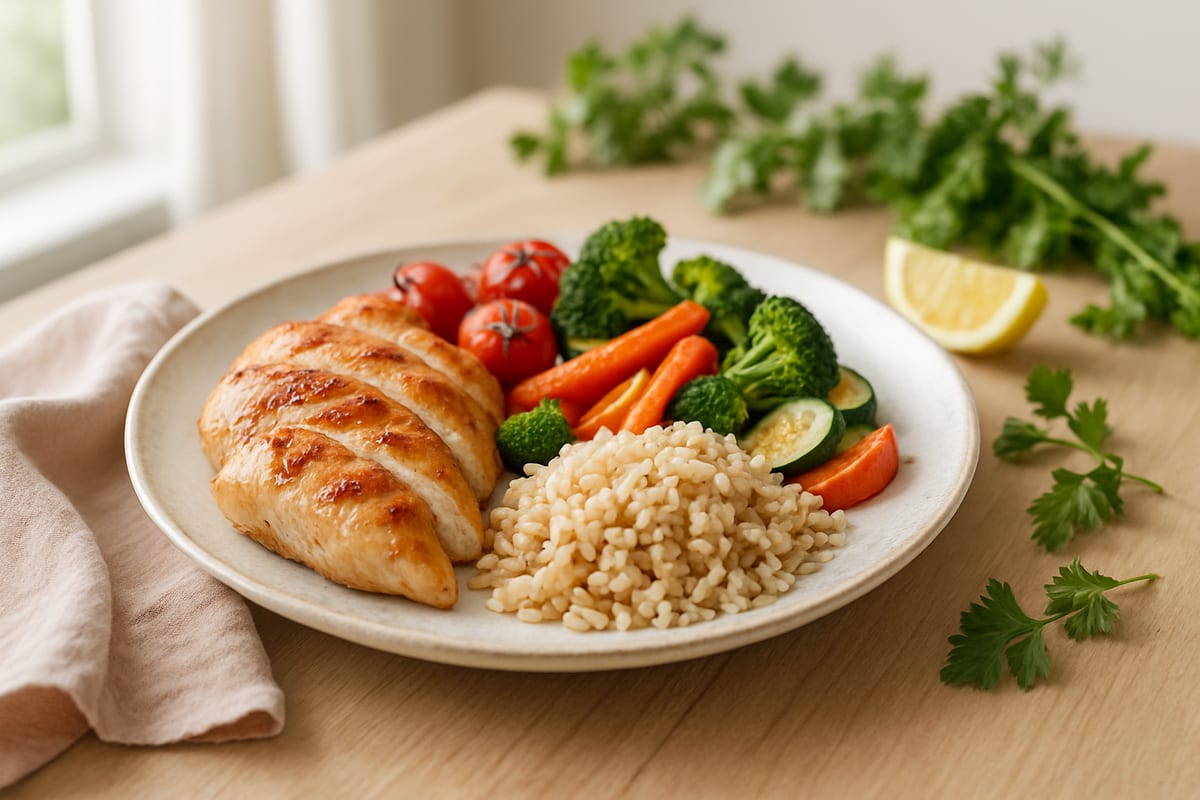
What Should My Macros Be? Find Your Perfect Macro Numbers
Find out exactly what your macros should be based on your weight, goals, and activity...
Read guide →
Macros for 100 lb Man (Maintenance)
If you're 100 lb and aiming for maintenance, your daily macros are 2164 calories, 90g...
Read guide →
Macros for 100 lb Man (Muscle Gain)
If you're 100 lb and aiming for muscle gain, your daily macros are 2414 calories, 110g...
Read guide →Disclaimer: This content is for informational purposes only. Consult a healthcare provider before making changes to your diet.