How Much Protein Do You Need to Build Muscle? Science-Based Guide

Building muscle requires three critical elements: progressive resistance training, adequate recovery, and—most importantly—enough protein to support growth. But how much protein do you actually need? The answer isn’t as simple as “eat more protein”—it depends on your training intensity, body composition, goals, and even your genetics.
In this comprehensive guide, we’ll break down the science of protein for muscle building, give you practical recommendations you can implement today, and debunk common myths that might be holding you back.
The Science: How Protein Builds Muscle
When you lift weights, you create microscopic tears in your muscle fibers. During recovery, your body repairs these tears by fusing muscle fibers together and creating new protein strands called myofibrils. This process—called muscle protein synthesis (MPS)—is what makes your muscles bigger and stronger.
Protein provides the building blocks (amino acids) needed for this repair and growth process.
Without adequate protein, your body can’t build new muscle tissue efficiently, regardless of how hard you train. Research shows that protein intake is the single most important nutritional factor for muscle growth—even more important than total calorie intake in some cases.
The Protein Balance Equation
Your body is constantly breaking down muscle protein (muscle protein breakdown, or MPB) and building it back up (muscle protein synthesis, or MPS). To gain muscle, you need:
MPS > MPB = Net Muscle Gain
Resistance training stimulates MPS, but without enough protein, your body can’t maximize this anabolic response. Studies show that consuming adequate protein can increase MPS by 300-500% in the hours following resistance training.
How Much Protein Do You Need? The Research
The optimal protein intake for muscle building has been studied extensively. Here’s what the research actually shows:
General Population Baseline
The US RDA (Recommended Dietary Allowance) suggests 0.36 grams per pound of body weight (0.8 g/kg) for general health. However, this baseline is designed to prevent deficiency—not optimize muscle growth.
Athletes and Muscle Builders
For individuals engaged in regular resistance training with the goal of building muscle, research consistently points to much higher requirements:
Optimal Range: 0.7 - 1.0 grams per pound of body weight (1.6 - 2.2 g/kg)
Here’s how to dial in your specific needs:
Beginner Lifters (0-1 year training)
- Target: 0.7 - 0.8 g/lb (1.6 - 1.8 g/kg)
- Your body is highly responsive to training stimulus
- Lower protein requirements can still produce excellent results
- Example: 150 lb person = 105-120g protein daily
Intermediate Lifters (1-3 years training)
- Target: 0.8 - 1.0 g/lb (1.8 - 2.2 g/kg)
- Muscle building slows as you advance
- Higher protein helps maximize gains
- Example: 150 lb person = 120-150g protein daily
Advanced Lifters (3+ years training)
- Target: 1.0 g/lb (2.2 g/kg)
- Muscle gains are hardest at this stage
- Maximum protein supports muscle preservation and slow growth
- Example: 150 lb person = 150g protein daily
Cutting vs Bulking: Does It Matter?
YES. Your protein needs change based on your calorie intake:
Bulking (Calorie Surplus)
- Target: 0.7 - 0.8 g/lb
- Extra calories provide protein-sparing effect
- Can get away with lower end of range
- Focus on consistent intake
Cutting (Calorie Deficit)
- Target: 1.0 - 1.2 g/lb
- Higher protein preserves muscle during fat loss
- Protein is more satiating (helps control hunger)
- Critical to prevent muscle loss
Real example: A 180 lb lifter should aim for 126-144g protein while bulking, but 180-216g while cutting.
Body Composition Matters: Use Lean Body Mass
If you’re significantly overweight, calculating protein based on total body weight will massively overestimate your needs. Fat tissue doesn’t require protein for maintenance.
Better approach: Calculate based on lean body mass (LBM)
- Estimate your body fat percentage
- Calculate lean mass: Body weight × (1 - body fat %)
- Apply protein multiplier: LBM × 1.0 - 1.2 g/lb
Example:
- Total weight: 220 lbs
- Body fat: 25%
- Lean mass: 220 × 0.75 = 165 lbs
- Protein target: 165 - 198g (NOT 220g+)
Protein Timing: Does It Matter?
The fitness industry has long debated the “anabolic window”—the idea that you must consume protein immediately after training to maximize gains. Here’s what research actually shows:
Total Daily Intake > Timing
Multiple studies confirm that total daily protein intake matters far more than precise timing. Hitting your daily protein target is 80% of the battle.
That said, timing strategies can optimize results by 10-20%:
Optimal Protein Distribution
Research-backed approach: 4-5 protein-rich meals spaced 3-4 hours apart
Why? Each protein feeding stimulates a spike in muscle protein synthesis lasting 3-5 hours. By spacing protein throughout the day, you maximize the time your body spends in an anabolic state.
Example for 150g daily target:
- Breakfast: 30g
- Lunch: 40g
- Pre-workout snack: 20g
- Post-workout: 40g
- Dinner: 20g
Pre-Sleep Protein
Consuming 20-40g of slow-digesting protein (like casein) before bed can maintain muscle protein synthesis overnight. Studies show pre-sleep protein can increase overnight MPS by 22%.
Post-Workout: Still Important
While not as critical as once thought, consuming protein within 2-3 hours post-workout is beneficial, especially if you train fasted. Aim for 20-40g within a few hours of training.
Protein Quality: Not All Sources Are Equal
The type of protein you consume affects how efficiently your body can use it for muscle building. Two key factors:
1. Complete vs Incomplete Proteins
Complete proteins contain all 9 essential amino acids in adequate amounts:
- Animal sources: chicken, beef, fish, eggs, dairy
- Plant sources: quinoa, soy, buckwheat
Incomplete proteins lack one or more essential amino acids:
- Most plant sources: rice, beans, nuts, wheat
Plant-based lifters: Combine complementary proteins (rice + beans, hummus + pita) to create complete amino acid profiles.
2. Leucine Content
Leucine is the amino acid that most directly triggers muscle protein synthesis. Aim for 2-3g leucine per meal.
High-leucine sources:
- Whey protein: 3g per 30g serving
- Chicken breast: 2.5g per 100g
- Greek yogurt: 2g per cup
- Soybeans: 2g per cup
Lower-leucine sources:
- Rice protein: 1.5g per 30g
- Pea protein: 1.8g per 30g
- Wheat products: 1g per serving
Can You Eat Too Much Protein?
Yes, but it’s harder than you think. Research shows protein intakes up to 1.5g per pound (3.3 g/kg) are safe for healthy individuals. However, there are diminishing returns:
Muscle Building Plateaus
Studies show muscle protein synthesis maxes out around 1.0-1.2g/lb. Eating significantly more doesn’t produce additional muscle growth.
Potential Downsides of Excessive Protein
- Digestive discomfort: Protein is hard to digest in very high amounts
- Reduced diet variety: Crowding out carbs and fats can hurt performance and health
- Expense: High-quality protein is expensive
- Kidney concerns: Not an issue for healthy individuals, but pre-existing kidney disease may worsen
Bottom line: For muscle building, there’s no benefit to exceeding 1.2g/lb. Focus on consistency at optimal levels rather than trying to max out protein intake.
Practical Application: Your Protein Plan
Step 1: Calculate Your Target
Use this formula based on your goal:
Bulking: Body weight (lbs) × 0.8 = Daily protein target (g) Maintaining: Body weight (lbs) × 0.9 = Daily protein target (g) Cutting: Body weight (lbs) × 1.0-1.2 = Daily protein target (g)
If significantly overweight: Use lean body mass instead of total weight.
Step 2: Distribute Across 4-5 Meals
Divide your daily target by 4-5 to find your per-meal target.
Example: 150g daily target
- 4 meals: 37-38g per meal
- 5 meals: 30g per meal
Step 3: Choose Quality Protein Sources
Animal-Based (Complete Proteins):
- Chicken breast: 31g per 100g
- Ground turkey (93% lean): 20g per 100g
- Salmon: 25g per 100g
- Eggs: 6g per egg
- Greek yogurt (plain): 10g per 100g
- Cottage cheese: 11g per 100g
- Lean beef (90% lean): 26g per 100g
Plant-Based (Combine for Complete Profile):
- Tofu (firm): 10g per 100g
- Tempeh: 19g per 100g
- Lentils: 9g per 100g (cooked)
- Chickpeas: 9g per 100g (cooked)
- Quinoa: 4.4g per 100g (cooked)
- Edamame: 11g per 100g
Supplements:
- Whey protein: 24-30g per scoop
- Casein protein: 24g per scoop
- Pea protein: 21-24g per scoop
- Hemp protein: 12-15g per scoop
Step 4: Track and Adjust
Use a food tracking app (MyFitnessPal, Cronometer, MacroFactor) for at least 2-4 weeks to understand your actual intake. Many people significantly underestimate their protein consumption.
Adjust based on results:
- Not gaining muscle after 4-6 weeks? Increase protein by 10-20g
- Gaining too much fat? Reduce overall calories, maintain protein
- Digestive issues? Reduce protein slightly, increase fiber
Sample High-Protein Meal Plans
150g Protein Target (Bulking, 3,000 Calories)
Breakfast (32g protein, 520 calories)
- 3 whole eggs
- 100g oatmeal
- 1 banana
- 1 tbsp almond butter
Mid-Morning Snack (30g protein, 400 calories)
- Protein shake with:
- 1 scoop whey protein
- 1 cup whole milk
- 1 tbsp peanut butter
- Handful of berries
Lunch (42g protein, 700 calories)
- 150g chicken breast
- 200g brown rice
- Mixed vegetables
- 1 tbsp olive oil
Pre-Workout (8g protein, 300 calories)
- 1 apple
- 30g almonds
Post-Workout (35g protein, 600 calories)
- 200g salmon
- 200g sweet potato
- Roasted broccoli
- Side salad with vinaigrette
Dinner (25g protein, 480 calories)
- Greek yogurt bowl:
- 200g Greek yogurt
- Granola
- Mixed berries
- Honey drizzle
Total: 172g protein, 3,000 calories, 375g carbs, 100g fat
180g Protein Target (Cutting, 2,400 Calories)
Breakfast (40g protein, 450 calories)
- 4 egg whites + 2 whole eggs
- 50g oatmeal
- Berries
Snack (30g protein, 200 calories)
- 1 scoop whey protein
- Water or almond milk
Lunch (45g protein, 550 calories)
- 200g chicken breast
- Large mixed salad
- 100g quinoa
- Balsamic vinegar
Pre-Workout (10g protein, 150 calories)
- 1 apple
- 10g almonds
Post-Workout (40g protein, 650 calories)
- 180g lean beef
- 150g brown rice
- Grilled vegetables
Dinner (35g protein, 400 calories)
- 150g white fish
- Steamed broccoli and asparagus
- Small sweet potato
Total: 200g protein, 2,400 calories, 200g carbs, 75g fat
Common Protein Myths Debunked
Myth 1: “More Protein = More Muscle”
Reality: Muscle growth requires training stimulus + adequate protein. Beyond 1.0-1.2g/lb, additional protein doesn’t produce more muscle.
Myth 2: “You Can Only Absorb 30g Per Meal”
Reality: Your body can absorb and utilize much more than 30g in a single meal. This myth confuses absorption (digestion) with muscle protein synthesis maximization. While 30-40g may optimize MPS, larger protein meals are still fully utilized—just for other bodily functions.
Myth 3: “Plant Protein Is Inferior”
Reality: Plant proteins can support muscle growth equally well when consumed in adequate amounts and combined to create complete amino acid profiles. You may need 10-20% more plant protein to achieve the same results due to lower leucine content and digestibility, but it absolutely works.
Myth 4: “Protein Damages Your Kidneys”
Reality: In healthy individuals, high protein intake (up to 1.5g/lb) does not cause kidney damage. However, if you have pre-existing kidney disease, consult a doctor before significantly increasing protein.
Myth 5: “You Must Eat Protein Immediately After Working Out”
Reality: The “anabolic window” is much longer than the fitness industry suggests (3-6 hours). Total daily protein matters far more than precise post-workout timing.
Protein for Special Populations
Older Adults (40+)
Aging reduces muscle protein synthesis efficiency (called “anabolic resistance”). Older adults may benefit from slightly higher protein (1.0-1.2g/lb) even during maintenance.
Women
Women respond to protein similarly to men. Use the same guidelines: 0.7-1.0g/lb for muscle building, adjusted based on training experience and goals.
Vegetarians and Vegans
Plant-based lifters should aim for 10-20% more total protein to account for lower leucine content and digestibility. Combine protein sources throughout the day and consider leucine supplementation (2-3g per meal).
Endurance Athletes
While endurance athletes don’t need as much protein as bodybuilders, they still benefit from 0.6-0.8g/lb to support recovery and prevent muscle loss during high-volume training.
Troubleshooting: Common Protein Problems
”I Can’t Eat Enough Protein”
Solutions:
- Add protein powder to meals (oatmeal, smoothies, pancakes)
- Choose leaner cuts (more protein per calorie)
- Front-load protein at breakfast
- Prep meals in advance
- Use liquid calories (protein shakes)
“I’m Gaining Fat, Not Muscle”
Check:
- Are you in too large a surplus? (Reduce calories by 200-300)
- Is your protein adequate? (May need to increase)
- Are you training with progressive overload?
- Are you sleeping 7-9 hours?
”I’m Not Gaining Muscle”
Check:
- Are you in a calorie surplus? (Even +200 calories helps)
- Are you hitting protein daily? (Track for 1 week)
- Are you training hard enough? (Progressive overload required)
- Are you being patient? (Muscle builds slowly: 2-4 lbs per month for beginners)
“Protein Makes Me Feel Bloated”
Solutions:
- Increase fiber and water intake gradually
- Choose easier-to-digest sources (fish, eggs vs red meat)
- Split protein into smaller, more frequent meals
- Consider digestive enzymes
- Reduce dairy if lactose intolerant
The Bottom Line: Your Protein Blueprint
Building muscle requires a strategic approach to protein intake. Here’s your action plan:
Essential Principles
- Aim for 0.7-1.0g protein per pound of body weight
- Distribute protein across 4-5 meals (25-40g each)
- Prioritize complete protein sources (or combine plants strategically)
- Track intake for 2-4 weeks to ensure you’re hitting targets
- Adjust based on results (strength gains, muscle growth, body composition)
Progressive Implementation
Week 1: Calculate your target and track current intake Week 2: Adjust meals to hit daily target consistently Week 3: Optimize timing (4-5 meals, pre-sleep protein) Week 4: Evaluate results and fine-tune
Success Metrics
After 4-6 weeks of consistent protein intake and training:
- Strength increases: Lifting heavier weights
- Visual changes: Muscles look fuller, more defined
- Body composition: Gaining 2-4 lbs per month (beginners)
- Recovery: Feeling less sore, recovering faster
Remember: Protein is necessary but not sufficient for muscle growth. Combine adequate protein with:
- Progressive resistance training (3-5x per week)
- Sufficient calories (slight surplus for bulking)
- Quality sleep (7-9 hours)
- Patience and consistency
Calculate your personalized macro targets with our free macro calculator and start building the muscle you’ve been working for.
FAQ
How much protein do I need per day to build muscle?
For optimal muscle growth, aim for 0.7-1.0 grams of protein per pound of body weight. Beginners can start at the lower end (0.7g/lb), while advanced lifters may benefit from the higher end (1.0g/lb). A 150-pound person should consume 105-150g protein daily, distributed across 4-5 meals throughout the day.
Can I build muscle with 100g of protein per day?
Yes, if you weigh around 125-140 pounds. The key is hitting 0.7-1.0g per pound of body weight. A 150-pound person eating 100g protein daily would only consume 0.67g/lb—likely suboptimal for muscle building. However, beginners and those in a calorie surplus can still make progress at slightly lower intakes.
Is 200g of protein too much for muscle gain?
For most people, yes. Research shows muscle protein synthesis plateaus around 1.0-1.2g per pound. Unless you weigh 180+ pounds, 200g protein likely exceeds optimal levels. While not harmful for healthy individuals, excess protein provides no additional muscle-building benefit and may reduce diet variety and increase costs.
Do I need more protein when cutting?
Yes. During a calorie deficit, increase protein intake to 1.0-1.2g per pound to preserve muscle mass while losing fat. Higher protein is more satiating (controls hunger), supports recovery despite reduced calories, and provides a “safety buffer” against muscle loss. A cutting 150-pound person should target 150-180g protein daily.
What’s the best protein source for muscle building?
Complete proteins containing all essential amino acids are optimal: chicken breast (31g per 100g), salmon (25g per 100g), eggs (6g each), Greek yogurt (10g per 100g), and lean beef (26g per 100g). Plant-based lifters should combine sources like rice + beans or quinoa + tofu to create complete amino acid profiles and consume 10-20% more total protein.
Does protein timing matter for muscle growth?
Total daily protein intake matters most, but timing can optimize results by 10-20%. Distribute protein across 4-5 meals spaced 3-4 hours apart to maximize muscle protein synthesis throughout the day. Consuming 20-40g protein within 2-3 hours post-workout and before bed (slow-digesting protein like casein) can enhance recovery and overnight muscle building.
Can I build muscle on a vegan diet?
Absolutely. Plant-based lifters can build muscle equally well by consuming adequate total protein (10-20% more than animal-based eaters), combining complementary proteins (rice + beans, hummus + whole grains), and ensuring sufficient leucine intake (2-3g per meal). Focus on high-protein plant sources like tofu, tempeh, lentils, quinoa, and plant-based protein powders.
How do I know if I’m eating enough protein?
Track your intake using an app like MyFitnessPal for 1-2 weeks to see your actual consumption. Signs you’re eating enough: consistent strength increases, muscle fullness, good recovery between workouts, and steady muscle gain (2-4 lbs monthly for beginners). If progress stalls after 4-6 weeks despite consistent training, increase protein by 10-20g daily and reassess.
Next Steps
Ready to optimize your muscle-building nutrition? Check out our comprehensive macros for muscle gain guide for complete protocols on protein, carbs, fats, meal timing, and bulking strategies. For personalized macro targets, use our free macro calculator.
Related Articles
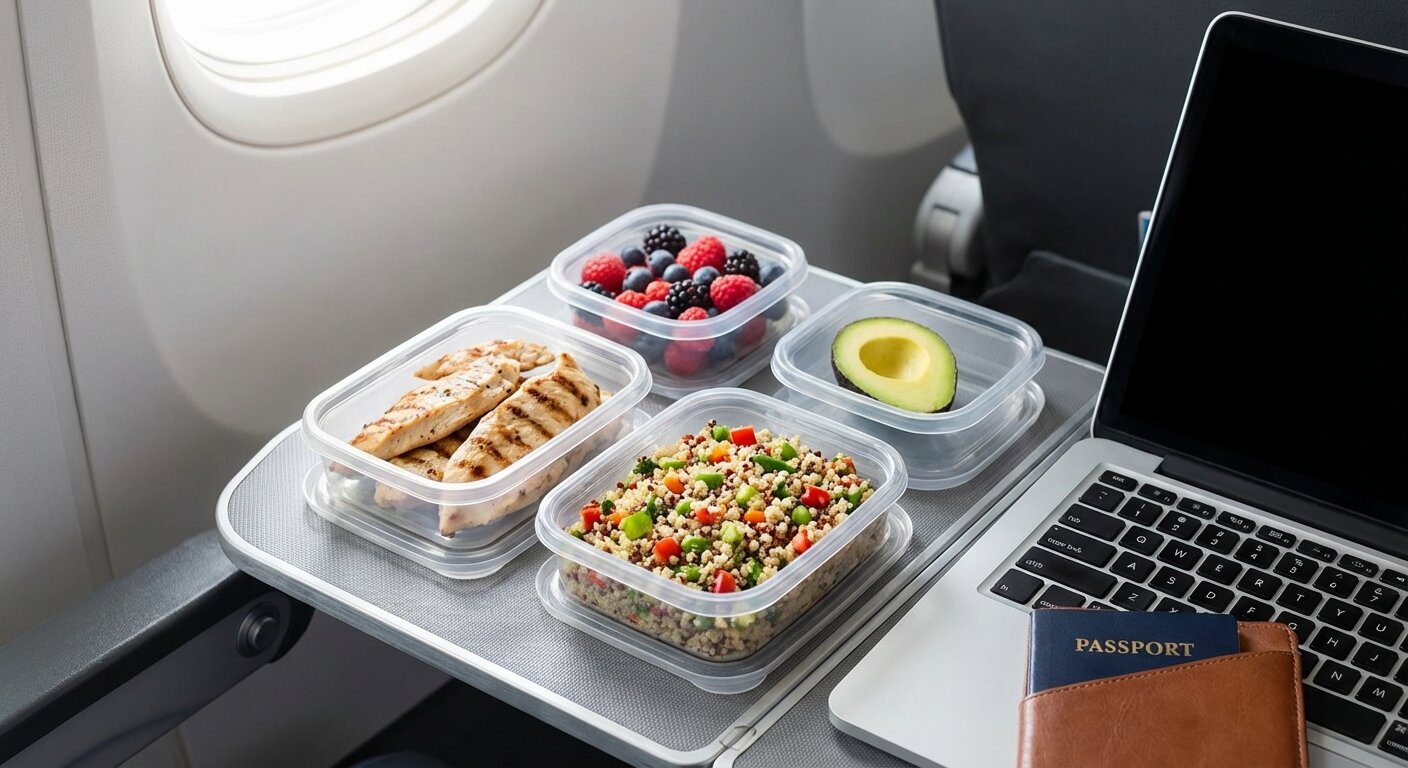
Travel Macros: How to Track Nutrition While Traveling
Complete guide to managing macros while traveling. Learn meal planning strategies,...
Read guide →
Macros for Shift Workers: Complete Guide to Nutrition on Rotating Schedules
Master macro tracking on night shifts and rotating schedules. Learn meal timing, sleep...
Read guide →
Macros During Ramadan: Complete Nutrition Guide for Fasting
Learn how to track macros during Ramadan fasting. Expert guide covering meal timing,...
Read guide →Disclaimer: This content is for informational purposes only. Consult a healthcare provider before making changes to your diet.