Vegan Macro Guide: Plant-Based Protein & Nutrition
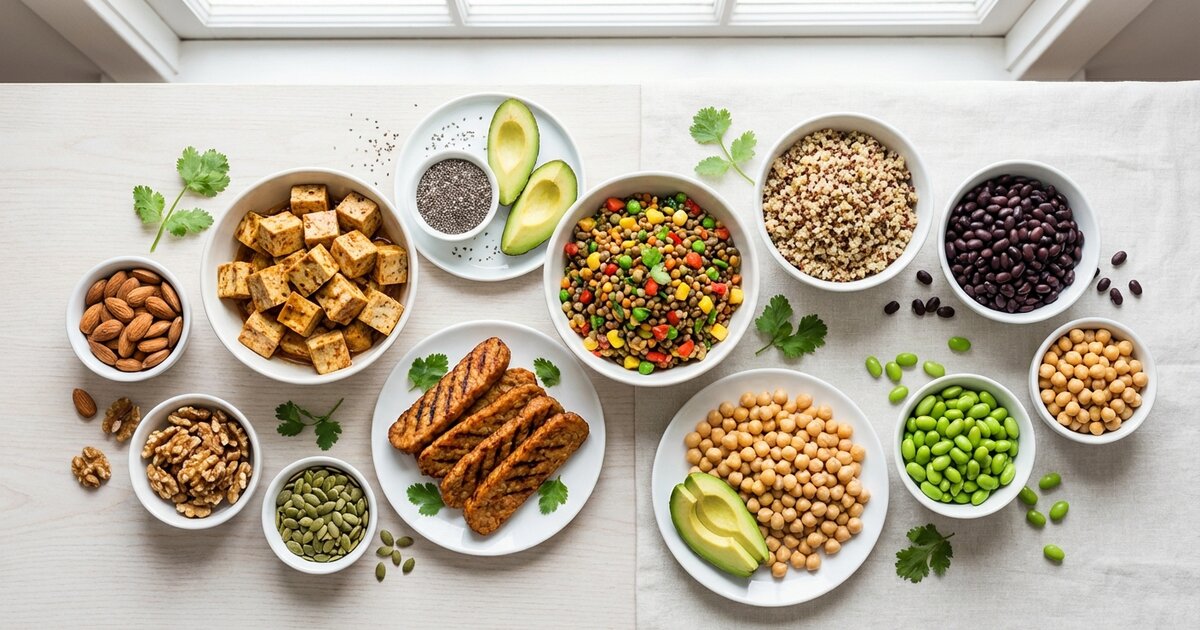
Following a vegan diet doesn’t mean you can’t hit your macro targets—whether you’re trying to lose fat, build muscle, or maintain your weight. But let’s be honest: getting enough protein on a plant-based diet requires more planning than simply swapping chicken for tofu.
This guide will show you exactly how to calculate your vegan macros, which plant-based foods pack the most protein, and how to structure your meals to hit your targets every single day. No guesswork, no protein anxiety—just a clear roadmap for vegan macro success.
Understanding Vegan Macronutrients
The three macronutrients—protein, carbohydrates, and fats—work exactly the same whether you’re vegan or not. Your body doesn’t care if your protein comes from chicken or chickpeas. What matters is getting the right amounts for your goals.
The core macro framework:
- Protein: 0.8-1.2g per pound of body weight (higher for muscle building)
- Fats: 20-30% of total calories (essential for hormone production)
- Carbohydrates: Fill the remaining calories (your primary energy source)
The vegan difference isn’t in how much you need—it’s in where you get it from.
The Vegan Protein Challenge (And Why It’s Overblown)
Here’s what you’ve probably heard: “It’s impossible to get enough protein on a vegan diet.”
Here’s the reality: It’s absolutely possible, but it requires intentionality. Animal proteins are “complete” (contain all 9 essential amino acids) and dense (20-30g protein per serving). Most plant proteins are “incomplete” and less dense (10-15g protein per serving).
What this means practically:
- You’ll eat larger volumes of food to hit protein targets
- You’ll need to combine different protein sources throughout the day
- You’ll likely rely on some concentrated protein sources (tofu, tempeh, seitan, protein powder)
But none of this is a dealbreaker. Vegan bodybuilders, athletes, and everyday people hit their protein targets every single day.
How to Calculate Vegan Macros: Step-by-Step
Your macro targets depend on your goal, not your dietary preference. Here’s how to set them up for a plant-based diet:
Step 1: Calculate Your TDEE (Total Daily Energy Expenditure)
Use the Mifflin-St Jeor equation to find your baseline:
For men: TDEE = (10 × weight in kg) + (6.25 × height in cm) - (5 × age) + 5 × activity multiplier
For women: TDEE = (10 × weight in kg) + (6.25 × height in cm) - (5 × age) - 161 × activity multiplier
Activity multipliers:
- Sedentary (little/no exercise): 1.2
- Light activity (1-3 days/week): 1.375
- Moderate activity (3-5 days/week): 1.55
- Very active (6-7 days/week): 1.725
- Extremely active (athlete): 1.9
Example: 140lb (63.5kg) woman, 5’6” (168cm), 30 years old, moderate activity
- BMR: (10 × 63.5) + (6.25 × 168) - (5 × 30) - 161 = 1,374 calories
- TDEE: 1,374 × 1.55 = 2,130 calories
Step 2: Adjust Calories for Your Goal
Fat loss: TDEE - 300 to 500 calories (start conservative) Muscle gain: TDEE + 200 to 300 calories (clean bulk) Maintenance/recomp: TDEE (no change)
Continuing our example for fat loss: 2,130 - 400 = 1,730 calories
Step 3: Set Your Protein Target
For vegan athletes and active individuals, aim higher on the protein spectrum to account for slightly lower bioavailability of plant proteins.
Protein targets:
- Fat loss: 1.0-1.2g per lb body weight
- Muscle gain: 0.8-1.0g per lb body weight
- Maintenance: 0.7-0.9g per lb body weight
Example calculation (140lb woman, fat loss): 140lb × 1.1g = 154g protein per day 154g × 4 calories/gram = 616 calories from protein
Step 4: Set Your Fat Target
Don’t go too low on fat—it’s essential for hormone production, vitamin absorption, and satiety. Aim for 20-30% of total calories.
Example calculation: 1,730 calories × 0.25 (25%) = 433 calories from fat 433 ÷ 9 calories/gram = 48g fat per day
Step 5: Fill Remaining Calories with Carbs
Carbs are your body’s preferred energy source and plentiful in plant-based diets.
Example calculation: 1,730 total calories - 616 protein calories - 433 fat calories = 681 calories from carbs 681 ÷ 4 calories/gram = 170g carbs per day
Final vegan macro split (140lb woman, fat loss):
- Protein: 154g (36%)
- Fat: 48g (25%)
- Carbs: 170g (39%)
- Total: 1,730 calories
The Best Vegan Protein Sources (Ranked by Efficiency)
Not all plant proteins are created equal. Here are the highest-protein plant foods ranked by protein density (protein per calorie):
Tier 1: Protein Powerhouses (20g+ per serving)
Seitan (wheat gluten)
- Protein: 25g per 3.5oz
- Calories: 120
- Why it wins: Highest protein density of any plant food
- Watch out: Contains gluten, low in lysine (pair with legumes)
Tempeh
- Protein: 20g per 3.5oz
- Calories: 195
- Why it wins: Complete protein, fermented (easier to digest), high fiber
- Bonus: Good source of probiotics
Tofu (extra-firm)
- Protein: 18g per 3.5oz
- Calories: 145
- Why it wins: Complete protein, versatile, budget-friendly
- Tip: Press it well for best texture
Edamame
- Protein: 18g per cup
- Calories: 190
- Why it wins: Complete protein, high fiber, convenient snack
Tier 2: Solid Protein Sources (15-20g per serving)
Black beans
- Protein: 15g per cup (cooked)
- Calories: 227
- Carbs: 41g (high fiber)
Lentils
- Protein: 18g per cup (cooked)
- Calories: 230
- Bonus: Cooks fast (15-20 min), no soaking needed
Chickpeas
- Protein: 15g per cup (cooked)
- Calories: 269
- Versatility: Hummus, roasted snacks, curry, salads
Quinoa
- Protein: 8g per cup (cooked)
- Calories: 222
- Why it matters: One of the few plant foods that’s a complete protein
Hemp seeds
- Protein: 10g per 3 tbsp
- Calories: 166
- Bonus: Complete protein, omega-3s, easy to add to anything
Tier 3: Supporting Players (10-15g per serving)
Peanut butter (powdered)
- Protein: 16g per 2 tbsp
- Calories: 90 (vs 190 for regular PB)
- Why powdered: 4x more protein efficient
Nutritional yeast
- Protein: 8g per 2 tbsp
- Calories: 45
- Bonus: B-vitamins, cheesy flavor
Oats
- Protein: 10g per cup (dry)
- Calories: 307
- Carbs: 54g
Whole wheat bread
- Protein: 8g per 2 slices
- Calories: 160
Vegan protein powder (pea, soy, blend)
- Protein: 20-25g per scoop
- Calories: 110-130
- When to use: Quick protein boost, post-workout, protein gaps
Sample Vegan Macro Meal Plans
Here are three complete day examples hitting different macro targets:
Example 1: Vegan Fat Loss (1,730 calories | 154P / 48F / 170C)
Breakfast - Protein Oats (420 cal | 35P / 10F / 48C)
- 1/2 cup oats (cooked)
- 1 scoop vanilla vegan protein powder
- 1 tbsp ground flaxseed
- 1/2 cup blueberries
- 1 tbsp almond butter
Lunch - Buddha Bowl (485 cal | 38P / 12F / 55C)
- 1 cup quinoa (cooked)
- 5oz baked tempeh
- 2 cups mixed greens
- 1/2 avocado
- 2 tbsp tahini dressing
Snack - Hummus & Veggies (190 cal | 8P / 10F / 18C)
- 1/3 cup hummus
- 2 cups raw vegetables (carrots, peppers, cucumber)
Dinner - Seitan Stir-Fry (525 cal | 48P / 12F / 42C)
- 6oz seitan
- 2 cups mixed vegetables (broccoli, bell peppers, snap peas)
- 1 cup brown rice
- 1 tbsp sesame oil
- Low-sodium soy sauce
Evening Snack - Protein Shake (110 cal | 25P / 4F / 7C)
- 1 scoop vegan protein powder
- 1 cup unsweetened almond milk
Daily Total: 1,730 calories | 154g protein | 48g fat | 170g carbs
Example 2: Vegan Muscle Gain (2,500 calories | 175P / 70F / 295C)
Breakfast - Tofu Scramble Power Bowl (620 cal | 42P / 18F / 65C)
- 7oz extra-firm tofu (scrambled)
- 2 slices whole wheat toast
- 1 medium sweet potato (roasted)
- 1/2 avocado
- Nutritional yeast, turmeric, veggies
Snack 1 - Protein Smoothie (380 cal | 30P / 8F / 48C)
- 1 scoop vegan protein powder
- 1 banana
- 2 tbsp peanut butter powder
- 1 cup oat milk
- 1 handful spinach
Lunch - Lentil & Tempeh Bowl (710 cal | 48P / 20F / 82C)
- 1 cup lentils (cooked)
- 4oz tempeh (marinated and grilled)
- 1 cup quinoa
- Mixed vegetables
- 2 tbsp tahini sauce
Snack 2 - Trail Mix (330 cal | 12P / 18F / 32C)
- 1/4 cup mixed nuts
- 1/4 cup pumpkin seeds
- 2 tbsp dried fruit
- 1 tbsp dark chocolate chips
Dinner - High-Protein Pasta (460 cal | 43P / 6F / 68C)
- 3oz chickpea pasta (dry)
- 1/2 cup lentil “meatballs”
- Marinara sauce (low oil)
- Side salad with balsamic
Daily Total: 2,500 calories | 175g protein | 70g fat | 295g carbs
Example 3: Vegan Maintenance (2,100 calories | 140P / 60F / 235C)
Breakfast - Overnight Oats (445 cal | 28P / 14F / 54C)
- 2/3 cup oats (dry)
- 1 scoop vanilla protein powder
- 1 cup unsweetened almond milk
- 1 tbsp chia seeds
- 1/2 cup mixed berries
Lunch - Chickpea “Tuna” Sandwich (515 cal | 32P / 16F / 62C)
- 1 cup mashed chickpeas
- 2 tbsp vegan mayo
- Whole wheat bread (2 slices)
- Lettuce, tomato, cucumber
- Side: 1 apple
Snack - Edamame & Crackers (280 cal | 18P / 10F / 28C)
- 1 cup edamame (shelled)
- 10 whole grain crackers
Dinner - Black Bean Tacos (650 cal | 42P / 16F / 78C)
- 1.5 cups black beans
- 3 corn tortillas
- 1/4 avocado
- Salsa, lettuce, tomatoes
- Side: Mexican rice (1 cup)
Evening Snack - Protein Pudding (210 cal | 20P / 4F | 13C)
- 1/2 scoop chocolate protein powder
- 1/3 cup silken tofu
- 1 tbsp cocoa powder
- Stevia to taste
Daily Total: 2,100 calories | 140g protein | 60g fat | 235g carbs
How to Hit Your Vegan Protein Target Every Day
Getting 100-150g of protein daily on a vegan diet isn’t hard—but it does require structure. Here’s your action plan:
Strategy 1: Include Protein at Every Meal
Don’t try to backload all your protein at dinner. Spread it across 3-4 meals for better muscle protein synthesis and easier digestion.
Minimum protein per meal:
- Breakfast: 25-30g
- Lunch: 30-40g
- Dinner: 35-45g
- Snacks: 10-20g each
Strategy 2: Prioritize Protein-Dense Foods First
Build meals around your protein source, then add carbs and fats.
Start with one of these at each meal:
- Tofu, tempeh, or seitan
- Lentils or beans
- Quinoa
- Edamame
- Vegan protein powder
Strategy 3: Use Protein Powder Strategically
You don’t need powder, but it makes hitting targets much easier. Best uses:
- Morning smoothies (25g protein boost)
- Post-workout shakes (fast absorption)
- Protein oats or overnight oats (add 20-25g)
- “Protein fluff” desserts (whipped protein + frozen fruit)
Recommended brands:
- Orgain Organic Protein (plant blend)
- Vega Sport (pea protein)
- Naked Pea (unflavored, clean ingredients)
- Ghost Vegan (great taste, pea + pumpkin blend)
Strategy 4: Combine Incomplete Proteins
Most plant proteins lack one or more essential amino acids. Combining different sources throughout the day ensures you get all 9.
Classic combinations:
- Rice + beans (lysine from beans, methionine from rice)
- Hummus + whole wheat pita (lysine from chickpeas, methionine from wheat)
- Peanut butter + whole grain bread
- Lentil soup + quinoa
Good news: You don’t need to combine them in the same meal—just throughout the day.
Strategy 5: Track Everything (At Least Initially)
Use an app like MyFitnessPal, Cronometer, or Carbon Diet Coach for 2-4 weeks to learn:
- Which foods have more protein than you thought (edamame, nutritional yeast)
- Which foods have less protein than you thought (most vegetables)
- How to structure your day to hit targets without force-feeding yourself at night
After a few weeks, you’ll develop intuition and can track less frequently.
Vegan Macro Mistakes to Avoid
Mistake 1: Relying Too Heavily on Protein Bars
Vegan protein bars are convenient but expensive and often low in actual protein (8-12g) for the calories (200-250). Use them occasionally, not as primary protein sources.
Better alternatives:
- Roasted chickpeas (more protein per calorie)
- Edamame (convenient, higher protein)
- Homemade energy balls with protein powder
Mistake 2: Under-Eating Fats
Plant-based diets are naturally lower in fat unless you’re intentional about it. Don’t drop below 20% of calories from fat—you need it for hormone production, vitamin absorption (A, D, E, K), and satiety.
Healthy vegan fat sources:
- Nuts and nut butters
- Seeds (hemp, chia, flax, pumpkin)
- Avocado
- Coconut
- Extra virgin olive oil
Mistake 3: Forgetting About Micronutrients
Hitting your macros is important, but vegan diets require extra attention to:
- Vitamin B12: Only found in fortified foods or supplements (MUST supplement)
- Iron: Plant iron (non-heme) is less absorbable; pair with vitamin C
- Omega-3s: Get EPA/DHA from algae supplements (flax only provides ALA)
- Vitamin D: Most people (vegan or not) should supplement
- Zinc: Found in legumes, nuts, seeds; absorption enhanced by fermentation
- Calcium: Fortified plant milks, tofu, leafy greens
Consider tracking in Cronometer occasionally to check micronutrient intake.
Mistake 4: Eating “Vegan” But Not “Nutritious”
Oreos are vegan. French fries are vegan. Soda is vegan. You can absolutely eat a vegan diet and still be malnourished if you live on processed foods.
Focus on whole foods 80% of the time:
- Legumes (beans, lentils, peas)
- Whole grains (quinoa, oats, brown rice)
- Soy products (tofu, tempeh, edamame)
- Nuts and seeds
- Fruits and vegetables
The remaining 20% can be treats, convenience foods, and flexibility.
Mistake 5: Not Eating Enough Total Calories
Plant foods are generally less calorie-dense than animal products. If you’re trying to maintain or build muscle, you might need to eat larger volumes.
Signs you’re under-eating:
- Constant hunger
- Low energy
- Losing weight when you don’t want to
- Poor workout performance
- Difficulty concentrating
Solution: Add calorie-dense foods like nuts, nut butter, avocado, dried fruit, granola, and plant oils.
Vegan Macro Adjustments for Different Goals
For Fat Loss
Priorities:
- Higher protein (1.0-1.2g per lb) to preserve muscle
- Moderate carbs (focus on high-fiber sources)
- Moderate fats (don’t cut below 20%)
Key foods:
- Seitan (highest protein density)
- Tofu and tempeh (versatile, filling)
- Lentils and black beans (fiber + protein)
- Non-starchy vegetables (volume eating)
- Vegan protein powder (efficiency)
Macro ratio example (150lb person):
- Protein: 165g (40%)
- Carbs: 165g (40%)
- Fat: 37g (20%)
- Total: 1,650 calories
For Muscle Gain
Priorities:
- Adequate protein (0.8-1.0g per lb)
- Higher carbs (fuel for training)
- Moderate to higher fats (hormone production)
Key foods:
- Tofu, tempeh, seitan (muscle-building proteins)
- Quinoa, oats, rice (carb sources)
- Sweet potatoes (nutrient-dense carbs)
- Nut butters (calorie-dense)
- Smoothies with protein powder (easy calories)
Macro ratio example (150lb person):
- Protein: 135g (22%)
- Carbs: 370g (60%)
- Fat: 50g (18%)
- Total: 2,500 calories
For Athletic Performance
Priorities:
- Adequate protein (0.7-0.9g per lb)
- High carbs (primary fuel for performance)
- Strategic fat intake (20-25%)
Key foods:
- Oats (pre-workout sustained energy)
- Bananas, dates (quick energy)
- Rice, pasta (carb loading)
- Lentils (protein + carbs)
- Nut butter + fruit (pre-workout)
Macro ratio example (150lb person):
- Protein: 120g (20%)
- Carbs: 360g (60%)
- Fat: 53g (20%)
- Total: 2,400 calories
Vegan Meal Prep for Macro Success
Hitting vegan macros consistently requires preparation. Here’s a simple weekly system:
Sunday Prep (2-3 hours)
Batch cook proteins:
- Bake 2 blocks of marinated tempeh or tofu
- Cook 3-4 cups dried lentils or beans
- Prepare seitan for the week
Batch cook carbs:
- Cook 4-5 cups quinoa or brown rice
- Roast a tray of sweet potatoes
- Prep overnight oats (3-4 servings)
Prep vegetables:
- Chop raw veggies for snacks (carrots, peppers, cucumber)
- Roast a sheet pan of vegetables (broccoli, Brussels sprouts, cauliflower)
- Make a large salad base (lasts 3-4 days in a container)
Make sauces/dressings:
- Tahini sauce (tahini, lemon, garlic, water)
- Peanut sauce (PB powder, soy sauce, lime, sriracha)
- Balsamic vinaigrette
Mix and Match Throughout the Week
With prepped components, you can assemble meals in 5-10 minutes:
Buddha bowl formula:
- 1 cup grain (quinoa, rice)
- 5-7oz protein (tofu, tempeh, lentils)
- 2 cups vegetables (roasted or raw)
- Sauce or dressing
- Optional: nuts, seeds, avocado
Stir-fry formula:
- 1 cup rice or noodles
- 6-8oz protein (tofu, seitan, tempeh)
- 2+ cups mixed vegetables
- Stir-fry sauce
- Sesame seeds or peanuts
Wrap/sandwich formula:
- Whole wheat tortilla or bread
- Protein spread or filling (hummus, chickpea “tuna,” beans)
- Fresh vegetables
- Sauce (tahini, mustard, hot sauce)
Supplements for Vegan Athletes and Macro Trackers
While whole foods should be your foundation, these supplements can help you hit your targets and fill nutritional gaps:
Essential Supplements
1. Vitamin B12 (Mandatory)
- Dosage: 250-500 mcg daily or 2,500 mcg weekly
- Why: Not reliably found in plant foods
- Brands: Garden of Life, Deva, Country Life
2. Vegan Protein Powder (Highly Recommended)
- Types: Pea, soy, rice, hemp, or blends
- When: Post-workout, smoothies, protein gaps
- Brands: Orgain, Vega, Naked, Ghost Vegan
3. Algae-Based Omega-3 (EPA/DHA)
- Dosage: 250-500mg EPA+DHA daily
- Why: Plant foods only provide ALA (poorly converted)
- Brands: Nordic Naturals Algae Omega, Ovega-3
4. Vitamin D3 (Vegan Form)
- Dosage: 1,000-2,000 IU daily (test levels first)
- Why: Hard to get from food, low sun exposure for many
- Brands: Garden of Life, Country Life (lichen-derived D3)
Optional Performance Supplements
5. Creatine Monohydrate
- Dosage: 5g daily
- Why: Vegans typically have lower creatine stores (found mainly in meat)
- Benefit: Improved strength, power, muscle gain
- Brands: Bulk Supplements, Optimum Nutrition (check vegan status)
6. Beta-Alanine
- Dosage: 3-6g daily
- Why: Improves high-intensity performance
- Found in: Meat (vegans have lower levels)
- Brands: Bulk Supplements, NOW Sports
7. Zinc
- Dosage: 10-15mg daily (don’t exceed 40mg)
- Why: Plant foods contain phytates that reduce absorption
- Brands: Garden of Life Vitamin Code Zinc
8. Iron (If Needed)
- Dosage: Based on blood test results
- Why: Non-heme iron (plants) is less absorbable
- Tip: Take with vitamin C, separate from coffee/tea
Tracking Progress: Beyond the Scale
Macros are a tool, not the destination. Track these metrics to ensure your vegan macro approach is working:
Weekly Metrics
Body measurements:
- Waist circumference (most important for fat loss)
- Chest, arms, thighs (for muscle gain)
- Weight (weekly average, not daily obsession)
Performance markers:
- Strength increases (reps, weight lifted)
- Endurance improvements (run times, workout volume)
- Recovery quality (soreness, energy levels)
Adherence:
- Did you hit protein targets 5+ days?
- How many meals were prepped vs improvised?
- Energy levels throughout the day (1-10 scale)
Monthly Check-Ins
Adjust macros if:
- Fat loss stalled for 3+ weeks → reduce calories by 100-200
- Gaining weight too fast on a bulk → reduce surplus by 100-150 calories
- Losing strength in a cut → increase protein or reduce deficit
- Constantly hungry → increase fiber, protein, or total calories slightly
Keep macros the same if:
- Making consistent progress toward your goal
- Energy and performance are good
- Adherence is sustainable (hitting targets 80%+ of the time)
Frequently Asked Questions
Can you build muscle on a vegan diet?
Yes, absolutely. Muscle protein synthesis is driven by sufficient protein intake (0.7-1.0g per lb), progressive overload training, and adequate calories—not by animal products specifically. Vegan bodybuilders and athletes prove this daily.
The key is being intentional about protein distribution (25-40g per meal) and including complete protein sources (soy, quinoa, hemp) or complementary proteins (rice + beans) throughout the day.
How do I get 150g of protein daily as a vegan?
Focus on protein-dense foods: seitan (25g per serving), tempeh (20g), tofu (18g), lentils (18g per cup), and vegan protein powder (20-25g per scoop). Structure each meal around one of these sources, and you’ll hit 30-40g per meal. Add two protein-rich snacks (edamame, hummus, protein shake), and you’re there.
Example day:
- Breakfast: Protein oats (30g)
- Lunch: Tempeh Buddha bowl (38g)
- Snack: Edamame (18g)
- Dinner: Seitan stir-fry (48g)
- Snack: Protein shake (25g)
- Total: 159g protein
Is soy bad for you or your hormones?
No. This is one of the most persistent myths in nutrition. Soy contains phytoestrogens (plant compounds that weakly mimic estrogen), but these do not have the same effects as human estrogen. Multiple studies show that soy does not lower testosterone in men, cause “man boobs,” or negatively affect hormones in women.
In fact, soy is associated with reduced cancer risk, improved heart health, and better bone density. Tofu, tempeh, and edamame are among the best vegan protein sources available.
Do I need to eat complete proteins at every meal?
No. As long as you eat a variety of protein sources throughout the day, your body will get all 9 essential amino acids. The “protein combining” theory (eating specific foods together) has been debunked—your body maintains an amino acid pool and can draw from it as needed.
That said, including complete plant proteins (soy, quinoa, hemp, chia) makes hitting targets easier and ensures optimal amino acid availability for muscle building.
How much does vegan protein powder cost per serving?
Vegan protein powder typically costs $0.80-$1.50 per serving (25-30g protein), making it comparable to or cheaper than most whole food proteins per gram.
Cost comparison (per 25g protein):
- Vegan protein powder: $0.80-$1.50
- Chicken breast: $1.00-$1.50
- Tofu: $0.75-$1.25
- Tempeh: $1.50-$2.00
- Lentils: $0.30-$0.50
- Seitan (homemade): $0.40-$0.80
Lentils and homemade seitan are the most economical options, but protein powder wins for convenience.
Can I lose weight on a vegan diet without tracking macros?
Yes, but tracking dramatically increases your chances of success—especially if you have specific body composition goals. Many people lose weight on vegan diets simply by increasing fiber intake (more filling), eliminating processed meats and dairy, and eating more whole plant foods.
However, if you want to:
- Lose fat while preserving muscle
- Ensure you’re getting enough protein
- Break through a plateau
- Build muscle efficiently
…then tracking macros is the most effective tool available.
What if I’m always hungry on my macro targets?
You have three options:
-
Increase food volume: Choose high-fiber, low-calorie-density foods (non-starchy vegetables, berries, air-popped popcorn, shirataki noodles)
-
Adjust your macros: Increase protein slightly (more satiating) or add 50-100 calories back to your target
-
Check your calorie target: If you’re losing more than 1-1.5 lb per week, you may be in too aggressive a deficit
Hunger is a signal—don’t ignore it completely. A successful diet is one you can sustain.
How do I track mixed dishes like curry or chili?
Use the recipe builder feature in MyFitnessPal or Cronometer:
- Enter all ingredients with exact amounts
- Set the number of servings
- The app calculates macros per serving
- Log one serving each time you eat it
This is especially useful for batch-cooked meals. Create the recipe once, log it easily all week.
Should I adjust my macros on rest days vs training days?
Most people: Keep macros the same every day for simplicity and consistency.
Advanced approach: You can reduce carbs by 20-30% on rest days and increase them on training days (macro cycling). This works well for athletes but isn’t necessary for most people.
Benefits of keeping macros consistent:
- Simpler to follow
- Better adherence
- Easier meal prep
- Still effective for 95% of goals
Final Thoughts: You Can Absolutely Hit Your Macros on a Vegan Diet
The biggest hurdle to vegan macro success isn’t biology—it’s the learning curve. Once you know which foods pack the most protein, how to structure your meals, and what your daily targets are, hitting your macros becomes second nature.
Give yourself 2-4 weeks of tracking to build intuition. Meal prep on Sundays. Keep high-protein snacks on hand. And remember: Progress beats perfection every single time.
Whether you’re vegan for ethics, health, or the environment, you can absolutely build muscle, lose fat, and perform at your best. The macros don’t lie—and neither do the results.
Ready to calculate your personalized vegan macro targets? Use our free macro calculator to get your exact protein, carb, and fat goals in under 2 minutes.
Related Resources
Related Articles
Travel Macros: How to Track Nutrition While Traveling
Complete guide to managing macros while traveling. Learn meal planning strategies,...
Read guide →
Macros for Shift Workers: Complete Guide to Nutrition on Rotating Schedules
Master macro tracking on night shifts and rotating schedules. Learn meal timing, sleep...
Read guide →
Macros During Ramadan: Complete Nutrition Guide for Fasting
Learn how to track macros during Ramadan fasting. Expert guide covering meal timing,...
Read guide →Disclaimer: This content is for informational purposes only. Consult a healthcare provider before making changes to your diet.