Complete Guide
What Are Macronutrients? Complete Guide
Everything you need to know about protein, carbs, and fats — and why getting them right matters for your goals.
Medically reviewed by Dr. Michael Torres, PhD
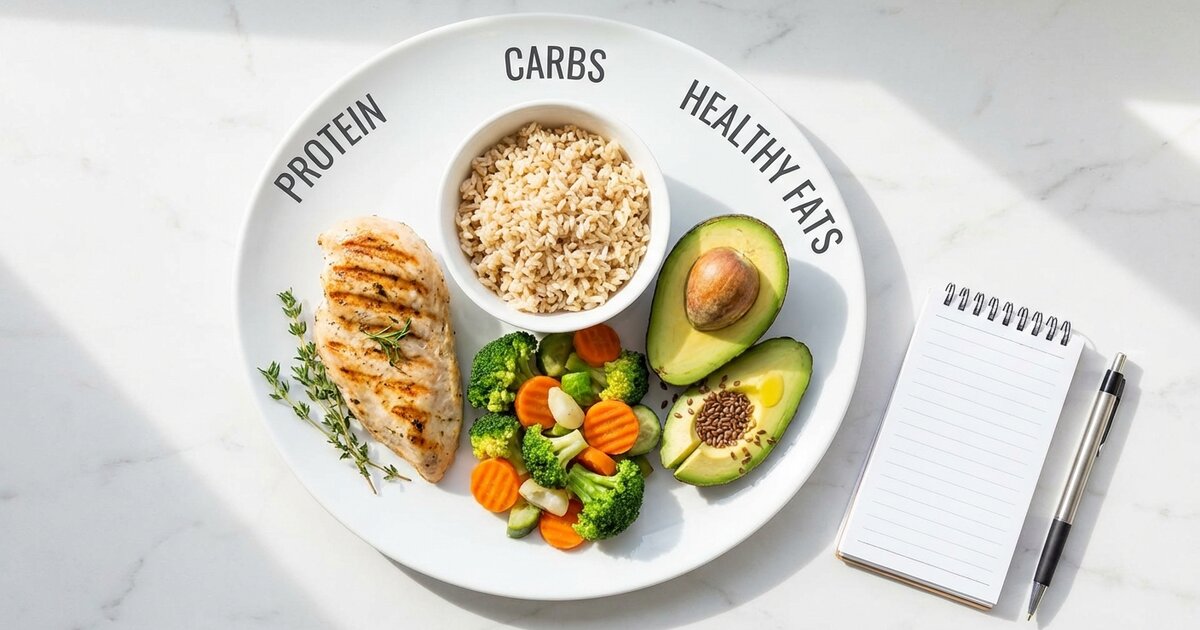
What Are Macronutrients?
Macronutrients (or “macros”) are the three main nutrients your body needs in large amounts: protein, carbohydrates, and fats. The term “macro” comes from the Greek word for “large” — you need these nutrients in grams, compared to micronutrients (vitamins and minerals) which you need in milligrams or micrograms.
Together, macronutrients provide all the calories (energy) your body uses. Every food you eat contains some combination of these three nutrients, and getting the right balance can make the difference between reaching your health goals and spinning your wheels.
Quick Reference — Calories per Gram:
- Protein: 4 calories per gram
- Carbohydrates: 4 calories per gram
- Fats: 9 calories per gram
- Alcohol: 7 calories per gram (not a macronutrient, but worth knowing)
Understanding macros isn’t just for bodybuilders or fitness enthusiasts. Whether you want to lose weight, build muscle, improve athletic performance, or simply eat healthier, knowing how these nutrients work gives you control over your nutrition. Ready to start tracking? Check out our counting macros for beginners guide.
The Science Behind Macronutrients
Each macronutrient serves essential functions in your body. When you eat food, your digestive system breaks down macros into their component parts:
- Proteins → Amino acids (complete protein guide)
- Carbohydrates → Glucose or sugar (carbohydrates explained)
- Fats → Fatty acids and glycerol (healthy fats guide)
Your body then uses these building blocks for energy production, tissue repair, hormone synthesis, and countless other processes. Let’s explore each macronutrient in detail below.
Understanding the difference between macros vs calories is crucial for reaching your goals. New to tracking? Start with our counting macros for beginners guide, then learn how to track your macros effectively.
Protein: The Building Block Macro
Protein is arguably the most important macronutrient for body composition. It’s the only macro that contains nitrogen, which is essential for building and maintaining muscle tissue.
What Protein Does in Your Body
When you eat protein, your digestive system breaks it down into amino acids — the building blocks of every cell in your body. There are 20 amino acids total, and 9 of these are “essential,” meaning your body cannot produce them. You must get them from food.
Key functions of protein:
- Muscle protein synthesis — Building and repairing muscle tissue
- Enzyme production — Proteins catalyze nearly every chemical reaction in your body
- Hormone creation — Many hormones, including insulin, are made from amino acids
- Immune function — Antibodies that fight infection are proteins
- Structural support — Hair, skin, nails, and connective tissue are largely protein
- Transport molecules — Hemoglobin (carries oxygen) is a protein
Why Protein Matters for Your Goals
For fat loss: Protein is your best friend during a calorie deficit. It preserves muscle mass (so you lose fat, not muscle), keeps you feeling full longer, and has the highest thermic effect of any macronutrient — meaning your body burns more calories digesting protein than carbs or fat.
For muscle gain: Without adequate protein, your body cannot build new muscle tissue, no matter how hard you train. Protein provides the raw materials for muscle protein synthesis.
For general health: Even if you’re not focused on body composition, protein supports immune function, healthy aging, bone density, and cognitive function.
How Much Protein Do You Need?
Protein needs vary based on your goals, activity level, and body composition:
| Category | Protein Intake | Notes |
|---|---|---|
| Sedentary adults | 0.36g per pound bodyweight (RDA) | Minimum to prevent deficiency |
| Active adults | 0.7-0.8g per pound bodyweight | Supports moderate exercise |
| Athletes/lifters | 0.8-1g per pound bodyweight | Optimal for muscle growth |
| Cutting (fat loss) | 1-1.2g per pound bodyweight | Preserves muscle in deficit |
| Older adults (65+) | 0.5-0.6g per pound bodyweight | Prevents age-related muscle loss |
Example calculation: A 180-pound person wanting to build muscle would need:
- Minimum: 180 × 0.8 = 144g protein daily
- Optimal: 180 × 1.0 = 180g protein daily
Complete vs. Incomplete Proteins
Complete proteins contain all 9 essential amino acids in adequate amounts. Most animal proteins are complete:
- Meat (beef, chicken, pork, lamb)
- Fish and seafood
- Eggs
- Dairy (milk, cheese, yogurt)
- Soy products (tofu, tempeh, edamame)
- Quinoa
Incomplete proteins are low in one or more essential amino acids. Most plant proteins fall into this category:
- Legumes (beans, lentils, peanuts)
- Grains (rice, oats, wheat)
- Nuts and seeds
- Vegetables
For vegetarians and vegans: Combine different plant proteins throughout the day to get all essential amino acids. You don’t need to combine them at every meal — just eat a variety daily. Learn more in our protein guide.
Best Protein Sources
Lean animal proteins:
- Chicken breast (31g protein per 100g)
- Turkey breast (29g per 100g)
- Egg whites (11g per 100g)
- White fish — cod, tilapia, halibut (20-25g per 100g)
- Shrimp (24g per 100g)
Higher-fat animal proteins:
- Salmon (25g per 100g) — also provides omega-3s
- Chicken thighs (26g per 100g)
- Ground beef (26g per 100g)
- Whole eggs (13g per 100g)
- Steak (various cuts, 25-30g per 100g)
Plant proteins:
- Tofu (8g per 100g)
- Tempeh (19g per 100g)
- Lentils (9g per 100g, cooked)
- Black beans (8g per 100g, cooked)
- Edamame (11g per 100g)
- Greek yogurt (10g per 100g)
Protein supplements:
- Whey protein (~25g per scoop)
- Casein protein (~24g per scoop)
- Plant-based blends (~20-25g per scoop)
For a comprehensive list of protein-rich foods and their exact macro breakdowns, check out our high protein foods guide.
The Thermic Effect of Protein
Your body uses energy to digest food — this is called the thermic effect of food (TEF). Protein has the highest TEF:
| Macronutrient | Thermic Effect |
|---|---|
| Protein | 20-35% of calories |
| Carbohydrates | 5-10% of calories |
| Fat | 0-3% of calories |
This means if you eat 100 calories of protein, your body uses 20-35 calories just to digest it. For carbs, it’s only 5-10 calories, and for fat, it’s negligible.
Practical implication: Eating more protein slightly increases your daily calorie burn, which can help with fat loss over time.
Carbohydrates: Your Body’s Preferred Fuel
Carbohydrates have gotten a bad reputation from low-carb diet trends, but they’re actually your body’s preferred and most efficient energy source — especially for your brain and high-intensity exercise.
What Carbohydrates Do in Your Body
When you eat carbs, your body breaks them down into glucose (blood sugar). Glucose has several fates:
- Immediate energy — Used by cells for fuel
- Glycogen storage — Stored in muscles and liver for later use
- Fat storage — Excess glucose (beyond glycogen capacity) converts to fat
Your brain is particularly dependent on glucose — it uses about 120 grams daily, accounting for 20% of your total energy expenditure despite being only 2% of your body weight.
Types of Carbohydrates
Not all carbs are created equal. Understanding the different types helps you make better choices:
Simple Carbohydrates (Sugars)
- Monosaccharides: Glucose, fructose, galactose
- Disaccharides: Sucrose (table sugar), lactose (milk sugar), maltose
Simple carbs digest quickly, causing rapid spikes in blood sugar. Found in:
- Fruit (contains fiber, which slows absorption)
- Honey and maple syrup
- Table sugar and candy
- Soft drinks and fruit juice
- Some vegetables
Complex Carbohydrates (Starches and Fiber)
Complex carbs are chains of sugar molecules that take longer to break down:
- Starches: Potatoes, rice, oats, bread, pasta
- Fiber: Vegetables, fruits, whole grains, legumes
Complex carbs generally provide more sustained energy and better blood sugar control.
Understanding the Glycemic Index
The Glycemic Index (GI) measures how quickly a food raises blood sugar on a scale of 0-100:
| GI Category | Range | Examples |
|---|---|---|
| Low GI | 55 or less | Lentils, most vegetables, oats, apples |
| Medium GI | 56-69 | Brown rice, banana, sweet potato |
| High GI | 70+ | White bread, white rice, potatoes, watermelon |
Important nuances:
- GI doesn’t account for portion size
- Combining carbs with protein, fat, or fiber lowers the glycemic response
- Individual responses vary based on gut health and insulin sensitivity
- High GI foods aren’t “bad” — they’re useful for post-workout recovery
Fiber: The Unsung Hero
Fiber is a type of carbohydrate your body can’t fully digest. It doesn’t provide significant calories but offers major health benefits:
Soluble fiber (dissolves in water):
- Slows digestion and nutrient absorption
- Helps control blood sugar
- Lowers cholesterol
- Sources: Oats, beans, apples, citrus fruits
Insoluble fiber (doesn’t dissolve):
- Adds bulk to stool
- Promotes regular bowel movements
- Supports gut health
- Sources: Whole grains, vegetables, wheat bran
How much fiber? Aim for 25-38 grams daily (most people get only 15g). Increase gradually to avoid digestive discomfort.
How Many Carbs Do You Need?
Carb needs vary more than any other macronutrient, depending on:
- Activity level and type
- Goals (fat loss vs. muscle gain)
- Personal preference and tolerance
- Metabolic health
| Activity Level | Carb Range | Notes |
|---|---|---|
| Sedentary | 0.5-1.5g per pound | Lower end if insulin resistant |
| Moderately active | 1-2g per pound | General fitness |
| Very active/athlete | 2-3g per pound | High-intensity training |
| Endurance athlete | 3-5g per pound | Marathon, triathlon, etc. |
For fat loss: Many people do well reducing carbs to 0.5-1.5g per pound while keeping protein high. However, this isn’t required — total calories matter most.
For muscle gain: Carbs fuel intense training and support recovery. Most lifters do well with 2-3g per pound. Read more about carbohydrates.
Best Carbohydrate Sources
Starches (energy-dense):
- Rice (white or brown)
- Potatoes and sweet potatoes
- Oats and oatmeal
- Quinoa
- Whole grain bread
- Pasta
Fruits (nutrients + fiber):
- Berries (lowest sugar, highest fiber)
- Apples and pears
- Oranges and citrus
- Bananas (great pre/post workout)
- Melons
Vegetables (low-calorie, high-volume):
- Leafy greens (nearly unlimited)
- Broccoli and cauliflower
- Bell peppers
- Tomatoes
- Zucchini and squash
Legumes (carbs + protein + fiber):
- Black beans
- Lentils
- Chickpeas
- Kidney beans
If you’re following a low-carb approach, check out our comprehensive low carb foods list for keto-friendly options.
Fats: Essential for Health
Dietary fat is crucial for hormone production, brain function, nutrient absorption, and cell structure. Despite decades of “low-fat” messaging, we now know that eating fat doesn’t automatically make you fat — excess calories do.
What Fat Does in Your Body
Fats (technically called lipids) serve numerous essential functions:
- Hormone production — Cholesterol is the precursor for testosterone, estrogen, and cortisol
- Brain health — Your brain is ~60% fat; fatty acids support cognitive function
- Nutrient absorption — Vitamins A, D, E, and K require fat for absorption
- Cell membrane structure — Every cell membrane contains fatty acids
- Energy storage — Fat stores provide concentrated long-term energy
- Insulation and protection — Fat cushions organs and regulates temperature
- Satiety — Fat slows digestion and helps you feel satisfied
Types of Dietary Fat
Understanding fat types helps you optimize your intake:
Saturated Fat
- Solid at room temperature
- Found in: Animal products, coconut oil, palm oil
- Current view: Not as harmful as once thought, but moderate intake is wise
- Recommendation: Keep below 10% of calories
Monounsaturated Fat (MUFAs)
- Liquid at room temperature, semi-solid when cold
- Found in: Olive oil, avocados, nuts, seeds
- Benefits: Heart health, insulin sensitivity
- Recommendation: Should make up a significant portion of fat intake
Polyunsaturated Fat (PUFAs)
- Liquid at room temperature
- Includes Omega-3s (anti-inflammatory) and Omega-6s (pro-inflammatory in excess)
- Found in: Fatty fish, flaxseed, walnuts, vegetable oils
- Recommendation: Prioritize omega-3s; limit processed vegetable oils high in omega-6
Trans Fat
- Artificially created through hydrogenation
- Found in: Some processed foods, fried foods, margarine
- Recommendation: Avoid completely — linked to heart disease and inflammation
The Importance of Omega-3 Fatty Acids
Omega-3s deserve special attention because most people don’t get enough:
Benefits of omega-3s:
- Reduce inflammation
- Support brain health and mood
- Improve heart health
- May enhance muscle protein synthesis
- Support joint health
Best sources:
- Fatty fish (salmon, mackerel, sardines) — 2-3 servings/week
- Fish oil supplements (1-3g EPA+DHA daily)
- Algae oil (vegan alternative)
- Flaxseed and chia seeds (ALA form, less efficiently converted)
How Much Fat Do You Need?
Fat intake has a floor — going too low disrupts hormones and health:
| Category | Fat Intake | Notes |
|---|---|---|
| Minimum | 0.3g per pound bodyweight | Below this risks hormone issues |
| Moderate | 0.35-0.45g per pound | Good for most goals |
| Higher fat | 0.5g+ per pound | Keto, low-carb approaches |
As percentage of calories:
- Most people: 20-35% of calories from fat
- Low-carb dieters: 35-50% of calories from fat
- Ketogenic diet: 70%+ of calories from fat
Example calculation: A 150-pound person needs at minimum:
- 150 × 0.3 = 45g fat daily
- Optimal range: 53-68g fat daily
Learn more about healthy fats and why they matter.
Best Fat Sources
Monounsaturated fats:
- Extra virgin olive oil
- Avocados and avocado oil
- Almonds, cashews, pecans
- Macadamia nuts
Polyunsaturated fats (omega-3 rich):
- Salmon, mackerel, sardines
- Walnuts
- Flaxseed and chia seeds
- Hemp seeds
Saturated fats (in moderation):
- Grass-fed butter
- Coconut oil
- Eggs
- Dark chocolate
Fats to limit:
- Deep-fried foods
- Processed vegetable oils (soybean, corn, cottonseed)
- Anything with “partially hydrogenated” on the label
How the Three Macros Work Together
Understanding how macros interact helps you build better meals and hit your goals more effectively.
The Energy Hierarchy
Your body prefers to use fuel in this order:
- Carbohydrates — Quickest to convert to energy
- Fats — Used during rest and low-intensity activity
- Protein — Last resort; your body prefers to use protein for building
During high-intensity exercise, carbs become the dominant fuel source. During rest or low-intensity activity, fat oxidation increases.
Macros and Insulin
Insulin is a hormone that regulates blood sugar and nutrient storage:
- Carbs trigger the largest insulin response
- Protein triggers a moderate response
- Fat triggers minimal insulin release
Insulin isn’t bad — it’s necessary for muscle growth and nutrient delivery. But chronically elevated insulin (from constant high-carb eating) can lead to insulin resistance over time.
Practical tip: Combine carbs with protein and fat to slow digestion and moderate blood sugar spikes.
Protein-Sparing Effect of Carbs
When you eat adequate carbs, your body uses glucose for energy, “sparing” protein for its building functions. In very low-carb conditions, your body may convert amino acids to glucose (gluconeogenesis), potentially compromising muscle retention.
This is why athletes and those building muscle typically benefit from moderate-to-high carb intake.
How to Balance Your Macros
The “right” macro balance depends on your goals, preferences, and lifestyle. Here are evidence-based starting points:
Macro Ratios by Goal
| Goal | Protein | Carbs | Fats | Key Priority |
|---|---|---|---|---|
| Fat Loss | 30-40% | 25-40% | 25-35% | Keep protein high |
| Maintenance | 25-30% | 35-50% | 25-30% | Balance and sustainability |
| Muscle Gain | 25-30% | 40-55% | 20-25% | Adequate carbs for training |
| Athletic Performance | 20-25% | 50-60% | 20-25% | Fuel workouts |
| Low-Carb/Keto | 20-30% | 5-15% | 55-75% | Fat adaptation |
Step-by-Step: Setting Your Macros
Step 1: Calculate your calories Use a TDEE (Total Daily Energy Expenditure) calculator or our macro calculator.
Step 2: Set protein first Multiply your bodyweight by 0.7-1.0g depending on your activity level and goals.
Step 3: Set fat minimum Multiply your bodyweight by 0.3-0.4g. This ensures hormone health.
Step 4: Fill remaining calories with carbs Subtract protein and fat calories from total, divide by 4.
Example: 170-lb person wanting fat loss at 2,000 calories
- Protein: 170g × 1.0 = 170g (680 calories)
- Fat: 170g × 0.35 = 60g (540 calories)
- Carbs: (2,000 - 680 - 540) ÷ 4 = 195g
Adjusting Your Macros Over Time
Your macros aren’t set in stone. Adjust based on:
- Progress stalling — Reduce total calories by 10%, keeping protein high
- Energy dropping — May need more carbs, especially around workouts
- Always hungry — Increase protein and fiber; consider more fat
- Poor workout performance — Usually means carbs are too low
- Hormonal issues — Fat may be too low (especially for women)
Check out our guide on adjusting macros at a plateau.
Macros vs. Micronutrients: Both Matter
While this guide focuses on macros, don’t neglect micronutrients — the vitamins and minerals your body needs in smaller amounts.
Key Micronutrients to Monitor
| Micronutrient | Function | Common Deficiency Signs |
|---|---|---|
| Vitamin D | Bone health, immunity, mood | Fatigue, depression, frequent illness |
| Iron | Oxygen transport, energy | Fatigue, weakness, pale skin |
| Magnesium | Muscle function, sleep, 300+ enzymes | Cramps, poor sleep, anxiety |
| Zinc | Immune function, testosterone | Slow healing, low testosterone |
| B Vitamins | Energy metabolism, nerve function | Fatigue, brain fog |
| Omega-3s | Inflammation, brain health | Joint pain, poor mood, dry skin |
Ensuring Micronutrient Adequacy
The easiest way to get enough micronutrients:
- Eat a variety of whole foods — different colors, different nutrients
- Don’t fear food groups — restrictive diets often lead to deficiencies
- Consider strategic supplementation — Vitamin D, omega-3s, and magnesium are commonly low
- Track occasionally with Cronometer — This app shows micronutrient intake
Common Macro Mistakes and How to Avoid Them
Mistake #1: Ignoring Protein
The problem: Many people, especially women and older adults, consistently under-eat protein.
The fix: Track your protein for a week. You might be shocked at how low you are. Aim to include a protein source at every meal.
Mistake #2: Fearing Fat
The problem: Decades of “low-fat” marketing created fat-phobia. But fat is essential, and very low-fat diets often backfire — they’re less satiating and can disrupt hormones.
The fix: Include healthy fats at most meals. Aim for at least 0.3g per pound bodyweight.
Mistake #3: Extreme Carb Restriction
The problem: Cutting carbs very low works for some, but for active people, it often tanks energy, mood, and workout performance.
The fix: If you’re active, start with moderate carbs and only reduce if needed for fat loss. Performance and energy are important data points.
Mistake #4: Obsessing Over Ratios
The problem: Stressing about hitting exact percentages instead of focusing on absolute amounts (grams).
The fix: Track grams, not percentages. Hit your protein target, stay within a fat range, and fill the rest with carbs based on preference and activity.
Mistake #5: Not Adjusting Over Time
The problem: Using the same macros for months regardless of changes in weight, activity, or goals.
The fix: Reassess every 4-8 weeks or when progress stalls. As you lose weight, your calorie needs decrease.
Practical Examples: Macro Calculations
Example 1: Sarah — Fat Loss
Stats: 145 lbs, moderately active (3x/week workouts), goal: lose 15 lbs
TDEE: ~1,850 calories Deficit: 1,550 calories (300 cal deficit)
Macros:
- Protein: 145 × 1.0 = 145g (580 cal)
- Fat: 145 × 0.35 = 51g (459 cal)
- Carbs: (1,550 - 580 - 459) ÷ 4 = 128g (512 cal)
Example 2: Marcus — Muscle Gain
Stats: 175 lbs, very active (5x/week lifting), goal: gain lean muscle
TDEE: ~2,700 calories Surplus: 3,000 calories (300 cal surplus)
Macros:
- Protein: 175 × 0.9 = 158g (632 cal)
- Fat: 175 × 0.35 = 61g (549 cal)
- Carbs: (3,000 - 632 - 549) ÷ 4 = 455g (1,820 cal)
Example 3: Amy — Maintenance
Stats: 130 lbs, recreationally active, goal: maintain weight and health
TDEE: ~1,750 calories
Macros:
- Protein: 130 × 0.8 = 104g (416 cal)
- Fat: 130 × 0.4 = 52g (468 cal)
- Carbs: (1,750 - 416 - 468) ÷ 4 = 217g (868 cal)
Building Macro-Friendly Meals
Understanding macros is one thing — applying them to real meals is another. Here’s a framework:
The Balanced Plate Method
For each meal, aim for:
- 1/4 plate protein — Palm-sized portion of meat, fish, eggs, or legumes
- 1/4 plate starches — Fist-sized portion of rice, potatoes, or grains
- 1/2 plate vegetables — Unlimited non-starchy veggies
- Thumb of fat — Cooking oil, dressing, or naturally occurring in protein
Sample Day of Eating (1,800 calories, balanced)
Breakfast (400 cal)
- 3 eggs scrambled (18g protein, 15g fat)
- 1 slice whole grain toast (15g carbs)
- 1/2 avocado (7g fat, 6g carbs)
Lunch (500 cal)
- 6 oz grilled chicken breast (45g protein)
- 1 cup rice (45g carbs)
- Large salad with olive oil dressing (10g fat, 10g carbs)
Snack (200 cal)
- Greek yogurt (15g protein, 8g carbs)
- Handful of almonds (6g fat, 3g protein)
Dinner (550 cal)
- 6 oz salmon (40g protein, 18g fat)
- Roasted sweet potato (40g carbs)
- Steamed broccoli with butter (5g fat, 8g carbs)
Evening (150 cal)
- Protein shake (25g protein)
Daily Totals: ~1,800 cal | 146g protein | 170g carbs | 61g fat
Find more ideas in our macro-friendly meals guide.
Getting Started: Your Action Plan
Ready to start tracking macros? Here’s your step-by-step plan:
Week 1: Foundation
- Calculate your macros using our free calculator
- Download a tracking app (MyFitnessPal, Cronometer, or MacroFactor)
- Get a food scale — essential for accuracy
- Track everything you eat for one week without changing anything
Week 2: Implementation
- Identify gaps — Most people are low on protein
- Make one change — Add protein to breakfast
- Plan ahead — Log your food the night before
- Focus on protein first — Let carbs and fat fall into place
Weeks 3-4: Refinement
- Assess how you feel — Energy, hunger, workouts
- Adjust if needed — More carbs if tired, more fat if hungry
- Build meal templates — Repeat meals that work
- Create shortcuts — Meal prep, recurring entries, favorite meals
Beyond: Maintenance
After 3-4 weeks of consistent tracking, you’ll develop intuition for portion sizes. Many people transition to:
- Tracking only when needed (eating out, cutting phases)
- Focusing on protein while estimating carbs/fats
- Using the balanced plate method without weighing
Related Articles
- What is Protein? The Complete Guide to the Most Important Macronutrient
- Carbohydrates Explained: Simple vs Complex, How Much You Need
- Healthy Fats: The Complete Guide to Good Fats vs Bad Fats
- TDEE Explained: How to Calculate Your Total Daily Energy Expenditure
Frequently Asked Questions
What are the 3 main macronutrients?
The three macronutrients are protein (4 calories per gram), carbohydrates (4 calories per gram), and fats (9 calories per gram). Together, they provide all the calories your body uses for energy and support essential bodily functions.
How do I know what macros I need?
Your macro needs depend on your goals, activity level, body composition, and age. Use a macro calculator to get personalized targets based on whether you want to lose fat, build muscle, or maintain weight. Most adults need 0.7-1g protein per pound bodyweight, with carbs and fats filling the remaining calories.
Do macros matter more than calories?
Calories determine whether you gain or lose weight. Macros determine what kind of weight (muscle vs fat) and how you feel. Both matter, but calories set the foundation. For body composition goals, tracking macros gives you better results than tracking calories alone.
What happens if I don’t eat enough protein?
Insufficient protein intake leads to muscle loss, slower recovery from exercise, weakened immune function, hair loss, brittle nails, and constant hunger. During weight loss, low protein causes your body to burn muscle for energy instead of fat.
Are carbs bad for you?
No, carbohydrates are not inherently bad. They’re your body’s preferred energy source, especially for your brain and during exercise. The quality and quantity of carbs matter more than eliminating them. Choose fiber-rich sources like vegetables, fruits, and whole grains most of the time.
How much fat should I eat per day?
Most people need 0.3-0.5g of fat per pound of bodyweight daily, or about 20-35% of total calories. Fat is essential for hormone production, brain function, and nutrient absorption. Going too low (below 0.3g/lb) can disrupt hormones and leave you constantly hungry.
What’s the difference between macros and calories?
Calories measure energy. Macros (protein, carbs, and fat) are the nutrients that provide those calories. When you track macros, you’re automatically tracking calories too, but with more detail about where your energy comes from.
Can I eat whatever I want if it fits my macros?
Technically yes, but practically you should aim for 80% of food from whole, nutrient-dense sources. This ensures adequate fiber, vitamins, and minerals. The remaining 20% gives flexibility for treats and convenience foods. Learn more about flexible dieting.
How do I start tracking macros?
Start by calculating your targets using our calculator. Then download a tracking app like MyFitnessPal or Cronometer, get a food scale, and log everything you eat for at least 2 weeks. Focus on hitting protein first, then fill in carbs and fats. See our complete guide on how to count macros.
Do macros change as I lose weight?
Yes. As you lose weight, your calorie needs decrease because there’s less body mass to maintain. Recalculate your macros every 10-15 pounds lost, or when progress stalls for more than 2 weeks. Protein needs may stay similar or increase to preserve muscle.
Should I track macros or just eat healthy?
Both approaches work. Tracking macros provides precision and education — you’ll learn exactly what’s in food. “Eating healthy” is simpler but less precise. For specific body composition goals (losing fat while preserving muscle), tracking macros produces better results. For general health, eating mostly whole foods without tracking can work fine.
Is alcohol a macronutrient?
Alcohol is not technically a macronutrient, but it does provide calories (7 per gram). Your body prioritizes metabolizing alcohol, which temporarily pauses fat burning. When tracking, count alcohol toward your daily calories but know it doesn’t provide the same nutritional benefits as actual macros.
Calculate Your Personal Macros
Ready to get your personalized macro targets? Our free calculator considers your age, weight, activity level, and goals to give you exact numbers for protein, carbs, and fats.
Get Your Personalized Macros
60 seconds. No email required. Science-backed formulas.
Calculate My Macros →Summary
Macronutrients — protein, carbohydrates, and fats — are the foundation of your diet. Understanding what they do and how to balance them gives you powerful control over your health and body composition:
- Protein (4 cal/g) builds and repairs tissue; prioritize 0.7-1g per pound bodyweight
- Carbohydrates (4 cal/g) fuel activity and brain function; adjust based on activity level
- Fats (9 cal/g) support hormones and health; maintain at least 0.3g per pound bodyweight
The “best” macro ratio depends on your individual goals, preferences, and lifestyle. Use the guidelines in this guide as starting points, then adjust based on your results and how you feel.
Next steps:
- Calculate your personal macros
- Read our beginner-friendly counting macros for beginners guide
- Learn how to count macros step by step
- Explore individual macro guides: protein, carbohydrates, and healthy fats
- Discover how to track your macros effectively
- Explore macros for weight loss or muscle gain
- Discover the flexibility of IIFYM/flexible dieting
Related Articles

What is Protein? The Complete Guide to the Most Important Macronutrient
Protein explained simply: what it is, why it matters, how much you need, and the best...
Read guide →
Counting Macros for Beginners: The Complete Starter Guide
New to counting macros? This guide walks you through everything step-by-step — from...
Read guide →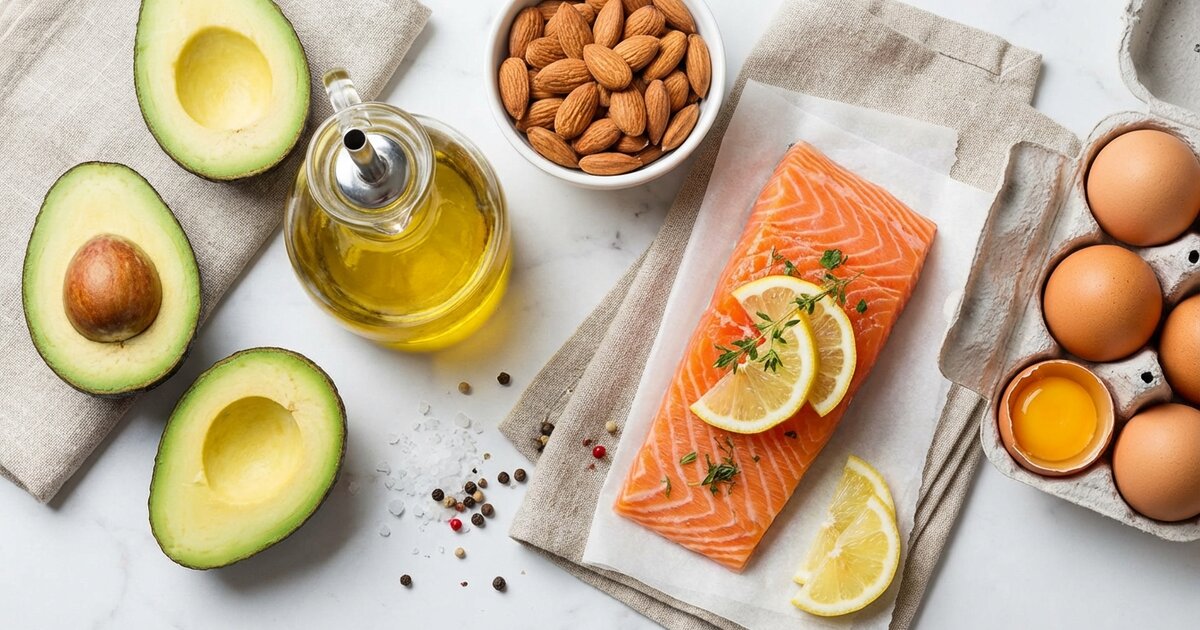
Healthy Fats: The Complete Guide to Good Fats vs Bad Fats
Which fats are healthy? This guide explains good fats vs bad fats, how much you need, and...
Read guide →