Cashews Macros: Complete Nutrition Facts & Calories
Reviewed by Sarah Chen, MS, RD
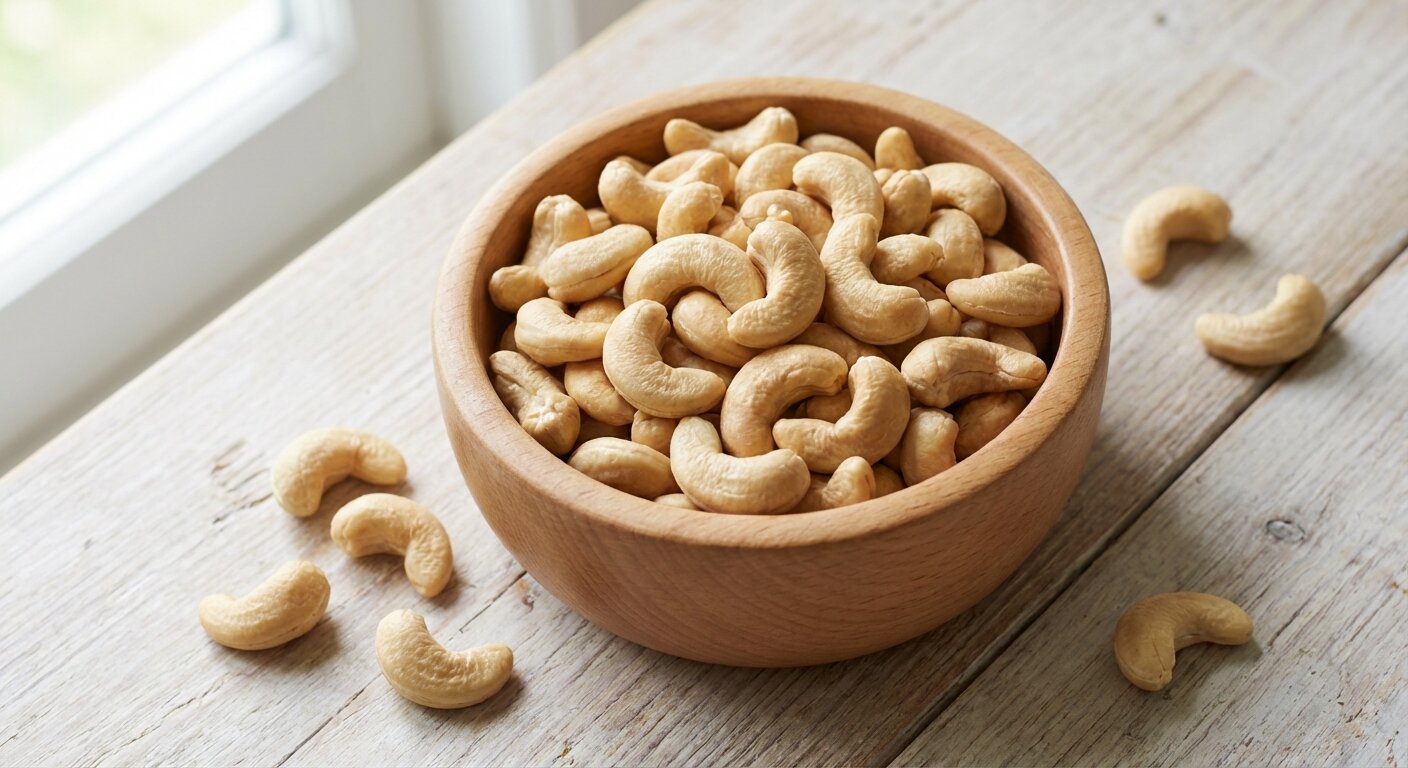
Cashews are one of the creamiest, most versatile nuts—perfect for snacking, cooking, or making dairy-free alternatives. But they’re also nutritionally unique compared to other nuts, with significantly more carbs and less fat.
Understanding cashew macros is crucial whether you’re tracking for weight loss, building muscle, or following a specific diet plan. A small serving size difference can mean an extra 100+ calories and several grams of carbs you didn’t account for.
This guide breaks down cashew macros by weight, count, and preparation method so you can enjoy cashews while staying on track with your nutrition goals.
Related: Learn more about what macros are and how they impact your diet.
Cashews Macros: Quick Reference
Here’s what you need to know at a glance for whole raw cashews.
By Weight
| Serving | Calories | Protein | Carbs | Fat | Fiber |
|---|---|---|---|---|---|
| 100g | 553 | 18g | 30g | 44g | 3.3g |
| 1 oz (28g) | 157 | 5g | 9g | 12g | 0.9g |
| 1/4 cup (34g) | 189 | 6g | 10g | 15g | 1.1g |
| 1/2 cup (68g) | 378 | 12g | 20g | 30g | 2.2g |
By Count
| Count | Weight | Calories | Protein | Carbs | Fat |
|---|---|---|---|---|---|
| 1 cashew | 1.5g | 8 | 0.28g | 0.5g | 0.65g |
| 5 cashews | 7.5g | 40 | 1.4g | 2.3g | 3.3g |
| 10 cashews | 15g | 90 | 2.8g | 5g | 7g |
| 15 cashews | 22.5g | 125 | 4g | 7g | 10g |
| 18 cashews | 28g | 157 | 5g | 9g | 12g |
| 30 cashews | 45g | 250 | 8g | 14g | 20g |
Key insight: The standard serving of 18 cashews equals about 1 ounce (28g). This is the reference point on most nutrition labels.
Cashews vs Other Nuts: Macro Comparison
Cashews stand out nutritionally from other popular nuts. Here’s how they compare per 1 oz (28g):
| Nut | Calories | Protein | Carbs | Net Carbs | Fat |
|---|---|---|---|---|---|
| Cashews | 157 | 5g | 9g | 8.1g | 12g |
| Almonds | 164 | 6g | 6g | 2.5g | 14g |
| Walnuts | 185 | 4g | 4g | 2g | 18g |
| Pecans | 196 | 3g | 4g | 1g | 20g |
| Pistachios | 159 | 6g | 8g | 5g | 13g |
| Macadamias | 204 | 2g | 4g | 2g | 21g |
| Peanuts | 161 | 7g | 5g | 3g | 14g |
What makes cashews different:
- Highest carbs among common nuts (9g vs 4-6g average)
- Lower fat than most nuts (12g vs 14-21g average)
- Creamier texture due to lower fiber and higher starch content
- Sweeter taste from natural sugars
- Less keto-friendly with 8.1g net carbs
This unique macro profile makes cashews better for moderate-carb diets and less ideal for strict keto or very low-carb plans.
Why Counting Cashews Matters
Cashews are deceptively easy to overeat. Their buttery texture and mild sweetness make mindless snacking dangerous for your macros.
The “Handful” Problem
| What You Think | Actual Amount | Calories | Carbs |
|---|---|---|---|
| Small handful | ~12 cashews | 105 | 6g |
| Medium handful | ~20 cashews | 175 | 10g |
| Large handful | ~35 cashews | 305 | 18g |
| ”A few handfuls” | ~70 cashews | 610 | 35g |
Three casual handfuls while watching TV can add 600+ calories and 35g carbs—the equivalent of several slices of bread.
The Best Way to Track Cashews
Option 1: Count them
- Most accurate for whole cashews
- 18 cashews = 1 oz = 157 calories
- Count them out and put the container away
Option 2: Weigh them
- Best for halves, pieces, or cashew butter
- 28g = 157 calories
- Use a food scale for precision
Option 3: Pre-portion
- Measure once, grab portions later
- Divide bulk cashews into 1 oz portions
- Use small containers or bags
Pro tip: Cashews are smaller and lighter than almonds, so a “handful” contains more nuts and more calories than you’d expect.
Roasted vs Raw Cashews: Macro Differences
The type of cashew you choose affects the nutrition profile.
Dry Roasted Cashews (Unsalted)
Per 1 oz (28g):
- Calories: 163 (+6 vs raw)
- Protein: 4g (-1g)
- Carbs: 9g (same)
- Fat: 13g (+1g)
- Fiber: 1g (+0.1g)
Why the difference: Roasting concentrates nutrients by removing moisture, slightly increasing fat content. The changes are minimal.
Oil Roasted Cashews
Per 1 oz (28g):
- Calories: 170 (+13 vs raw)
- Protein: 5g (same)
- Carbs: 8g (-1g)
- Fat: 14g (+2g)
- Fiber: 1g (+0.1g)
Why the difference: Added roasting oil (usually peanut or vegetable oil) increases fat and calories by 10-15 per serving.
Salted vs Unsalted
Salt doesn’t affect macros (zero calories), but it significantly impacts sodium:
- Unsalted: 3mg sodium per oz
- Lightly salted: 90-120mg per oz
- Salted: 180-220mg per oz
If you’re tracking sodium or managing blood pressure, choose unsalted varieties.
Which Type Is Best?
For tracking macros: Raw or dry-roasted are nearly identical. Oil-roasted adds minor extra calories.
For taste: Roasted cashews have deeper, nuttier flavor. Raw cashews taste milder and slightly sweet.
For cooking: Raw cashews are best for cashew cream, vegan cheese, or soaking applications.
Cashew Butter Macros
Cashew butter is a creamy, spreadable alternative to peanut or almond butter. Here’s how it compares:
Cashew Butter (100% cashews)
Per 2 tbsp (32g):
- Calories: 190
- Protein: 6g
- Carbs: 9g
- Fat: 16g
- Fiber: 1g
Cashew Butter vs Other Nut Butters
| Butter Type | Calories | Protein | Carbs | Fat |
|---|---|---|---|---|
| Cashew | 190 | 6g | 9g | 16g |
| Peanut | 188 | 8g | 7g | 16g |
| Almond | 196 | 7g | 6g | 18g |
| Sunflower seed | 200 | 6g | 7g | 18g |
Key differences:
- Cashew butter has more carbs than peanut or almond butter
- Less protein than peanut butter (6g vs 8g)
- Creamier texture requires less oil separation than other nut butters
- Milder flavor works well in sweet and savory recipes
Tracking Cashew Butter Accurately
Nut butters are notoriously easy to undermeasure:
Measuring spoons: Pack 2 tbsp tightly and level off = 32g = 190 calories
Digital scale: Weigh 32g directly on bread or into a bowl (most accurate)
Visual check: 2 tbsp should fill about 1/3 of a standard ice cream scoop
A heaping serving can easily hit 250-300 calories instead of the expected 190.
Cashews for Different Diet Goals
Cashews for Weight Loss
Pros:
- Protein and fat increase satiety
- Portable, convenient snack
- Contains magnesium, which supports metabolism
- Studies show nut eaters have lower BMI on average
Cons:
- Very calorie-dense (157 per oz)
- Easy to overeat
- Higher carbs may not fit aggressive low-carb diets
Best practices:
- Pre-portion 1 oz servings
- Track every cashew (seriously)
- Eat them with meals, not while distracted
- Consider lower-carb nuts like almonds or pecans for better satiety per carb
Cashews for Muscle Building
Pros:
- 5g protein per oz contributes to daily needs
- Healthy fats support hormone production
- Zinc and magnesium aid muscle recovery
- Convenient protein source between meals
Cons:
- Not a high-protein food (only 18g per 100g)
- Fat-to-protein ratio favors fat (12g fat : 5g protein)
- More efficient protein sources exist
Best practices:
- Use cashews as a protein supplement, not primary source
- Pair with higher-protein foods (Greek yogurt, chicken, protein shake)
- Include 1-2 oz daily as part of balanced nutrition
- Choose cashew butter for easy post-workout calories
Cashews for Keto
The reality: Cashews are challenging on strict keto.
- Net carbs: 8.1g per oz (9g total - 0.9g fiber)
- Keto limit: Most keto dieters target 20-30g net carbs per day
- One serving = 27-40% of daily carb budget
Better keto-friendly nuts:
- Pecans: 1g net carbs per oz
- Macadamias: 2g net carbs per oz
- Walnuts: 2g net carbs per oz
- Almonds: 2.5g net carbs per oz
If you must have cashews on keto:
- Limit to 0.5 oz (9 cashews) = 4g net carbs
- Track meticulously
- Reserve for days when you have extra carb room
- Consider them a “treat” rather than a staple
Cashews for Plant-Based Diets
Excellent choice for vegans and vegetarians:
Nutritional benefits:
- Plant protein source (18g per 100g)
- Provides zinc, iron, and magnesium (often low in plant diets)
- Cashew cream replaces dairy cream in recipes
- Cashew “cheese” provides texture and nutrition
How to use:
- Cashew cream: Blend soaked cashews with water for pasta sauce, soup base, or coffee creamer
- Cashew cheese: Process with nutritional yeast and lemon for vegan cheese
- Cashew milk: Blend and strain for dairy-free milk (beware store versions have added sugar)
- Protein boost: Add to smoothies, oatmeal, or salads
Macro tip: When making cashew cream, track the full amount of cashews used, then divide by servings. One cup of cashews = 750+ calories.
Common Cashew Portion Sizes (Restaurant & Packaged)
Pre-packaged and restaurant portions rarely match the standard 1 oz serving:
Trail Mix
Most trail mixes list serving size but combine multiple ingredients:
- 1/4 cup trail mix = ~10-15 cashews + dried fruit + chocolate
- Total: 150-180 calories (cashews = ~100 of those)
- Problem: Hard to separate and track individual components
Solution: Make your own trail mix with pre-portioned ingredients, or skip it and track whole cashews separately.
Cashew Snack Packs
- 100-calorie packs: ~12 cashews (18g)
- 150-calorie packs: ~18 cashews (28g)
- 200-calorie packs: ~24 cashews (38g)
Benefit: Pre-portioned packages prevent overeating. Downside: More expensive per ounce than bulk.
Restaurant Cashews (Bars & Appetizers)
- Bar snack bowl: 2-4 oz (300-600 calories)
- Thai cashew chicken topping: 0.5-1 oz (80-160 calories)
- Salad cashew topping: 0.25-0.5 oz (40-80 calories)
Restaurant rule: Assume the serving is 2-3x larger than you’d portion at home. Track conservatively.
Cashew “Cheese” (Vegan Products)
Store-bought cashew cheese varies widely:
- Kite Hill cashew cream cheese (2 tbsp): 90 calories, 2g protein, 3g carbs, 8g fat
- Treeline cashew cheese (1 oz): 80 calories, 3g protein, 3g carbs, 6g fat
Lower in calories than whole cashews because they’re blended with water and other ingredients, diluting the calorie density.
How Many Cashews Can You Eat on Your Diet?
Here’s how to fit cashews into common macro targets:
1,500 Calorie Diet
- 1 oz (18 cashews) = 10% of daily calories
- Limit: 1-1.5 oz per day
- Strategy: Use as a snack or meal component, not both
2,000 Calorie Diet
- 1 oz (18 cashews) = 8% of daily calories
- Limit: 1.5-2 oz per day
- Strategy: Split between snack and meal topping
2,500 Calorie Diet
- 1 oz (18 cashews) = 6% of daily calories
- Limit: 2-3 oz per day
- Strategy: Freely incorporate as snacks, toppings, or cashew butter
High-Protein Diet (40% protein)
- Cashews contribute: 5g protein per 157 calories
- Protein efficiency: 12.7 calories per gram of protein
- Comparison: Chicken breast = 4.6 cal/g protein (more efficient)
- Strategy: Use cashews for fats/carbs, not as primary protein source
Keto Diet (20g net carbs)
- 1 oz cashews = 40% of daily carb limit
- Realistic amount: 0.5 oz (9 cashews) max
- Strategy: Choose lower-carb nuts or skip entirely
Cashew Nutrition Beyond Macros
While macros are crucial for body composition, cashews offer micronutrients worth noting:
Minerals in Cashews (per 1 oz)
- Magnesium: 83mg (20% DV) - Supports muscle function, sleep, mood
- Zinc: 1.6mg (15% DV) - Immune health, testosterone production
- Iron: 1.9mg (11% DV) - Oxygen transport, energy
- Copper: 0.6mg (31% DV) - Antioxidant function, collagen production
Why it matters:
- Magnesium deficiency is common and linked to poor sleep, anxiety, and muscle cramps
- Zinc supports immune function and hormone balance
- Plant-based eaters often need extra attention to iron and zinc
Antioxidants in Cashews
Cashews contain:
- Vitamin E: Protects cells from oxidative damage
- Phytosterols: May help lower cholesterol
- Polyphenols: Anti-inflammatory compounds
Bottom line: Cashews offer more than just macros—they contribute meaningful micronutrients, especially on plant-based diets.
Cashew Milk: Macros and Store-Bought Traps
Homemade vs store-bought cashew milk have drastically different macros:
Homemade Cashew Milk (Unsweetened)
Recipe: 1 cup cashews + 4 cups water, blended and strained
Per 1 cup serving:
- Calories: ~40
- Protein: 1g
- Carbs: 2g
- Fat: 3g
Why so low? Most of the cashew solids are strained out. You’re drinking primarily cashew-flavored water with some dissolved nutrients.
Store-Bought Cashew Milk (Unsweetened)
Silk Cashew Milk (1 cup):
- Calories: 25
- Protein: <1g
- Carbs: 1g
- Fat: 2g
Why lower than homemade? Even more diluted, plus additives like gums and emulsifiers.
Store-Bought Cashew Milk (Sweetened/Vanilla)
Silk Vanilla Cashew Milk (1 cup):
- Calories: 80
- Protein: <1g
- Carbs: 13g (11g added sugar)
- Fat: 2.5g
The trap: “Cashew milk” sounds healthy, but flavored versions contain more sugar than the cashews themselves.
Tracking rule: Always check the label. Sweetened cashew milk is essentially sugar water with a hint of cashew flavor.
Storage Tips to Prevent Wasted Calories
Cashews have high fat content, making them prone to rancidity:
Best Storage Practices
- Pantry (unopened): 3-4 months in a cool, dark place
- Pantry (opened): 1-2 months in an airtight container
- Refrigerator: 6 months in an airtight container
- Freezer: 12 months in a freezer-safe bag
Signs of rancid cashews:
- Bitter, sour, or paint-like smell
- Oily appearance or coating
- Off taste (discard immediately)
Why it matters: Rancid nuts contain oxidized fats that can cause inflammation and waste your calorie budget without nutritional benefit.
Pre-Portioning for Long-Term Success
Bulk buy and divide:
- Buy cashews in bulk (cheaper)
- Immediately portion into 1 oz servings
- Store in small containers or bags
- Grab one pre-measured serving when hungry
Benefits:
- Prevents overeating
- Makes tracking effortless
- Reduces decision fatigue
- Saves money vs pre-packaged snacks
Sample Meal Plans with Cashews
Here’s how to work cashews into different daily macro targets:
1,800 Calorie, High Protein (40P/30C/30F)
Target macros: 180g protein | 135g carbs | 60g fat
Breakfast:
- 3 egg omelet with vegetables
- 1 slice whole wheat toast
- Black coffee
Snack:
- 18 cashews (1 oz) - 157 cal, 5g P, 9g C, 12g F
- Apple
Lunch:
- Grilled chicken breast (6 oz)
- Quinoa (1/2 cup)
- Mixed greens with balsamic
Snack:
- Greek yogurt (nonfat, 1 cup)
- Berries
Dinner:
- Salmon (5 oz)
- Roasted Brussels sprouts
- Sweet potato (small)
Cashew role: Mid-morning snack provides healthy fats and satisfies cravings without derailing protein goals.
2,200 Calorie, Moderate Carb (30P/40C/30F)
Target macros: 165g protein | 220g carbs | 73g fat
Breakfast:
- Oatmeal (1 cup) with banana
- 2 tbsp cashew butter - 190 cal, 6g P, 9g C, 16g F
- Protein shake
Lunch:
- Turkey sandwich on whole grain
- Side salad with 12 cashews - 105 cal, 3g P, 6g C, 8g F
- Orange
Dinner:
- Stir-fry with tofu, vegetables, brown rice
- Soy sauce, ginger, garlic
Snack:
- Protein bar
- Carrot sticks
Cashew role: Cashew butter boosts breakfast fats and calories; cashews on salad add crunch and satiety.
2,500 Calorie, Plant-Based (25P/50C/25F)
Target macros: 156g protein | 313g carbs | 69g fat
Breakfast:
- Smoothie: banana, spinach, 1/4 cup cashews, pea protein, oat milk, dates
- Cashews in smoothie: 189 cal, 6g P, 10g C, 15g F
Lunch:
- Buddha bowl: chickpeas, quinoa, roasted vegetables, tahini dressing
- Hummus and pita
Snack:
- 30 cashews - 250 cal, 8g P, 14g C, 20g F
- Dates
Dinner:
- Lentil pasta with cashew cream sauce (1/4 cup cashews blended)
- Steamed broccoli
- Cashew cream: 189 cal, 6g P, 10g C, 15g F
Snack:
- Dark chocolate
- Herbal tea
Cashew role: Primary fat and protein source across multiple meals. Total cashews: ~2 oz (630 calories).
Frequently Asked Questions
How many cashews is too many?
There’s no universal limit, but most people should cap cashews at 2-3 oz (36-54 cashews) per day. Beyond this, you risk:
- Excess calories that crowd out other nutritious foods
- High carb intake (27g+ from cashews alone)
- Digestive discomfort from high fat content
- Micronutrient imbalance (too much copper, manganese)
The real answer depends on your total daily calorie needs and macro distribution. If you’re eating 3,000 calories and training hard, 3 oz of cashews fits easily. On a 1,500-calorie diet, 1 oz is more appropriate.
Do you absorb all the calories in cashews?
Research suggests you may not absorb 100% of calories from whole nuts. Studies on almonds show the body absorbs about 20-30% fewer calories than food labels indicate, likely because:
- Cell walls resist digestion
- Some fat passes through unabsorbed
- Chewing efficiency varies
Similar effects likely apply to cashews, but no definitive studies exist. For tracking purposes, use the label values—any reduced absorption is a bonus, not something to count on.
Are cashews inflammatory or anti-inflammatory?
Cashews are generally anti-inflammatory due to:
- Monounsaturated fats (similar to olive oil)
- Antioxidants like vitamin E and polyphenols
- Magnesium, which reduces inflammatory markers
However, roasted cashews in industrial seed oils (corn, soybean) may introduce inflammatory omega-6 fats. Choose raw or dry-roasted varieties for maximum anti-inflammatory benefit.
Can you eat cashews every day?
Yes, eating cashews daily is safe and potentially beneficial for most people. Daily nut consumption is linked to:
- Lower risk of heart disease
- Better weight management
- Improved cholesterol profiles
- Reduced inflammation
Caveats:
- Allergies: Obviously avoid if allergic
- Kidney stones: High oxalate content may contribute to stones in susceptible individuals (rare)
- Weight gain: Only if eaten in excess beyond calorie needs
Daily 1 oz servings pose no health risks for the general population.
Why do cashews cost more than other nuts?
Cashews are expensive because:
- Labor-intensive processing: Cashews grow in a toxic shell that must be carefully removed by hand
- Limited growing regions: Primarily Vietnam, India, and West Africa
- Two-stage harvest: The cashew “apple” is harvested separately from the nut
- Roasting requirement: “Raw” cashews are still steamed to remove urushiol (same toxin as poison ivy)
Cost comparison (per lb):
- Peanuts: $2-4
- Almonds: $8-12
- Cashews: $10-15
- Macadamias: $15-25
Budget tip: Buy raw cashews in bulk from warehouse stores and portion yourself to save 30-50% vs pre-packaged.
Are cashew pieces the same as whole cashews nutritionally?
Yes, cashew pieces have identical macros to whole cashews per unit weight. The difference:
- Appearance: Broken vs intact
- Price: Pieces are 20-40% cheaper
- Best uses: Pieces work great for cooking, cashew cream, or trail mix
Measuring: Cashew pieces pack more densely into measuring cups than whole cashews, so weighing (28g = 1 oz) is more accurate than volume.
Can cashews replace meat as a protein source?
Not directly. Here’s why:
Cashews (1 oz):
- 157 calories
- 5g protein
- 31 calories per gram of protein
Chicken breast (1 oz):
- 46 calories
- 9g protein
- 5 calories per gram of protein
To get the same protein as 4 oz chicken breast (36g protein), you’d need to eat 7 oz of cashews (1,100 calories vs 185 calories).
Bottom line: Cashews contribute protein on plant-based diets, but they’re not protein-efficient. Combine with legumes, tofu, tempeh, and protein powder for complete nutrition.
Do roasted cashews have more or less nutrition than raw?
Minimal difference:
Roasting causes slight nutrient changes:
- Reduces: Some B vitamins (thiamine) and vitamin E (5-15% loss)
- Increases: Antioxidant activity in some compounds
- Concentrates: Minerals remain stable, concentration increases as moisture evaporates
The practical impact is negligible. Choose based on taste preference and added ingredients (avoid oil-roasted for fewer calories).
How long do cashews last after opening?
Shelf life by storage method:
- Pantry (room temp): 1-2 months
- Refrigerator (sealed container): 6 months
- Freezer (sealed bag): 12 months
Tips to extend freshness:
- Transfer to an airtight container immediately after opening
- Store in a cool, dark place (or fridge)
- Don’t mix old and new batches
- Sniff before eating—rancid cashews smell sour or paint-like
Quality check: Fresh cashews should smell mildly sweet and nutty, not bitter or oily.
The Bottom Line
Cashews are a nutritious, versatile nut with a unique macro profile—higher in carbs and lower in fat than most other nuts. They provide protein, healthy fats, and essential minerals like magnesium and zinc.
Key takeaways:
- Standard serving: 18 cashews (28g) = 157 calories, 5g protein, 9g carbs, 12g fat
- Best for: Moderate-carb diets, plant-based nutrition, general health
- Challenging for: Strict keto, very low-carb diets
- Track carefully: Pre-portion servings to avoid overeating
- Choose wisely: Raw or dry-roasted beats oil-roasted for fewer calories
Whether you’re adding cashews to a stir-fry, blending them into cream sauce, or grabbing a handful as a snack, understanding the macros helps you enjoy them without derailing your nutrition goals.
Ready to see how cashews fit into your personalized macro plan? Use our macro calculator to find your optimal daily targets based on your goals, activity level, and preferences.
Related guides:
- Almonds Macros - Compare cashews to almonds
- Almond Butter Macros - Alternative nut butter option
- Macro Calculator - Calculate your personalized macro targets
Related Articles
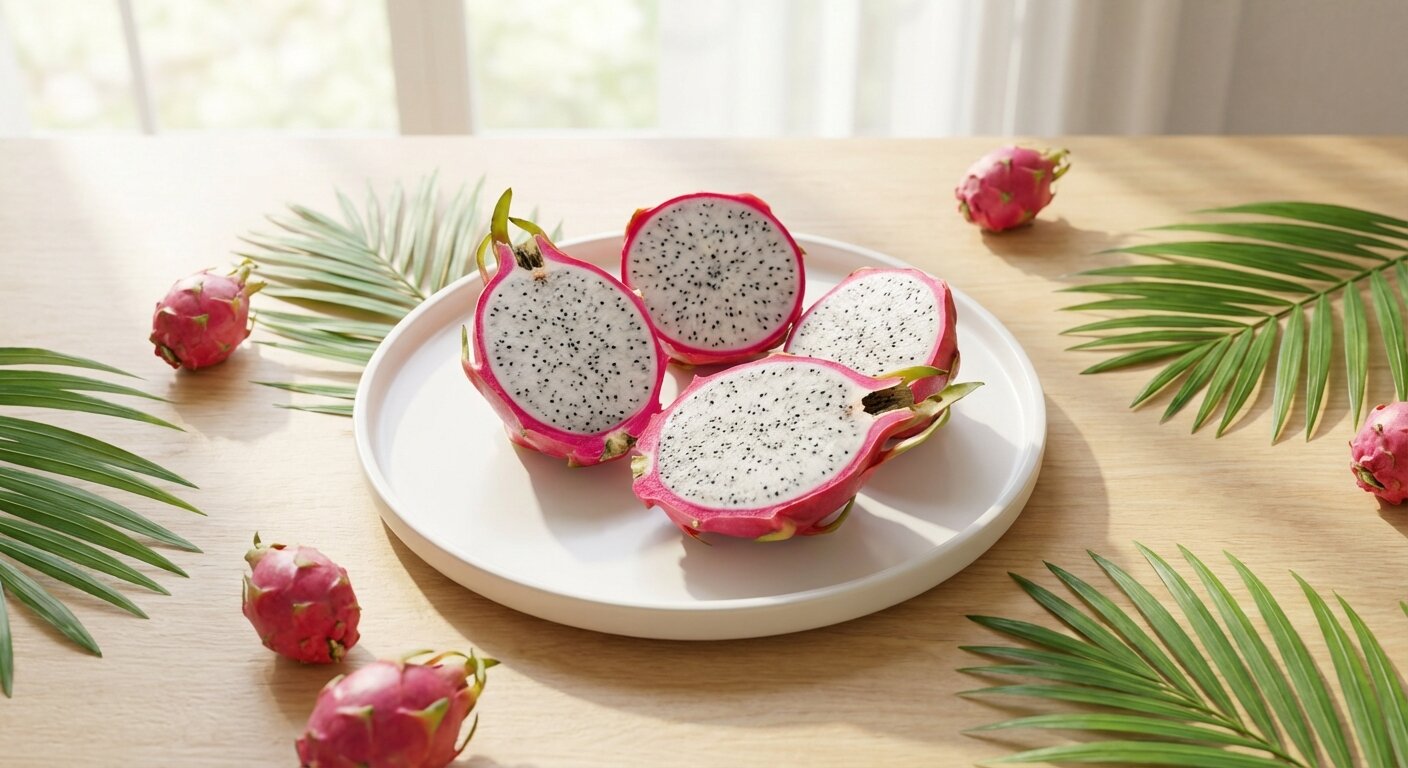
Dragonfruit Macros: Complete Nutrition Guide for Pitaya
Complete macro breakdown of dragonfruit (pitaya). Learn the calories, protein, carbs, and...
Read guide →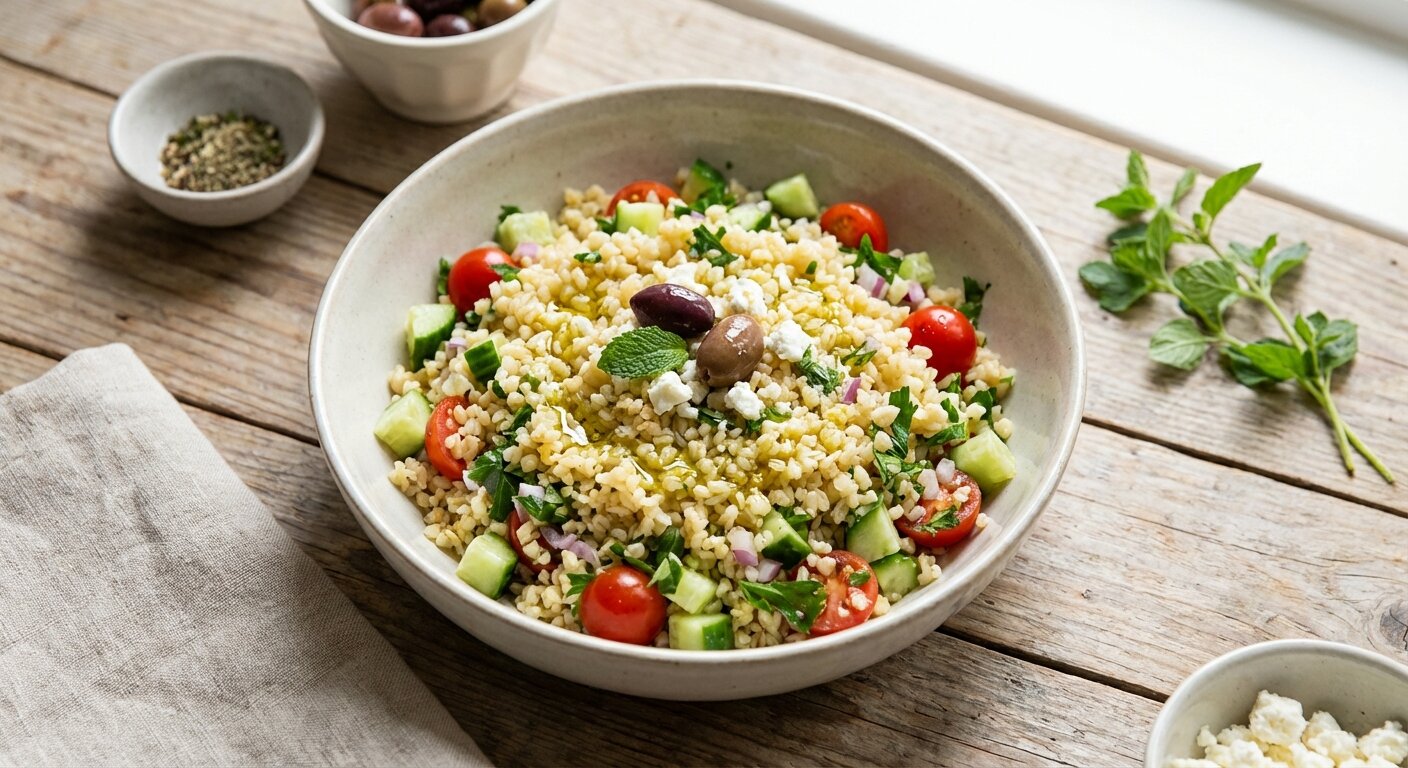
Bulgur Macros: Complete Nutritional Guide & Health Benefits
Discover bulgur's complete macro breakdown, nutritional benefits, and how to incorporate...
Read guide →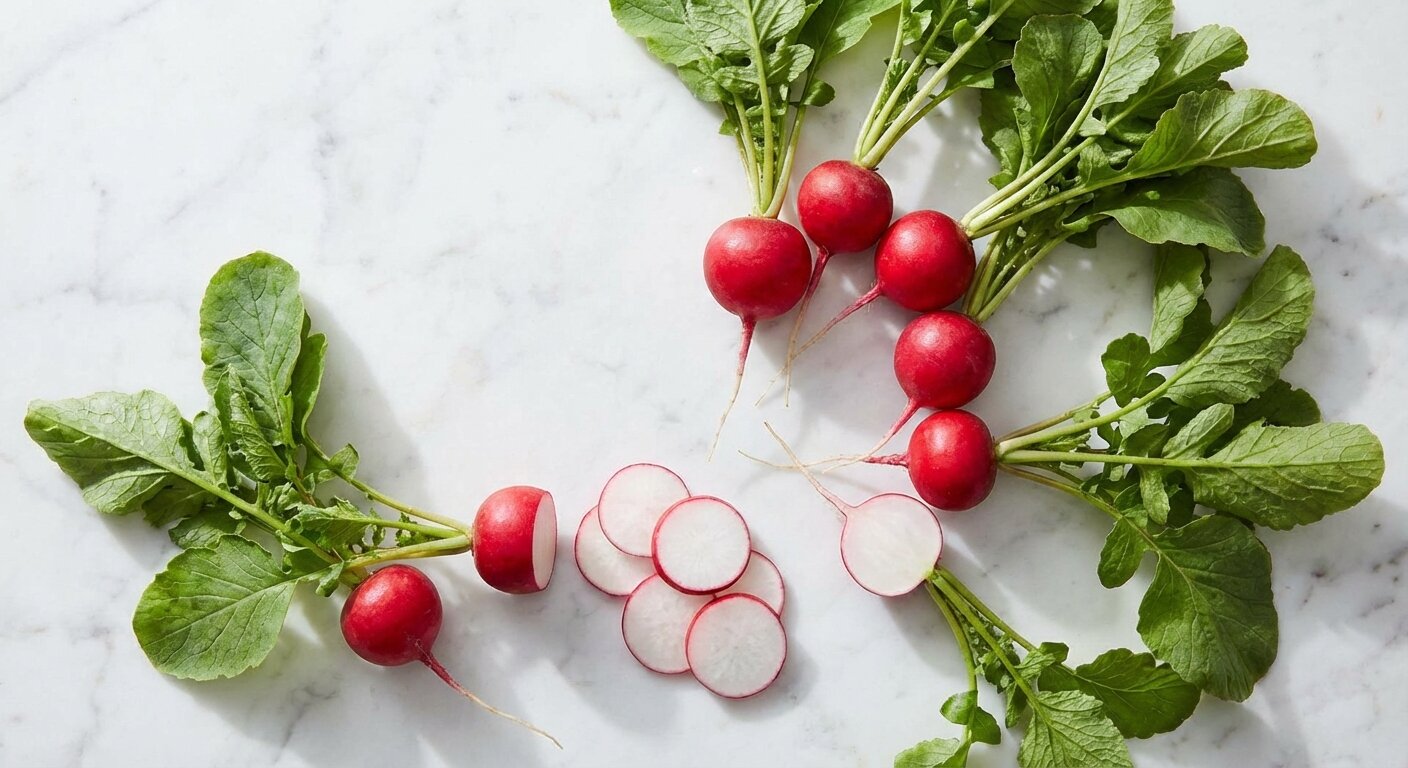
Radish Macros: Nutrition Facts and Health Benefits
Complete guide to radish macros and nutrition. Learn calories, protein, carbs, and health...
Read guide →Note: Nutrition values are approximate and may vary based on preparation method and source.