Grapefruit Macros: Complete Nutrition Guide for Weight Loss and Health
Reviewed by Jessica Williams, CPT, CSCS
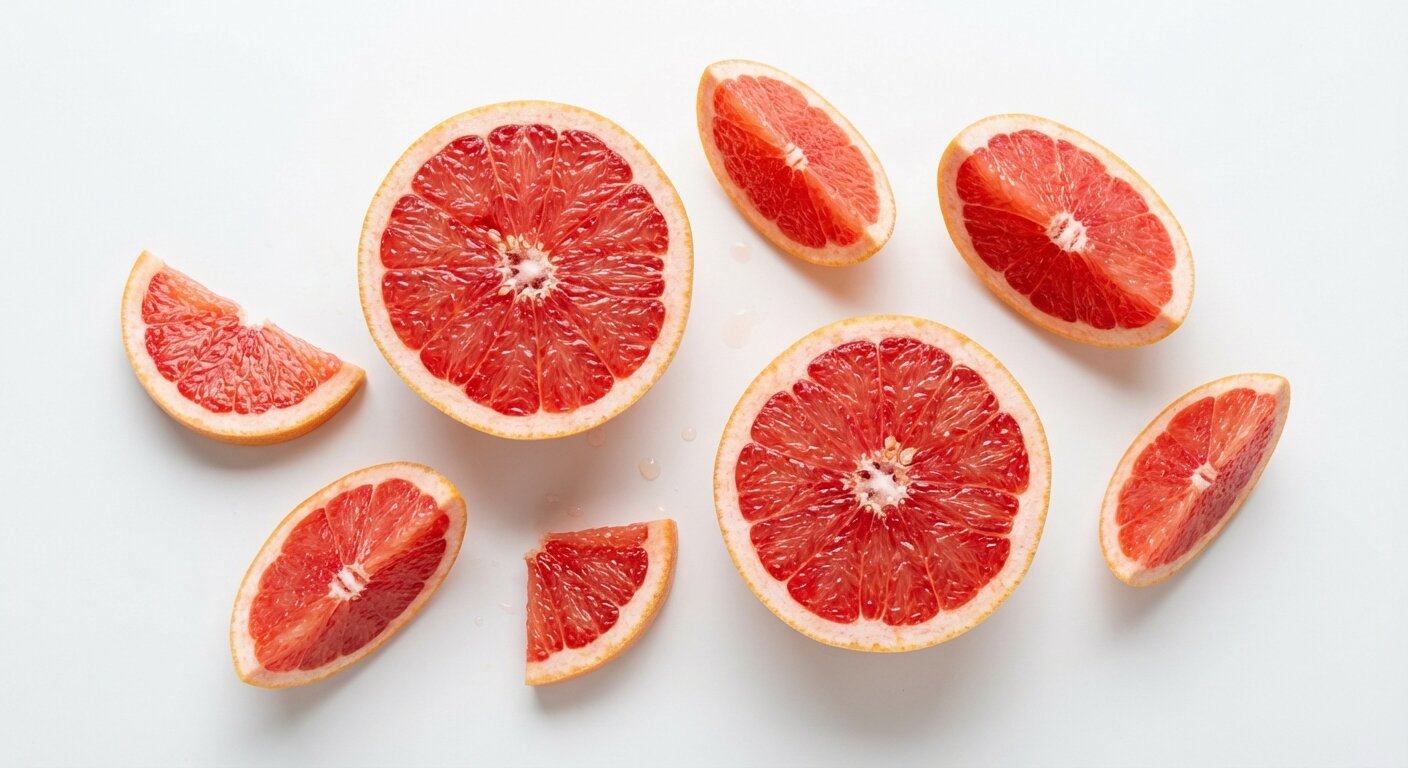
If you’ve ever wondered whether grapefruit deserves its reputation as a “diet fruit,” or you’re simply trying to understand how this tart citrus fits into your macro tracking, you’ve come to the right place. Grapefruit has been a breakfast table staple for generations, often associated with weight loss and healthy eating—but what does the nutritional data actually say?
In this comprehensive guide, we’ll break down grapefruit’s complete macro profile, explore how different varieties and preparations affect your daily nutrition targets, and answer the most common questions about incorporating this versatile citrus fruit into your diet. Whether you’re tracking macros for weight loss, building muscle, or simply optimizing your health, understanding grapefruit’s nutritional composition will help you make informed dietary choices.
Ready to discover exactly what’s in that tangy pink or white flesh? Let’s calculate the macros and explore the science behind grapefruit’s impressive nutritional resume. And if you want personalized macro targets tailored to your specific goals, try our macro calculator to get started.
Related: Learn more about what macros are and how they impact your diet.
Grapefruit Macros: The Complete Breakdown
Understanding grapefruit’s macronutrient profile starts with recognizing that this citrus fruit is primarily composed of water and carbohydrates, with minimal fat and protein. Here’s what you’ll find in a medium grapefruit weighing approximately 246 grams (about 4 inches in diameter):
Medium Grapefruit (246g):
- Calories: 103
- Protein: 2.0g
- Carbohydrates: 26.0g
- Fiber: 3.7g
- Sugars: 16.0g
- Net Carbs: 22.3g
- Fat: 0.3g
- Saturated: 0.0g
- Monounsaturated: 0.0g
- Polyunsaturated: 0.1g
Macro Distribution
Looking at the caloric breakdown by macronutrient:
- Carbohydrates: 92% of total calories
- Protein: 7% of total calories
- Fat: 1% of total calories
This distribution makes grapefruit a classic example of a high-carb, low-fat fruit that provides quick energy primarily from natural sugars and fiber.
Common Serving Sizes
Since not everyone eats a whole grapefruit in one sitting, here’s how the macros scale with different portion sizes:
Half a Medium Grapefruit (123g):
- Calories: 52
- Protein: 1.0g
- Carbs: 13.0g (Fiber: 1.9g, Net Carbs: 11.1g)
- Fat: 0.2g
One Cup of Grapefruit Sections (230g):
- Calories: 97
- Protein: 1.8g
- Carbs: 24.5g (Fiber: 3.5g, Net Carbs: 21.0g)
- Fat: 0.3g
Large Grapefruit (332g, approximately 4.5 inches diameter):
- Calories: 139
- Protein: 2.7g
- Carbs: 35.0g (Fiber: 5.0g, Net Carbs: 30.0g)
- Fat: 0.4g
Small Grapefruit (200g, approximately 3.5 inches diameter):
- Calories: 84
- Protein: 1.6g
- Carbs: 21.1g (Fiber: 3.0g, Net Carbs: 18.1g)
- Fat: 0.2g
Grapefruit Varieties: Pink vs. White vs. Red
While the basic macro profile remains consistent across grapefruit varieties, there are some subtle differences worth noting. The color variations come from different levels of carotenoid pigments, which don’t significantly impact macros but do affect antioxidant content.
Pink and Red Grapefruit
Pink and red grapefruits get their characteristic hue from lycopene and beta-carotene, the same beneficial compounds found in tomatoes and carrots. Nutritionally:
- Slightly sweeter: Red and pink varieties tend to have marginally higher sugar content (about 1-2g more per fruit), making them more palatable for those who find white grapefruit too tart
- Higher antioxidants: The pigments provide additional health benefits beyond basic macros
- Nearly identical macros: A medium pink grapefruit contains approximately 104 calories and 26g carbs—virtually the same as white varieties
Medium Pink/Red Grapefruit (246g):
- Calories: 104
- Protein: 2.0g
- Carbs: 26.1g (Fiber: 3.7g, Sugars: 17.2g)
- Fat: 0.3g
White Grapefruit
White (or blonde) grapefruit varieties are typically more tart and less sweet than their colorful counterparts:
- Slightly lower sugar: White grapefruit averages 15-16g of sugar per medium fruit
- Similar fiber content: Approximately 3.5-4g per medium fruit
- Identical macro distribution: The taste difference doesn’t translate to meaningful caloric or macro differences
Medium White Grapefruit (246g):
- Calories: 103
- Protein: 2.0g
- Carbs: 26.0g (Fiber: 3.7g, Sugars: 16.0g)
- Fat: 0.3g
Oro Blanco and Pummelo Hybrids
Some specialty grapefruit varieties like Oro Blanco (a grapefruit-pomelo hybrid) tend to be sweeter and larger:
- Higher total macros: Due to larger size, these can contain 120-150 calories per fruit
- Proportionally similar: The macro distribution remains approximately 92% carbs, 7% protein, 1% fat
- Less bitter: Lower levels of naringin (the compound that makes grapefruit bitter) make these varieties more appealing to sensitive palates
For macro tracking purposes, the differences between varieties are minimal enough that you can use standard grapefruit nutrition data for any common variety, adjusting primarily for size rather than color.
How Preparation Methods Affect Grapefruit Macros
The way you prepare and consume grapefruit can significantly impact its nutritional profile and how it affects your satiety and blood sugar response.
Fresh Whole Grapefruit vs. Sections
Eating grapefruit as halves with a spoon versus segmenting it doesn’t change the macros, but it can affect your experience:
- Whole halves with membrane: Retains all fiber, including the beneficial pectin in the membranes between segments
- Segmented without membrane: Slightly reduces fiber content (by about 0.5-1g) if you remove all white pith
- Practical tip: The membranes contain valuable fiber and flavonoids, so eating them increases nutritional value without adding calories
Grapefruit Juice vs. Whole Fruit
This is where the macro story changes dramatically. When you juice grapefruit, you remove most of the fiber:
One Cup (247g) Fresh-Squeezed Grapefruit Juice:
- Calories: 96
- Protein: 1.2g
- Carbs: 22.7g (Fiber: 0.2g, Sugars: 22.1g, Net Carbs: 22.5g)
- Fat: 0.2g
Key Differences:
- Fiber loss: Whole grapefruit contains 3.7g fiber per serving; juice has only 0.2g
- Volume: You can easily consume 2-3 grapefruits worth of juice without feeling as full as eating the whole fruits
- Blood sugar impact: Without fiber to slow absorption, juice causes a faster glucose spike
- Caloric density: Juice packs more calories per volume since you’re removing the fibrous, water-heavy pulp
Bottom line: If you’re tracking macros for weight loss or blood sugar management, whole grapefruit is significantly more beneficial than juice. The fiber content makes a substantial difference in satiety and metabolic response.
Canned and Processed Grapefruit
Canned grapefruit sections come in various preparations that affect macro content:
Canned Grapefruit in Water (1 cup, 244g):
- Calories: 88
- Protein: 1.6g
- Carbs: 22.3g (Fiber: 1.5g)
- Fat: 0.2g
Canned Grapefruit in Light Syrup (1 cup, 254g):
- Calories: 152
- Protein: 1.5g
- Carbs: 39.2g (Fiber: 1.0g, Added Sugars: 17.0g)
- Fat: 0.3g
Canned Grapefruit in Heavy Syrup (1 cup, 254g):
- Calories: 180
- Protein: 1.5g
- Carbs: 46.8g (Fiber: 1.0g, Added Sugars: 25.0g)
- Fat: 0.2g
The lesson here is clear: canned grapefruit in syrup can contain nearly double the calories and carbs of fresh grapefruit due to added sugars. If you use canned grapefruit, always choose water-packed varieties to maintain the macro benefits of fresh fruit.
Sweetened and Caramelized Grapefruit
Broiled grapefruit with brown sugar, honey, or caramelized toppings is a popular breakfast preparation:
Half Grapefruit with 1 Tablespoon Brown Sugar:
- Calories: 104 (52 from grapefruit + 52 from sugar)
- Protein: 1.0g
- Carbs: 26.0g (13.0g from grapefruit + 13.0g from sugar)
- Fat: 0.2g
This effectively doubles the carb and calorie content. If you enjoy sweetened grapefruit occasionally, account for the added macros—or try sprinkling cinnamon or a small amount of stevia for flavor without the caloric impact.
Grapefruit’s Micronutrient Profile: Beyond Macros
While this guide focuses on macronutrients, grapefruit’s impressive vitamin and mineral content deserves attention, as these micronutrients contribute significantly to its health benefits.
Vitamin C Powerhouse
One medium grapefruit provides:
- Vitamin C: 78.7mg (131% of Daily Value)
- Supports: Immune function, collagen synthesis, antioxidant protection, iron absorption
Grapefruit ranks among the top vitamin C sources, comparable to oranges, making it an excellent choice during cold and flu season.
Key Vitamins and Minerals
Per Medium Grapefruit (246g):
- Vitamin A: 2,830 IU (57% DV) - primarily from red/pink varieties
- Folate: 30.0 mcg (8% DV)
- Potassium: 332 mg (9% DV)
- Thiamin (B1): 0.1 mg (9% DV)
- Magnesium: 22.1 mg (6% DV)
- Calcium: 54.1 mg (5% DV)
Beneficial Plant Compounds
Beyond vitamins and minerals, grapefruit contains bioactive compounds that may contribute to its health effects:
- Naringin and naringenin: Flavonoids that may support heart health and have anti-inflammatory properties
- Lycopene: In pink and red varieties; associated with reduced cancer and heart disease risk
- Limonoids: Citrus compounds being studied for potential anti-cancer properties
- Pectin: A soluble fiber that supports digestive health and may help lower cholesterol
These compounds work synergistically with the macro and micronutrient content to provide grapefruit’s full nutritional benefits.
Grapefruit for Different Diet Goals
How grapefruit fits into your nutrition plan depends on your specific dietary approach and goals.
Grapefruit for Weight Loss
Grapefruit has been studied extensively for its potential weight loss benefits, with some research suggesting modest positive effects:
Why it works for weight loss:
- Low calorie density: At only 42 calories per 100g, grapefruit has one of the lowest calorie densities among fruits
- High water content: Over 90% water by weight helps you feel full
- Fiber content: 3.7g fiber per fruit supports satiety and digestive health
- Glycemic index: With a GI of 25, grapefruit causes a relatively modest blood sugar response
The research: A 2006 study published in the Journal of Medicinal Food found that participants who ate half a grapefruit before meals lost an average of 3.5 pounds over 12 weeks compared to a control group. While modest, this suggests grapefruit may support weight loss efforts when combined with a calorie-controlled diet.
Practical application: Eating half a grapefruit before breakfast or lunch can help reduce overall calorie intake by promoting fullness. Just be sure to account for the 52 calories and 13g carbs in your daily totals.
Grapefruit for Muscle Building and High-Protein Diets
With only 2g protein per medium fruit, grapefruit won’t contribute significantly to your protein goals. However, it can still play a role:
- Micronutrient support: Vitamin C aids in collagen synthesis and recovery
- Hydration: High water content supports training performance
- Carb timing: The 26g of carbs can contribute to post-workout glycogen replenishment
- Pairing strategy: Eat grapefruit alongside protein-rich foods like Greek yogurt, cottage cheese, or eggs for a balanced meal
If you’re following a high-protein diet for muscle building, consider pairing grapefruit with protein sources rather than eating it alone.
Grapefruit on Low-Carb and Ketogenic Diets
Here’s where grapefruit becomes trickier. With 22-23g net carbs per medium fruit, grapefruit is relatively high in carbohydrates:
Standard Ketogenic Diet (SKD): Most people following strict keto limit carbs to 20-30g daily to maintain ketosis. A whole grapefruit would consume nearly your entire daily carb allotment, making it impractical.
Targeted Ketogenic Diet (TKD): If you’re eating carbs around workouts, half a grapefruit (11g net carbs) could work as a pre-workout energy source.
Cyclical Ketogenic Diet (CKD): Grapefruit can fit into higher-carb refeed days.
Low-Carb (Not Keto): If you’re following a moderate low-carb approach (50-100g carbs daily), half a grapefruit can fit comfortably into your plan.
Better keto fruit options: If you’re staying strict keto, consider lower-carb fruits like:
- Strawberries (6g net carbs per 100g)
- Raspberries (5g net carbs per 100g)
- Blackberries (5g net carbs per 100g)
- Avocado (2g net carbs per 100g)
Grapefruit for Diabetics and Blood Sugar Management
Despite containing natural sugars, grapefruit has a low glycemic index and may actually support blood sugar management:
- Glycemic Index: 25 (low)
- Glycemic Load: 6 per half grapefruit (low)
- Fiber benefit: The soluble fiber slows sugar absorption
Research findings: Some studies suggest grapefruit consumption may improve insulin sensitivity and reduce insulin resistance, though results are mixed and more research is needed.
Important caution: If you have diabetes and take medications, consult your healthcare provider before adding grapefruit to your diet, as it can interact with some diabetes medications.
Practical tips for diabetics:
- Pair grapefruit with protein or fat to further blunt blood sugar response
- Monitor your individual glucose response
- Consider eating grapefruit as part of a meal rather than alone
- Choose whole fruit over juice to maximize fiber content
Grapefruit for Athletic Performance
For athletes, grapefruit offers specific benefits:
Pre-workout: Half a grapefruit (13g carbs) provides easily digestible energy and hydration without causing digestive discomfort for most people.
Post-workout: The carbohydrates support glycogen replenishment, while vitamin C may aid recovery. Pair with a protein source for optimal recovery nutrition.
Hydration: The high water content and natural electrolytes (particularly potassium) support hydration status.
Timing: Most athletes tolerate grapefruit best 30-60 minutes before training or immediately after, rather than right before intense activity.
Comparing Grapefruit to Other Citrus Fruits
How does grapefruit stack up against its citrus cousins? Here’s a macro comparison per 100g serving:
Citrus Macro Comparison (per 100g)
Grapefruit:
- Calories: 42
- Carbs: 10.7g (Fiber: 1.5g, Net Carbs: 9.2g)
- Protein: 0.8g
- Fat: 0.1g
Orange:
- Calories: 47
- Carbs: 11.8g (Fiber: 2.4g, Net Carbs: 9.4g)
- Protein: 0.9g
- Fat: 0.1g
Lemon:
- Calories: 29
- Carbs: 9.3g (Fiber: 2.8g, Net Carbs: 6.5g)
- Protein: 1.1g
- Fat: 0.3g
Lime:
- Calories: 30
- Carbs: 10.5g (Fiber: 2.8g, Net Carbs: 7.7g)
- Protein: 0.7g
- Fat: 0.2g
Tangerine/Mandarin:
- Calories: 53
- Carbs: 13.3g (Fiber: 1.8g, Net Carbs: 11.5g)
- Protein: 0.8g
- Fat: 0.3g
Key Takeaways
- Lowest calorie: Lemon and lime win, but they’re rarely eaten in large quantities
- Best for weight loss: Grapefruit edges out orange with slightly fewer calories and a lower glycemic response
- Most fiber: Lemon and lime contain the most fiber per 100g, though grapefruit still provides excellent fiber content in realistic serving sizes
- Sweetest: Tangerines and mandarins have higher sugar content
- Most practical: Between grapefruit and oranges, grapefruit offers a slight edge for calorie-conscious eaters while oranges provide more fiber per typical serving
Understanding Grapefruit’s Impact on Hunger and Satiety
One of grapefruit’s most valuable properties for macro tracking isn’t captured in calorie counts alone: its effect on appetite and fullness.
The Satiety Index
Grapefruit’s satiety factor comes from several mechanisms:
1. High Water Content At over 90% water, grapefruit physically fills your stomach with minimal calories, triggering stretch receptors that signal fullness to your brain.
2. Fiber Content The 3.7g of fiber per medium fruit slows gastric emptying, meaning you feel full longer. Soluble fiber also forms a gel-like substance in your digestive tract that further prolongs satiety.
3. Low Energy Density With only 42 calories per 100g, grapefruit allows you to eat a large volume of food for relatively few calories—a key strategy in successful weight management.
4. Bitterness Factor The naringin compound that makes grapefruit taste bitter may actually help regulate appetite hormones and reduce cravings for sweet foods.
Practical Application for Macro Management
Pre-meal strategy: Eating half a grapefruit 15-20 minutes before meals may help you:
- Naturally consume fewer calories at the meal
- Feel satisfied with smaller portions
- Reduce cravings for less nutritious foods
- Stay within your target macro ranges more easily
Snack replacement: At 100 calories for a medium fruit, grapefruit makes an excellent alternative to higher-calorie snacks while providing more volume and nutrition than many processed options.
Evening appetite control: The combination of fiber and water makes grapefruit a smart evening snack that satisfies without disrupting sleep or providing excess calories before bed.
Grapefruit Drug Interactions: A Critical Safety Note
Before increasing your grapefruit intake, it’s essential to understand that grapefruit can interact with numerous medications—a consideration that goes beyond macros but is critical for health.
How Grapefruit Affects Medications
Grapefruit contains compounds called furanocoumarins that inhibit an enzyme called CYP3A4 in your intestines. This enzyme normally breaks down many medications, so when it’s inhibited:
- More of the medication enters your bloodstream
- Blood levels of the drug can become dangerously high
- Effects can last 24+ hours after consuming grapefruit
Common Medications That Interact with Grapefruit
Cardiovascular drugs:
- Statins (cholesterol medications): atorvastatin, simvastatin, lovastatin
- Calcium channel blockers: amlodipine, nifedipine, felodipine
- Some blood pressure medications
Psychiatric medications:
- Certain antidepressants and anti-anxiety medications
- Some antipsychotics
Other categories:
- Immunosuppressants
- Some antihistamines
- Certain cancer medications
- Some erectile dysfunction drugs
- Certain pain medications
What This Means for Your Diet
If you take any prescription medications:
- Consult your doctor or pharmacist before adding grapefruit to your regular diet
- Ask specifically about grapefruit-drug interactions
- Don’t assume other citrus fruits are safe alternatives without checking—some (like Seville oranges and pomelos) have similar interactions
- Be aware that even small amounts of grapefruit can cause interactions
If you’re cleared to eat grapefruit:
- You can safely incorporate it into your macro planning
- The nutritional benefits discussed in this article apply to you
- Track it like any other fruit in your daily totals
This interaction is serious enough that it’s worth repeating: Always check with your healthcare provider before regularly consuming grapefruit if you take prescription medications.
Tips for Incorporating Grapefruit Into Your Macro Plan
Now that you understand grapefruit’s nutritional profile, here are practical ways to fit it into various eating patterns:
Meal Timing Strategies
Breakfast: Half a grapefruit alongside eggs and whole grain toast provides balanced macros:
- The fruit’s carbs offer quick energy
- Fiber prevents blood sugar spikes
- Vitamin C enhances iron absorption from your meal
Pre-workout: 30-60 minutes before training, half a grapefruit provides:
- 13g easily digestible carbs for energy
- Hydration support
- No digestive discomfort for most people
Mid-morning or afternoon snack: A whole grapefruit serves as a filling 100-calorie snack that:
- Curbs appetite until your next meal
- Provides a nutrient boost
- Satisfies sweet cravings naturally
Before meals: Eating half a grapefruit 15-20 minutes before lunch or dinner may help reduce overall calorie intake at the meal.
Preparation Ideas
Classic halved grapefruit: Cut in half, loosen segments with a knife, and eat with a spoon. Pro tip: Use a grapefruit spoon with serrated edges for easier eating.
Segmented salads: Add grapefruit segments to green salads for a bright, tangy contrast. Pairs especially well with avocado, arugula, and fennel.
Protein pairings:
- Greek yogurt parfait with grapefruit segments and almonds
- Cottage cheese bowl topped with grapefruit and chia seeds
- Grilled chicken salad with grapefruit sections
Smoothie addition: Blend with other fruits, greens, and protein powder. Note that blending retains fiber unlike juicing.
Broiled grapefruit: Place halves under the broiler for 5-7 minutes for a warm, slightly caramelized version (add cinnamon instead of sugar to keep macros low).
Tracking Tips
Be specific about variety: While macro differences between pink and white grapefruit are minimal, always weigh your fruit for accuracy if you’re tracking strictly.
Use the weight: A medium grapefruit is approximately 246g, but sizes vary considerably. Weigh yours to ensure accurate macro tracking.
Track the edible portion: Food databases list macros for flesh only, not the peel and pith. A whole medium grapefruit weighs about 330g with peel but only 246g of edible flesh.
Account for sweeteners: If you add honey, sugar, or other sweeteners, track those separately.
Juice consideration: If you occasionally have grapefruit juice, use “grapefruit juice, fresh” in your tracking app and measure accurately—orange juice has similar considerations.
Batch Prep Strategies
Segment in advance: Peel and segment several grapefruits at once, store in airtight containers for 3-4 days. This makes grapefruit a grab-and-go option when you’re busy.
Freeze for smoothies: Segment grapefruit and freeze in portions. Use frozen segments in smoothies without needing ice.
Meal prep containers: Include grapefruit segments in meal-prepped breakfast or snack containers alongside nuts, cheese, or other proteins.
Grapefruit Macros in Popular Foods and Products
Grapefruit appears in various commercial products with significantly different nutritional profiles:
Grapefruit-Flavored Products
Grapefruit soda (1 can, 355ml):
- Calories: 140-160
- Carbs: 38-42g (mostly added sugars)
- Protein: 0g
- Fat: 0g
- Note: Contains artificial or natural flavoring but typically no actual grapefruit
Grapefruit sparkling water (1 can, 355ml):
- Calories: 0
- Carbs: 0g
- Protein: 0g
- Fat: 0g
- Note: Flavored with grapefruit essence, no macro contribution
Grapefruit marmalade (1 tablespoon, 20g):
- Calories: 50-55
- Carbs: 13-14g (mostly added sugars)
- Protein: 0g
- Fat: 0g
Grapefruit in Recipes
Grapefruit smoothie (typical recipe with yogurt and berries):
- Calories: 200-250
- Protein: 10-15g (from yogurt)
- Carbs: 35-45g
- Fat: 3-6g
Grapefruit and avocado salad:
- Calories: 180-220 per serving
- Protein: 3-4g
- Carbs: 20-25g
- Fat: 12-15g (mostly from avocado)
When grapefruit is combined with other ingredients, always calculate the complete macro profile rather than assuming it stays low-calorie.
Common Myths and Misconceptions About Grapefruit
Let’s address some persistent myths about grapefruit and its nutritional properties:
Myth 1: “Grapefruit burns fat or has negative calories”
Reality: No food has negative calories or directly burns fat. While grapefruit may support weight loss through increased satiety and reduced calorie intake, it doesn’t magically burn fat or cost more calories to digest than it provides.
Myth 2: “The grapefruit diet is safe and effective for quick weight loss”
Reality: Restrictive mono-diets that rely primarily on one food (like grapefruit) are nutritionally inadequate and unsustainable. While including grapefruit in a balanced, calorie-controlled diet may support modest weight loss, eating primarily grapefruit is neither safe nor effective long-term.
Myth 3: “You should always eat grapefruit first thing in the morning for maximum benefits”
Reality: While eating grapefruit before meals may help with appetite control, there’s no magic time of day that makes it more effective. The nutritional benefits are the same regardless of when you eat it—what matters more is consistency and how it fits your overall dietary pattern.
Myth 4: “Pink grapefruit is healthier than white grapefruit”
Reality: Pink and red grapefruits contain additional antioxidants (lycopene and beta-carotene), but white grapefruit is still highly nutritious. The macro profiles are nearly identical, and all varieties provide excellent vitamin C and fiber. Choose based on taste preference.
Myth 5: “Grapefruit essential oil has the same benefits as eating grapefruit”
Reality: While grapefruit essential oil may have aromatherapeutic uses, it doesn’t provide the macronutrients, fiber, or full spectrum of vitamins found in whole fruit. You can’t get the nutritional benefits of grapefruit from essential oils.
Myth 6: “Grapefruit juice is just as good as whole grapefruit”
Reality: As discussed earlier, grapefruit juice lacks most of the fiber found in whole fruit, making it less satiating and causing a faster blood sugar response. Whole grapefruit is nutritionally superior to juice.
The Bottom Line on Grapefruit Macros
Grapefruit stands out as one of the most nutritionally efficient fruits you can include in a macro-tracked diet. With only 100 calories and 26g of carbs per medium fruit, it provides substantial volume, impressive vitamin C content, beneficial fiber, and powerful plant compounds—all in a naturally portion-controlled package.
Best for:
- Weight loss and calorie control due to low calorie density
- Vitamin C intake (130% DV per fruit)
- Hydration and satiety
- Adding variety to balanced diets
- Pre-meal appetite control
Less ideal for:
- Strict ketogenic diets (too many carbs)
- Protein-focused eating (minimal protein)
- Anyone taking interacting medications
- Those who need calorie-dense foods
Key numbers to remember:
- 103 calories per medium grapefruit
- 26g total carbs (22g net carbs after fiber)
- 3.7g fiber
- 2g protein
- 78mg vitamin C (131% DV)
Whether you’re tracking macros for weight loss, athletic performance, or general health, grapefruit can be a valuable addition to your nutrition plan—just be mindful of portion sizes, medication interactions, and how it fits within your overall daily macro targets.
Ready to determine your optimal macro targets for your specific goals? Use our macro calculator to get personalized recommendations, then see how incorporating nutrient-dense foods like grapefruit can help you hit those targets while enjoying flavorful, satisfying meals.
Frequently Asked Questions
How many calories are in a grapefruit?
A medium grapefruit (approximately 246g or 4 inches in diameter) contains 103 calories. Half a medium grapefruit contains about 52 calories, while a large grapefruit can contain up to 139 calories. This makes grapefruit one of the lowest-calorie whole fruits available, with a calorie density of only 42 calories per 100g. The low calorie content combined with high water and fiber content makes grapefruit an excellent choice for weight management and calorie-controlled diets.
What are the complete macros in one medium grapefruit?
One medium grapefruit (246g) contains 103 calories with the following macro breakdown: 26g carbohydrates (including 3.7g fiber and 16g natural sugars, resulting in 22.3g net carbs), 2g protein, and 0.3g fat. The caloric distribution is approximately 92% from carbs, 7% from protein, and 1% from fat. This macro profile makes grapefruit a high-carb, low-fat fruit that’s primarily valued for its micronutrients and fiber rather than protein or fat content.
Is grapefruit good for weight loss?
Yes, grapefruit can be an effective tool for weight loss due to several key properties. Its low calorie density (42 calories per 100g) allows you to eat satisfying portions without consuming many calories. The high water content (over 90%) and fiber (3.7g per fruit) promote fullness and satiety, potentially reducing overall calorie intake at meals. Research published in the Journal of Medicinal Food found that participants who ate half a grapefruit before meals lost an average of 3.5 pounds over 12 weeks. While grapefruit doesn’t “burn fat” as myth suggests, it supports weight loss through appetite control and nutrient density.
How many carbs are in half a grapefruit?
Half a medium grapefruit contains approximately 13g of total carbohydrates, with about 1.9g coming from fiber and 8g from natural sugars. This results in roughly 11g net carbs (total carbs minus fiber) per half grapefruit. For those tracking net carbs on lower-carb diets, this net carb count is important. Half a grapefruit also provides about 52 calories and minimal fat (0.2g) and protein (1g). The glycemic index of grapefruit is relatively low at 25, meaning it causes a modest blood sugar response compared to other carbohydrate sources.
Can I eat grapefruit on a keto diet?
Grapefruit is challenging to fit into a strict ketogenic diet due to its relatively high carbohydrate content. A whole medium grapefruit contains 22.3g net carbs, which would consume most or all of the typical 20-30g daily carb limit on standard keto. Half a grapefruit (11g net carbs) might fit into more flexible low-carb approaches (50-100g carbs daily) or targeted ketogenic protocols where carbs are consumed around workouts. For strict keto dieters, lower-carb fruits like berries (strawberries, raspberries, blackberries) or avocado are better choices, typically providing 5-8g net carbs per serving.
Does grapefruit have any protein?
Grapefruit contains minimal protein—approximately 2g per medium fruit or 0.8g per 100g. This makes it a very poor protein source compared to animal products, legumes, or even some other plant foods. However, grapefruit isn’t consumed for its protein content; its nutritional value comes from vitamin C (131% of Daily Value per fruit), fiber, antioxidants, and beneficial plant compounds. If you’re following a high-protein diet for muscle building or weight loss, pair grapefruit with protein-rich foods like Greek yogurt, cottage cheese, eggs, or lean meats rather than relying on it for protein.
What’s the difference between pink and white grapefruit nutritionally?
The macro profiles of pink and white grapefruit are nearly identical, with only minor differences. A medium pink grapefruit contains approximately 104 calories and 26.1g carbs with 17.2g sugar, while white grapefruit has about 103 calories and 26g carbs with 16g sugar—essentially negligible differences. The main distinction lies in micronutrients and plant compounds: pink and red grapefruits contain lycopene and beta-carotene pigments that white varieties lack, providing additional antioxidant benefits and contributing to higher vitamin A content (2,830 IU vs. lower amounts in white). Pink varieties also tend to taste slightly sweeter and less bitter due to differences in flavonoid compounds.
Is grapefruit juice as nutritious as whole grapefruit?
No, grapefruit juice is significantly less nutritious than whole grapefruit, primarily due to the loss of fiber during juicing. One cup of fresh-squeezed grapefruit juice contains 96 calories and 23g carbs but only 0.2g fiber, compared to a whole medium grapefruit’s 103 calories, 26g carbs, and 3.7g fiber. This fiber loss affects satiety, blood sugar response, and digestive benefits. Juice also makes it easy to overconsume calories—you might drink juice from 2-3 grapefruits without feeling as full as you would eating the whole fruits. While juice retains most vitamin C, it lacks the complete nutritional package of whole fruit. For optimal nutrition and macro tracking, choose whole grapefruit over juice.
When is the best time to eat grapefruit?
While grapefruit provides nutritional benefits whenever consumed, eating it 15-20 minutes before meals (particularly breakfast or lunch) may offer the most advantages for appetite control and weight management. Research suggests this pre-meal timing helps reduce overall calorie intake by promoting fullness. For athletes, half a grapefruit works well 30-60 minutes before training for easily digestible carbs and hydration. As a snack, grapefruit can curb mid-morning or afternoon hunger effectively. However, avoid consuming grapefruit if you take medications that interact with it—timing doesn’t matter if the interaction is dangerous. The “best” time ultimately depends on your schedule, goals, and how the fruit fits your overall meal pattern.
How does grapefruit compare to oranges nutritionally?
Grapefruit and oranges have similar but distinct nutritional profiles. Per 100g, grapefruit contains 42 calories and 10.7g carbs with 1.5g fiber, while oranges have 47 calories and 11.8g carbs with 2.4g fiber. Oranges provide slightly more fiber per weight, but grapefruit has fewer calories and a lower glycemic response. Both are excellent vitamin C sources, though grapefruit edges ahead with 78mg (131% DV) per medium fruit compared to a medium orange’s 70mg (117% DV). Grapefruit contains beneficial naringin and naringenin flavonoids, while oranges provide different antioxidant compounds. For weight loss, grapefruit’s lower calorie density offers a slight advantage; for fiber, oranges win. Both are nutritious choices—select based on taste preference and how they fit your macro goals.
Can diabetics eat grapefruit?
Yes, most diabetics can safely include grapefruit in their diet, and it may even offer blood sugar benefits. Grapefruit has a low glycemic index (25) and glycemic load (6 per half fruit), meaning it causes a relatively modest blood sugar response. The fiber content (3.7g per medium fruit) helps slow sugar absorption, and some research suggests grapefruit consumption may improve insulin sensitivity. However, two critical considerations apply: First, if you take diabetes medications, consult your healthcare provider about potential drug interactions before adding grapefruit. Second, monitor your individual glucose response, as reactions vary between people. Practical tips include pairing grapefruit with protein or fat to further stabilize blood sugar, choosing whole fruit over juice, and incorporating it as part of balanced meals rather than eating it alone.
How should I track grapefruit macros accurately?
For accurate grapefruit macro tracking, weigh the edible flesh (not including peel and seeds) on a food scale. A “medium” grapefruit is approximately 246g of edible flesh, but actual sizes vary significantly—some “medium” fruits might be 200g while others are 280g. In your tracking app, search for “grapefruit, raw” or “grapefruit, pink or red, all areas” for the most accurate data. Track 100g portions for easy scaling, or log the specific weight of your fruit. Remember that databases list macros for flesh only; a whole unpeeled medium grapefruit weighs about 330g but yields only 246g edible portion. If you add sweeteners or include grapefruit in recipes, track those additions separately. For juice, measure the volume in milliliters or cups and use “grapefruit juice, fresh” entries.
Does eating grapefruit at night affect sleep or weight loss?
Eating grapefruit at night is generally safe and shouldn’t negatively affect sleep or weight loss for most people. At 100 calories per medium fruit, it’s a light evening snack that won’t provide excess calories before bed. The fiber and water content can help satisfy hunger without feeling heavy. Some people find citrus fruits too acidic to eat close to bedtime, potentially causing mild heartburn or acid reflux, but this varies individually. From a weight loss perspective, what matters most is your total daily calorie and macro intake rather than specific meal timing. If eating grapefruit in the evening helps you avoid higher-calorie snacks, it supports your goals. However, if you experience digestive discomfort or sleep disruption, consider eating it earlier in the day.
Are there any negative effects of eating too much grapefruit?
While grapefruit is highly nutritious, consuming excessive amounts can cause several issues. Most significantly, grapefruit can interact with numerous medications (statins, blood pressure drugs, some psychiatric medications) by inhibiting the CYP3A4 enzyme, potentially causing dangerous increases in drug blood levels—this interaction occurs even with moderate intake, not just excess. From a purely nutritional standpoint, eating multiple grapefruits daily could lead to: excess vitamin C intake (though water-soluble and generally safe), high acid content potentially causing tooth enamel erosion or digestive discomfort, unbalanced nutrition from displacing other food groups, and too many carbs if you’re following low-carb diets. For most people without medication interactions, 1-2 grapefruits daily as part of a varied diet is perfectly safe and beneficial.
Can I eat the white membrane and peel of grapefruit?
Yes, the white membrane (pith and segment walls) of grapefruit is edible and actually increases nutritional value. The membrane contains beneficial fiber, particularly pectin (a soluble fiber), and flavonoids like naringin that contribute to grapefruit’s health benefits. Eating grapefruit with membranes increases fiber content by approximately 0.5-1g compared to carefully removing all white parts. The bitter taste comes primarily from these membranes, so if you find grapefruit too tart, removing some membrane makes it more palatable. However, the outer peel should not be eaten—it’s extremely bitter, difficult to digest, and may contain pesticide residues. Grapefruit zest (the colored outer layer) can be used in cooking for flavor but isn’t typically consumed in amounts that significantly affect macros.
How long does fresh grapefruit last and how should I store it?
Whole, uncut grapefruit lasts 1-2 weeks at room temperature and 3-4 weeks in the refrigerator. For optimal freshness and to maintain nutritional quality, store grapefruit in the crisper drawer of your refrigerator. Once cut, grapefruit should be covered tightly or placed in an airtight container and refrigerated, where it will keep for 3-4 days. The vitamin C content begins degrading after cutting due to oxygen exposure, so consume cut grapefruit relatively quickly for maximum nutritional benefit. For longer storage, you can freeze grapefruit segments: remove all peel and membrane, place segments on a baking sheet to freeze individually, then transfer to freezer bags where they’ll keep for 3-4 months. Frozen grapefruit works well in smoothies but becomes mushy when thawed for eating whole.
Is organic grapefruit worth the extra cost?
Whether organic grapefruit is worth the additional cost depends on your priorities and budget. From a macro perspective, organic and conventional grapefruit have identical nutritional profiles—the same calories, carbs, protein, fat, vitamins, and minerals. The difference lies in pesticide exposure: the Environmental Working Group typically ranks citrus fruits in the middle of the “Dirty Dozen” and “Clean Fifteen” lists, meaning they have moderate pesticide residues. However, since you don’t eat grapefruit peel, your pesticide exposure is lower than with fruits where you eat the skin (like apples or berries). Washing conventional grapefruit thoroughly before cutting reduces residue transfer from peel to flesh. If organic fits your budget and environmental values, it’s a fine choice; if not, conventional grapefruit still provides all the nutritional benefits discussed in this guide.
Can I eat grapefruit if I have acid reflux or GERD?
People with acid reflux, gastroesophageal reflux disease (GERD), or sensitive stomachs may need to be cautious with grapefruit due to its high acidity (pH around 3-3.5). Citrus fruits can trigger or worsen reflux symptoms in some individuals by relaxing the lower esophageal sphincter or directly irritating the esophagus lining. However, individual responses vary significantly—some people with GERD tolerate grapefruit fine, while others experience immediate symptoms. If you have GERD, try introducing grapefruit in small amounts (a quarter or half fruit) earlier in the day, not close to bedtime, and observe your symptoms. If you experience increased heartburn, regurgitation, or discomfort, it’s best to avoid grapefruit or consume it very occasionally. Focus on lower-acid fruits like bananas, melons, or pears if citrus consistently causes problems.
Related Articles

Dragonfruit Macros: Complete Nutrition Guide for Pitaya
Complete macro breakdown of dragonfruit (pitaya). Learn the calories, protein, carbs, and...
Read guide →
Bulgur Macros: Complete Nutritional Guide & Health Benefits
Discover bulgur's complete macro breakdown, nutritional benefits, and how to incorporate...
Read guide →
Radish Macros: Nutrition Facts and Health Benefits
Complete guide to radish macros and nutrition. Learn calories, protein, carbs, and health...
Read guide →Note: Nutrition values are approximate and may vary based on preparation method and source.