Lemon Macros: Complete Nutrition Facts & Calories
Reviewed by Sarah Chen, MS, RD
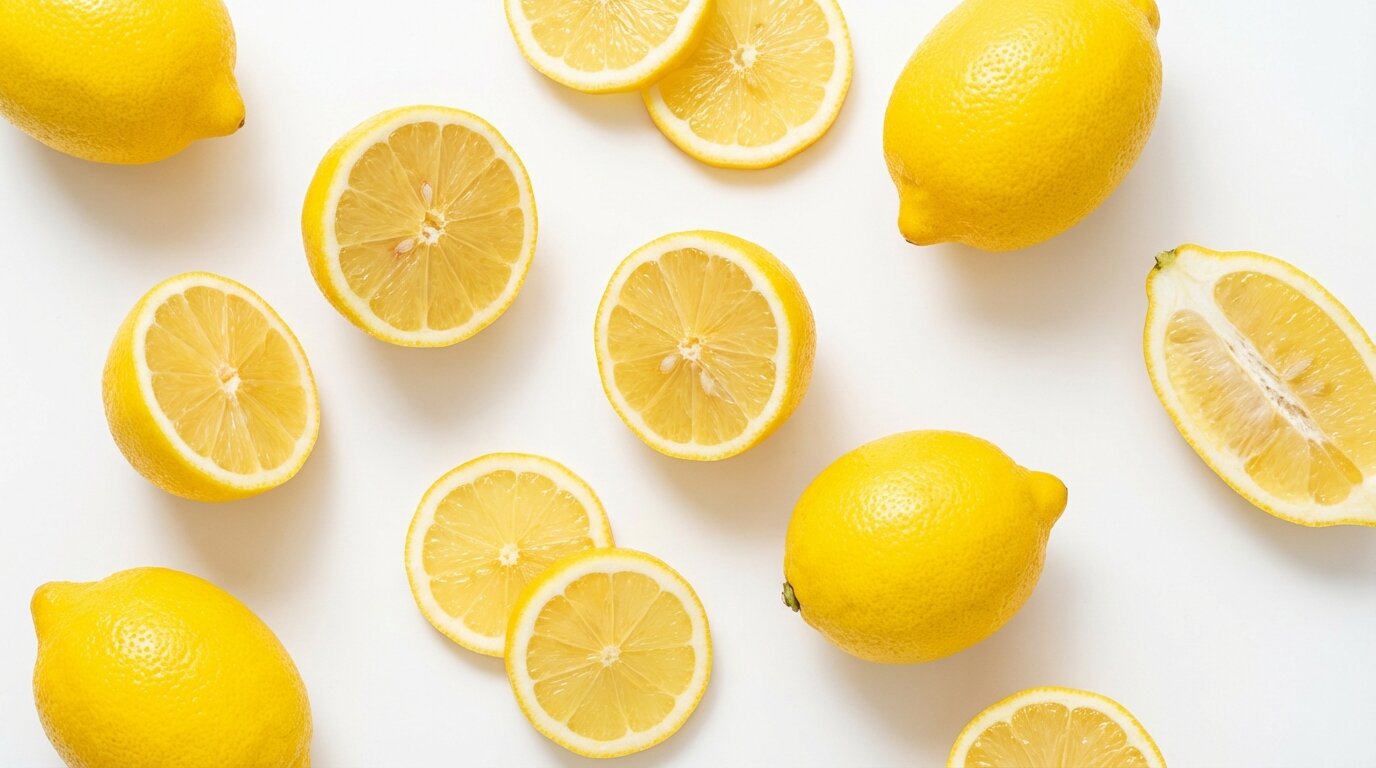
Lemons are one of the most versatile, low-calorie ingredients you can add to your diet. Whether you’re squeezing them into water, zesting them over fish, or adding juice to dressings, lemons pack a punch of flavor without adding meaningful macros.
At just 17 calories per medium fruit and under 4g net carbs, lemons fit seamlessly into virtually any diet—keto, low-carb, calorie-restricted, or just trying to eat clean. But understanding exactly how much lemon juice, zest, or peel contributes to your daily intake is key to accurate tracking.
This guide breaks down lemon macros by weight, juice yield, zest, and different preparations so you can enjoy lemons confidently without guesswork.
Want precise macros for your entire day? Use our macro calculator to determine your personalized protein, carb, and fat targets based on your goals.
Lemon Macros: Quick Reference
Here’s everything you need to know at a glance for raw, fresh lemons.
Whole Lemon Macros (With Peel)
| Serving | Weight | Calories | Protein | Carbs | Fat | Fiber | Net Carbs |
|---|---|---|---|---|---|---|---|
| 1 small lemon | 48g | 14 | 0.5g | 4.5g | 0.2g | 1.3g | 3.2g |
| 1 medium lemon | 58g | 17 | 0.6g | 5.4g | 0.2g | 1.6g | 3.8g |
| 1 large lemon | 84g | 25 | 0.9g | 7.8g | 0.3g | 2.3g | 5.5g |
| 100g (edible) | 100g | 29 | 1.1g | 9.3g | 0.3g | 2.8g | 6.5g |
Key insight: The whole fruit includes peel, which you typically don’t eat. The edible portion (flesh + juice) weighs about 35-45g per medium lemon.
Lemon Juice Macros (Fresh Squeezed)
| Serving | Weight | Calories | Protein | Carbs | Fat | Fiber | Net Carbs |
|---|---|---|---|---|---|---|---|
| 1 tbsp (15ml) | 15g | 4 | 0.1g | 1.3g | 0g | 0g | 1.3g |
| 1 fl oz (2 tbsp) | 30ml | 7 | 0.1g | 2.1g | 0g | 0.1g | 2g |
| 1/4 cup (4 tbsp) | 60ml | 14 | 0.2g | 4.3g | 0g | 0.1g | 4.2g |
| 1/2 cup | 120ml | 27 | 0.5g | 8.6g | 0g | 0.2g | 8.4g |
| 1 cup | 240ml | 54 | 0.9g | 17.2g | 0g | 0.5g | 16.7g |
| Juice of 1 medium lemon | 30-45ml | 7-11 | 0.1-0.2g | 2.1-3.2g | 0g | 0.1g | 2-3.1g |
Key insight: One medium lemon yields approximately 2-3 tablespoons (30-45ml) of juice. Larger lemons yield up to 4 tablespoons.
Lemon Zest Macros
| Serving | Weight | Calories | Protein | Carbs | Fat | Fiber | Net Carbs |
|---|---|---|---|---|---|---|---|
| 1 tsp lemon zest | 2g | 3 | 0.1g | 1g | 0g | 0.6g | 0.4g |
| 1 tbsp lemon zest | 6g | 8 | 0.2g | 2.7g | 0.1g | 1.8g | 0.9g |
| Zest of 1 medium lemon | 4-6g | 5-8 | 0.1-0.2g | 1.8-2.7g | 0-0.1g | 1.2-1.8g | 0.6-0.9g |
Key insight: Zest is even lower in net carbs than juice because of its high fiber content. It’s also where many aromatic oils and antioxidants are concentrated.
Why Lemons Are So Low in Macros
Lemons are approximately 89% water by weight. This explains their exceptionally low calorie density:
- Water content: 89%
- Carbohydrates: 9% (mostly sugars and fiber)
- Fiber: 3% (nearly 1/3 of total carbs)
- Protein: 1%
- Fat: ~0.3%
Lemon Sugar Content
While lemons do contain natural sugars, the amount is minimal:
| Lemon Form | Total Sugars | Sugar Type |
|---|---|---|
| 1 medium lemon (whole) | 1.5g | Fructose, glucose |
| 1 tbsp lemon juice | 0.4g | Fructose, glucose |
| 1 cup lemon juice | 6.2g | Fructose, glucose |
Compared to other fruits:
- Apple (medium): 19g sugar
- Banana (medium): 14g sugar
- Orange (medium): 12g sugar
- Lemon (medium): 1.5g sugar ✓
The tartness of lemons comes from citric acid (5-6% of juice weight), not sugar. This is why lemons taste so sour—they have minimal sweetness.
Lemon Juice: Bottled vs. Fresh
Most people use bottled lemon juice for convenience. Here’s how it compares nutritionally to fresh:
Bottled Lemon Juice Macros
| Type | Serving | Calories | Carbs | Net Carbs | Notes |
|---|---|---|---|---|---|
| 100% pure bottled | 1 tbsp | 3 | 1g | 1g | No added sugar |
| Reconstituted from concentrate | 1 tbsp | 3 | 0.9g | 0.9g | Similar to fresh |
| Sweetened lemon juice | 1 tbsp | 15-30 | 4-8g | 4-8g | Avoid for tracking |
Key differences:
- Fresh lemon juice: Brighter flavor, more vitamin C (retains ~100% if used immediately)
- Bottled lemon juice: Slightly less vitamin C (~70-90% retained), often contains preservatives (sodium benzoate or sulfites)
- Macros: Nearly identical if using 100% lemon juice without added sugar
Recommendation: For tracking purposes, bottled 100% lemon juice can be substituted 1:1 for fresh with minimal macro impact. However, fresh tastes better and provides slightly more micronutrients.
Lemon Extract and Flavorings
⚠️ Warning: Lemon extract, lemon flavoring, and “lemon water enhancers” are NOT the same as lemon juice:
| Product | 1 tsp | Calories | Carbs | Notes |
|---|---|---|---|---|
| Pure lemon extract | 1 tsp | 12 | 0g | Alcohol-based, not for flavor volume |
| Lemon water enhancer (like Mio) | 1 squeeze | 0 | 0g | Artificial, no lemon nutrition |
| Lemonade powder mix | 1 tsp | 15-20 | 4-5g | High sugar, track separately |
Use case: Lemon extract is for baking in small amounts. It doesn’t replace lemon juice in recipes or provide vitamin C.
How Much Juice Is in a Lemon?
Juice yield varies significantly by lemon size, freshness, and temperature:
Average Juice Yield by Size
| Lemon Size | Whole Weight | Juice Yield | Juice Calories | Juice Net Carbs |
|---|---|---|---|---|
| Small | 48g | 2 tbsp (30ml) | 7 | 2g |
| Medium | 58g | 2.5 tbsp (37ml) | 9 | 2.6g |
| Large | 84g | 3.5 tbsp (52ml) | 13 | 3.6g |
| Extra large | 100g+ | 4-5 tbsp (60-75ml) | 14-18 | 4.2-5.2g |
Rule of thumb: Budget 2-3 tablespoons (30-45ml) per medium lemon when meal planning.
Maximizing Juice Yield
Get more juice from every lemon:
- Roll it: Roll lemons firmly on the counter before cutting to break internal membranes
- Warm it: Microwave for 10-15 seconds or soak in warm water
- Room temperature: Cold lemons yield less juice
- Hand squeeze vs. press: Citrus presses extract 15-20% more juice than hand squeezing
A proper citrus press can increase yield from 30ml to 40ml per lemon—meaningful if you’re juicing multiple lemons for a recipe.
Lemon Zest: The Forgotten Nutritional Powerhouse
Lemon zest (the yellow outer peel) is often discarded, but it’s where much of the lemon’s aromatic compounds and antioxidants live:
Nutritional Benefits of Zest
Per tablespoon (6g) of lemon zest:
- Calories: 8
- Net carbs: 0.9g (much lower than juice due to fiber)
- Fiber: 1.8g
- Vitamin C: 11% DV
- Flavonoids: Higher concentration than juice
Bioactive compounds in zest:
- D-limonene: Antioxidant found in the peel, studied for anti-cancer properties
- Flavonoids (hesperidin, naringenin): Support cardiovascular health
- Essential oils: Provide that distinct lemon aroma
How to Use Lemon Zest
- Grated zest: Use a microplane for fine zest over fish, salads, pasta
- Strips: Use a vegetable peeler for cocktails or infusing oils
- Candied zest: Higher in sugar (not macro-friendly)
Tip for macro tracking: If you’re zesting one lemon for a recipe, add 1 tsp zest = 0.4g net carbs to your tracking. It’s minimal, but compounds if you’re zesting 3-4 lemons.
Lemon Water: Does It Count?
Lemon water is one of the most popular “health hacks,” but does it add meaningful macros?
Lemon Water Macros
| Lemon Addition | Calories | Net Carbs | Notes |
|---|---|---|---|
| Squeeze of lemon (1 tsp juice) | 1 | 0.4g | Negligible |
| Juice from 1/4 lemon | 3 | 1g | Minimal |
| Juice from 1/2 lemon | 5-6 | 1.5-2g | Still very low |
| Juice from 1 whole lemon | 10 | 3g | Slightly more noticeable |
| Lemon slice floating (not squeezed) | <1 | <0.1g | Essentially zero |
Verdict: Unless you’re juicing an entire lemon into every glass of water, lemon water contributes negligible macros. Most people use 1/4 to 1/2 lemon per 8-16 oz glass, adding only 1-2g net carbs.
For strict keto or macro tracking: If you drink 4-5 glasses of lemon water daily with juice from a full lemon each time, that’s ~12-15g net carbs total. Track it. Otherwise, it’s noise-level and can be ignored.
Does Lemon Water Break a Fast?
This is controversial:
- Calories: Juice from half a lemon = 5-6 calories (technically breaks a “zero-calorie” fast)
- Insulin response: Minimal. The sugar content is too low to trigger meaningful insulin
- Autophagy: Unlikely to disrupt autophagy at this calorie level
Consensus among intermittent fasting practitioners: Lemon water with juice from up to half a lemon is generally considered acceptable during fasting windows. Whole lemon juice (10+ calories) may technically break the fast depending on how strict you’re being.
Lemons on Different Diets
Lemons on Keto
Verdict: ✅ Keto-friendly
Lemons are one of the most keto-compatible fruits:
- 1 tbsp lemon juice: 1.3g net carbs
- Juice from 1 whole lemon: 3g net carbs
- Keto daily limit: 20-50g net carbs
Why lemons work on keto:
- Extremely low net carbs per serving
- Add flavor to fat-heavy meals (fish with lemon butter, lemon vinaigrettes)
- Support hydration and electrolytes (potassium, magnesium)
Keto lemon uses:
- Lemon water for hydration
- Lemon juice in salad dressings (fat + acid balance)
- Lemon zest over proteins
- Sugar-free lemonade (with erythritol or stevia)
Lemons on Low-Carb Diets
Verdict: ✅ Excellent choice
Low-carb diets (50-100g net carbs daily) have even more room for lemons:
- Juice from 3-4 lemons = ~10g net carbs (totally manageable)
- Use liberally in cooking, beverages, and dressings
Lemons on Calorie-Restricted Diets
Verdict: ✅ Ideal
Lemons are a weight-loss dieter’s best friend:
- Volume and flavor: Add tons of flavor for almost zero calories
- Satiety: The acidity in lemon can make water more satisfying
- Meal enhancement: Make low-calorie proteins (chicken breast, white fish) taste better
Example: Grilled chicken breast (165 cal) with lemon juice (+4 cal) = flavor upgrade for negligible calories.
Lemons on Vegan/Vegetarian Diets
Verdict: ✅ Perfect fit
Lemons are 100% plant-based and add critical flavor to plant-heavy diets:
- Brighten salads
- Balance rich tahini or nut-based dressings
- Enhance legumes (lemon + chickpeas is classic)
Lemons on Paleo
Verdict: ✅ Allowed
Lemons are a whole, unprocessed food and fit paleo guidelines perfectly.
Nutritional Benefits of Lemons Beyond Macros
Lemons offer far more than just low-calorie hydration:
Vitamin C Powerhouse
Per medium lemon (58g):
- Vitamin C: 31mg (51% of Daily Value)
Vitamin C is water-soluble and not stored in the body, so regular intake is essential:
- Immune function: Supports white blood cell production
- Collagen synthesis: Critical for skin, joints, and connective tissue
- Antioxidant: Protects cells from oxidative stress
- Iron absorption: Enhances non-heme iron absorption from plant foods
Note: Cooking or heating lemon juice degrades vitamin C. Fresh lemon juice retains the most.
Potassium Content
Per medium lemon:
- Potassium: 80mg (2% DV)
While not a significant source, every bit helps—especially on keto diets where electrolyte balance is critical.
Antioxidants and Flavonoids
Lemons contain several bioactive compounds:
- Citric acid: The main acid (5-6% of juice), supports kidney health by preventing kidney stones
- Hesperidin: A flavonoid linked to improved blood vessel function
- Diosmin: May reduce inflammation and support venous health
- Eriocitrin: Antioxidant found primarily in lemon peel
- D-limonene: Found in lemon oil and peel, studied for potential anti-cancer effects
Practical takeaway: Eating the zest or using whole lemon slices (peel included in tea) provides more antioxidants than juice alone.
Digestive Benefits
Citric acid stimulates digestive enzymes: Some people report improved digestion from drinking lemon water before meals, though scientific evidence is limited.
Pectin fiber: Found in lemon pulp (not juice), pectin is a soluble fiber that can slow digestion and improve satiety. However, you’d need to eat the pulp and peel to get meaningful amounts.
Cooking with Lemons: Macro Impact
Lemon is used in countless recipes. Here’s how to account for it when tracking:
Common Recipe Additions
| Use Case | Lemon Amount | Calories | Net Carbs |
|---|---|---|---|
| Lemon butter sauce (for 1 serving) | 1 tbsp juice | 4 | 1.3g |
| Lemon vinaigrette (per 2 tbsp serving) | 1 tsp juice | 1 | 0.4g |
| Lemon chicken marinade (whole recipe) | Juice of 2 lemons | 18 | 6g |
| Lemon chicken marinade (per serving, 4 servings) | — | 4.5 | 1.5g |
| Lemon zest garnish | 1 tsp | 3 | 0.4g |
| Lemon slice in tea | 1 thin slice | <1 | <0.5g |
| Baked salmon with lemon (lemon juice poured on top) | 2 tbsp | 7 | 2g |
Rule of thumb for recipes: Divide total lemon macros by number of servings. In most cases, lemon contributes less than 5 calories and 2g net carbs per serving.
When Lemon Macros Actually Matter
Lemon becomes more macro-significant in these scenarios:
- Homemade lemonade: Using 1 cup lemon juice + sweetener = 54 calories, 16.7g net carbs (before sweetener)
- Lemon curd or lemon bars: Recipes combine lemon juice with sugar, butter, and eggs (very high calorie/carb)
- Preserved lemons: Salt-cured lemons (typically Moroccan cuisine) have similar macros to fresh, but high sodium
- Lemon sorbet or ice cream: High sugar content dominates; lemon juice is minimal contributor
Macro-friendly lemon recipes:
- Lemon herb grilled chicken
- Lemon garlic shrimp
- Lemon zest over roasted vegetables
- Unsweetened iced tea with lemon
- Sparkling water with lemon
Lemon vs. Lime: Nutritional Showdown
Lemons and limes are often used interchangeably. Are they nutritionally different?
Lemon vs. Lime Macros
| Per 100g Edible Portion | Lemon | Lime |
|---|---|---|
| Calories | 29 | 30 |
| Protein | 1.1g | 0.7g |
| Carbohydrates | 9.3g | 10.5g |
| Fiber | 2.8g | 2.8g |
| Net Carbs | 6.5g | 7.7g |
| Fat | 0.3g | 0.2g |
| Vitamin C | 53mg (88% DV) | 29mg (48% DV) |
| Potassium | 138mg | 102mg |
Key differences:
- Lemons have more vitamin C (~80% more per 100g)
- Limes have slightly more carbs (1.2g more net carbs per 100g)
- Flavor: Lemons are sourer and more acidic; limes are slightly sweeter and more aromatic
Verdict: Nutritionally, they’re nearly identical. Choose based on taste preference or recipe requirements. For macro tracking, the differences are negligible in typical serving sizes.
Lemon vs. Lime Juice
Per 1 tablespoon:
| Metric | Lemon Juice | Lime Juice |
|---|---|---|
| Calories | 4 | 4 |
| Net Carbs | 1.3g | 1.4g |
| Vitamin C | 7mg (12% DV) | 5mg (8% DV) |
Takeaway: For tracking purposes, lemon and lime juice can be treated identically. The macro difference is less than 0.1g per tablespoon.
Lemon in Popular Drinks
Lemon appears in countless beverages. Here’s how different lemon drinks stack up:
Lemon Drink Macro Comparison
| Drink | Serving | Calories | Net Carbs | Sugar | Notes |
|---|---|---|---|---|---|
| Plain lemon water | 16 oz (juice of 1/2 lemon) | 6 | 1.9g | 0.7g | Negligible |
| Lemon tea (unsweetened) | 16 oz + 1/4 lemon juice | 3 | 1g | 0.4g | Very low |
| Lemon tea (sweetened, 2 tsp sugar) | 16 oz | 35 | 9g | 8g | Sugar is the issue |
| Lemonade (homemade, sweetened) | 16 oz | 120-200 | 30-50g | 28-48g | High sugar |
| Store-bought lemonade (Minute Maid) | 16 oz | 200 | 54g | 52g | Avoid for tracking |
| Diet lemonade (Crystal Light) | 16 oz | 5 | 0g | 0g | Artificial sweeteners |
| Sparkling lemon water (LaCroix) | 12 oz | 0 | 0g | 0g | Lemon flavoring, no juice |
| Hot lemon water | 8 oz + juice of 1/2 lemon | 6 | 2g | 0.7g | Minimal |
Macro-friendly lemon drinks:
- Plain lemon water
- Unsweetened iced tea with lemon
- Sparkling water with fresh lemon
- Hot lemon water (great for sore throats)
Avoid for macro tracking:
- Traditional lemonade (unless using zero-calorie sweeteners)
- Sweetened lemon iced tea
- Lemon-flavored sodas (high sugar)
DIY Low-Carb Lemonade
Make macro-friendly lemonade at home:
Ingredients (per 16 oz serving):
- Juice of 1 lemon (3 tbsp): 9 calories, 3g net carbs
- 16 oz cold water
- 1-2 tbsp erythritol or 10 drops liquid stevia: 0 calories, 0g net carbs
- Ice
Total macros: 9 calories, 3g net carbs (from lemon only)
Comparison to store-bought: Regular lemonade has 200 calories and 50g+ net carbs. Homemade saves 191 calories and 47g net carbs per serving.
Lemon Macro Tracking Tips
Here’s how to track lemons accurately without obsessing:
When to Track Lemon Macros
✅ Track lemon when:
- Using 1+ whole lemons in a recipe or drink
- Making homemade lemonade (juice of 3-4 lemons)
- Consuming 1/4 cup+ lemon juice in one sitting
- Tracking macros very strictly (contest prep, therapeutic keto)
❌ Don’t bother tracking when:
- Adding a squeeze to water or tea (1 tsp or less)
- Using 1-2 tbsp juice in a marinade or dressing
- Garnishing with a lemon wedge or slice
- Using lemon zest (under 1 tsp)
Why? Lemon in small amounts contributes <5 calories and <2g carbs—this is noise in a 1,500-2,500 calorie daily intake.
How to Log Lemon in MyFitnessPal
- Fresh lemon juice: Search “lemon juice, raw” (USDA entry)
- Bottled lemon juice: Scan barcode or search brand name
- Whole lemon: Search “lemon, raw, without peel” for edible portion
- Lemon zest: Search “lemon peel, raw”
Pro tip: Create a custom “lemon water” recipe with juice from half a lemon (6 cal, 2g carbs) so you can quick-add it if you drink it multiple times per day.
Estimating Lemon Juice Without Measuring
No tablespoon measure handy? Estimate by eye:
- Small squeeze: ~1 tsp (1 cal, 0.4g carbs)
- Medium squeeze: ~1 tbsp (4 cal, 1.3g carbs)
- Large squeeze: ~2 tbsp (7 cal, 2g carbs)
- Juice of half a lemon: ~1.5 tbsp (6 cal, 2g carbs)
- Juice of whole lemon: ~3 tbsp (11 cal, 3.2g carbs)
Accuracy: Estimates are within ±10-20% of actual values—acceptable for flexible dieting.
Common Lemon Macro Questions
Do cooked lemons have different macros than raw?
No. Cooking lemons doesn’t change their calorie or macronutrient content. However:
- Vitamin C degrades when heated (can lose 30-50%)
- Flavor intensifies (becomes more bitter as citric acid concentrates)
Macros remain the same whether lemons are raw, grilled, baked, or boiled.
Does freezing lemon juice change the macros?
No. Freezing preserves macros and most vitamin C. Lemon juice can be frozen in ice cube trays for convenience:
- 1 ice cube tray section (~1 tbsp frozen lemon juice): 4 cal, 1.3g carbs
Freezing actually helps preserve vitamin C better than refrigerating for extended periods.
Are Meyer lemons different nutritionally?
Meyer lemons are a hybrid (lemon + mandarin orange). They’re sweeter and less acidic:
Macro comparison (per 100g):
- Regular lemon: 29 cal, 9.3g carbs
- Meyer lemon: ~35 cal, 11g carbs (slightly more sugar)
Difference: Meyer lemons have about 20% more carbs and calories due to higher sugar content, but they’re still very low overall. For tracking purposes, use regular lemon macros unless you’re consuming large quantities.
Can you eat lemon peel?
Yes, but most people don’t due to bitterness. The peel (zest + white pith) is edible and contains:
- Higher fiber than the juice or flesh
- More antioxidants (especially in the zest)
- More bitter compounds (not palatable in large amounts)
If you’re eating candied lemon peel, track the added sugar—the peel itself is low-calorie, but candying adds significant carbs.
Does lemon juice help with weight loss?
Directly? No. Lemon juice doesn’t burn fat or boost metabolism in any meaningful way.
Indirectly? Maybe. Lemon can support weight loss by:
- Making water more appealing → better hydration → may reduce hunger
- Adding flavor to low-calorie foods → increases adherence to diet
- Providing vitamin C → supports overall health during calorie deficit
Bottom line: Lemon won’t cause weight loss, but it can make dieting more pleasant, which supports adherence.
Is bottled lemon juice as healthy as fresh?
Nutritionally, bottled 100% lemon juice is nearly identical in macros to fresh. However:
- Vitamin C: Fresh has more (~100% vs. 70-90% in bottled)
- Flavor: Fresh is brighter and more aromatic
- Preservatives: Bottled often contains sodium benzoate or sulfites (safe for most people)
Verdict: Fresh is superior for taste and micronutrients, but bottled is a fine macro-equivalent substitute if convenience matters.
Lemon Recipes to Fit Your Macros
Here are macro-friendly ways to use lemons:
High-Protein Lemon Recipes
1. Lemon Herb Grilled Chicken Breast
- 6 oz chicken breast: 275 cal, 52g protein, 0g carbs, 6g fat
- Juice of 1 lemon: 10 cal, 3g carbs
- Fresh herbs, garlic: negligible
- Total per serving: 285 cal, 52g protein, 3g carbs, 6g fat
2. Lemon Garlic Shrimp
- 6 oz shrimp: 180 cal, 35g protein, 2g carbs, 2g fat
- 2 tbsp lemon juice: 7 cal, 2g carbs
- 1 tbsp olive oil: 120 cal, 14g fat
- Total per serving: 307 cal, 35g protein, 4g carbs, 16g fat
3. Lemon Baked Salmon
- 6 oz salmon: 350 cal, 39g protein, 0g carbs, 20g fat
- 1 tbsp lemon juice: 4 cal, 1.3g carbs
- Lemon zest: negligible
- Total per serving: 354 cal, 39g protein, 1.3g carbs, 20g fat
Low-Carb Lemon Recipes
4. Lemon Parmesan Zucchini Noodles
- 2 cups zucchini noodles: 40 cal, 3g protein, 7g carbs, 1g fat, 2g fiber (5g net)
- 2 tbsp lemon juice: 7 cal, 2g carbs
- 2 tbsp parmesan: 45 cal, 4g protein, 1g carbs, 3g fat
- 1 tbsp olive oil: 120 cal, 14g fat
- Total: 212 cal, 7g protein, 10g carbs (7g net), 18g fat
5. Lemon Butter Asparagus
- 1 cup asparagus: 27 cal, 3g protein, 5g carbs, 0g fat, 3g fiber (2g net)
- 1 tbsp butter: 102 cal, 12g fat
- 1 tbsp lemon juice: 4 cal, 1.3g carbs
- Total: 133 cal, 3g protein, 6.3g carbs (3.3g net), 12g fat
Keto-Friendly Lemon Recipes
6. Lemon Avocado Dressing
- 1/2 avocado: 120 cal, 1g protein, 6g carbs, 11g fat, 5g fiber (1g net)
- 2 tbsp lemon juice: 7 cal, 2g carbs
- 1 tbsp olive oil: 120 cal, 14g fat
- Water to thin
- Total (makes 2 servings): 123 cal per serving, 0.5g protein, 4g carbs (1.5g net), 12.5g fat
7. Keto Lemon Fat Bombs
- 1/4 cup coconut oil: 480 cal, 54g fat
- 2 tbsp cream cheese: 100 cal, 2g protein, 2g carbs, 10g fat
- 1 tbsp lemon juice: 4 cal, 1.3g carbs
- 1 tbsp erythritol: 0 cal, 0g carbs
- Total recipe (makes 10 bombs): 58 cal, 0.2g protein, 0.33g carbs, 6.4g fat per bomb
Refreshing Lemon Beverages
8. Infused Lemon Mint Water
- 32 oz water: 0 cal
- Juice of 1 lemon: 10 cal, 3g carbs
- Fresh mint leaves: negligible
- Ice
- Total: 10 cal, 3g carbs (entire pitcher)
9. Unsweetened Lemon Iced Tea
- 16 oz brewed black tea: 2 cal
- Juice of 1/2 lemon: 5 cal, 1.5g carbs
- Ice
- Total: 7 cal, 1.5g carbs
Frequently Asked Questions
How many calories are in lemon juice from one lemon?
One medium lemon yields approximately 2-3 tablespoons (30-45ml) of juice, containing 7-11 calories and 2-3g net carbs. This is negligible for most diets.
Can I drink lemon water all day without tracking it?
Yes. Lemon water made with juice from half a lemon per 16 oz glass contributes only 6 calories and 2g carbs. Unless you’re drinking 5+ glasses daily, it’s not worth tracking.
Does lemon break ketosis?
No. Lemon juice in typical amounts (1-2 tablespoons) contains only 1-3g net carbs—far too low to disrupt ketosis. Even a whole lemon has just 3.8g net carbs.
Is lemon juice good for digestion?
Possibly. Lemon’s citric acid may stimulate digestive enzymes, but scientific evidence is limited. Many people report subjective improvements, especially when drinking warm lemon water in the morning.
Are there any downsides to consuming lots of lemon juice?
Yes:
- Tooth enamel erosion: Citric acid can wear down enamel over time. Rinse with water after consuming lemon juice or drink through a straw.
- Heartburn/GERD: Acidic foods can trigger reflux in sensitive individuals.
- Mouth sores: High acidity can irritate canker sores or cuts in the mouth.
Safe consumption: 1-2 lemons per day is fine for most people. If consuming more, protect your teeth by rinsing afterward.
Can lemon juice replace vinegar in recipes?
Yes, in most cases. Lemon juice and vinegar have similar acidity and can be substituted 1:1 in dressings, marinades, and sauces. Macros are nearly identical:
- 1 tbsp lemon juice: 4 cal, 1.3g carbs
- 1 tbsp apple cider vinegar: 3 cal, 0.1g carbs
Flavor will differ slightly (lemon is fruitier, vinegar is sharper).
How should I store lemons to keep them fresh?
- Room temperature: 1 week
- Refrigerator (whole): 3-4 weeks
- Refrigerator (cut, wrapped): 3-4 days
- Freezer (juice in ice cubes): 4-6 months
- Freezer (whole lemons): 3-4 months (zest before freezing for easier use)
Pro tip: Zest lemons before juicing and freeze the zest in small portions for later use.
Do organic lemons have different macros than conventional?
No. Organic and conventional lemons have identical macronutrient profiles. Organic lemons may have:
- Fewer pesticide residues (if you’re eating the peel/zest)
- Similar vitamin and mineral content (no meaningful nutritional difference)
Choose organic if you’re using the zest or peel regularly; otherwise, conventional is fine for juice.
Conclusion: Lemons Are a Macro-Tracking Dream
Lemons are one of the easiest foods to incorporate into any diet plan. With just 17 calories and 3.8g net carbs per whole fruit, they add immense flavor and versatility without impacting your daily macro targets.
Whether you’re on keto, low-carb, high-protein, or general calorie restriction, lemons fit seamlessly. Use them liberally in water, over proteins, in dressings, and as a finishing touch for vegetables.
Key takeaways:
- 1 tbsp lemon juice: 4 calories, 1.3g net carbs—track only if using large amounts
- Lemon water: Negligible macros, safe to drink freely
- Whole lemons: 17 calories, 3.8g net carbs—one of the lowest-carb fruits available
- Keto-friendly: Absolutely. Even multiple lemons per day fit most keto carb limits.
- Vitamin C boost: One lemon = 51% of your daily vitamin C needs
Macro-tracking simplicity: Unless you’re juicing multiple lemons for a recipe, lemon macros are noise-level. Track them if you want precision, but don’t stress over a squeeze in your water.
Ready to dial in your nutrition? Use our macro calculator to determine your personalized daily targets, then build meals around whole foods like lemons, lean proteins, and vegetables for sustainable results.
Related guides:
Related Articles
Dragonfruit Macros: Complete Nutrition Guide for Pitaya
Complete macro breakdown of dragonfruit (pitaya). Learn the calories, protein, carbs, and...
Read guide →
Bulgur Macros: Complete Nutritional Guide & Health Benefits
Discover bulgur's complete macro breakdown, nutritional benefits, and how to incorporate...
Read guide →
Radish Macros: Nutrition Facts and Health Benefits
Complete guide to radish macros and nutrition. Learn calories, protein, carbs, and health...
Read guide →Note: Nutrition values are approximate and may vary based on preparation method and source.