Papaya Macros: Complete Nutrition Guide (Calories, Protein, Carbs)
Reviewed by Jessica Williams, CPT, CSCS
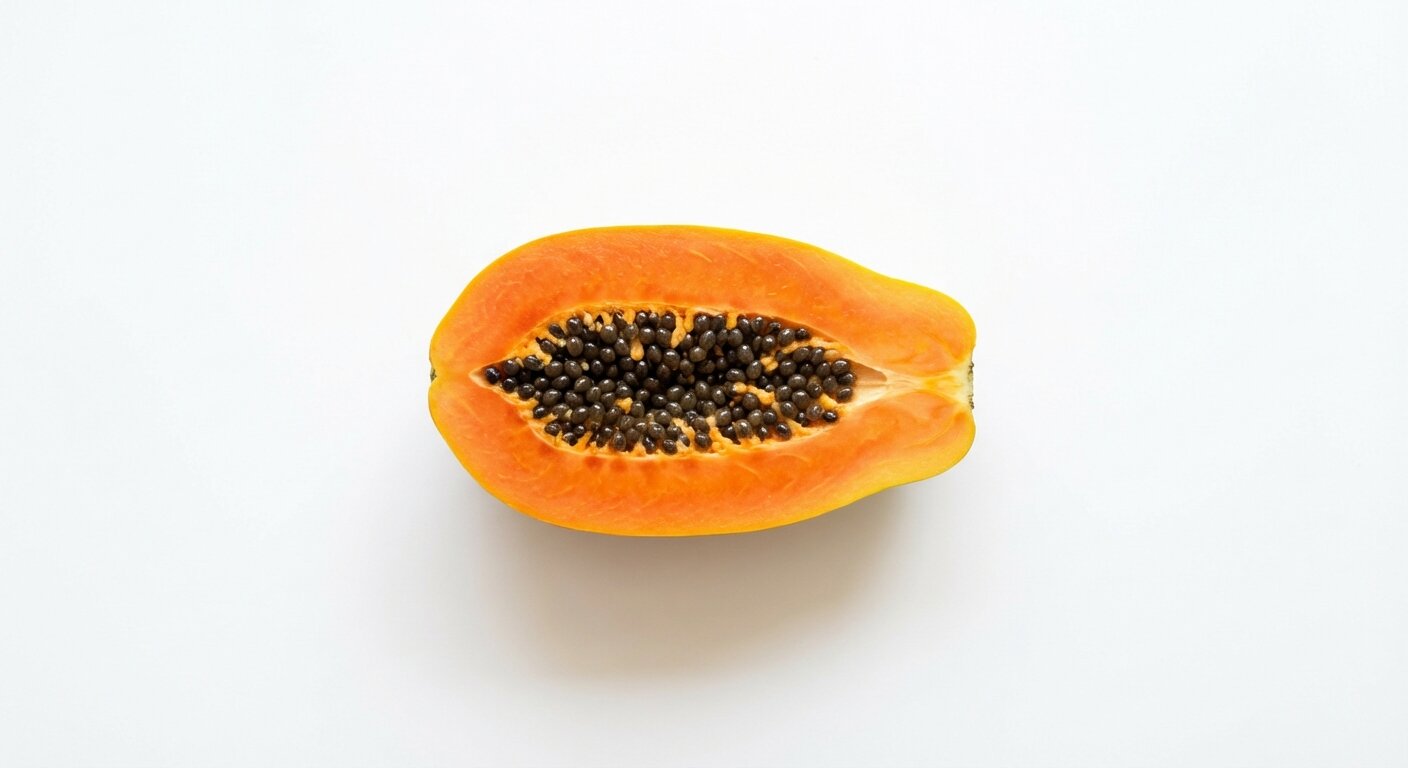
Papaya is a vibrant tropical fruit that’s become increasingly popular in health-conscious diets, and for good reason. Whether you’re tracking macros for weight loss, muscle building, or simply maintaining a balanced diet, understanding papaya’s nutritional profile helps you make informed choices about incorporating this nutrient-dense fruit into your meal plan.
This comprehensive guide breaks down everything you need to know about papaya macros, from detailed calorie and macronutrient content across different serving sizes to practical tips for fitting papaya into various dietary approaches. We’ll explore how papaya compares to other fruits, its unique health benefits beyond basic macros, and strategic ways to use this tropical powerhouse to support your nutrition goals.
Ready to optimize your fruit intake? Use our macro calculator to determine your personalized daily targets, then discover how papaya fits perfectly into your customized plan.
Papaya Macros Breakdown
Understanding the exact macronutrient composition of papaya is essential for accurate tracking and meal planning. Let’s examine the nutritional profile across common serving sizes.
Fresh Papaya (Raw)
Per 1 cup (145g) cubed:
- Calories: 62
- Protein: 0.7g
- Carbohydrates: 16g
- Fiber: 2.5g
- Sugars: 11g
- Net carbs: 13.5g
- Fat: 0.4g
- Saturated fat: 0.1g
- Monounsaturated fat: 0.1g
- Polyunsaturated fat: 0.1g
Per 100g (reference amount):
- Calories: 43
- Protein: 0.5g
- Carbohydrates: 11g
- Fiber: 1.7g
- Sugars: 7.8g
- Fat: 0.3g
Per medium papaya (275g edible portion):
- Calories: 119
- Protein: 1.3g
- Carbohydrates: 30g
- Fiber: 4.7g
- Sugars: 21.5g
- Fat: 0.8g
Macronutrient Distribution
Papaya’s caloric breakdown reveals its carbohydrate-dominant composition:
- Carbohydrates: 87% of total calories
- Protein: 5% of total calories
- Fat: 8% of total calories
This distribution makes papaya an excellent choice when you need a clean carbohydrate source without significant fat or protein, ideal for pre-workout energy or post-workout glycogen replenishment when paired with protein sources.
Different Papaya Varieties
Macro content varies slightly by variety:
Hawaiian Papaya (Solo):
- Smaller fruit (about 1 pound)
- Slightly sweeter (8-9g sugar per 100g)
- 40-45 calories per 100g
Mexican Papaya (Maradol):
- Larger fruit (up to 10 pounds)
- Similar macros per 100g to Hawaiian
- 43-47 calories per 100g
- Slightly less sweet when underripe
The macro differences between varieties are negligible for tracking purposes. Choose based on availability and taste preference rather than macro optimization.
Papaya in Different Forms
Processing and preparation methods can significantly alter papaya’s macro profile and nutrient bioavailability.
Dried Papaya
Per 1/4 cup (40g):
- Calories: 140
- Protein: 0.5g
- Carbohydrates: 35g
- Fiber: 2g
- Sugars: 25g (often includes added sugar)
- Fat: 0g
Key differences from fresh:
- Water removal concentrates all nutrients and sugars
- Calorie density increases 3-4x per weight
- Many commercial brands add sugar (check labels)
- Portion control becomes critical
Macro tracking tip: Always check nutrition labels on dried papaya. Sugar content can range from 20g to 35g per 1/4 cup depending on whether sugar has been added. Look for “unsweetened” or “no sugar added” varieties for macro-friendly options.
Frozen Papaya
Per 1 cup (140g):
- Calories: 60
- Protein: 0.7g
- Carbohydrates: 15g
- Fiber: 2.5g
- Fat: 0.4g
Advantages:
- Nearly identical macros to fresh
- No added sugars (plain frozen)
- Longer shelf life reduces waste
- Pre-portioned convenience
- Often less expensive
Frozen papaya maintains its macro profile excellently, making it a practical choice for smoothies and meal prep. The freezing process doesn’t significantly impact calorie or macronutrient content.
Papaya Juice
Per 1 cup (240ml):
- Calories: 110-140 (varies by brand)
- Protein: 0.5g
- Carbohydrates: 28-35g
- Fiber: 0-0.5g
- Fat: 0g
Critical considerations:
- Fiber is removed during juicing
- Sugar concentration increases
- Satiety factor decreases dramatically
- Easy to overconsume calories
- Often contains added sugars
Recommendation: Whole papaya is significantly superior for macro-conscious eating. Juicing removes fiber (reducing satiety), concentrates sugars, and makes it easier to consume excess calories. If you choose juice, measure portions carefully and account for the 110-140 calories per cup.
Canned Papaya
Per 1/2 cup (120g) in light syrup:
- Calories: 75-95
- Protein: 0.3g
- Carbohydrates: 19-24g
- Fiber: 1g
- Fat: 0.1g
Watch for:
- Added sugars in syrup (adds 15-30 calories per serving)
- Reduced fiber content
- Sodium content (in some brands)
For macro tracking, fresh or frozen papaya remains the superior choice over canned varieties due to lower added sugars and better nutrient preservation.
Comparing Papaya to Other Tropical Fruits
How does papaya stack up macronutrient-wise against other popular tropical fruits? This comparison helps you make strategic fruit choices based on your macro targets.
Calorie Comparison (per 1 cup)
| Fruit | Calories | Protein | Carbs | Fiber | Fat |
|---|---|---|---|---|---|
| Papaya | 62 | 0.7g | 16g | 2.5g | 0.4g |
| Mango | 99 | 1.4g | 25g | 2.6g | 0.6g |
| Pineapple | 83 | 0.9g | 22g | 2.3g | 0.2g |
| Banana | 134 | 1.6g | 34g | 3.9g | 0.5g |
| Watermelon | 46 | 0.9g | 12g | 0.6g | 0.2g |
| Cantaloupe | 54 | 1.3g | 13g | 1.6g | 0.3g |
Key insights:
Lowest calorie: Watermelon (46 cal/cup), followed by cantaloupe (54 cal/cup) and papaya (62 cal/cup)
Highest protein: Banana (1.6g/cup), though none are significant protein sources
Lowest carb: Watermelon (12g/cup), followed by cantaloupe (13g/cup) and papaya (16g/cup)
Highest fiber: Banana (3.9g/cup), followed by mango and papaya (2.5-2.6g/cup)
For macro tracking:
- Weight loss: Papaya, watermelon, and cantaloupe offer the best volume-to-calorie ratio
- Pre-workout carbs: Mango or banana provide more carbohydrates per serving
- Low-carb diets: Papaya and watermelon are more keto-friendly than banana or mango
- Satiety: Papaya’s balance of fiber and water content offers good fullness at low calories
Sugar Content Comparison
Natural sugar content matters for blood glucose management and satiety:
- Papaya: 11g per cup
- Mango: 23g per cup
- Pineapple: 16g per cup
- Banana: 18g per cup (medium)
- Watermelon: 9g per cup
- Cantaloupe: 13g per cup
Papaya sits in the moderate range for fruit sugars. While it contains natural fructose, the fiber content and overall nutrient density make it a reasonable choice for most people, including those monitoring blood sugar (in appropriate portions).
Micronutrients: Beyond the Macros
While macros matter for energy balance and body composition, papaya’s micronutrient profile provides substantial health benefits that complement your macro tracking goals.
Vitamin C Powerhouse
Per 1 cup: 88mg (98% Daily Value)
Papaya is an exceptional vitamin C source, providing nearly your entire daily requirement in just one cup. This matters for macro-focused individuals because vitamin C:
- Supports collagen synthesis for joint health during training
- Acts as a powerful antioxidant reducing exercise-induced oxidative stress
- Enhances iron absorption from plant foods
- Supports immune function during caloric restriction
Practical application: If you’re cutting calories for fat loss, vitamin C becomes especially important. One cup of papaya covers your needs without adding significant calories to your daily total.
Vitamin A and Carotenoids
Per 1 cup:
- Vitamin A: 1,532 IU (31% DV)
- Beta-carotene: 919 mcg
- Lycopene: 1,828 mcg
The bright orange flesh indicates high carotenoid content. These compounds:
- Support eye health and vision
- Act as antioxidants protecting cells from damage
- May support skin health and appearance
- Contribute to immune function
Lycopene, the same beneficial compound found in tomatoes, is present in significant amounts in papaya. Research suggests lycopene may support heart health and reduce oxidative stress.
Folate (Vitamin B9)
Per 1 cup: 53 mcg (13% DV)
Folate is essential for:
- Cell division and growth
- Protein metabolism
- Red blood cell formation
- DNA synthesis
For individuals tracking macros and consuming high protein, adequate folate supports proper protein metabolism and recovery.
Potassium
Per 1 cup: 360mg (10% DV)
Potassium becomes especially important when:
- Training intensely (electrolyte balance)
- Eating in a caloric deficit
- Consuming high protein (balancing acid load)
- Managing blood pressure
Papaya provides a meaningful potassium contribution without the higher calories of bananas (422mg but 134 calories per cup).
Digestive Enzymes: Papain
Beyond standard nutrients, papaya contains papain, a proteolytic enzyme that breaks down proteins. While not a macronutrient, papain may:
- Support protein digestion
- Reduce bloating after high-protein meals
- Improve nutrient absorption
- Soothe digestive discomfort
Practical tip: Some bodybuilders and high-protein dieters eat papaya specifically after protein-rich meals to support digestion. While research is limited, the enzyme content is real and may provide subjective digestive benefits.
Papaya for Different Macro Goals
How you incorporate papaya into your diet should align with your specific macronutrient targets and fitness goals.
Papaya for Fat Loss
Why it works:
- Low calorie density (62 cal/cup vs 134 for banana)
- High water content (88%) promotes fullness
- Fiber content supports satiety and digestion
- Natural sweetness satisfies cravings
- Nutrient-dense despite low calories
Strategic use for cutting:
1. Volume eating strategy: One cup of papaya provides substantial volume and sweetness for only 62 calories, allowing you to feel satisfied while maintaining a caloric deficit.
2. Dessert replacement: Instead of 300-calorie desserts, 1.5 cups of papaya with a squeeze of lime provides 93 calories and feels indulgent.
3. Pre-meal filler: Eating papaya 15-20 minutes before meals can reduce overall calorie intake by increasing satiety.
Sample fat loss macros with papaya:
- Daily target: 1,600 calories, 130g protein, 150g carbs, 50g fat
- Breakfast: Greek yogurt (100g) + papaya (1 cup) + berries
- Provides: 200 calories, 15g protein, 30g carbs, 3g fat
- Leaves plenty of macros for protein-rich meals later
Papaya for Muscle Building
Challenges:
- Low protein content (0.7g/cup)
- Moderate carbohydrate density
Solutions:
- Pair strategically with protein sources
- Use as a carbohydrate source for glycogen replenishment
- Time around training for performance benefits
Strategic use for bulking:
1. Post-workout recovery: Combine 1-1.5 cups papaya with a protein source:
- Papaya (1 cup): 16g carbs, 62 calories
- Protein shake (30g whey): 30g protein, 120 calories
- Total: 30g protein, 16g carbs, 182 calories
- Perfect post-training recovery without excess fat
2. Breakfast carb source: Blend into high-protein smoothies:
- Papaya (1 cup): 16g carbs
- Greek yogurt (200g): 20g protein, 10g carbs
- Banana: 27g carbs
- Protein powder (1 scoop): 25g protein
- Total: 45g protein, 53g carbs, 450 calories
3. Between-meal snacks: For clean bulking, add papaya to cottage cheese:
- Cottage cheese (150g): 18g protein, 6g carbs
- Papaya (3/4 cup): 12g carbs
- Almonds (28g): 6g protein, 6g carbs, 14g fat
- Total: 24g protein, 24g carbs, 14g fat, 320 calories
Sample muscle-building macros with papaya:
- Daily target: 2,800 calories, 180g protein, 350g carbs, 80g fat
- Papaya contribution: 2 servings = 32g carbs, 124 calories
- Pairs with 6-7 high-protein meals throughout the day
Papaya for Low-Carb Diets
Carb content: 16g total carbs, 13.5g net carbs per cup
Keto compatibility:
- Strict keto (20-25g net carbs/day): Challenging, small portions only
- Moderate keto (30-50g net carbs/day): Possible with 1/2 cup servings
- Liberal low-carb (50-100g carbs/day): Easily fits in 1-cup servings
Strategic use for low-carb:
1. Small portion approach:
- 1/2 cup serving: 8g carbs, 31 calories
- Provides fruit variety without exceeding limits
- Pair with high-fat foods (nuts, cheese) for satiety
2. Post-workout timing:
- Time your papaya serving post-workout when muscles are insulin-sensitive
- Carbs are preferentially stored as glycogen rather than fat
- Supports recovery without kicking you out of ketosis
3. Cyclical approach:
- Save papaya for higher-carb refeed days
- Enjoy normal servings (1 cup) on training days
- Skip on rest days for stricter carb control
Better low-carb fruits for comparison:
- Berries: Strawberries (11g carbs/cup), blueberries (21g carbs/cup)
- Melons: Watermelon (11g carbs/cup)
- Citrus: Grapefruit (13g carbs/half fruit)
If carb restriction is your priority, berries and melons offer more volume per carb gram than papaya.
Papaya for Athletes and Performance
Pre-workout benefits:
- Fast-digesting carbs (low fiber relative to carb content)
- Natural sugars for quick energy
- Easy to digest (papain enzyme assists)
- Doesn’t cause GI distress during exercise
Timing recommendations:
1. Pre-workout (30-60 minutes before):
- 1-1.5 cups papaya: 16-24g carbs
- Optional: Add protein (Greek yogurt, whey) for sustained energy
- Provides glycogen without weighing you down
2. Intra-workout (for endurance):
- Papaya isn’t practical during exercise (requires refrigeration, utensils)
- Better options: dates, bananas, sports drinks
3. Post-workout (within 30-120 minutes):
- 1-2 cups papaya: 16-32g carbs
- Combine with 25-40g protein
- Replenishes glycogen stores
- Vitamin C supports recovery
Sample athlete meal timing with papaya:
- 7:00 AM: Breakfast (protein + fats + complex carbs)
- 9:30 AM: Pre-workout snack - Papaya (1 cup) + Greek yogurt
- 10:00 AM: Training
- 11:30 AM: Post-workout - Protein shake + papaya (1.5 cups)
- Total papaya macros: 40g carbs, 155 calories supporting training
Practical Ways to Track Papaya Macros
Accurate tracking requires understanding portioning and preparation methods.
How to Measure Papaya Portions
By volume (easiest for tracking):
- 1 cup cubed = 145g = 62 calories
- 1/2 cup cubed = 72g = 31 calories
- 2 cups cubed = 290g = 124 calories
By weight (most accurate):
- Use a food scale
- Weigh after removing skin and seeds
- 100g = 43 calories (easy to calculate)
- 250g = 107.5 calories
By whole fruit:
- Small papaya (200g flesh) = 86 calories, 22g carbs
- Medium papaya (275g flesh) = 119 calories, 30g carbs
- Large papaya (400g flesh) = 172 calories, 44g carbs
Pro tip: Cup measurements work well for daily tracking, but invest in a food scale for precision during cutting phases. A 20-calorie difference (half cup vs actual weight) can add up over multiple servings daily.
Tracking Papaya in Different Preparations
Fresh papaya:
- Track as “papaya, raw, cubed” in your app
- Most databases default to 1 cup = 145g
- MyFitnessPal, Cronometer, and MacrosFirst all have accurate entries
Papaya smoothie:
- Measure papaya BEFORE blending
- 1 cup papaya = 16g carbs regardless of liquid added
- Don’t forget other ingredients (liquid, protein powder, other fruits)
Papaya with yogurt/cottage cheese:
- Track each component separately
- Papaya: 1 cup = 16g carbs
- Greek yogurt: 150g = 15g protein, 7g carbs
- Total: 15g protein, 23g carbs
Frozen papaya:
- Slightly more accurate than fresh (pre-measured)
- Track same as fresh: 1 cup frozen = 60 calories
- If using in smoothies, measure frozen then blend
Papaya salad (Thai-style):
- Green papaya has similar macros to ripe
- Account for dressing, peanuts, and other ingredients
- Green papaya alone: ~40 calories per cup shredded
Common Tracking Mistakes
1. Not accounting for waste:
- Whole papaya weight includes 33-40% skin and seeds
- A 500g papaya yields only ~300g edible flesh
- Always track edible portion only
2. Eyeballing portions:
- “Half a papaya” varies wildly (100-300g)
- Cups can be loosely or tightly packed
- Solution: Measure at least initially to calibrate
3. Forgetting dried papaya differences:
- 1/4 cup dried ≠ 1 cup fresh
- Dried is 3-4x more calorie-dense
- Check if sugar is added (many brands add 10-15g)
4. Not accounting for added ingredients:
- Lime juice: negligible (5-10 calories)
- Honey drizzle: 60 calories per tablespoon
- Granola topping: 50-100 calories per 1/4 cup
- These additions can double your macro intake
5. Using incorrect database entries:
- Verify entries against USDA data
- Look for “raw, fresh” not “sweetened” or “in syrup”
- Cross-reference with package labels for store-bought
Meal Prep and Batch Tracking
Weekly prep approach:
1. Purchase and prep:
- Buy 2-3 papayas per week
- Cut and cube all at once
- Store in airtight containers (stays fresh 3-4 days)
2. Pre-portion for accuracy:
- Use small containers with 1-cup portions
- Label with weight for precision
- Grab-and-go convenience with perfect tracking
3. Track once, replicate:
- Create custom meals in your tracking app
- “Papaya breakfast bowl” = papaya + yogurt + toppings
- Input once, log repeatedly throughout week
4. Freeze extras:
- Cube papaya
- Freeze on baking sheet (prevents clumping)
- Transfer to freezer bags (labeled with weight)
- Perfect for smoothies, tracked accurately
Health Benefits Beyond Macros
While macro tracking focuses on energy balance and body composition, papaya offers health benefits that support your fitness goals indirectly.
Digestive Health and Protein Absorption
The enzyme papain in papaya can be particularly beneficial for individuals consuming high-protein diets:
How it works:
- Papain breaks down protein bonds into smaller peptides and amino acids
- May reduce bloating and digestive discomfort after large meals
- Could improve amino acid bioavailability
Research insights: A 2013 study in the Journal of Medicinal Food found that papain supplementation improved digestive symptoms in individuals with irritable bowel syndrome. While eating whole papaya differs from isolated enzyme supplements, the papain content may provide similar benefits.
Practical application: If you experience digestive discomfort from high-protein meals (200g+ daily), try including 1/2 to 1 cup of papaya with or after protein-rich meals. Many bodybuilders report subjective improvements in digestion and reduced bloating.
Anti-Inflammatory Properties
Chronic inflammation can interfere with recovery and performance:
Anti-inflammatory compounds in papaya:
- Papain
- Chymopapain
- Carotenoids (beta-carotene, lycopene)
- Vitamin C
Research evidence: A 2011 study in Molecular Nutrition & Food Research found that papaya’s carotenoid content demonstrated anti-inflammatory effects in cell studies. A 2012 study showed papaya extract reduced inflammatory markers in individuals with inflammation.
For athletes: Intense training creates inflammatory responses. While some inflammation is necessary for adaptation, excessive inflammation impairs recovery. Papaya’s anti-inflammatory compounds, combined with its low-calorie profile, make it a strategic choice for active individuals.
Immune System Support
Caloric restriction and intense training both stress the immune system:
Immune-supporting nutrients:
- Vitamin C: 88mg per cup (98% DV)
- Vitamin A: 1,532 IU per cup (31% DV)
- Folate: supports immune cell production
Why this matters during fat loss:
- Caloric deficits can reduce immune function
- Micronutrient deficiencies become more likely
- Increased illness risk interrupts training consistency
Strategy: Including nutrient-dense, low-calorie foods like papaya helps maintain micronutrient intake while cutting calories. One cup provides nearly your entire vitamin C requirement for only 62 calories.
Heart Health
Cardiovascular-supporting compounds:
- Fiber: 2.5g per cup
- Potassium: 360mg per cup
- Lycopene: 1,828 mcg per cup
- Antioxidants: multiple carotenoids
Evidence: A 2014 review in Nutrients found that increased lycopene intake was associated with reduced cardiovascular disease risk. While papaya alone won’t prevent heart disease, its nutrient profile supports cardiovascular health as part of a balanced diet.
For macro-conscious individuals: Heart health supports training capacity and longevity. Papaya provides cardiovascular benefits without excessive calories or macros that might conflict with body composition goals.
Skin Health and Appearance
While not directly related to macros, appearance matters to many fitness enthusiasts:
Skin-supporting nutrients:
- Vitamin C: collagen synthesis
- Vitamin A: cell turnover and repair
- Lycopene: UV protection
- Hydration: 88% water content
Topical and internal benefits: Research shows vitamin C is essential for collagen production, supporting skin elasticity and appearance. The high vitamin C content in papaya contributes to your daily needs without impacting your macro targets significantly.
Recipes and Meal Ideas
Practical recipes help you incorporate papaya into your macro-tracked diet without guesswork.
Breakfast Ideas
High-Protein Papaya Bowl Macros: 350 calories, 35g protein, 42g carbs, 5g fat
Ingredients:
- 1 cup papaya cubes (62 cal, 0.7g P, 16g C, 0.4g F)
- 200g Greek yogurt, nonfat (140 cal, 24g P, 10g C, 0g F)
- 1 scoop vanilla protein powder (120 cal, 25g P, 3g C, 1g F)
- 1/4 cup blueberries (20 cal, 0g P, 5g C, 0g F)
- 1 tbsp chia seeds (70 cal, 2g P, 6g C, 4.5g F)
Instructions:
- Mix Greek yogurt with protein powder
- Top with papaya, blueberries, and chia seeds
- Optional: Add cinnamon or vanilla extract (no macro impact)
Tracking tip: Create this as a custom meal in your app called “Protein Papaya Bowl” for quick logging.
Tropical Smoothie Bowl Macros: 280 calories, 20g protein, 48g carbs, 2g fat
Ingredients:
- 1.5 cups frozen papaya (93 cal, 1g P, 24g C, 0.6g F)
- 1/2 cup pineapple chunks (41 cal, 0.5g P, 11g C, 0.1g F)
- 150g vanilla Greek yogurt (105 cal, 15g P, 8g C, 0g F)
- 1/2 scoop vanilla protein powder (60 cal, 12.5g P, 1.5g C, 0.5g F)
- 1/4 cup unsweetened almond milk (8 cal, 0.3g P, 0.3g C, 0.7g F)
Instructions:
- Blend all ingredients until smooth and thick
- Pour into bowl
- Top with fresh papaya slices, coconut flakes (measured), or granola (measured)
Note: Toppings add macros! Account for each addition.
Snack Ideas
Papaya & Cottage Cheese Macros: 180 calories, 18g protein, 20g carbs, 2g fat
Ingredients:
- 1 cup papaya cubes (62 cal, 0.7g P, 16g C, 0.4g F)
- 3/4 cup low-fat cottage cheese (120 cal, 18g P, 4g C, 2g F)
- Squeeze of lime juice
- Pinch of Tajín or chili powder (optional, 0 calories)
Instructions:
- Combine cottage cheese and papaya in a bowl
- Squeeze lime over top
- Sprinkle with spices if desired
Perfect for: Between-meal protein boost, satisfying sweet cravings while hitting protein targets.
Pre-Workout Papaya Energy Bites (makes 12 servings) Macros per bite: 85 calories, 3g protein, 12g carbs, 3g fat
Ingredients:
- 1 cup dried papaya, unsweetened, chopped (280 cal, 1g P, 70g C, 0g F)
- 1 cup dates, pitted (415 cal, 3.5g P, 110g C, 0.5g F)
- 1/4 cup vanilla protein powder (120 cal, 25g P, 3g C, 1g F)
- 1/4 cup almond butter (200 cal, 8g P, 8g C, 18g F)
- 2 tbsp chia seeds (140 cal, 4.8g P, 12g C, 9g F)
Total: 1,155 cal, 42g P, 203g C, 28.5g F Per bite (1/12): 96 cal, 3.5g P, 17g C, 2.4g F
Instructions:
- Process dates and dried papaya in food processor until paste forms
- Add protein powder, almond butter, and chia seeds
- Process until combined
- Roll into 12 equal balls
- Refrigerate in airtight container up to 1 week
Perfect for: Pre-workout energy, convenient on-the-go snack with balanced macros.
Post-Workout Ideas
Recovery Smoothie Macros: 320 calories, 35g protein, 38g carbs, 3g fat
Ingredients:
- 1.5 cups fresh papaya (93 cal, 1g P, 24g C, 0.6g F)
- 1.5 scoops vanilla whey protein (180 cal, 37.5g P, 4.5g C, 1.5g F)
- 1 cup unsweetened almond milk (30 cal, 1g P, 1g C, 2.5g F)
- 1/2 cup ice
- 1/4 tsp vanilla extract
Instructions:
- Blend papaya, protein powder, and almond milk until smooth
- Add ice and blend again
- Adjust thickness with more liquid if needed
Why it works: Fast-digesting carbs from papaya + rapidly absorbed whey protein = optimal post-workout recovery. The 1:1 carb-to-protein ratio is ideal for glycogen replenishment and muscle protein synthesis.
Tropical Protein Parfait Macros: 285 calories, 30g protein, 32g carbs, 3g fat
Ingredients:
- 1 cup papaya cubes (62 cal, 0.7g P, 16g C, 0.4g F)
- 175g plain nonfat Greek yogurt (100 cal, 17.5g P, 7g C, 0g F)
- 1/2 scoop vanilla protein powder (60 cal, 12.5g P, 1.5g C, 0.5g F)
- 1/4 cup mango chunks (25 cal, 0.4g P, 6g C, 0.2g F)
- 1 tbsp unsweetened coconut flakes (35 cal, 0.3g P, 1.3g C, 3.5g F)
Instructions:
- Mix Greek yogurt with protein powder
- Layer: yogurt mixture, papaya, mango
- Top with coconut flakes
Perfect timing: Within 2 hours post-workout for recovery.
Lunch/Dinner Ideas
Thai-Inspired Papaya Salad (Som Tam) Macros: 240 calories, 12g protein, 25g carbs, 10g fat
Ingredients:
- 2 cups shredded green papaya (86 cal, 1.4g P, 22g C, 0.6g F)
- 1 cup cherry tomatoes, halved (27 cal, 1.3g P, 6g C, 0.3g F)
- 2 tbsp peanuts, crushed (105 cal, 4.5g P, 3.5g C, 9g F)
- 1 tbsp fish sauce (10 cal, 1.5g P, 1g C, 0g F)
- 1 tbsp lime juice (4 cal, 0.1g P, 1.3g C, 0g F)
- 1 clove garlic, minced (4 cal, 0.2g P, 1g C, 0g F)
- 1 tsp honey (21 cal, 0g P, 6g C, 0g F)
- Chili flakes to taste
Instructions:
- Pound garlic and chili in mortar (or mince finely)
- Mix fish sauce, lime juice, and honey
- Toss with shredded papaya and tomatoes
- Top with crushed peanuts
- Let sit 10 minutes to marinate
Macro note: This uses green (unripe) papaya, which has similar macros to ripe. For higher protein, add grilled shrimp (100g = 24g protein, 100 calories).
Grilled Chicken with Papaya Salsa Macros: 340 calories, 45g protein, 18g carbs, 8g fat
For the chicken:
- 200g chicken breast (330 cal, 62g P, 0g C, 7g F)
For the salsa (makes 2 servings):
- 1 cup papaya, diced (62 cal, 0.7g P, 16g C, 0.4g F)
- 1/4 cup red onion, diced (16 cal, 0.4g P, 3.7g C, 0g F)
- 2 tbsp cilantro, chopped (0 cal)
- 1 tbsp lime juice (4 cal, 0.1g P, 1.3g C, 0g F)
- 1 jalapeño, minced (4 cal, 0.1g P, 0.9g C, 0g F)
- Salt and pepper to taste
Salsa total: 86 cal, 1.3g P, 21.9g C, 0.4g F Per serving (half): 43 cal, 0.65g P, 11g C, 0.2g F
Chicken serving: 165 cal, 31g P, 0g C, 3.5g F
Combined: 208 cal, 31.65g P, 11g C, 3.7g F
Instructions:
- Season chicken breast with salt, pepper, cumin
- Grill until internal temp reaches 165°F
- Combine all salsa ingredients
- Serve chicken topped with papaya salsa
Perfect for: Lean protein source with fresh, low-calorie accompaniment that adds flavor without excess macros.
Dessert Ideas
Papaya “Ice Cream” Macros: 95 calories, 1g protein, 24g carbs, 0.6g fat
Ingredients:
- 1.5 cups frozen papaya chunks (93 cal, 1g P, 24g C, 0.6g F)
- 1-2 tbsp unsweetened almond milk (4 cal, 0.1g P, 0.1g C, 0.3g F)
- Optional: stevia or monk fruit sweetener (0 calories)
- Optional: 1/2 tsp vanilla extract (6 cal)
Instructions:
- Freeze papaya chunks at least 4 hours (or use pre-frozen)
- Blend frozen papaya with minimal almond milk until smooth
- Add sweetener if desired
- Serve immediately for soft-serve texture, or refreeze 30 minutes for firmer consistency
Why it works: Satisfies ice cream cravings for under 100 calories with natural sweetness and no added sugar. Compare to regular ice cream (200-300 cal per serving) - massive calorie savings.
Papaya Protein Popsicles (makes 6) Macros per popsicle: 45 calories, 4g protein, 7g carbs, 0.3g fat
Ingredients:
- 2 cups fresh papaya (124 cal, 1.4g P, 32g C, 0.8g F)
- 1 cup coconut water (46 cal, 1.7g P, 9g C, 0.5g F)
- 2 scoops vanilla protein powder (240 cal, 50g P, 6g C, 2g F)
- Juice of 1 lime (20 cal, 0.3g P, 6.7g C, 0.1g F)
Total: 430 cal, 53.4g P, 53.7g C, 3.4g F Per popsicle (1/6): 72 cal, 8.9g P, 9g C, 0.6g F
Instructions:
- Blend all ingredients until completely smooth
- Pour into 6 popsicle molds
- Insert sticks and freeze minimum 4 hours
- Run mold under warm water briefly to release
Perfect for: Post-workout frozen treat, satisfying sweet tooth while hitting protein targets, kid-friendly macro-friendly dessert.
Papaya Macros FAQ
How does ripe vs unripe papaya affect macros?
Ripeness affects the type of carbohydrates but not significantly the total amount. Unripe (green) papaya contains more resistant starch and less simple sugars compared to ripe papaya. As papaya ripens, enzymes convert starches into simple sugars, increasing sweetness.
Macro differences:
- Green papaya: ~40 cal per 100g, 9-10g total carbs, 1-2g sugars
- Ripe papaya: ~43 cal per 100g, 11g total carbs, 7-8g sugars
The difference is minimal for tracking purposes (1-2g carbs per serving). Choose based on:
- Digestibility: Ripe papaya is easier to digest due to higher enzyme content
- Recipe needs: Green papaya works for savory dishes (salads); ripe for sweet applications
- Blood sugar: Green papaya has slightly lower glycemic impact due to resistant starch
Tracking recommendation: Unless you’re extremely carb-restricted (strict keto), the difference doesn’t materially impact your macros. Track both as “papaya, raw” at 43 calories per 100g.
Can I eat papaya on keto?
Papaya is challenging but not impossible on ketogenic diets, depending on your specific carb limit.
Strict keto (20-25g net carbs daily):
- 1 cup papaya = 13.5g net carbs
- Uses 54-68% of your daily allowance
- Not recommended as a daily fruit choice
- Better options: berries (lower carbs per volume)
Moderate keto (30-50g net carbs daily):
- 1/2 cup papaya = 6.75g net carbs
- More manageable portion
- Can fit if planned carefully
- Track meticulously
Cyclical keto or targeted keto:
- Save papaya for carb-up days (cyclical)
- Or consume pre-workout (targeted) when carbs fuel performance
Best keto-friendly fruits:
- Strawberries: 8g net carbs per cup
- Raspberries: 7g net carbs per cup
- Watermelon: 11g net carbs per cup
- Cantaloupe: 12g net carbs per cup
Bottom line: Papaya isn’t ideal for strict keto but can work in moderation on liberal low-carb approaches or strategic timing protocols.
Does papaya spike insulin?
Papaya has a moderate glycemic index (GI) and low glycemic load (GL), meaning it causes a relatively modest insulin response compared to high-GI foods.
Glycemic metrics:
- Glycemic Index (GI): 60 (medium)
- Glycemic Load (GL) per serving: 9 (low)
What this means:
- GI measures how quickly a food raises blood sugar
- GL accounts for portion size and total carbs
- Papaya’s GL is low because serving sizes contain moderate carbs
Comparison to other fruits:
- Watermelon: GI 72 (high), GL 4 per cup (low due to high water content)
- Banana: GI 51 (medium), GL 13 per medium banana (medium)
- Apple: GI 36 (low), GL 6 per medium apple (low)
Factors affecting insulin response:
- Fiber content: Papaya’s 2.5g fiber per cup slows sugar absorption
- Fat/protein pairing: Adding protein or fat further reduces insulin spike
- Ripeness: Riper papaya has more simple sugars (higher GI)
- Individual variation: Insulin sensitivity varies by person
Practical recommendations:
- Pair papaya with protein or fat to reduce insulin response
- Eat whole papaya, not juice (fiber matters)
- Time around exercise when insulin sensitivity is higher
- Not problematic for most healthy individuals in reasonable portions
For diabetics or insulin-resistant individuals: Monitor your individual response with a glucose meter. Most people tolerate 1/2 to 1 cup portions without problematic blood sugar spikes, especially when paired with protein.
Is papaya good before or after a workout?
Both! The optimal timing depends on your specific goals and the context of your workout.
Pre-workout (30-60 minutes before):
Pros:
- Fast-digesting carbs provide quick energy
- Low fiber relative to carbs (won’t cause GI distress)
- Natural sugars fuel high-intensity work
- Papain enzyme aids digestion
Ideal for:
- Endurance workouts (running, cycling)
- High-intensity training (CrossFit, HIIT)
- Morning workouts when glycogen is depleted
- When training in a fasted or semi-fasted state
Serving size: 1-1.5 cups (16-24g carbs)
Example: 1 cup papaya + 1/2 scoop protein powder = 16g carbs, 12g protein, 110 calories. Provides energy without weighing you down.
Post-workout (within 30-120 minutes):
Pros:
- Replenishes muscle glycogen
- Simple sugars trigger insulin (drives nutrients into muscles)
- Pairs perfectly with protein for recovery
- Vitamin C supports recovery and reduces oxidative stress
Ideal for:
- Resistance training
- Glycogen-depleting workouts
- When building or maintaining muscle
- When training volume is high
Serving size: 1-2 cups (16-32g carbs) + 25-40g protein
Example: 1.5 cups papaya + protein shake = 24g carbs, 30g protein, 240 calories. Optimal 1:1+ carb-to-protein ratio for recovery.
Bottom line: Papaya works both pre- and post-workout. Use pre-workout for energy; use post-workout for recovery. Many athletes use it both times on heavy training days.
Can I eat papaya every day while tracking macros?
Yes! Papaya can be part of a daily macro-tracked diet for most people, assuming it fits your targets and you’re consuming a varied diet.
Daily papaya considerations:
1. Fits your macros:
- 1 cup daily = 62 calories, 16g carbs
- Shouldn’t significantly impact most macro splits
- Easy to incorporate into 1,500+ calorie diets
2. Nutrient variety:
- Don’t rely on papaya as your only fruit
- Rotate with berries, apples, citrus for varied nutrients
- Different fruits provide different phytonutrients
3. Digestive tolerance:
- Most people tolerate daily papaya well
- Some may experience loose stools (papain enzyme)
- Start with smaller servings if concerned
4. Carb allowance:
- On low-carb diets, daily papaya may consume too much of your carb budget
- On moderate-higher carb diets, no issue
Sample daily integration:
- Breakfast: 1 cup papaya with Greek yogurt (16g carbs)
- Morning macros: 62 calories, 16g carbs out of 150-300g daily target
- Leaves: 134-284g carbs for remaining meals
Who should eat papaya daily:
- Individuals tracking macros with 150g+ daily carbs
- Athletes needing consistent carb sources
- People who enjoy the taste and find it sustainable
- Those seeking vitamin C-rich, low-calorie fruits
Who should vary:
- Strict keto dieters (too many carbs)
- Those with FODMAP sensitivities (papaya is moderate FODMAP)
- Anyone experiencing digestive issues
Bottom line: Daily papaya is fine for most macro-trackers. Ensure it fits your carb allowance and you’re eating varied fruits and vegetables overall.
How much papaya is too much?
While papaya is healthy, excessive consumption can cause issues even when tracking macros.
Practical upper limits:
For most people:
- 2-3 cups daily (290-435g) is reasonable
- Provides: 124-186 calories, 32-48g carbs
- Multiple servings provide benefits without excess
Why more might be problematic:
1. Excessive fiber:
- 3+ cups = 7.5g+ fiber from papaya alone
- Combined with fiber from other sources → digestive discomfort
- Can cause bloating, gas, or loose stools
2. Papain overload:
- Papain in large amounts may cause:
- Diarrhea or loose stools
- Stomach irritation
- Throat irritation (rare)
3. Carotenoid excess:
- Extremely high carotenoid intake can cause carotenemia
- Skin takes on orange/yellow tint (harmless but cosmetically undesirable)
- Requires consistent very high intake (4+ cups daily for weeks)
4. Carb displacement:
- Eating 4+ cups = 64g+ carbs from papaya
- May crowd out other important nutrients
- Reduces macro flexibility for other foods
5. Blood sugar concerns:
- For diabetics, 3+ cups might cause blood sugar issues
- Even with fiber, total carb load increases
Practical guidelines:
- Most people: 1-2 cups daily is optimal
- Athletes/active individuals: Up to 3 cups on training days
- Low-carb dieters: 1/2 to 1 cup max
- Anyone experiencing digestive issues: Reduce to 1 cup or less
Signs you’re eating too much:
- Loose stools or diarrhea
- Bloating or gas
- Stomach discomfort
- Yellowish skin tint (carotenemia)
Bottom line: 1-2 cups daily (145-290g) fits well into most macro-tracked diets. Beyond 3-4 cups, diminishing returns and potential issues increase.
Does papaya help with digestion when eating high protein?
Many bodybuilders and high-protein dieters believe papaya aids digestion, and there’s scientific basis for this claim.
How papaya supports protein digestion:
1. Papain enzyme:
- Proteolytic enzyme that breaks down protein bonds
- Cleaves peptide bonds between amino acids
- Reduces protein into smaller, more digestible fragments
2. Chymopapain:
- Another proteolytic enzyme in papaya
- Works synergistically with papain
- Particularly active in ripe papaya
3. Fiber content:
- 2.5g per cup supports gut motility
- Helps move protein through digestive tract
- Reduces constipation (common on high-protein diets)
Scientific evidence:
Study 1: Research in Neuroendocrinology Letters (2013) found papain supplementation reduced bloating and constipation in IBS patients. While this used concentrated papain, whole fruit contains the same enzyme.
Study 2: Journal of Medicinal Food (2013) showed papaya preparation improved digestion and reduced gastrointestinal symptoms.
Study 3: In vitro studies demonstrate papain effectively breaks down various proteins, including meat proteins.
Practical application for high-protein diets:
Timing:
- Eat papaya with or immediately after high-protein meals
- 1/2 to 1 cup per meal with 40g+ protein
- Allow 10-15 minutes for enzyme activity
Example scenarios:
Post-gym meal:
- 200g chicken breast (62g protein)
- 1 cup rice (45g carbs)
- 1 cup papaya (16g carbs, papain for digestion)
- Total: 62g protein, 61g carbs, papain to assist protein breakdown
High-protein breakfast:
- 4-egg omelet (28g protein)
- 2 slices toast (26g carbs)
- 1 cup papaya (16g carbs, digestive enzymes)
- Reduces potential bloating from egg protein
Limitations:
- Stomach acid may denature some papain (reduces effectiveness)
- Individual results vary based on digestive health
- Not a replacement for adequate hydration and fiber
Who benefits most:
- Individuals consuming 200g+ daily protein
- Those experiencing bloating or constipation from high protein
- People with sluggish digestion
- Anyone eating large protein meals (50g+ per meal)
Bottom line: Papaya’s papain content likely provides modest digestive benefits for high-protein dieters. While not miraculous, anecdotal reports from bodybuilders and some research support its use. At 62 calories per cup, it’s a low-cost experiment worth trying if you experience digestive discomfort on high-protein diets.
Are there any downsides to eating papaya?
While papaya is generally healthy, some individuals should exercise caution or avoid it entirely.
Potential downsides:
1. Allergic reactions:
- Cross-reactivity with latex allergy (latex-fruit syndrome)
- Symptoms: itching, swelling, hives, difficulty breathing
- Papain protein structure similar to latex proteins
- If latex-allergic, introduce papaya cautiously or avoid
2. Digestive issues:
- Papain can cause diarrhea in sensitive individuals
- High fiber may cause bloating or gas
- Green papaya has higher enzyme content (more potential for issues)
3. Pregnancy concerns:
- Unripe papaya: Contains high papain and latex
- May stimulate uterine contractions (traditional abortifacient)
- Ripe papaya: Generally considered safe in normal food amounts
- Recommendation: Pregnant women should avoid unripe papaya and consult doctors about ripe papaya
4. Blood sugar medications:
- Papaya’s carbs affect blood sugar
- May interact with diabetes medications
- Monitor blood glucose if diabetic and consuming papaya regularly
5. Blood thinning effects:
- High vitamin K content affects blood clotting
- May interact with warfarin or other anticoagulants
- Consistency matters more than avoidance (stable intake = stable medication dosing)
6. FODMAP content:
- Papaya contains moderate FODMAPs (fermentable carbs)
- May trigger symptoms in IBS patients
- Low FODMAP serving: 1/4 cup (about 35g)
- Standard serving of 1 cup may cause issues
7. Kidney stones:
- High vitamin C converts to oxalates
- Individuals prone to calcium oxalate kidney stones may need to moderate
- Papaya isn’t extremely high compared to spinach or almonds, but consider total diet
8. Pesticide residues:
- Papaya is often grown with pesticides
- Not on “Dirty Dozen” list (moderate pesticide levels)
- Wash thoroughly or buy organic if concerned
Who should be cautious:
- Pregnant women (avoid unripe papaya)
- Latex-allergic individuals
- People with IBS or FODMAP sensitivities
- Those on blood thinners or diabetes medications
- Individuals prone to kidney stones
Who can eat freely:
- Most healthy adults
- Athletes and active individuals
- People tracking macros without medical conditions
- Anyone without allergies or sensitivities
Bottom line: For most people tracking macros, papaya is safe and beneficial. If you have latex allergies, IBS, or are pregnant, exercise caution or consult a healthcare provider.
Frequently Asked Questions
What are the macros in 1 cup of papaya?
One cup (145g) of fresh papaya cubes contains approximately 62 calories, 0.7g protein, 16g carbohydrates (including 2.5g fiber and 11g natural sugars), and 0.4g fat. This macronutrient profile makes papaya an excellent low-calorie carbohydrate source that provides volume and satiety without significantly impacting your daily calorie budget.
The 2.5g of fiber contributes to digestive health and helps slow the absorption of the natural sugars, preventing rapid blood glucose spikes. With only 13.5g net carbs (total carbs minus fiber), papaya can fit into various dietary approaches including moderate low-carb diets, though it’s challenging for strict ketogenic diets under 20g daily carbs.
The minimal protein and fat content mean you’ll need to pair papaya with protein-rich foods if you’re trying to hit protein macros. It works excellently as a carbohydrate source for pre- or post-workout nutrition when combined with protein powder, Greek yogurt, or other high-protein foods.
From a micronutrient perspective, that single cup also delivers 88mg of vitamin C (98% of your daily value), making papaya one of the most nutrient-dense, low-calorie foods available for macro-conscious individuals.
Is papaya high in sugar?
Papaya contains moderate natural fruit sugars, with about 11g per cup, which is actually lower than many popular fruits. To put this in perspective, a cup of grapes contains 23g of sugar, a medium banana has 14g, and a cup of mango has 23g. Papaya falls in the lower-middle range of fruit sugar content.
The key distinction is that papaya’s sugars are naturally occurring fructose and glucose, not added sugars. These natural sugars come packaged with fiber (2.5g per cup), water (88% of papaya’s weight), vitamins, minerals, and beneficial plant compounds. The fiber content helps slow sugar absorption, preventing rapid blood sugar spikes and providing sustained energy rather than a quick crash.
For individuals tracking macros, the question isn’t whether papaya contains sugar (it does, like all fruit), but whether it fits your carbohydrate budget. With 16g total carbs per cup, papaya can easily fit into most macro splits, from fat loss diets (typically 100-150g carbs daily) to muscle building plans (250-400g carbs daily).
The glycemic load of papaya is low (GL of 9 per serving), meaning the actual impact on blood sugar is modest despite containing natural sugars. For most people, including those monitoring blood glucose, one cup of papaya causes a gentle, sustained rise in blood sugar rather than a sharp spike, especially when paired with protein or fat.
If you’re specifically avoiding sugar for reasons beyond macro tracking (like treating candida overgrowth or following a therapeutic ketogenic diet), papaya might not align with your goals. However, for general macro tracking and health, papaya’s natural sugar content is not problematic and comes with substantial nutritional benefits.
Can I eat papaya on a low-carb diet?
Papaya can fit into low-carb diets depending on how strictly you’re restricting carbohydrates and your personal carb tolerance. The determining factors are your daily carb limit and how you strategically use your carb budget.
For strict ketogenic diets (20-25g net carbs daily): Papaya is challenging. One cup contains 13.5g net carbs, using 54-68% of your entire daily allowance. While not impossible, it significantly limits other carb-containing foods for the rest of the day. Most people following strict keto find lower-carb fruits like berries (strawberries have 8g net carbs per cup) more practical for fitting in fruit while maintaining ketosis.
For moderate low-carb diets (50-100g net carbs daily): Papaya works well in controlled portions. A 1/2 cup serving (6.75g net carbs) or even a full cup (13.5g net carbs) can fit comfortably within your daily limits while still leaving substantial carb budget for vegetables, nuts, and other nutrient-dense foods. This approach allows you to enjoy the taste and nutritional benefits of papaya without compromising your low-carb lifestyle.
Strategic timing approaches: Even on stricter low-carb diets, timing your papaya consumption can improve compatibility. Targeted ketogenic diet (TKD) practitioners consume their limited carbs around workouts when muscles are most insulin-sensitive and carbs fuel performance rather than disrupting ketosis. Eating 1/2 to 1 cup of papaya 30-60 minutes pre-workout provides quick energy for high-intensity training. Cyclical ketogenic diet (CKD) followers save papaya for carb-refeed days, enjoying normal portions during scheduled higher-carb periods.
Better low-carb fruit options for comparison:
- Berries (strawberries, raspberries, blackberries): 6-8g net carbs per cup
- Watermelon: 11g net carbs per cup
- Cantaloupe: 12g net carbs per cup
If maximizing volume while minimizing carbs is your goal, berries and melons provide more bang for your carb buck. However, if you enjoy papaya and can fit it into your plan, there’s no reason to avoid it entirely.
The bottom line: Papaya isn’t ideal for very strict keto (under 25g daily carbs) but can work for moderate low-carb approaches (50-100g daily carbs), especially when portioned carefully or timed strategically around training.
Does papaya have protein?
Papaya is not a significant protein source, containing only 0.7g per cup (145g) or 0.5g per 100g. For comparison, this is roughly the same as most fruits and vegetables, which are primarily carbohydrate-based foods rather than protein sources.
To put this in perspective relative to your daily protein needs: if you’re tracking macros with a target of 150g protein daily (common for active individuals), one cup of papaya provides less than 0.5% of your daily requirement. Even if you ate an entire medium papaya (275g of flesh), you’d only get 1.3g protein—still negligible.
Why this matters for macro tracking: Because papaya provides essentially no protein, you must pair it strategically with protein-rich foods to create balanced meals or snacks that help you hit your daily protein targets.
Strategic pairings for protein balance:
Breakfast combinations:
- Papaya (1 cup, 0.7g P) + Greek yogurt (200g, 20g P) + protein powder (1 scoop, 25g P) = 45.7g protein
- Papaya (1 cup, 0.7g P) + cottage cheese (150g, 18g P) + eggs (2, 12g P) = 30.7g protein
Snack combinations:
- Papaya (1 cup, 0.7g P) + low-fat cottage cheese (3/4 cup, 18g P) = 18.7g protein
- Papaya smoothie: papaya (1 cup, 0.7g P) + protein powder (1.5 scoops, 37.5g P) + almond milk = 38.2g protein
Post-workout combinations:
- Papaya (1.5 cups, 1g P) + whey protein shake (2 scoops, 50g P) = 51g protein
- Papaya (1 cup, 0.7g P) + grilled chicken (200g, 62g P) = 62.7g protein
Plant-based protein combinations:
- Papaya (1 cup, 0.7g P) + tofu (150g, 15g P) + hemp seeds (3 tbsp, 10g P) = 25.7g protein
The key takeaway: Treat papaya as a carbohydrate and micronutrient source, not a protein source. When planning meals and snacks, always pair papaya with substantial protein to create balanced macronutrient ratios that support your goals, whether that’s muscle building, fat loss, or body recomposition.
If hitting protein macros is challenging for you, consider using our macro calculator to determine your optimal protein target and exploring our guide to high-protein foods for strategic pairing options.
How many calories in a whole papaya?
The calorie content of a whole papaya varies significantly based on size, but understanding these ranges helps with accurate macro tracking.
Small papaya (about 200g edible flesh):
- Approximately 86 calories
- 22g carbohydrates
- 3.4g fiber
- Typical weight with skin/seeds: 300-350g
Medium papaya (about 275g edible flesh):
- Approximately 119 calories
- 30g carbohydrates
- 4.7g fiber
- Typical weight with skin/seeds: 400-500g
Large papaya (about 400g edible flesh):
- Approximately 172 calories
- 44g carbohydrates
- 6.8g fiber
- Typical weight with skin/seeds: 600-700g
Extra-large papaya, especially Mexican varieties (up to 600g edible flesh):
- Approximately 258 calories
- 66g carbohydrates
- 10g fiber
- Typical weight with skin/seeds: 900-1200g
Critical tracking note: The edible portion of papaya is roughly 60-65% of total weight. When you buy a 500g papaya at the store, approximately 175-200g is skin and seeds (waste), leaving about 300-325g of flesh you’ll actually eat.
For accurate tracking:
Method 1 - Weight before prep (easier):
- Weigh entire papaya
- Calculate 65% for edible portion
- Example: 500g whole papaya × 0.65 = 325g flesh = 140 calories
Method 2 - Weight after prep (most accurate):
- Cut papaya and remove skin/seeds
- Weigh only the flesh you’re eating
- Track using 43 calories per 100g
- Example: 275g flesh = 118 calories
Method 3 - Volume measurement (convenient):
- Cut into cubes and measure
- Use 62 calories per cup (145g)
- Example: Medium papaya yields about 2 cups = 124 calories
Why accuracy matters: If you’re consistently off by 50-100 calories daily (easy when estimating whole fruit sizes), that’s 350-700 calories weekly—enough to slow or stall fat loss progress or cause unintended weight gain during bulking phases.
Practical recommendations:
- For fat loss: Use a food scale for accuracy during cutting phases
- For maintenance/bulking: Volume measurements (cups) are sufficient
- For meal prep: Weigh once when portioning, then replicate
- Restaurant/on-the-go: Estimate 120 calories for medium papaya (slightly overestimate for safety)
Most meal tracking apps default to “1 medium papaya” at approximately 120 calories. This is reasonable for general tracking but can vary ±30 calories depending on actual size.
Is papaya good for weight loss?
Yes, papaya is an excellent fruit choice for weight loss due to several factors that support caloric restriction and fat loss while maintaining nutrition and satiety.
Why papaya supports weight loss:
1. Low calorie density: With only 62 calories per cup (145g), papaya provides substantial volume and eating satisfaction without consuming significant calories. Compare this to energy-dense foods like nuts (almonds have 828 calories per cup) or even moderate-density fruits like bananas (200 calories per 1.5 cups to match papaya’s volume). Papaya lets you eat more food volume while consuming fewer calories—a key strategy for sustainable fat loss.
2. High water content: Papaya is 88% water by weight. High water content increases the volume and weight of food without adding calories, promoting fullness and satisfaction. Research in the American Journal of Clinical Nutrition shows high water content foods improve satiety and reduce overall calorie intake at subsequent meals.
3. Fiber content: Each cup provides 2.5g of dietary fiber. Fiber slows gastric emptying, promotes feelings of fullness, and stabilizes blood sugar levels—all factors that reduce hunger and support adherence to a caloric deficit. While 2.5g isn’t massive, it contributes meaningfully to your daily target (25-35g for most people).
4. Natural sweetness satisfies cravings: Many people struggle with fat loss diets because they miss sweets. Papaya’s natural sweetness (11g natural sugars per cup) can satisfy sweet cravings for only 62 calories, compared to 200-400 calories for processed desserts. This psychological satisfaction improves diet adherence—the most important factor in successful weight loss.
5. Nutrient density prevents deficiencies: When eating in a caloric deficit, micronutrient intake becomes critical. Papaya delivers 98% of your daily vitamin C needs, 31% of vitamin A, and meaningful amounts of folate and potassium for only 62 calories. This nutrient density helps prevent the deficiencies that can occur during restrictive dieting.
6. Digestive enzyme support: The papain enzyme may support digestion and reduce bloating, which while not directly causing fat loss, improves how you feel during your diet and may improve nutrient absorption from protein-rich foods.
Strategic use for weight loss:
Pre-meal strategy: Eat 1 cup of papaya 15-20 minutes before main meals. The volume and fiber promote satiety, potentially reducing calories consumed during the meal itself. Some research suggests this “pre-loading” strategy reduces overall meal intake by 10-15%.
Dessert replacement: Instead of 300-500 calorie desserts, enjoy 1-1.5 cups of papaya with a squeeze of lime or sprinkle of cinnamon. Saves 250-450 calories daily (1,750-3,150 weekly) while still satisfying sweet tooth.
Volume eating meals: Build low-calorie, high-volume meals incorporating papaya:
- Breakfast: Greek yogurt (150g, 90 cal) + papaya (1 cup, 62 cal) + berries (1/2 cup, 30 cal) = 182 calories, very filling
- Compare to: Bagel (240 cal) + cream cheese (100 cal) = 340 calories, less filling
Snack strategy: Use papaya as a between-meal snack to prevent excessive hunger that leads to overeating:
- Mid-morning: 1 cup papaya + 1/2 cup cottage cheese = 150 calories, 12g protein
- Prevents the 3 PM vending machine raid (300-500 calories of less nutritious food)
Real-world example macro plan for fat loss with papaya:
- Daily targets: 1,600 calories, 130g protein, 150g carbs, 50g fat
- Breakfast: Papaya (1 cup, 62 cal, 16g C) + egg scramble (3 eggs, 216 cal, 18g P, 14g F)
- Snack: Papaya (1/2 cup, 31 cal, 8g C) + cottage cheese (1/2 cup, 80 cal, 12g P)
- Lunch: Grilled chicken salad with lean protein and vegetables (450 cal, 50g P, 25g C, 15g F)
- Snack: Protein shake (200 cal, 40g P, 8g C)
- Dinner: Salmon with vegetables (450 cal, 35g P, 20g C, 18g F)
- Total: 1,489 calories, 155g protein, 77g carbs, 47g fat (under target, allowing flexibility)
Important considerations:
Not a magic fat-loss food: Papaya doesn’t “burn fat” or boost metabolism significantly. Weight loss comes from consistent caloric deficit. Papaya simply makes that deficit easier to maintain due to its volume, nutrition, and low calories.
Pair with protein: Because papaya has minimal protein, ensure you’re meeting protein targets (0.7-1g per lb body weight) through other sources. Protein preserves muscle mass during fat loss.
Don’t overdo it: While papaya is great for weight loss, eating 4+ cups daily displaces other nutritious foods. Aim for 1-2 cups daily as part of a varied diet.
Track accurately: Even low-calorie foods add up. Measure portions and track in your app to ensure you’re truly maintaining your deficit.
Bottom line: Papaya is one of the better fruit choices for weight loss due to low calories, high volume, and good nutrition. Incorporate 1-2 servings daily as part of a structured, protein-adequate fat-loss diet for best results. For personalized macro targets to optimize your fat loss, use our macro calculator and check out our complete guide to calculating macros for fat loss.
What’s the best time to eat papaya for macros?
The optimal timing for eating papaya depends on your specific macro goals, training schedule, and overall dietary strategy. Here’s how to time papaya intake strategically.
Pre-workout (30-60 minutes before training):
Best for:
- Providing quick energy for high-intensity workouts
- Endurance activities (running, cycling, swimming)
- Morning training sessions when glycogen is depleted
- Individuals who train fasted or semi-fasted
Why it works: Papaya’s 16g carbs per cup are primarily simple sugars that digest quickly and enter the bloodstream rapidly, providing readily available glucose for working muscles. Unlike high-fiber foods that can cause GI distress during exercise, papaya’s moderate fiber (2.5g per cup) is well-tolerated by most people. The papain enzyme further aids digestion, reducing the risk of stomach discomfort during training.
How much: 1-1.5 cups (16-24g carbs) provides sufficient energy without overloading your system. Pair with a small amount of protein (10-15g from Greek yogurt or protein powder) if your workout exceeds 60 minutes.
Example: 1 cup papaya + 1/2 scoop protein powder = 16g carbs, 12g protein, 110 calories consumed 45 minutes before gym
Post-workout (within 30-120 minutes after training):
Best for:
- Muscle recovery and glycogen replenishment
- Resistance training
- High-volume or glycogen-depleting workouts
- Muscle building or body recomposition goals
Why it works: After training, muscles are insulin-sensitive and primed to absorb nutrients. Papaya’s fast-digesting carbs trigger an insulin response that drives amino acids into muscle cells for recovery and replenishes depleted glycogen stores. Combining papaya with protein creates an optimal recovery environment. Additionally, papaya’s vitamin C (88mg per cup) acts as an antioxidant, reducing exercise-induced oxidative stress and supporting recovery.
How much: 1-2 cups (16-32g carbs) paired with 25-40g protein. The ideal carb-to-protein ratio post-workout is roughly 1:1 to 2:1 depending on workout intensity and your body weight.
Example: 1.5 cups papaya + 2 scoops whey protein + water = 24g carbs, 50g protein, 300 calories within 60 minutes post-workout
Breakfast (morning meal):
Best for:
- Starting the day with micronutrients
- Individuals who prefer fruit in the morning
- Replenishing glycogen after overnight fast
- Adding volume and nutrition without excess calories
Why it works: After 8-12 hours of fasting overnight, liver glycogen is partially depleted. Papaya’s carbs help restore glycogen levels, providing energy for the day ahead. The 98% daily value of vitamin C supports immune function, and the fiber aids morning digestion. Pairing with high-protein foods creates a balanced breakfast that controls appetite and sets you up for better food choices throughout the day.
How much: 1 cup (16g carbs) combined with protein-rich foods to create a balanced meal.
Example: 200g Greek yogurt + 1 cup papaya + 1 tbsp chia seeds = 24g protein, 28g carbs, 5g fat, 260 calories—filling, nutritious breakfast
Between meals (strategic snacking):
Best for:
- Controlling hunger between main meals
- Preventing overeating at subsequent meals
- Managing energy levels during the day
- Satisfying sweet cravings without derailing macros
Why it works: The combination of water, fiber, and natural sugars provides satiety and energy without consuming excessive calories. Strategic snacking prevents the excessive hunger that leads to overeating or poor food choices.
How much: 1/2 to 1 cup (8-16g carbs), optionally paired with protein for better satiety.
Example: Mid-afternoon snack of 3/4 cup papaya + 1/2 cup cottage cheese = 12g protein, 15g carbs, 120 calories
Evening/dessert (post-dinner):
Best for:
- Satisfying sweet cravings after dinner
- Individuals who struggle with evening snacking
- Replacing high-calorie desserts
- Those who don’t train in evenings
Why it works: Many people struggle with diet adherence due to evening cravings for sweets. Papaya provides natural sweetness and satisfaction for only 62 calories per cup—far less than ice cream (200-300 cal), cookies (150-200 cal per serving), or other typical desserts. This substitution creates significant calorie savings over time.
How much: 1-1.5 cups (16-24g carbs) as a standalone dessert or mixed with other low-calorie toppings.
Example: 1 cup papaya + 1/2 cup frozen blueberries + squeeze of lime + mint leaves = 24g carbs, 82 calories—satisfying, sweet, macro-friendly dessert
Avoid timing papaya:
During workouts: Papaya requires refrigeration, utensils, and isn’t practical for intra-workout consumption. Choose more portable options like bananas or dates if you need mid-workout carbs.
Right before bed (if carb-sensitive): Some individuals find carbohydrates close to bedtime disrupt sleep or cause morning water retention. If you’re carb-sensitive, time papaya earlier in the day.
Bottom line: Papaya is versatile and can be timed strategically based on your schedule and goals:
- For energy: Pre-workout
- For recovery: Post-workout
- For satiety: Between meals
- For sweet cravings: Evening dessert replacement
- For balanced nutrition: Breakfast
Experiment to find what works best for your body, schedule, and preferences. The “best” time is the time that helps you stick to your overall macro plan consistently.
Does ripe vs unripe papaya affect macros?
The ripeness of papaya does affect its macronutrient composition, though the differences are relatively minor for most macro-tracking purposes. Understanding these differences helps you make informed choices based on your goals and taste preferences.
Macro differences: Unripe (green) vs Ripe (orange) papaya:
Unripe green papaya (per 100g):
- Calories: 39-40
- Total carbohydrates: 9-10g
- Sugars: 1-2g
- Starch: 7-8g (resistant starch)
- Fiber: 2g
- Protein: 0.6g
- Fat: 0.1g
Ripe papaya (per 100g):
- Calories: 43
- Total carbohydrates: 11g
- Sugars: 7-8g
- Starch: 1-2g
- Fiber: 1.7g
- Protein: 0.5g
- Fat: 0.3g
Key differences explained:
1. Starch converts to sugar: As papaya ripens, enzymes break down resistant starch into simple sugars (primarily fructose and glucose). This is why ripe papaya tastes much sweeter than green papaya. The total carbohydrate content increases slightly (about 1-2g per 100g), and the composition shifts from mostly starch to mostly sugars.
2. Calorie increase: The slight increase in total carbohydrates means ripe papaya has marginally more calories (about 3-4 calories per 100g, or about 4-6 calories per cup). For practical macro tracking, this difference is negligible.
3. Fiber changes: Unripe papaya may have slightly more fiber initially, but the difference is small (0.2-0.3g per 100g). Both provide similar fiber content for macro-tracking purposes.
4. Digestibility: Ripe papaya is significantly easier to digest due to higher papain enzyme content and the breakdown of resistant starches. Unripe papaya’s resistant starch behaves more like fiber—it resists digestion in the small intestine and ferments in the colon.
Practical implications for macro tracking:
Blood sugar impact:
- Unripe papaya has a lower glycemic index due to resistant starch
- Ripe papaya’s simple sugars cause a faster (though still moderate) blood sugar rise
- For diabetics or those monitoring blood glucose, green papaya may be slightly preferable
Digestive comfort:
- Ripe papaya is easier to digest and less likely to cause gas or bloating
- Unripe papaya’s resistant starch can ferment in the gut, potentially causing GI discomfort in sensitive individuals
- For those with digestive issues, ripe papaya is usually better tolerated
Culinary applications:
- Unripe green papaya is used in savory applications (Thai papaya salad, slaws, stir-fries)
- Ripe papaya is used in sweet applications (smoothies, fruit bowls, desserts)
- Both can be tracked using similar macro values with minor adjustments
Tracking recommendations:
For standard macro tracking: Use the same values for both ripe and unripe papaya. The differences are too small to materially impact your daily totals. Track as “papaya, raw” at 43 calories per 100g or 62 calories per cup regardless of ripeness.
For precise tracking during aggressive fat-loss phases: If you’re tracking with extreme precision (cutting for competition, last few pounds of fat loss), you could use:
- Green papaya: 40 cal per 100g
- Ripe papaya: 43 cal per 100g
However, this level of precision is rarely necessary and can create unnecessary complexity.
For blood sugar management: If you’re diabetic or insulin-resistant and monitoring your individual response, track your blood glucose 1-2 hours after eating unripe vs ripe papaya to see if you respond differently. Most people will see only minor differences.
Other considerations beyond macros:
Nutrient content: Ripe papaya generally has higher concentrations of vitamin A, vitamin C, and carotenoids compared to unripe papaya. From a micronutrient perspective, ripe papaya offers more nutritional benefits.
Enzyme content: Ripe papaya has higher papain enzyme content, potentially offering better digestive benefits when paired with high-protein meals.
Pregnancy considerations: Unripe papaya is traditionally avoided during pregnancy due to high papain and latex content, which may stimulate uterine contractions. Ripe papaya is generally considered safe in normal food amounts during pregnancy.
Bottom line: For most people tracking macros, the ripeness of papaya doesn’t significantly affect your tracking or results. Unripe papaya has slightly fewer sugars and more resistant starch, while ripe papaya is sweeter and easier to digest. Choose based on your taste preferences, culinary needs, and digestive comfort. Track both as standard papaya (43 cal per 100g or 62 cal per cup) unless you’re pursuing extreme precision in a competitive setting.
The 1-2g carb difference per serving won’t make or break your physique goals. Consistency in tracking and adherence to your overall macro targets matters far more than obsessing over the ripeness of your papaya.
Conclusion
Papaya is a macro-friendly tropical fruit that deserves a place in most nutrition plans. With only 62 calories per cup, 16g of carbohydrates, and negligible fat and protein, it provides substantial volume and nutrition without consuming excessive calories—making it ideal for anyone tracking macros, whether for fat loss, muscle building, or general health.
Key takeaways for macro-conscious eating:
1. Versatile carb source: Papaya works strategically as a pre-workout energy source, post-workout recovery carb, or between-meal snack that satisfies sweet cravings without derailing your calorie budget.
2. Excellent volume-to-calorie ratio: At 62 calories per cup, papaya allows volume eating strategies that promote satiety during caloric restriction—crucial for sustainable fat loss.
3. Nutrient-dense beyond macros: The 98% daily value of vitamin C, substantial vitamin A, and digestive enzymes provide health benefits that support training, recovery, and overall wellness without macro compromise.
4. Strategic pairing required: With minimal protein (0.7g per cup), always pair papaya with protein-rich foods to create balanced meals that support muscle maintenance and growth.
5. Flexible for various diets: Papaya fits into moderate-carb, low-calorie, high-protein, and athlete-focused nutrition plans. It’s challenging for strict keto but works for most other approaches.
6. Accurate tracking matters: Measure portions by weight or volume, track in your app, and account for preparation methods (fresh vs dried vs juice) to maintain accuracy in your macro totals.
Final recommendations:
- For fat loss: Use papaya as a dessert replacement and pre-meal volume filler (1-2 cups daily)
- For muscle building: Time papaya around training paired with protein for recovery (1-2 cups post-workout)
- For general health: Include 1-2 cups daily as part of varied fruit intake for micronutrient diversity
- For low-carb: Limit to 1/2-1 cup portions or time strategically around training
Whether you’re cutting, bulking, or maintaining, papaya offers a delicious, nutritious way to fill your carbohydrate macros while supporting your health and fitness goals. Track it accurately, pair it strategically with protein, and enjoy this tropical powerhouse as part of your macro-optimized nutrition plan.
Ready to optimize your entire macro plan? Use our macro calculator to determine your personalized targets, then explore our comprehensive guides on how to track your macros and how to hit your macros every day for complete nutrition success.
Related Articles
Dragonfruit Macros: Complete Nutrition Guide for Pitaya
Complete macro breakdown of dragonfruit (pitaya). Learn the calories, protein, carbs, and...
Read guide →
Bulgur Macros: Complete Nutritional Guide & Health Benefits
Discover bulgur's complete macro breakdown, nutritional benefits, and how to incorporate...
Read guide →
Radish Macros: Nutrition Facts and Health Benefits
Complete guide to radish macros and nutrition. Learn calories, protein, carbs, and health...
Read guide →Note: Nutrition values are approximate and may vary based on preparation method and source.