Pumpkin Seeds Macros: Complete Nutrition Guide & Benefits
Reviewed by Jessica Williams, CPT, CSCS
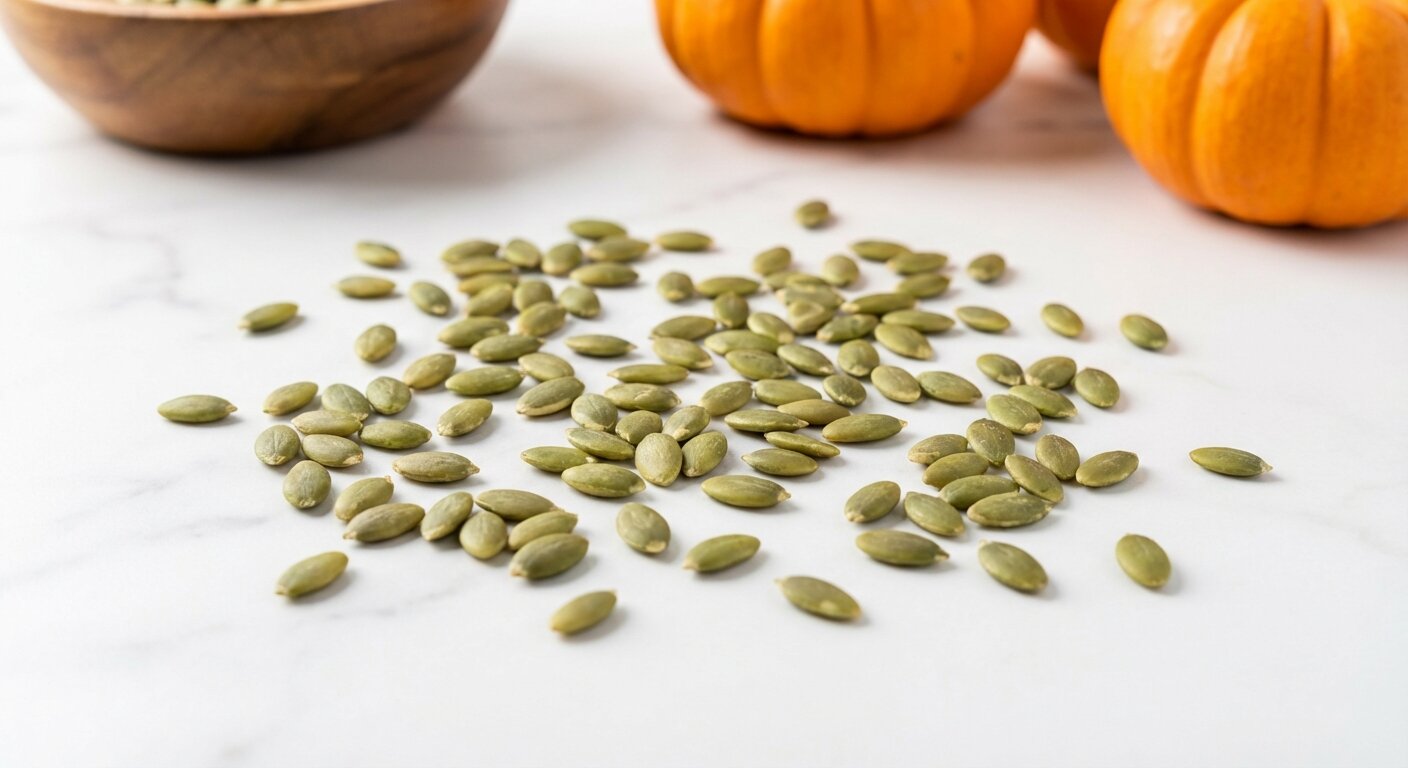
Pumpkin seeds, also known as pepitas, are one of nature’s most nutrient-dense snacks. Whether you’re tracking macros for weight loss, muscle gain, or general health, understanding the nutritional profile of these green powerhouses can help you make informed dietary choices.
From their impressive mineral content to their balanced macro ratio, pumpkin seeds pack serious nutrition into a small package. But how do they fit into your daily macro targets? Let’s break down everything you need to know about pumpkin seeds macros, their health benefits, and how to incorporate them strategically into your meal plan.
Ready to optimize your nutrition? Use our macro calculator to determine your personalized macro targets and see exactly how pumpkin seeds fit into your daily plan.
Related: Learn more about what macros are and how they impact your diet.
Pumpkin Seeds Macros: Complete Breakdown
Understanding the macro and micronutrient content of pumpkin seeds helps you track them accurately and appreciate their nutritional value.
Macros per 1 oz (28g) Serving
| Nutrient | Amount | % Daily Value* |
|---|---|---|
| Calories | 151 | 8% |
| Protein | 5g | 10% |
| Carbohydrates | 5g | 2% |
| Fiber | 1.7g | 6% |
| Net Carbs | 3.3g | - |
| Total Fat | 13g | 17% |
| Saturated Fat | 2.5g | 12% |
| Monounsaturated Fat | 4g | - |
| Polyunsaturated Fat | 6g | - |
*Based on a 2,000 calorie diet
Key Micronutrients per 1 oz
Pumpkin seeds are exceptionally rich in several essential minerals:
- Magnesium: 156mg (37% DV) - Critical for muscle function, energy production, and bone health
- Phosphorus: 329mg (26% DV) - Essential for bone health and energy metabolism
- Manganese: 0.7mg (30% DV) - Important for metabolism and antioxidant function
- Iron: 2.5mg (14% DV) - Crucial for oxygen transport and energy
- Zinc: 2.2mg (20% DV) - Supports immune function, wound healing, and protein synthesis
- Copper: 0.4mg (44% DV) - Necessary for iron metabolism and nervous system health
- Vitamin K: 7.3mcg (6% DV) - Important for blood clotting and bone health
Macro Ratio Analysis
Pumpkin seeds have a unique macro distribution that sets them apart from other common snacks:
Macro Percentage Breakdown:
- Fat: 77% of calories (13g × 9 cal/g = 117 calories)
- Carbohydrates: 13% of calories (5g × 4 cal/g = 20 calories)
- Protein: 13% of calories (5g × 4 cal/g = 20 calories)
This fat-dominant profile makes pumpkin seeds:
- Excellent for ketogenic diets with low net carbs
- Ideal for sustained energy without blood sugar spikes
- Satisfying as a snack due to the fat and protein combination
- Calorie-dense, requiring careful portion control
Comparing to Other Seeds and Nuts
| Food (1 oz) | Calories | Protein | Carbs | Fat | Net Carbs |
|---|---|---|---|---|---|
| Pumpkin Seeds | 151 | 5g | 5g | 13g | 3.3g |
| Sunflower Seeds | 165 | 5.5g | 6.8g | 14g | 4.2g |
| Chia Seeds | 137 | 4.7g | 12g | 8.6g | 1.7g |
| Almonds | 164 | 6g | 6g | 14g | 2.5g |
| Cashews | 157 | 5g | 9g | 12g | 8g |
| Walnuts | 185 | 4.3g | 3.9g | 18.5g | 2g |
Key takeaways:
- Pumpkin seeds are moderate in calories compared to other nuts/seeds
- Protein content is competitive with most nuts
- Lower in net carbs than cashews, making them more keto-friendly
- Higher in carbs than walnuts but with more protein
- Similar fat content to most nuts, with healthy unsaturated fats predominating
Health Benefits of Pumpkin Seeds
Beyond their impressive macro profile, pumpkin seeds offer numerous evidence-based health benefits:
1. Heart Health Support
The combination of healthy fats, magnesium, zinc, and antioxidants in pumpkin seeds supports cardiovascular health in multiple ways:
- Monounsaturated and polyunsaturated fats help improve cholesterol profiles
- Magnesium supports healthy blood pressure regulation
- Antioxidants (including vitamin E and carotenoids) reduce oxidative stress
- Studies suggest regular nut and seed consumption is associated with reduced heart disease risk
2. Prostate and Urinary Health
Pumpkin seeds have a long history of use for prostate and bladder health:
- Zinc content is particularly important for prostate function
- Research indicates pumpkin seed oil may help with symptoms of benign prostatic hyperplasia (BPH)
- Some studies show benefits for overactive bladder symptoms
- The nutrient-dense profile supports overall reproductive health
3. Blood Sugar Management
Despite containing carbohydrates, pumpkin seeds may actually support blood sugar control:
- Low glycemic impact due to high fat and protein content
- Magnesium plays a crucial role in insulin sensitivity
- The combination of protein, fat, and fiber slows carbohydrate absorption
- Studies suggest improved glycemic control with regular seed consumption
4. Sleep Quality and Mood
The amino acid and mineral profile of pumpkin seeds supports neurotransmitter production:
- Tryptophan (an amino acid) is a precursor to serotonin and melatonin
- Magnesium supports relaxation and sleep quality
- Zinc is important for brain function and mood regulation
- Some evidence suggests improved sleep quality with regular consumption
5. Immune System Support
Several nutrients in pumpkin seeds are critical for immune function:
- Zinc is essential for immune cell development and function
- Vitamin E acts as an antioxidant protecting immune cells
- Iron supports immune response
- Selenium (present in smaller amounts) has antioxidant properties
6. Bone Health
The mineral profile contributes to maintaining strong bones:
- Magnesium is crucial for bone structure and calcium regulation
- Phosphorus works with calcium for bone mineralization
- Zinc supports bone tissue formation
- Manganese is important for bone metabolism
How to Use Pumpkin Seeds in Your Macro Plan
Incorporating pumpkin seeds strategically depends on your nutritional goals:
For Weight Loss
Portion control is critical when including pumpkin seeds in a calorie deficit:
- Stick to 1 oz (28g) per serving to control calories
- Use pumpkin seeds to add satiety to meals rather than as unlimited snacks
- Pre-portion servings to avoid overeating
- Add to salads or yogurt for volume and satisfaction
- Time consumption with meals to maximize fullness
Example integration: Add 1 oz pumpkin seeds to a large mixed green salad with lean protein for a satisfying 400-calorie lunch that keeps you full for hours.
For Muscle Gain
While not a primary protein source, pumpkin seeds add valuable nutrients during a bulk:
- Use as a nutrient-dense calorie booster between meals
- Combine with higher-protein foods to increase total protein intake
- The healthy fats support hormone production needed for muscle growth
- Zinc and magnesium are particularly important for recovery and testosterone production
- Consider 1-2 oz daily as part of a varied diet
Example integration: Blend 2 oz pumpkin seeds into a post-workout smoothie with protein powder, banana, and spinach for a nutrient-packed 500+ calorie recovery meal.
For Ketogenic Diets
Pumpkin seeds are nearly perfect for keto:
- Only 3.3g net carbs per ounce fits easily into 20-50g daily limits
- High fat content supports ketosis
- Provides variety in an otherwise restrictive diet
- Good source of electrolytes (especially magnesium) important on keto
Example integration: Create a keto trail mix with 1 oz pumpkin seeds, 1 oz macadamia nuts, and sugar-free dark chocolate chips for a satisfying 300-calorie snack with 5g net carbs.
For Plant-Based Diets
Pumpkin seeds are valuable in vegan and vegetarian eating patterns:
- One of the better plant-based protein sources
- Excellent source of plant-based iron and zinc (nutrients often lower in plant-based diets)
- Amino acid profile complements legumes and grains
- Rich in omega-6 fatty acids (balance with omega-3-rich foods like chia seeds)
Example integration: Sprinkle 2 tbsp pumpkin seeds over oatmeal with berries, add to Buddha bowls, or blend into pesto for pasta to boost protein and minerals throughout the day.
Raw vs. Roasted: Does It Matter?
Both raw and roasted pumpkin seeds are nutritious, but there are some differences to consider:
Raw Pumpkin Seeds
Benefits:
- Retain maximum vitamin content (especially vitamin E)
- No added oils or salt
- Slightly higher in certain enzymes
- More budget-friendly
Considerations:
- May be harder to digest for some people
- Can have a slightly bitter taste
- Shorter shelf life once opened
Macros are essentially identical to the standard serving listed above.
Roasted Pumpkin Seeds
Benefits:
- Enhanced flavor and crunch
- Easier to digest for many people
- Longer shelf life
- More convenient and snackable
Considerations:
- Heat may reduce some heat-sensitive vitamins slightly
- Often contain added oils (increasing calories)
- May have added salt (watch sodium)
- Slight changes to fat quality at high temperatures
Check labels carefully: Some roasted varieties can have 180-200 calories per ounce due to added oils.
Best practice: Look for dry-roasted options with minimal added ingredients, or roast your own at home with controlled oil and seasonings.
Serving Size Guide
Understanding what different serving sizes look like helps with accurate tracking:
Common Serving Sizes
| Measurement | Weight | Approximate Count | Calories | Protein | Carbs | Fat |
|---|---|---|---|---|---|---|
| 1 oz (standard) | 28g | 85-100 seeds | 151 | 5g | 5g | 13g |
| 1/4 cup | ~32g | 95-110 seeds | 172 | 5.7g | 5.7g | 15g |
| 2 tbsp | ~18g | 55-65 seeds | 97 | 3.2g | 3.2g | 8.4g |
| 1 tbsp | ~9g | 28-32 seeds | 48 | 1.6g | 1.6g | 4.2g |
Tip: The exact count varies based on seed size. Hull-on seeds are larger than hulled pepitas. For accuracy, weigh your portions using a food scale, especially when tracking macros precisely.
Visual Portion Guide
Without a scale, use these visual cues:
- 1 oz ≈ Small handful (palm-sized for most adults)
- 2 tbsp ≈ The size of a ping pong ball
- 1/4 cup ≈ A small ice cream scoop
Buying and Storage Tips
Maximize freshness and nutrition with these guidelines:
Purchasing
Choose:
- Raw or dry-roasted varieties with minimal ingredients
- Unsalted or lightly salted to control sodium
- Hulled (pepitas) for convenience and easier digestion
- Organic if budget allows (reduces pesticide exposure)
Check:
- Expiration dates - fresher is better
- Ingredient lists - fewer ingredients = better
- Appearance - should be plump, uniform color, no off smells
Where to buy:
- Bulk bins (economical if store has good turnover)
- Health food stores
- Online retailers
- Regular grocery stores (usually in nut/snack aisle or baking section)
Storage
Pumpkin seeds contain oils that can go rancid:
Unopened:
- Store in a cool, dry place (pantry)
- Should last 6-12 months from manufacture date
Opened:
- Transfer to an airtight container
- Refrigerate for best quality (extends freshness 3-6 months)
- Freeze for long-term storage (up to 1 year)
Signs of spoilage:
- Rancid or bitter smell
- Off flavor
- Discoloration
- Moisture or mold (if exposed to humidity)
Tip: Buy smaller quantities more frequently rather than large amounts that may go stale.
Potential Concerns and Considerations
While pumpkin seeds are nutritious, be aware of these considerations:
1. Calorie Density
At 151 calories per ounce, pumpkin seeds are calorie-dense:
- Easy to overconsume if eaten mindlessly
- Can sabotage weight loss efforts without portion control
- Pre-portioning is essential for accurate tracking
Solution: Measure servings, add to meals for volume rather than eating straight from the bag, and log portions before eating.
2. Omega-6 to Omega-3 Ratio
Pumpkin seeds are high in omega-6 fatty acids:
- Modern diets often already contain excess omega-6
- Optimal health requires balanced omega-6 to omega-3 intake
- Too much omega-6 relative to omega-3 may promote inflammation
Solution: Balance pumpkin seed intake with omega-3-rich foods like fatty fish, chia seeds, flaxseeds, and walnuts.
3. Phytic Acid Content
Like most seeds, pumpkin seeds contain phytic acid:
- Can bind to minerals and reduce their absorption
- May affect iron and zinc bioavailability
- More of a concern for those relying heavily on plant-based sources
Solution: Soaking or roasting seeds may reduce phytic acid content. Eat a varied diet with multiple mineral sources.
4. Fiber Content
While fiber is generally beneficial, the amount in seeds can cause issues:
- May cause digestive discomfort if you’re not used to high-fiber foods
- Can contribute to bloating or gas in sensitive individuals
- Excessive fiber intake can interfere with mineral absorption
Solution: Increase seed consumption gradually, drink plenty of water, and listen to your body’s response.
5. Allergies
Seed allergies, while less common than nut allergies, do occur:
- Symptoms range from mild (itching, hives) to severe (anaphylaxis)
- May cross-react with other seeds or nuts
- Important to identify if you experience symptoms
Solution: If you suspect an allergy, consult with an allergist before consuming pumpkin seeds.
Recipe and Preparation Ideas
Make pumpkin seeds more versatile with these creative uses:
Snacking
- Simple Roasted: Toss with olive oil, salt, and your favorite spices, roast at 300°F for 30-40 minutes
- Sweet & Spicy: Combine with cinnamon, cayenne, and a touch of honey or maple syrup
- Everything Bagel: Coat with sesame seeds, poppy seeds, dried garlic, and onion
- Trail Mix: Combine with nuts, dried fruit, and dark chocolate chips (watch total calories)
Meal Additions
- Salad Topper: Add crunch and nutrition to any green salad
- Oatmeal Mix-In: Boost protein and healthy fats in morning oats
- Yogurt Parfait: Layer with Greek yogurt and berries for a balanced breakfast
- Soup Garnish: Sprinkle on pumpkin, butternut squash, or tomato soup
- Smoothie Booster: Blend into smoothies for added nutrition and creaminess
Cooking Applications
- Pesto: Replace pine nuts with pumpkin seeds in traditional pesto recipes
- Breading: Grind finely and use as a gluten-free breading for chicken or fish
- Granola: Include in homemade granola for extra protein
- Energy Balls: Blend with dates, cocoa powder, and nut butter for no-bake snacks
- Bread and Muffins: Add to batter for extra nutrition and texture
Pumpkin Seed Butter
Similar to nut butters, pumpkin seed butter (available commercially or homemade) offers:
- Spreadable convenience for sandwiches or crackers
- Similar macros but more concentrated (typically ~180 calories per 2 tbsp)
- Smooth texture that some prefer to whole seeds
- Nut-free alternative for those with allergies
Note: Check labels carefully as commercial versions often contain added oils and sugars.
Tracking Pumpkin Seeds in Your Macro App
For accurate macro tracking:
Search Terms
In MyFitnessPal, Cronometer, or other tracking apps:
- “Pumpkin seeds, kernels, dried” (most accurate for raw pepitas)
- “Pumpkin seeds, roasted, without salt” (for unsalted roasted)
- Check the entry shows ~151 calories per oz
Weighing Tips
- Always weigh seeds rather than using volume measures when possible
- Tare your scale with a bowl first, then add seeds
- Log before eating to prevent portion creep
- For recipes, weigh total batch and divide by servings
Common Tracking Mistakes
- Using “pumpkin seeds with shell” entries (much lower in calories per weight)
- Forgetting to account for added oils in roasted varieties
- Using “1 cup” measurements without weighing (cups vary significantly)
- Not logging small amounts added to salads or meals
The Bottom Line on Pumpkin Seeds Macros
Pumpkin seeds are a nutrient-dense, versatile food that fits into virtually any dietary approach when portioned appropriately. Here’s what you need to remember:
Key Nutritional Facts:
- 151 calories per ounce (28g) with 5g protein, 5g carbs, and 13g fat
- 3.3g net carbs makes them keto-friendly
- Exceptionally high in magnesium, zinc, iron, and phosphorus
- Predominantly healthy unsaturated fats
Best For:
- Adding nutrient density to meals and snacks
- Keto and low-carb diets due to low net carbs
- Plant-based eating for protein, iron, and zinc
- Heart health with beneficial fatty acid profile
- Satisfying snacks when portioned correctly
Important Considerations:
- Calorie-dense - portion control is essential
- Balance with omega-3 foods to optimize fatty acid ratios
- Best results with 1-2 oz daily as part of a varied diet
- Check labels on roasted varieties for added oils and salt
Action Steps:
- Calculate your personal macro targets using our macro calculator
- Weigh and pre-portion your pumpkin seeds for accurate tracking
- Experiment with different preparations to keep them interesting
- Pair with complementary foods for balanced nutrition
- Monitor your response - energy, digestion, and satiety
Whether you’re aiming to lose fat, gain muscle, or simply maintain a healthy diet, pumpkin seeds can be a valuable addition when you understand their macro profile and use them strategically. The key is intentional consumption with accurate tracking.
Frequently Asked Questions
What are the macros in pumpkin seeds?
One ounce (28g) of pumpkin seeds contains approximately 151 calories with 5g protein, 5g total carbohydrates (including 1.7g fiber for 3.3g net carbs), and 13g fat. The fat profile is predominantly heart-healthy unsaturated fats, with about 4g monounsaturated and 6g polyunsaturated fats. This makes pumpkin seeds calorie-dense but nutrient-rich, requiring portion control for those tracking macros for weight loss or muscle gain.
The macro ratio breaks down to roughly 77% fat, 13% carbohydrates, and 13% protein by calories, which makes them excellent for ketogenic and low-carb diets while still providing a moderate amount of plant-based protein.
Are pumpkin seeds good for protein?
Pumpkin seeds provide about 5g of protein per ounce, which is competitive with many nuts and seeds. While this makes them a decent protein source, they shouldn’t be relied upon as a primary protein in your diet. For comparison, sunflower seeds offer slightly more at 5.5g per ounce, while almonds provide 6g.
The protein in pumpkin seeds contains all nine essential amino acids, though not in optimal ratios to be considered a “complete” protein by strict definitions. They’re best used as a complementary protein source alongside higher-protein foods like lean meats, fish, eggs, legumes, or protein powder, especially for those following plant-based diets where the amino acid profiles of different foods complement each other throughout the day.
How many pumpkin seeds should I eat per day?
A standard serving size is 1 ounce (28g), which equals approximately 85-100 seeds depending on size. This provides balanced nutrition with 151 calories, substantial minerals, and healthy fats without excessive calorie intake. Most nutrition experts and dietitians recommend 1-2 ounces daily as part of a varied diet that includes other nuts, seeds, and protein sources.
If you’re tracking macros for weight loss, 1 ounce is typically sufficient to provide benefits without compromising your calorie deficit. For muscle gain or higher calorie needs, 2 ounces can fit well into your daily targets. Always weigh your portions using a food scale for accuracy, especially when tracking macros precisely, as volume measurements can be inconsistent.
Are pumpkin seeds good for weight loss?
Pumpkin seeds can support weight loss efforts when consumed in controlled portions. The combination of protein (5g per oz), fiber (1.7g per oz), and healthy fats (13g per oz) promotes satiety and helps you feel fuller longer, which can reduce overall calorie intake throughout the day. Research consistently shows that people who include nuts and seeds in calorie-controlled diets often have better adherence and similar or better weight loss results compared to those who exclude them entirely.
However, at 151 calories per ounce, pumpkin seeds are calorie-dense, so portion control is absolutely essential. They’re best used as a strategic addition to meals (like salads or yogurt) rather than eaten mindlessly from a bag. Pre-portioning your servings and logging them before eating can prevent overconsumption that could sabotage your calorie deficit. When used intentionally, 1 ounce daily fits well into most weight loss macro plans.
What’s the difference between pumpkin seeds and pepitas?
Pepitas are the green inner kernels of pumpkin seeds after the white outer hull has been removed. The terms are often used interchangeably in nutrition contexts, though technically “pepitas” refers specifically to the hulled seeds. The macros are very similar between hulled and unhulled varieties when measured by weight, though pepitas are typically easier to eat, more convenient, and have better digestibility since you’re not consuming the fibrous hull.
In terms of nutrition, both provide similar amounts of protein, fats, carbohydrates, and minerals. However, pepitas (hulled seeds) are what you’ll typically find in stores when buying “pumpkin seeds” for eating. If you’re extracting seeds from a pumpkin at home, you’ll need to remove the stringy pulp and can roast them with or without the hull. For macro tracking purposes, use nutrition data for “pumpkin seeds, kernels, dried” regardless of whether they’re labeled as pepitas or pumpkin seeds.
Should I eat pumpkin seeds raw or roasted?
Both raw and roasted pumpkin seeds are nutritious choices, with some trade-offs to consider. Raw pumpkin seeds retain maximum vitamin content, especially heat-sensitive nutrients like vitamin E, and contain no added oils or salt, making them slightly lower in calories and sodium. However, some people find them harder to digest and less palatable due to a slightly bitter taste.
Roasted pumpkin seeds offer enhanced flavor, improved crunchiness, and better digestibility for many people, plus they tend to have a longer shelf life. The roasting process may slightly reduce some heat-sensitive vitamins, but the mineral content (magnesium, zinc, iron) remains intact. The main concern with roasted varieties is added ingredients - commercial roasted pumpkin seeds often contain added oils (increasing calories to 180-200 per oz) and significant sodium. For the best of both worlds, look for dry-roasted options with minimal added ingredients, or roast your own at home where you control the oil and seasonings.
Are pumpkin seeds keto-friendly?
Yes, pumpkin seeds are excellent for ketogenic diets. With only 3.3g net carbs per ounce (5g total carbs minus 1.7g fiber), they fit easily into most keto macro targets of 20-50g net carbs per day. Their high fat content (13g per oz, representing 77% of calories) and moderate protein (5g per oz) align perfectly with the ketogenic macronutrient ratios of approximately 70-75% fat, 20-25% protein, and 5-10% carbohydrates.
Beyond the favorable macro profile, pumpkin seeds provide important electrolytes, particularly magnesium (156mg per oz, 37% DV), which many people need to supplement on keto diets. They offer variety in an otherwise restrictive diet and make an excellent portable keto snack. You can enjoy 1-2 oz daily on a ketogenic diet while staying within your carb limits. Combine them with other keto-friendly nuts like macadamias, pecans, and walnuts for variety.
Do pumpkin seeds have omega-3 fatty acids?
Pumpkin seeds do contain some omega-3 fatty acids, but only in small amounts - approximately 0.1g (100mg) per ounce. They’re much richer in omega-6 fatty acids, containing about 6g per ounce, which creates a highly imbalanced omega-6 to omega-3 ratio of roughly 60:1. While omega-6 fatty acids aren’t inherently bad, the modern Western diet typically contains excessive omega-6 relative to omega-3, and optimal health requires better balance (ideally around 4:1 or lower).
If you’re looking for plant-based omega-3 sources, chia seeds, flaxseeds, and hemp seeds are far superior choices, providing 2-5g of omega-3s per ounce. Walnuts are also an excellent choice among tree nuts. To optimize your fatty acid intake, balance pumpkin seed consumption with these omega-3-rich plant foods, or include fatty fish like salmon, mackerel, and sardines 2-3 times weekly if you’re not plant-based.
Can diabetics eat pumpkin seeds?
Yes, pumpkin seeds are generally an excellent choice for people with diabetes or those managing blood sugar levels. Despite containing 5g of carbohydrates per ounce, their glycemic impact is very low due to the high content of fat (13g), protein (5g), and fiber (1.7g), all of which slow down carbohydrate absorption and minimize blood sugar spikes. Research suggests that the combination of nutrients in nuts and seeds may actually improve glycemic control when consumed regularly as part of a balanced diet.
Additionally, the magnesium content in pumpkin seeds (156mg per oz, 37% DV) is particularly relevant for diabetes management, as magnesium plays a crucial role in insulin sensitivity and glucose metabolism. Studies have linked higher magnesium intake with reduced risk of type 2 diabetes. However, portion control remains important - stick to 1-2 oz servings and include pumpkin seeds as part of balanced meals rather than in isolation. Always monitor your individual blood sugar response, as everyone’s metabolism is unique, and consult your healthcare provider about dietary changes.
Are pumpkin seeds high in iron?
Yes, pumpkin seeds are a good source of iron, providing approximately 2.5mg per ounce, which represents about 14% of the daily value based on the 18mg RDA for adult women. For adult men (8mg RDA), this represents about 31% of daily needs. This makes pumpkin seeds one of the better plant-based iron sources, comparable to spinach, lentils, and fortified cereals.
However, it’s important to note that pumpkin seeds contain non-heme iron (the plant form), which is less readily absorbed by the body compared to heme iron found in animal products. To enhance absorption of non-heme iron, consume pumpkin seeds with vitamin C-rich foods (like citrus fruits, strawberries, bell peppers, or tomatoes) and avoid consuming them simultaneously with calcium-rich foods or coffee/tea, which can inhibit iron absorption. For those following plant-based diets or at risk for iron deficiency, pumpkin seeds are a valuable addition alongside other iron-rich plant foods and potentially supplementation under medical guidance.
Do roasted pumpkin seeds have more calories than raw?
Roasted pumpkin seeds have approximately the same calories as raw pumpkin seeds when roasted without added oils - the roasting process itself doesn’t significantly change the calorie content. Plain roasted pumpkin seeds contain about 151 calories per ounce, identical to raw seeds. The heat causes minimal moisture loss but doesn’t fundamentally alter the macronutrient composition.
However, many commercially roasted pumpkin seeds do contain significantly more calories because manufacturers often add oil during the roasting process. These oil-roasted varieties can contain 180-200 calories per ounce rather than 151, representing a 20-30% increase. Additionally, commercially roasted seeds often have added salt, significantly increasing sodium content. When purchasing roasted pumpkin seeds, carefully check the nutrition label and ingredient list. Look for “dry-roasted” varieties with minimal added ingredients, or roast your own at home where you can control exactly how much oil (if any) and salt you add. For macro tracking, always use the specific entry that matches your product.
Related Articles
Dragonfruit Macros: Complete Nutrition Guide for Pitaya
Complete macro breakdown of dragonfruit (pitaya). Learn the calories, protein, carbs, and...
Read guide →
Bulgur Macros: Complete Nutritional Guide & Health Benefits
Discover bulgur's complete macro breakdown, nutritional benefits, and how to incorporate...
Read guide →
Radish Macros: Nutrition Facts and Health Benefits
Complete guide to radish macros and nutrition. Learn calories, protein, carbs, and health...
Read guide →Note: Nutrition values are approximate and may vary based on preparation method and source.