Best Macro Split for Weight Loss: Complete 2025 Guide
Reviewed by Sarah Chen, MS, RD
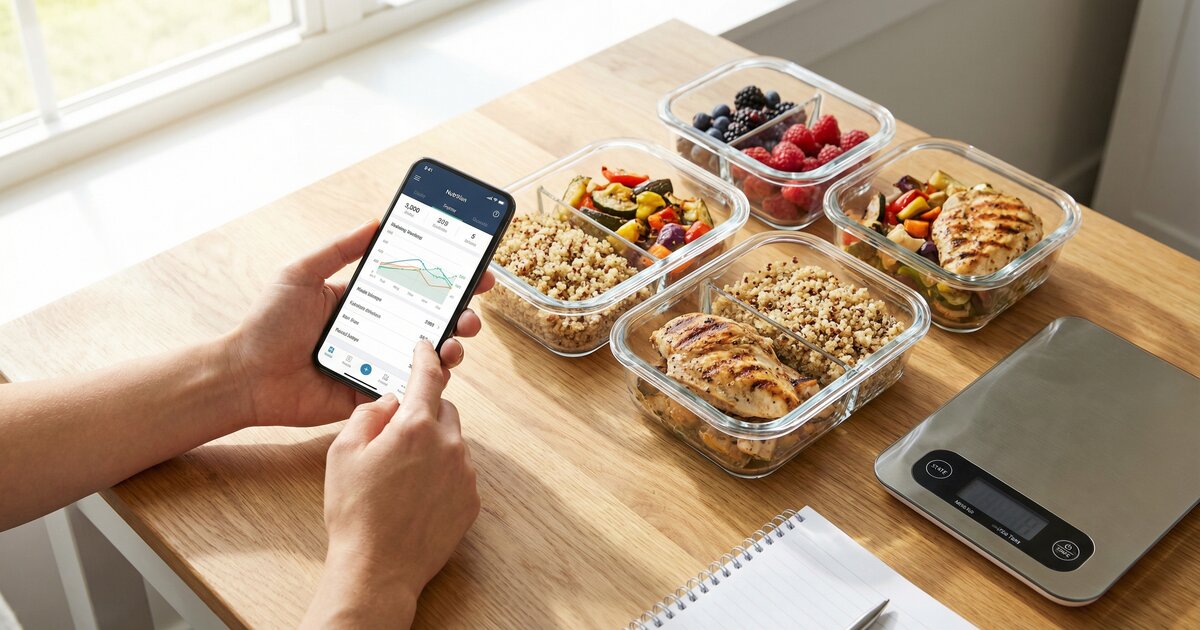
Losing weight seems simple: eat less, move more. But anyone who’s tried knows the real challenge—how do you lose fat without losing muscle, energy, or your sanity?
This is where the right macro split matters.
Eat too little protein? You’ll lose muscle along with fat, tanking your metabolism and looking “skinny-fat.” Cut carbs too low? Your training suffers and you feel miserable. Go too low on fat? Your hormones crash and hunger skyrockets.
The solution: a strategic macro split designed specifically for fat loss—not just weight loss.
This guide explains the best macro split for sustainable fat loss, why it works, and how to adjust it based on your activity level, training intensity, and personal preferences. You’ll learn the exact percentages and gram targets that maximize fat loss while preserving muscle and keeping you energized.
Ready to dial in your numbers? Our free macro calculator gives you personalized targets in 60 seconds.
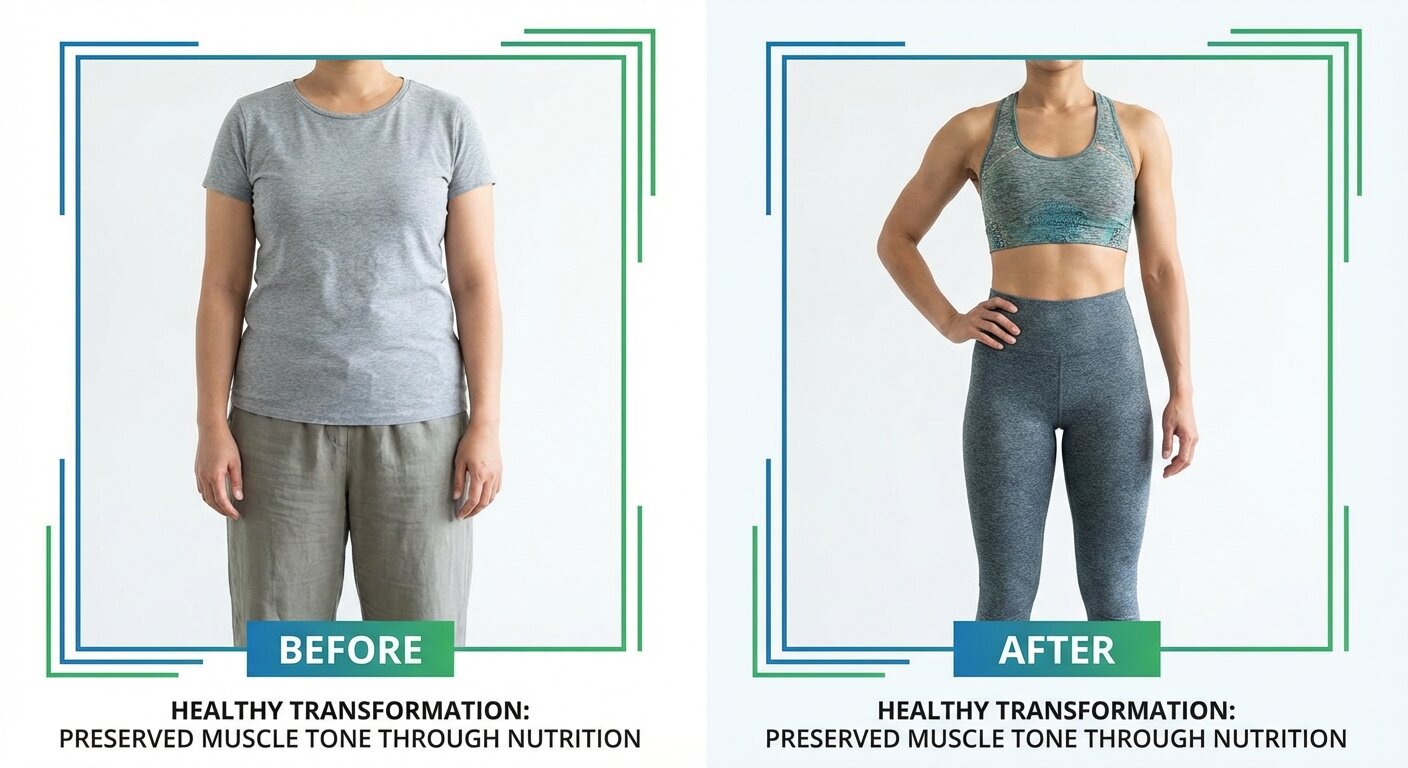
The Optimal Macro Split for Weight Loss
After reviewing dozens of fat loss studies and working with thousands of clients, here’s what consistently delivers the best results:
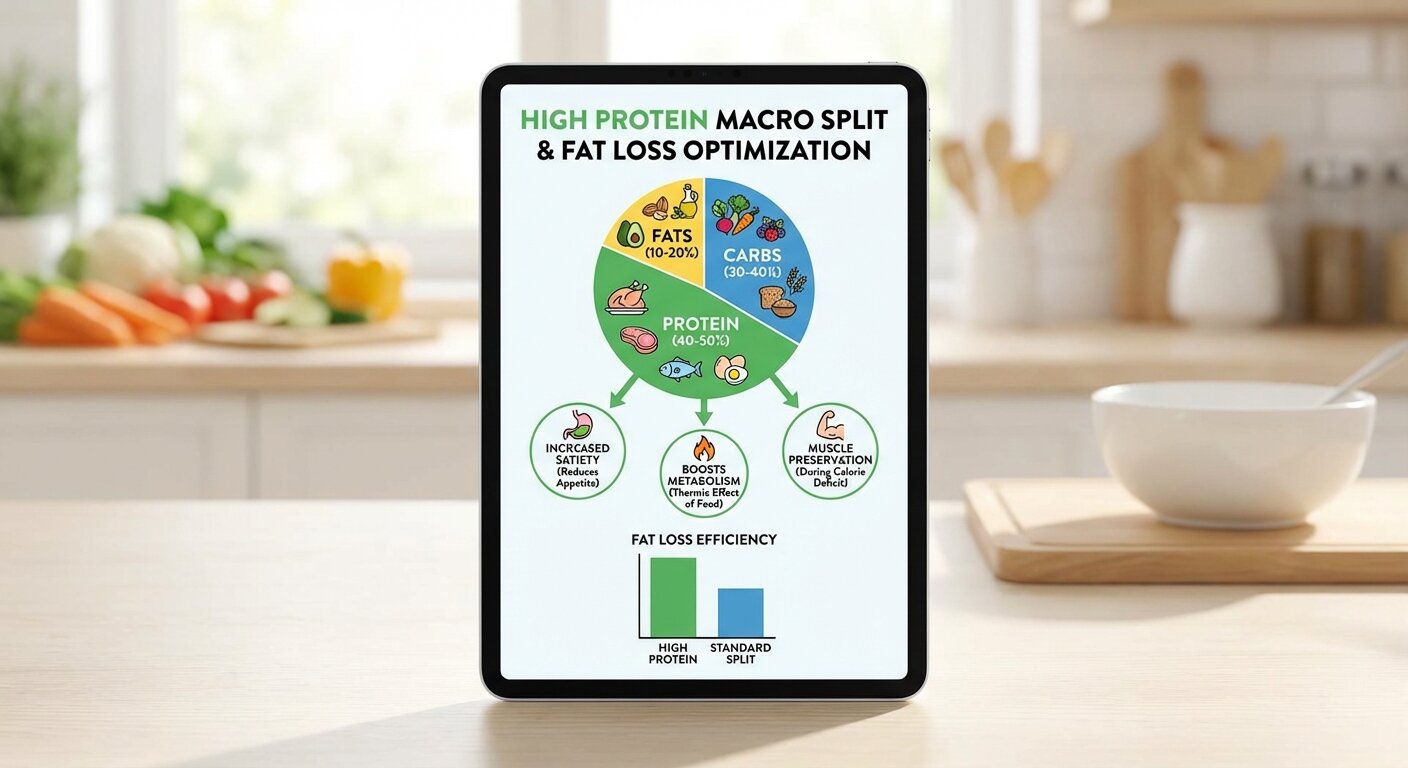
The 40/35/25 Split (Protein/Carbs/Fat)
- 40% Protein – Preserves muscle, controls hunger, boosts metabolism
- 35% Carbs – Fuels training, supports recovery, provides energy
- 25% Fat – Maintains hormones, aids nutrient absorption, enhances satiety
This split prioritizes protein while keeping carbs and fats in a moderate range that’s sustainable long-term.
Why This Split Works
1. High Protein Preserves Muscle
During a calorie deficit, your body breaks down tissue for energy. High protein intake (40% of calories) signals your body to preferentially burn fat instead of muscle. Studies show protein intakes of 0.8-1.2g per pound bodyweight preserve significantly more lean mass during weight loss.
2. Moderate Carbs Support Training
Cutting carbs too low (below 30%) tanks training performance. You need glycogen to lift heavy, run fast, and recover properly. The 35% carb allocation provides enough fuel for intense workouts without excess that could be stored as fat.
3. Adequate Fat Supports Hormones
Fat intake below 20% of calories can disrupt hormone production—especially testosterone, estrogen, and thyroid hormones. The 25% fat target keeps hormones healthy while allowing more calories for protein and carbs.
4. High Satiety
This split naturally controls hunger. Protein is the most satiating macronutrient, and adequate fat provides meal satisfaction. You feel fuller on fewer calories compared to high-carb, low-protein approaches.
Converting to Gram-Based Targets
Percentages are helpful frameworks, but grams are more precise.
Here’s how to convert the 40/35/25 split into actual gram targets:
Example: 150-pound person at 1,800 calories
- Protein: 40% of 1,800 = 720 calories ÷ 4 cal/g = 180g protein
- Carbs: 35% of 1,800 = 630 calories ÷ 4 cal/g = 158g carbs
- Fat: 25% of 1,800 = 450 calories ÷ 9 cal/g = 50g fat
Simplified formula:
- Protein: 0.8-1.2g per pound bodyweight
- Fat: 0.3-0.4g per pound bodyweight
- Carbs: Fill remaining calories
For detailed calculation instructions, see how to calculate your macros step-by-step.
Alternative Macro Splits for Weight Loss
The 40/35/25 split is the gold standard, but other approaches work depending on your preferences and lifestyle.
Option 1: The 45/35/20 Split (Very High Protein)
Who it’s for: People struggling with hunger, yo-yo dieters, those with significant muscle to preserve
Advantages:
- Maximum hunger control
- Highest muscle preservation
- Greatest thermic effect (protein burns 25-30% of its calories during digestion)
Disadvantages:
- Can be challenging to hit protein targets
- Less flexibility for social eating
- May reduce training performance if carbs too low
Example targets (150 lbs, 1,800 cal):
- Protein: 203g
- Carbs: 158g
- Fat: 40g
Option 2: The 30/45/25 Split (Moderate-High Carb)
Who it’s for: Athletes, high-intensity trainers, people who perform poorly on lower carbs
Advantages:
- Better training performance
- More sustainable for active individuals
- Easier adherence for carb-lovers
Disadvantages:
- Lower protein may sacrifice some muscle preservation
- Requires disciplined training to utilize extra carbs
- May not control hunger as effectively
Example targets (150 lbs, 1,800 cal):
- Protein: 135g
- Carbs: 203g
- Fat: 50g
Option 3: The 35/25/40 Split (Low-Carb, Higher Fat)
Who it’s for: Keto enthusiasts, people with insulin resistance, sedentary individuals
Advantages:
- Works well for those who respond poorly to carbs
- Promotes stable blood sugar
- Can reduce cravings for some people
Disadvantages:
- Significantly reduces training capacity
- Harder to preserve muscle on very low carbs
- Less flexible, requires strict adherence
Example targets (150 lbs, 1,800 cal):
- Protein: 158g
- Carbs: 113g
- Fat: 80g
For more on different ratios, read the best macro ratios for different goals.
How to Set Your Weight Loss Macros (Step-by-Step)
Follow this systematic approach to dial in your personalized macro split:
Step 1: Calculate Your Maintenance Calories
First, determine how many calories you burn daily (TDEE).
Quick estimate formula:
- Sedentary (little exercise): Bodyweight × 13-14
- Lightly active (1-3 days/week): Bodyweight × 14-15
- Moderately active (3-5 days/week): Bodyweight × 15-16
- Very active (6-7 days/week): Bodyweight × 16-18
Example: 150-pound person, moderately active = 150 × 15.5 = 2,325 calories
For a more accurate calculation, use our TDEE calculator.
Step 2: Create a Calorie Deficit
Subtract 10-25% from maintenance to create a sustainable deficit.
Deficit guidelines:
- Small deficit (10-15%): Slower fat loss, easier adherence, better muscle preservation
- Moderate deficit (15-20%): Balanced approach, 0.5-1% bodyweight loss per week
- Aggressive deficit (20-25%): Faster results, harder to sustain, higher muscle loss risk
Example: 2,325 × 0.80 (20% deficit) = 1,860 calories
Step 3: Set Protein First
Protein is non-negotiable for fat loss. Set this macro before anything else.
Target: 0.8-1.2g per pound bodyweight
Guidelines:
- 0.8g/lb: Minimum for muscle preservation
- 1.0g/lb: Optimal for most people
- 1.2g/lb: Maximum benefit, useful if very hungry
Example: 150 lbs × 1.0 = 150g protein = 600 calories
Step 4: Set Fat Second
Fat supports hormone production and provides satiety. Don’t go too low.
Target: 0.3-0.4g per pound bodyweight (or 20-30% of calories)
Guidelines:
- Minimum: 0.3g/lb to maintain hormone health
- Optimal: 0.35g/lb for most people
- Upper limit: 0.5g/lb if following higher-fat approaches
Example: 150 lbs × 0.35 = 52g fat = 468 calories
Step 5: Fill Remaining Calories with Carbs
Everything left goes to carbohydrates.
Calculation:
- Total calories: 1,860
- Protein calories: 600
- Fat calories: 468
- Remaining: 1,860 - 600 - 468 = 792 calories = 198g carbs
Final Macro Targets:
- Protein: 150g (32%)
- Carbs: 198g (43%)
- Fat: 52g (25%)
This approach prioritizes protein and fat, then fills the rest with carbs—ensuring adequate nutrition while creating the deficit needed for fat loss.
Adjusting Your Macros Based on Activity Level
Your activity level significantly impacts optimal macro distribution.
Sedentary or Low Activity (< 3 workouts/week)
Recommended split: 40/30/30 (P/C/F)
- Lower carbs: You’re not burning glycogen as aggressively
- Moderate fat: Helps with satiety when calories are restricted
- High protein: Prevents muscle loss when training volume is lower
Example macros (150 lbs, 1,800 cal):
- Protein: 180g
- Carbs: 135g
- Fat: 60g
Moderate Activity (3-5 workouts/week)
Recommended split: 40/35/25 (P/C/F) — the standard
- Moderate carbs: Fuels workouts and recovery
- Adequate fat: Maintains hormones without excess
- High protein: Supports recovery and muscle preservation
Example macros (150 lbs, 1,900 cal):
- Protein: 190g
- Carbs: 166g
- Fat: 53g
High Activity (5-7 workouts/week)
Recommended split: 35/40/25 (P/C/F)
- Higher carbs: Essential for high training volume
- Slightly lower protein percentage: Still adequate in absolute grams (160-180g)
- Moderate fat: Keeps hormones healthy
Example macros (150 lbs, 2,100 cal):
- Protein: 184g
- Carbs: 210g
- Fat: 58g
Endurance Athletes
Recommended split: 30/50/20 (P/C/F)
- High carbs: Critical for endurance performance
- Lower protein: Still adequate (~1g/lb), but less needed than strength athletes
- Lower fat: Makes room for more carbs
Example macros (150 lbs, 2,400 cal):
- Protein: 180g
- Carbs: 300g
- Fat: 53g
For more on activity-adjusted macros, see best macro ratios for different goals.
Common Macro Mistakes That Sabotage Weight Loss
Even with the right split, these errors can stall progress:
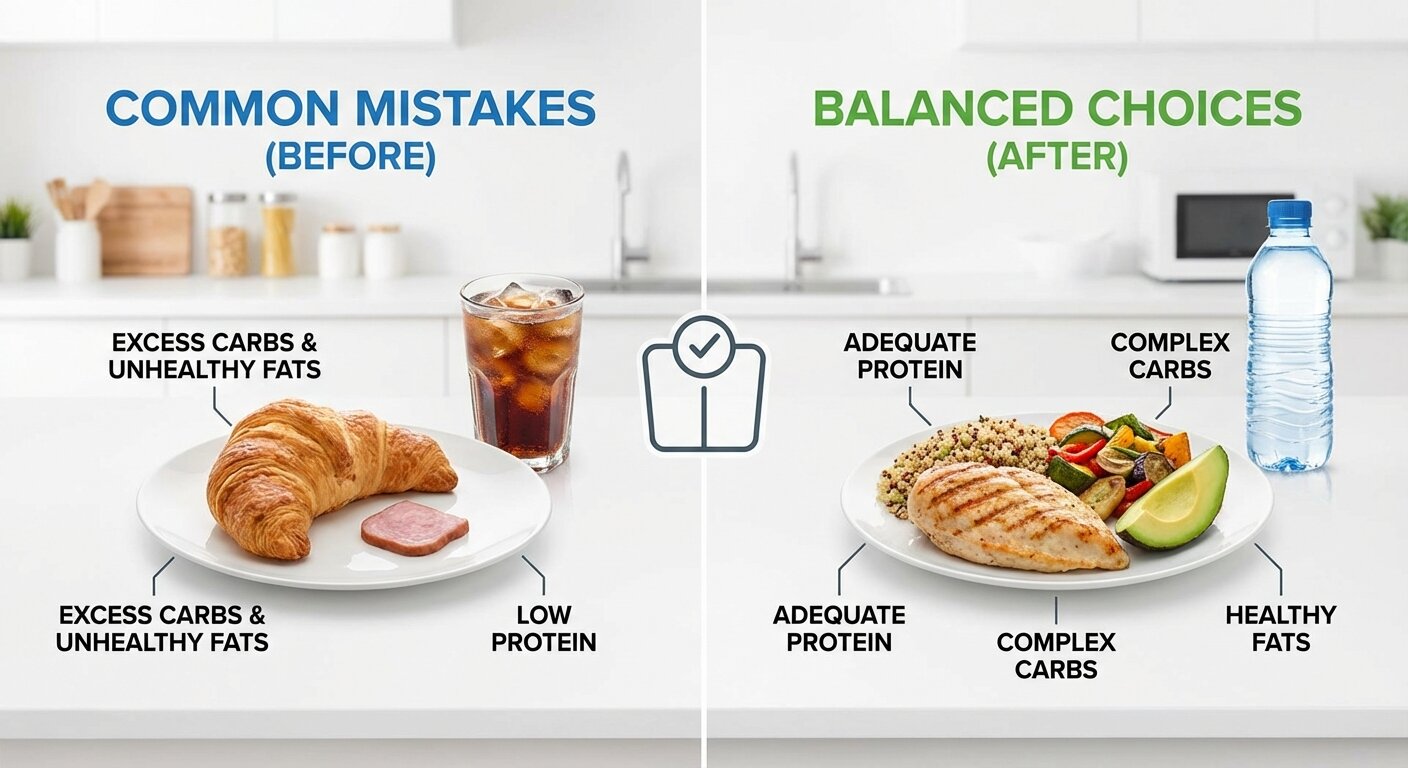
1. Protein Too Low
The mistake: Setting protein at 20-25% of calories (~100-120g for most people)
Why it hurts: You lose muscle along with fat, making you look “soft” even at lower weights. Metabolism slows more than necessary.
The fix: Set protein at 0.8-1g per pound bodyweight minimum. This should be 30-40% of calories during a deficit.
2. Fat Too Low
The mistake: Going below 15-20% of calories to “maximize fat loss”
Why it hurts: Hormone production crashes. Testosterone, estrogen, and thyroid hormones all require adequate dietary fat. You’ll feel tired, lose sex drive, and may stop losing weight entirely.
The fix: Keep fat at 20-30% of calories (0.3-0.4g per pound bodyweight).
3. Not Adjusting as You Lose Weight
The mistake: Using the same macros for months as bodyweight drops 15-20 pounds
Why it hurts: Your smaller body burns fewer calories. What was once a deficit becomes maintenance.
The fix: Recalculate macros every 10-15 pounds lost or when progress stalls for 2-3 weeks.
4. Obsessing Over Ratios Instead of Grams
The mistake: Forcing yourself to hit exactly 40/35/25 every single day
Why it hurts: You stress over 2-3% differences that don’t matter. Adherence suffers.
The fix: Focus on gram targets. If you hit 180g protein, 160g carbs, and 50g fat, you’re good—whether that’s 40/35/25 or 38/36/26.
5. Ignoring Personal Response
The mistake: Following a macro split that makes you miserable because “it’s optimal”
Why it hurts: You quit after three weeks and gain the weight back.
The fix: Adjust based on hunger, energy, and training performance. If you’re starving on low carbs, add 50g carbs and reduce 20g fat. If low fat makes you irritable, swap some carbs for fat. Adherence > perfection.

Tracking Your Macros: Practical Tips
Knowing your macro split is one thing. Hitting it consistently is another.
Best Apps for Tracking
- MyFitnessPal – Most popular, huge food database
- MacroFactor – Auto-adjusts macros based on progress (paid)
- Cronometer – Best for micronutrients too
- Lose It! – User-friendly interface
For a detailed comparison, read best apps for tracking macros.
Meal Planning Strategy
1. Plan Around Protein
Build each meal starting with protein:
- Breakfast: 40g protein (eggs, Greek yogurt, protein shake)
- Lunch: 50g protein (chicken, fish, tofu)
- Dinner: 50g protein (lean beef, turkey, tempeh)
- Snacks: 10-20g protein (protein bar, cottage cheese)
2. Add Carbs Around Training
Place most carbs near your workout:
- Pre-workout (1-2 hours before): 30-50g carbs
- Post-workout (within 2 hours): 50-80g carbs
- Other meals: 20-30g carbs
3. Distribute Fat Evenly
Fat slows digestion and provides satiety:
- Each meal: 10-15g fat
- Snacks: 5-10g fat
- Cooking oils, nuts, avocado, fatty fish
Quick Macro Hacks
High-Protein, Low-Calorie Foods:
- Chicken breast (31g protein, 165 cal per 100g)
- White fish (20g protein, 80 cal per 100g)
- Egg whites (11g protein, 52 cal per 100g)
- Greek yogurt (10g protein, 59 cal per 100g)
- Protein powder (20-25g protein, 100-120 cal per scoop)
Volume Foods (High Satiety, Low Calories):
- Leafy greens
- Broccoli, cauliflower, zucchini
- Berries
- Shirataki noodles
- Sugar-free Jello
Flexible Swaps:
- Too many carbs? Swap rice for cauliflower rice
- Too much fat? Use cooking spray instead of oil
- Need more protein? Add egg whites to whole eggs
- Too few carbs? Add fruit or sweet potato
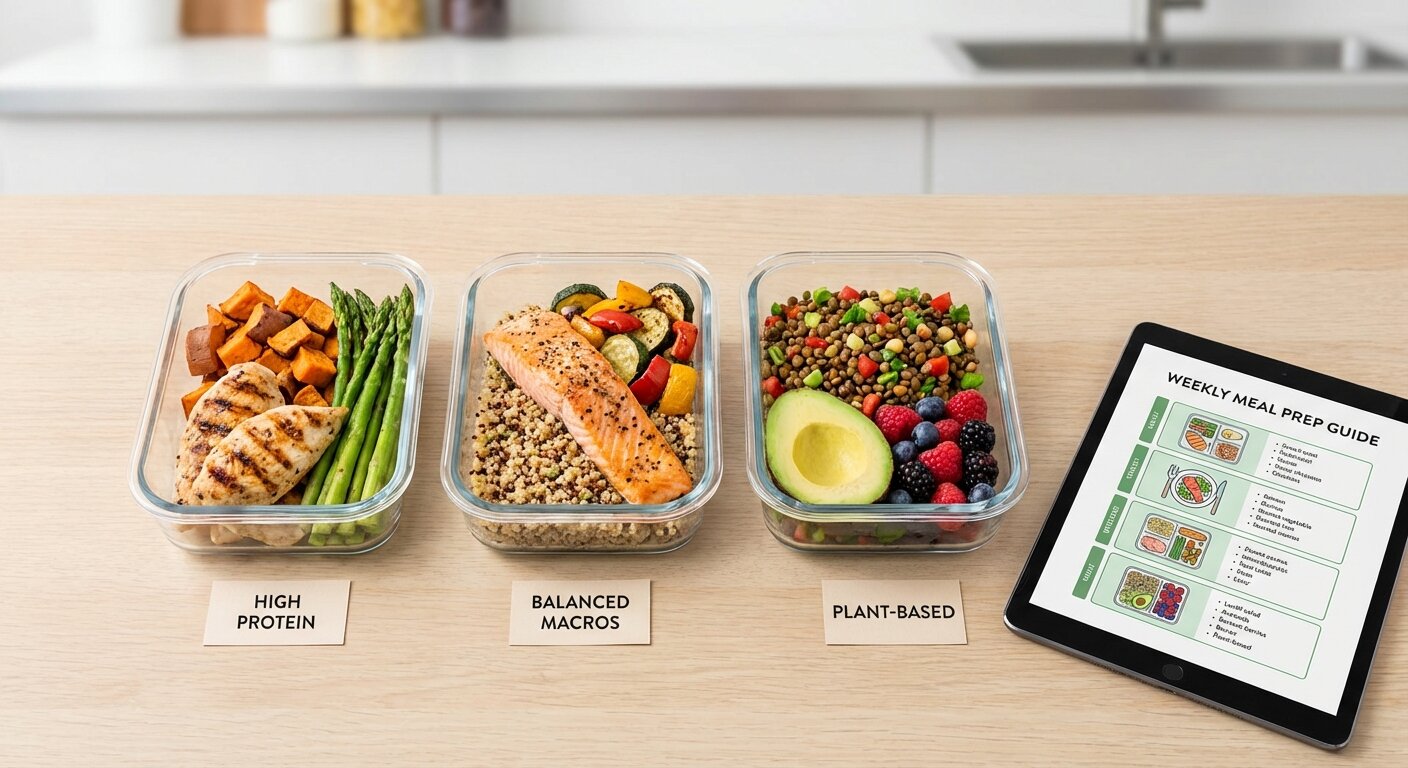
For meal prep strategies, check out how to meal prep for your macros.
When to Adjust Your Macro Split
Your macros shouldn’t be static. Adjust based on these signals:
Adjust When Weight Loss Stalls (2-3 Weeks)
If you’ve lost 10+ pounds: Recalculate based on new bodyweight
If you’re the same weight: Create a larger deficit by:
- Reducing carbs by 20-30g
- Reducing fat by 5-10g
- Keeping protein high
- Adding 1-2 cardio sessions
Adjust When Training Performance Drops
Signs you need more carbs:
- Can’t complete normal workouts
- Feeling weak and flat
- Losing strength on lifts
- Excessive soreness
Fix: Add 30-50g carbs, taken from fat allocation
Adjust When Hunger Is Unmanageable
Signs you need more protein or fat:
- Constantly thinking about food
- Bingeing on weekends
- Can’t stick to macros 5+ days per week
Fix:
- Increase protein by 20-30g
- Add 10-15g fat for satiety
- Reduce carbs slightly to maintain deficit
Adjust When Hormones Are Off
Signs fat is too low:
- Lost period (women)
- Low libido
- Extreme fatigue
- Mood swings
Fix: Increase fat to at least 0.4g per pound bodyweight, reduce carbs to compensate
For more on adjustments, read how often should you recalculate your macros.
Sample Meal Plans by Macro Split
Here are three example day-of-eating plans using different macro splits.
Sample Day 1: 40/35/25 Split (180g P / 158g C / 50g F)
Breakfast:
- 3 whole eggs + 3 egg whites
- 1 cup oatmeal with berries
- Black coffee
- Macros: 40g P / 35g C / 18g F
Lunch:
- 6 oz grilled chicken breast
- 1 cup quinoa
- Mixed green salad with 1 tbsp olive oil
- Macros: 50g P / 40g C / 16g F
Pre-Workout Snack:
- Protein shake (1 scoop whey)
- 1 medium banana
- Macros: 25g P / 30g C / 2g F
Dinner:
- 6 oz salmon
- 8 oz sweet potato
- Steamed broccoli with 1 tsp butter
- Macros: 45g P / 40g C / 10g F
Evening Snack:
- Greek yogurt (low-fat)
- Macros: 20g P / 13g C / 4g F
Total: 180g P / 158g C / 50g F (1,802 calories)
Sample Day 2: 45/35/20 Split (Very High Protein)
Breakfast:
- Protein pancakes (1 scoop protein + 1/2 cup oats + egg whites)
- Sugar-free syrup
- Macros: 45g P / 30g C / 5g F
Lunch:
- 8 oz turkey breast
- Large salad with balsamic vinegar
- 1 small apple
- Macros: 55g P / 25g C / 3g F
Pre-Workout:
- Protein bar (Quest or similar)
- Macros: 20g P / 20g C / 8g F
Dinner:
- 8 oz lean ground beef (93/7)
- Zucchini noodles with marinara
- Side salad
- Macros: 60g P / 20g C / 12g F
Evening:
- Casein protein shake
- 1 tbsp almond butter
- Macros: 25g P / 8g C / 9g F
Total: 205g P / 103g C / 37g F (1,613 calories)
Sample Day 3: 30/45/25 Split (Moderate-High Carb)
Breakfast:
- 2 whole eggs
- 2 slices whole wheat toast
- 1 cup berries
- Macros: 16g P / 45g C / 12g F
Lunch:
- 5 oz chicken breast
- 1.5 cups white rice
- Stir-fried vegetables with 1 tsp sesame oil
- Macros: 40g P / 60g C / 8g F
Pre-Workout:
- Rice cakes with honey
- Macros: 3g P / 30g C / 0g F
Dinner:
- 6 oz tilapia
- 10 oz baked potato
- Green beans with 1 tbsp butter
- Macros: 40g P / 45g C / 13g F
Evening:
- Protein shake with banana
- Macros: 25g P / 30g C / 2g F
Total: 124g P / 210g C / 35g F (1,655 calories)
Frequently Asked Questions
Can I lose weight without tracking macros?
Yes, but tracking significantly improves results. You can lose weight through intuitive eating, portion control, or simple calorie counting—but macros ensure you’re losing fat while preserving muscle. If your goal is body composition, not just scale weight, macros matter.
How long until I see results with the right macro split?
Most people notice changes within 2-3 weeks:
- Week 1-2: Water weight drops, energy improves
- Week 2-4: Visible fat loss, clothes fit better
- Week 4-8: Clear body composition changes, strength maintained
Aim for 0.5-1% bodyweight loss per week for sustainable progress.
Should I have a refeed day or diet break?
Refeed day: Once per week, increase calories to maintenance (mostly from carbs) to replenish glycogen and provide psychological relief.
Diet break: After 8-12 weeks of dieting, take 1-2 weeks at maintenance calories to restore metabolism and hormones before resuming the deficit.
Both strategies improve long-term adherence and prevent metabolic adaptation.
Do I need to eat different macros on rest days vs training days?
Simple approach: Keep macros the same every day for consistency.
Advanced approach (carb cycling):
- Training days: Higher carbs (add 30-50g), lower fat
- Rest days: Lower carbs (reduce 30-50g), higher fat
Carb cycling can optimize performance and recovery but adds complexity. Start with consistent macros first.
What if I can’t hit my protein target?
Strategies to increase protein:
- Start every meal with a protein source
- Use protein powder (1-2 shakes daily)
- Choose Greek yogurt over regular yogurt
- Add protein powder to oatmeal, pancakes, or baking
- Eat leaner cuts of meat (more protein per calorie)
- Try high-protein snacks (jerky, protein bars, cottage cheese)
For more strategies, read how to hit your protein macros every day.
Can I drink alcohol and still hit my macros?
Yes, but alcohol complicates things:
- Alcohol has 7 calories per gram (between carbs and fat)
- Most people count alcohol calories as carbs or fat
- Alcohol impairs fat oxidation and recovery
If drinking: Budget 100-200 calories from your carb or fat allocation, choose lower-calorie options (vodka soda, light beer), and limit frequency to 1-2x per week.
Your Next Steps: Implement Your Weight Loss Macro Split
You now know the optimal macro split for fat loss, how to calculate your targets, and when to adjust based on your response.
Here’s your action plan:
Week 1:
- Calculate your maintenance calories
- Create a 15-20% deficit
- Set macros using the 40/35/25 framework (or choose an alternative based on preferences)
- Download a tracking app and start logging everything
Week 2-4:
- Track consistently (hit macros 5-6 days per week minimum)
- Weigh yourself 3-5x per week and calculate weekly averages
- Monitor energy, hunger, and training performance
- Take progress photos and measurements
Week 4+:
- Assess progress: Are you losing 0.5-1% bodyweight per week?
- If yes, continue. If no, adjust:
- Reduce carbs by 20-30g
- Reduce fat by 5-10g
- Keep protein high
- Recalculate every 10-15 pounds lost
Remember: The best macro split is the one you can stick to consistently. Start with the recommended 40/35/25, track diligently for 3-4 weeks, then adjust based on your individual response.
Ready to calculate your personalized macro targets? Use our free macro calculator to get started in 60 seconds.
For ongoing guidance, explore these related articles:
- How to Calculate Macros Step-by-Step
- Best Macro Tracking Apps Compared
- How to Meal Prep for Your Macros
- The Best Macro Ratios for Different Goals
Now go hit those macros and watch the fat melt off—while keeping every ounce of hard-earned muscle.
Related Guide: For more comprehensive fat loss guidance Macros for Weight Loss guide.
Related Resources
Related Articles
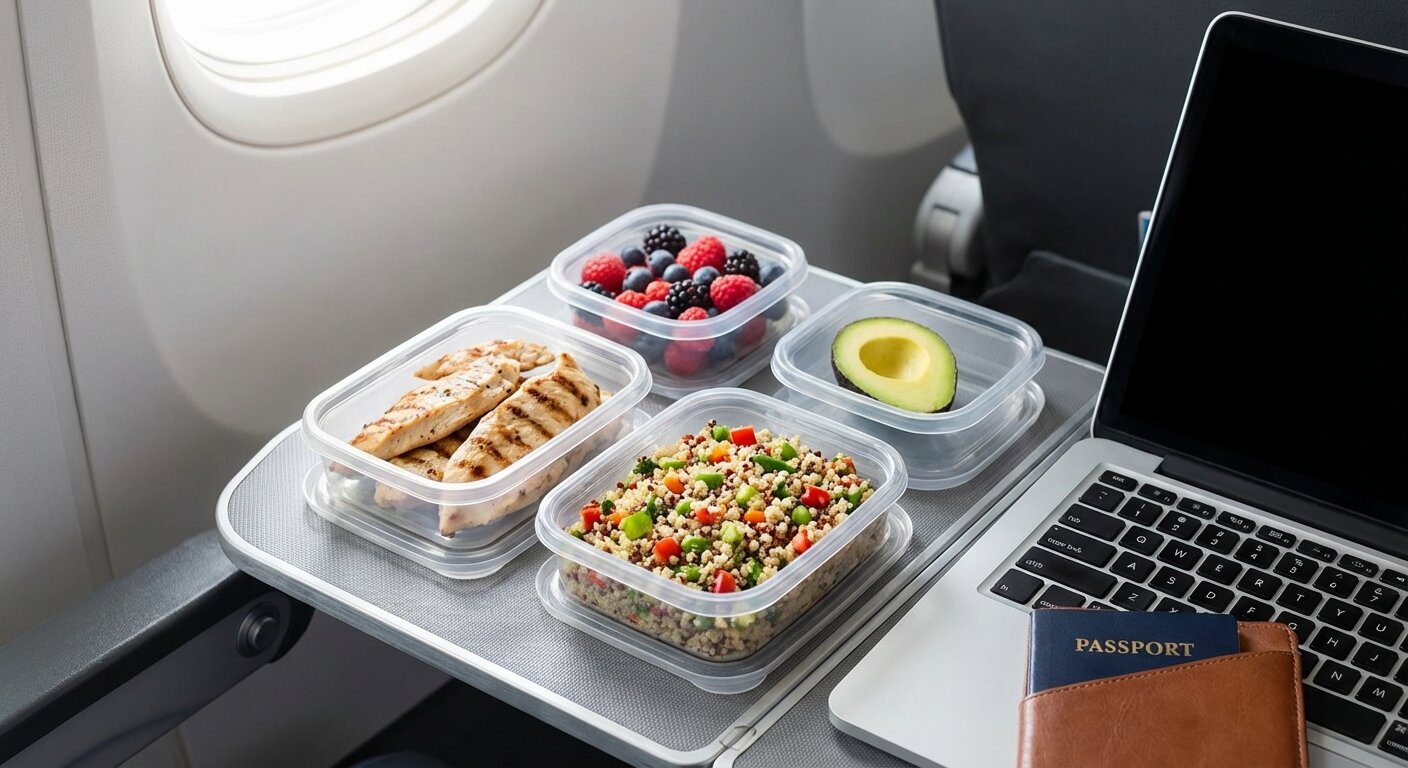
Travel Macros: How to Track Nutrition While Traveling
Complete guide to managing macros while traveling. Learn meal planning strategies,...
Read guide →
Macros for Shift Workers: Complete Guide to Nutrition on Rotating Schedules
Master macro tracking on night shifts and rotating schedules. Learn meal timing, sleep...
Read guide →
Macros During Ramadan: Complete Nutrition Guide for Fasting
Learn how to track macros during Ramadan fasting. Expert guide covering meal timing,...
Read guide →Disclaimer: This content is for informational purposes only. Consult a healthcare provider before making changes to your diet.