How to Hit Your Protein Macros Every Day (Practical Guide)
Reviewed by Sarah Chen, MS, RD
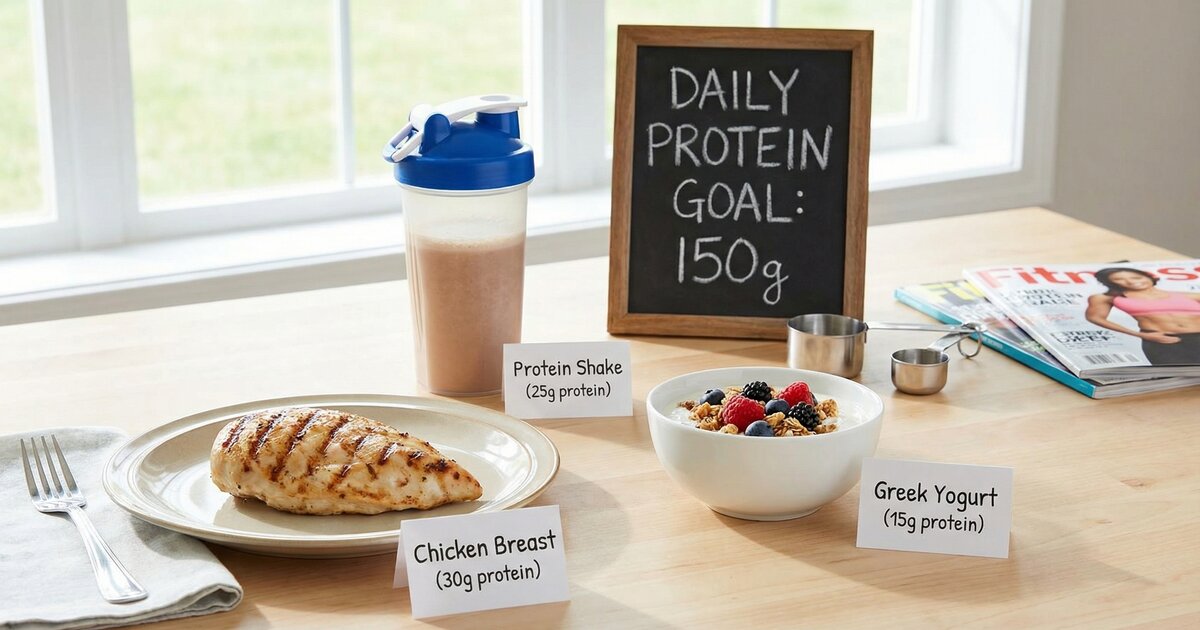
You know you need protein. You’ve calculated your target—maybe it’s 140g, maybe 180g, maybe 200g per day.
But here’s the problem: It’s 8 PM. You’ve eaten breakfast, lunch, and a snack. You log your day in MyFitnessPal and realize you’ve only eaten 80g of protein. You need another 100g. That’s like… 3 chicken breasts worth of protein. In one meal.
You scramble to choke down protein, feel overly full, and think, “There has to be a better way.”
There is.
Hitting your protein target isn’t about forcing down massive amounts of chicken at the end of the day. It’s about strategic planning, smart food choices, and building protein into every meal naturally.
This guide teaches you practical, sustainable strategies to consistently hit your protein macros without stress, excessive eating, or expensive supplements. You’ll learn meal planning tactics, high-protein food swaps, timing strategies, and hacks to make protein intake effortless.
By the end, you’ll have a repeatable system for hitting your protein targets 6-7 days per week—no more scrambling at night.
Need to calculate your protein target first? Our free macro calculator gives you personalized protein recommendations in 60 seconds.
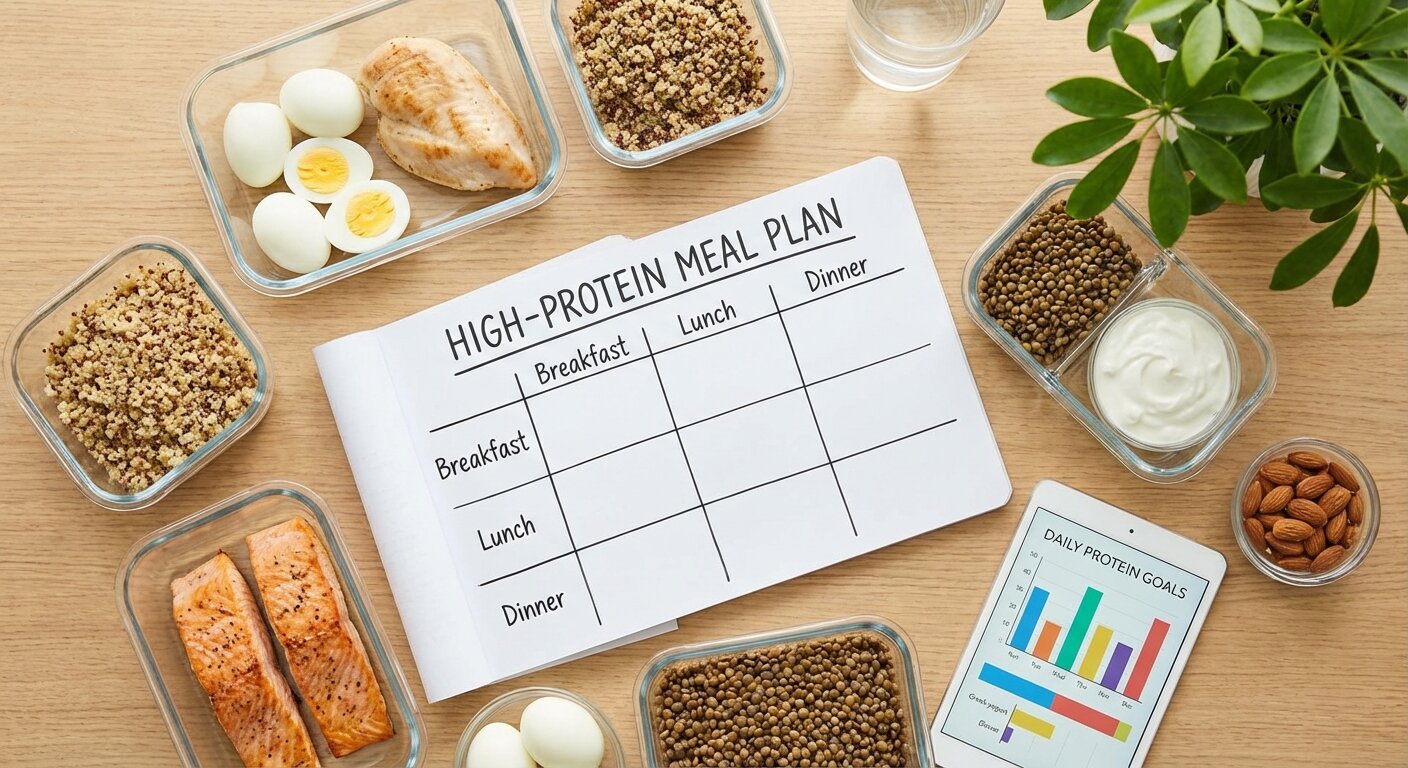
Related: Learn how to count macros effectively and understand what macros are.
Why Protein Targets Matter (And Why You Struggle)
Before the how-to, understand why protein is non-negotiable and why most people fail.
Why Protein Is Critical
1. Muscle Preservation and Growth
Protein provides amino acids—the building blocks for muscle tissue. Without adequate protein:
- Cutting: You lose muscle along with fat (bad body composition)
- Bulking: You don’t maximize muscle growth potential
- Maintenance: You slowly lose muscle over time (sarcopenia)
2. Satiety and Appetite Control
Protein is the most satiating macronutrient. High protein intake:
- Reduces hunger hormones (ghrelin)
- Increases fullness hormones (GLP-1, peptide YY)
- Makes adherence to any diet easier
Studies show high-protein diets lead to spontaneous calorie reduction—people eat less without trying.
3. Thermic Effect (Calorie Burn)
Protein has the highest thermic effect of food (TEF):
- Protein: 20-30% of calories burned during digestion
- Carbs: 5-10%
- Fat: 0-3%
If you eat 100g protein (400 calories), your body burns 80-120 calories just digesting it.
4. Preserves Metabolism During Deficits
High protein intake during fat loss helps maintain:
- Basal metabolic rate (BMR)
- Muscle mass (which drives BMR)
- Training performance
Why You’re Not Hitting Your Protein Target
Common reasons people fail:
1. Not planning ahead
- Reactive eating (“what sounds good now?”) defaults to carbs and fats
- Protein requires intentional meal design
2. Protein is expensive
- Per calorie, protein costs more than carbs/fats
- Budget constraints lead to lower-protein choices
3. Protein is filling
- Hard to eat large volumes when cutting
- Especially challenging for smaller individuals
4. Lack of variety
- Eating chicken breast 3x daily gets boring fast
- People quit out of meal fatigue
5. Not using protein supplements strategically
- Trying to get all protein from whole foods (admirable but hard)
- Or over-relying on shakes (bad for satiety and micronutrients)
The solution: Strategic systems that make hitting protein automatic.
For more on protein needs, read how many grams of protein per day.
Step 1: Know Your Exact Protein Target
You can’t hit what you don’t define precisely.
Calculate Your Protein Target
General guidelines:
| Goal | Protein Target (g/lb bodyweight) | Example (150 lbs) |
|---|---|---|
| Sedentary maintenance | 0.6-0.7 | 90-105g |
| Active maintenance | 0.7-0.9 | 105-135g |
| Fat loss (preserve muscle) | 0.8-1.2 | 120-180g |
| Muscle gain | 0.8-1.0 | 120-150g |
| Athletic/bodybuilding | 1.0-1.2 | 150-180g |
Start with: 0.8-1.0g per pound bodyweight for most goals.
Adjust based on:
- Very lean (<12% BF men, <22% women): Higher end (1.0-1.2g/lb)
- Higher body fat (>25% men, >35% women): Use lean body mass instead
- Very active (5+ workouts/week): Higher end
- Older (50+): Slightly higher (muscle preservation harder)
Example: 160 lbs person, moderately active, fat loss goal
- Target: 160 × 1.0 = 160g protein daily
Divide Into Meals
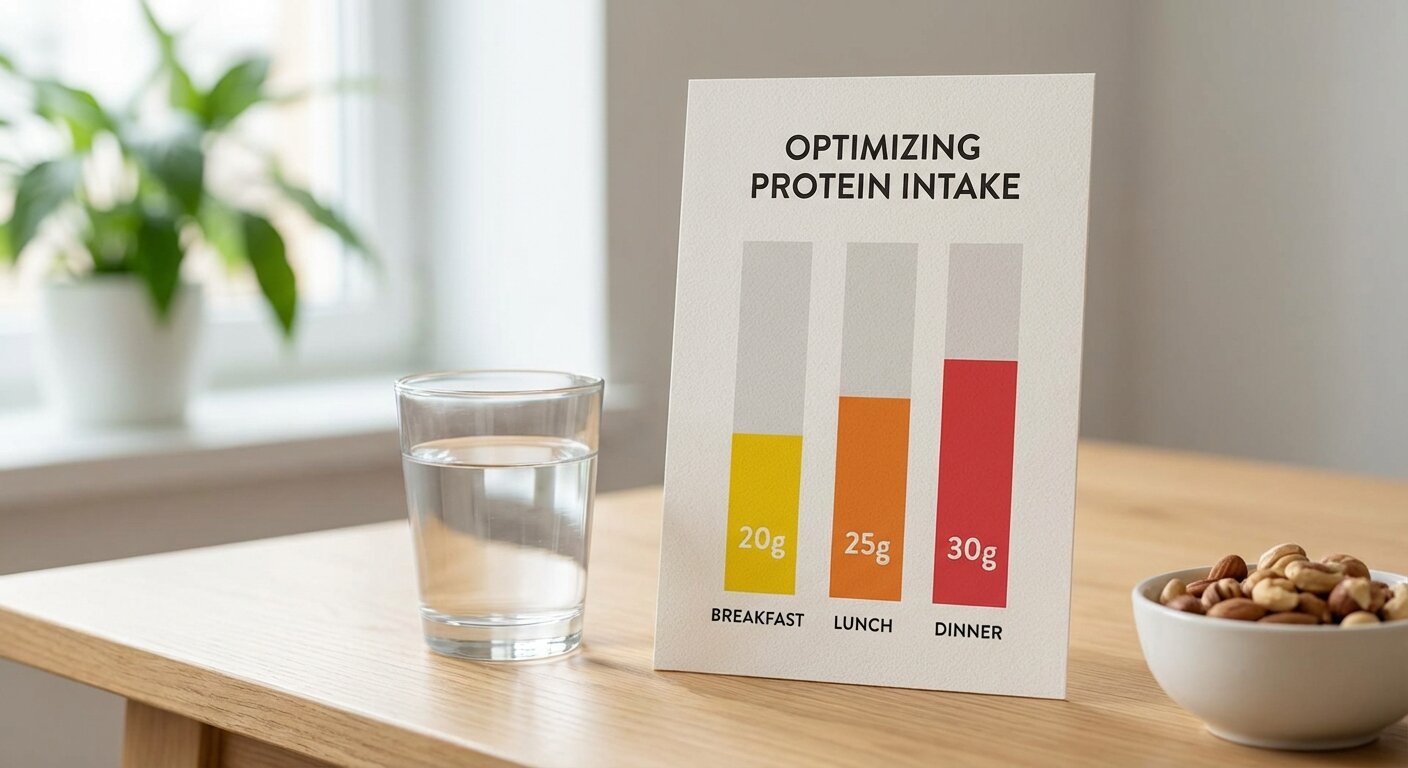
Protein is better utilized when spread across multiple meals.
Optimal distribution:
3 meals: 50-55g protein per meal 4 meals: 35-40g protein per meal 5 meals: 30-35g protein per meal
Example (160g target, 4 meals):
- Breakfast: 40g
- Lunch: 40g
- Snack: 30g
- Dinner: 50g
- Total: 160g
Why this matters: Muscle protein synthesis (MPS) is maximized with 25-40g protein per meal. Eating 120g in one meal and 40g over the rest of the day is suboptimal compared to spreading evenly.
Step 2: Build Protein-First Meals
Every meal should start with a protein source.
The Protein-First Meal Framework
Standard approach (doesn’t work):
- Think “what sounds good?”
- Default to carbs/fats (pasta, sandwiches, snacks)
- Add protein as an afterthought (maybe)
Protein-first approach (works):
- Choose protein source first (chicken, eggs, fish, tofu)
- Determine portion size (150-200g raw = 35-50g protein)
- Add carbs and fats around it
Example meal building:
Old way:
- “I want pasta” → 2 cups pasta (400 cal, 14g P)
- Add small amount chicken → 3 oz chicken (140 cal, 26g P)
- Total: 540 cal, 40g P (not enough)
Protein-first way:
- Start with 6 oz chicken (280 cal, 52g P)
- Add 1 cup pasta (200 cal, 7g P)
- Add vegetables and olive oil (100 cal)
- Total: 580 cal, 59g P (perfect)
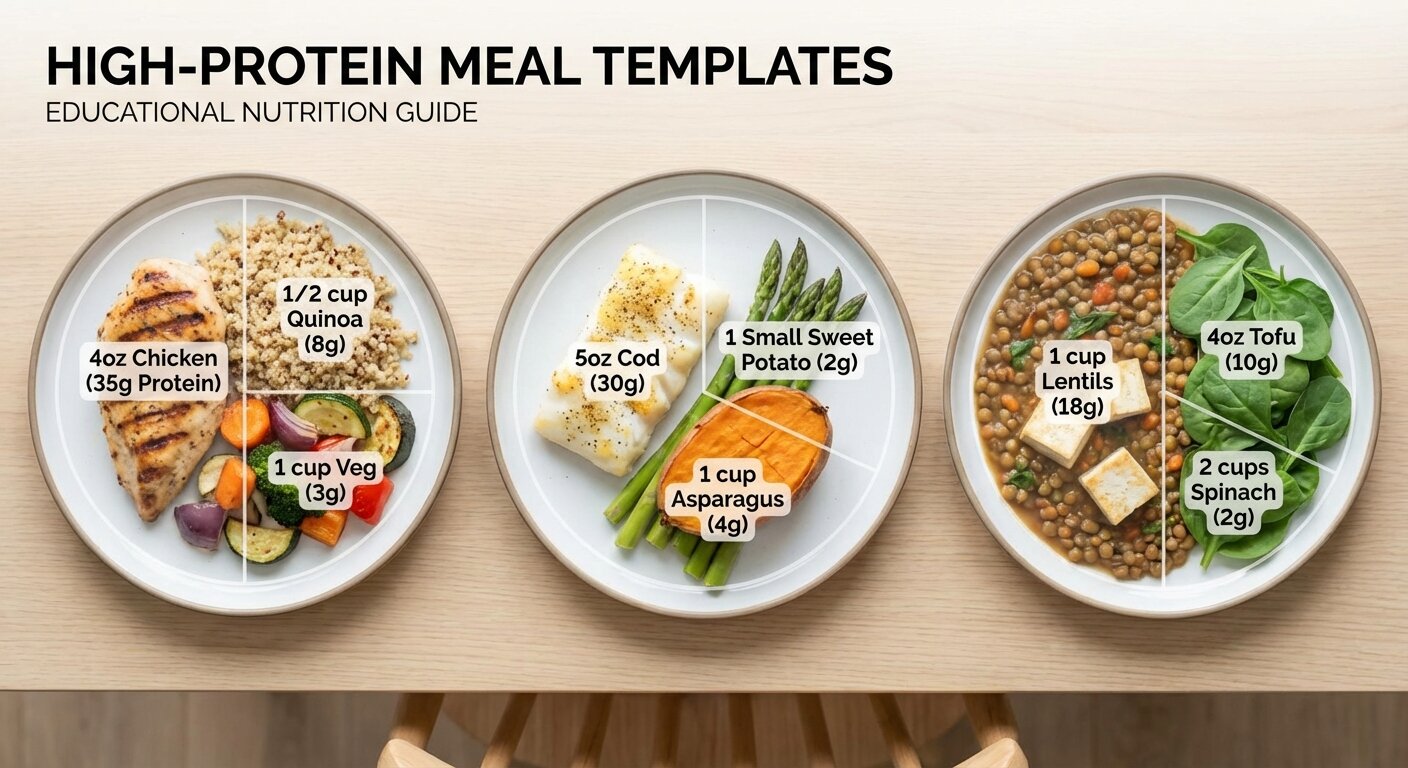
High-Protein Meal Templates
Use these frameworks for quick meal planning:
Breakfast Templates:
Option 1: Egg-Based (30-40g P)
- 3 whole eggs + 3 egg whites
- 2 slices whole wheat toast
- Vegetables (spinach, peppers)
- 38g protein
Option 2: Greek Yogurt Bowl (30-35g P)
- 1.5 cups Greek yogurt (nonfat)
- 1 scoop protein powder
- Berries and granola
- 35g protein
Option 3: High-Protein Pancakes (35-45g P)
- Protein pancakes (1 scoop protein + oats + egg whites)
- Topped with Greek yogurt
- 40g protein
Lunch Templates:
Option 1: Grilled Protein Bowl (45-55g P)
- 6-8 oz grilled chicken/fish
- 1 cup rice or quinoa
- Vegetables
- 50g protein
Option 2: High-Protein Salad (40-50g P)
- Large salad base
- 7 oz turkey or chicken
- Hard-boiled eggs (2)
- Chickpeas
- 48g protein
Option 3: Wrap/Sandwich (35-45g P)
- 6 oz deli turkey or chicken
- Whole wheat wrap
- Cheese slice
- Veggies
- 42g protein
Dinner Templates:
Option 1: Classic Protein + Starch + Veg (50-60g P)
- 8 oz chicken/steak/fish
- Sweet potato or rice
- Roasted vegetables
- 56g protein
Option 2: Stir-Fry (45-55g P)
- 7 oz protein (chicken, shrimp, tofu)
- Mixed vegetables
- Rice or noodles
- Sauce (track macros)
- 50g protein
Option 3: Casserole/One-Pot (40-50g P)
- Ground turkey or beef (6 oz cooked)
- Beans or lentils
- Vegetables
- Cheese (optional)
- 45g protein
Step 3: Master High-Protein Food Swaps
Small changes to your regular foods dramatically increase protein.
Breakfast Swaps
| Instead Of | Protein | Swap To | Protein | Gain |
|---|---|---|---|---|
| Regular yogurt (1 cup) | 8g | Greek yogurt (1 cup) | 20g | +12g |
| 2 whole eggs | 12g | 2 eggs + 4 egg whites | 26g | +14g |
| Regular oatmeal | 5g | Oatmeal + protein powder | 30g | +25g |
| Cereal (1 cup) | 3g | High-protein cereal (Magic Spoon, Catalina Crunch) | 12g | +9g |
| Bagel with cream cheese | 12g | Bagel with Greek yogurt cream cheese + lox | 28g | +16g |
Simple breakfast protein boost: Add 1 scoop protein powder to oatmeal, pancakes, or smoothies (+25g protein)
Lunch/Dinner Swaps
| Instead Of | Protein | Swap To | Protein | Gain |
|---|---|---|---|---|
| Regular pasta (2 cups) | 14g | Protein pasta (Banza, Barilla Protein+) | 28g | +14g |
| Ground beef (80/20, 4 oz) | 21g | Ground turkey (93/7, 4 oz) | 28g | +7g |
| Rice (1 cup) | 4g | Quinoa (1 cup) | 8g | +4g |
| Regular bread (2 slices) | 8g | Dave’s Killer Bread (2 slices) | 10g | +2g |
| Sour cream (2 tbsp) | 1g | Greek yogurt (2 tbsp) | 3g | +2g |
Snack Swaps
| Instead Of | Protein | Swap To | Protein | Gain |
|---|---|---|---|---|
| Regular cheese (1 oz) | 7g | String cheese + turkey slice | 14g | +7g |
| Chips (1 oz) | 2g | Beef jerky (1 oz) | 12g | +10g |
| Pretzels (1 oz) | 3g | Protein bar | 20g | +17g |
| Ice cream (1 cup) | 4g | Halo Top or protein ice cream | 20g | +16g |
| Peanut butter (2 tbsp) | 7g | PB2 powder (2 tbsp) + protein shake | 30g | +23g |
Cooking Method Swaps
Instead of: Frying in oil (adds fat, no protein) Try: Grilling, baking, air frying (add protein-based marinades)
Instead of: Creamy sauces (high fat, low protein) Try: Greek yogurt-based sauces, salsa, mustard (more protein, less fat)
Instead of: Butter/oil for cooking (pure fat) Try: Cooking spray + extra lean protein (save fat calories for protein-rich foods)
Step 4: Use Protein Powder Strategically
Protein powder is a tool, not a crutch.
When to Use Protein Powder
Good uses:
1. Post-workout nutrition
- Fast-absorbing protein within 1-2 hours of training
- Convenient when whole food isn’t available
- 25-40g protein
2. Between-meal snacks
- Bridge gap between lunch and dinner
- Prevents hunger without heavy meal
- 20-30g protein
3. Boosting meals
- Add to oatmeal, pancakes, yogurt, smoothies
- Increases protein without changing meal volume much
- 15-25g protein
4. When traveling
- Protein powder travels better than cooked chicken
- Hotels often lack high-protein options
- 25-40g protein
5. Bulking (need extra calories)
- Mass gainer shakes with protein + carbs + fats
- Liquid calories easier than excessive solid food
- 40-60g protein per shake
Bad uses:
❌ Replacing whole food meals regularly (missing micronutrients) ❌ Using as primary protein source (shakes for 80%+ of protein) ❌ Thinking “more shakes = more gains” (total daily protein matters, not source)
Best Protein Powder Types
| Type | Protein per scoop | Digestion Speed | Best For |
|---|---|---|---|
| Whey concentrate | 20-24g | Fast (1-2 hours) | Post-workout, anytime |
| Whey isolate | 25-30g | Very fast (30-90 min) | Post-workout, lactose intolerant |
| Casein | 24-28g | Slow (6-8 hours) | Before bed, between meals |
| Egg white protein | 24-26g | Medium (2-4 hours) | Dairy-free alternative |
| Pea protein | 20-25g | Medium | Vegan, allergen-free |
| Soy protein | 22-25g | Medium | Vegan, complete amino acids |
| Blend (whey+casein) | 24-28g | Medium | Anytime, sustained release |
Recommendation: Whey protein isolate for most people (high protein, low fat/carbs, fast-absorbing)
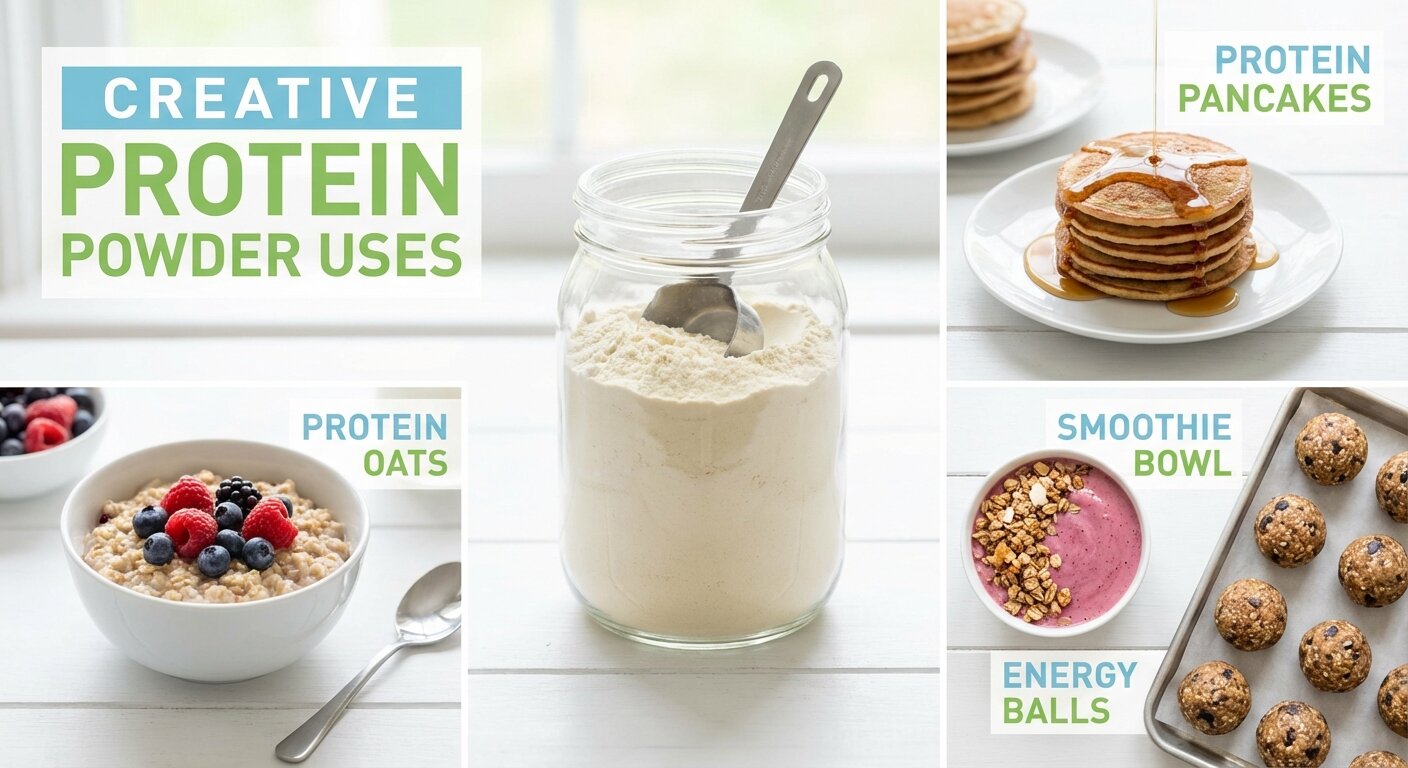
Creative Protein Powder Uses
Beyond shakes:
1. Protein Oatmeal
- Cook oats, stir in protein powder after (don’t cook with it, denatures protein)
- Add 25g protein to breakfast
2. Protein Pancakes/Waffles
- Replace flour with protein powder + oat flour blend
- 30-40g protein per serving
3. Protein “Ice Cream”
- Blend: protein powder + frozen banana + almond milk + ice
- Healthy dessert with 25g protein
4. Protein Coffee
- Blend protein powder + cold brew coffee + ice
- “Protein frappuccino” with 25g protein
5. Protein Yogurt Bowl
- Mix protein powder into Greek yogurt
- Top with fruit and granola
- 40-50g protein
6. Baking (Protein Muffins, Cookies)
- Replace some flour with protein powder in recipes
- Add 5-10g protein per serving
Step 5: Stock High-Protein Snacks
Having protein-rich snacks available prevents low-protein days.
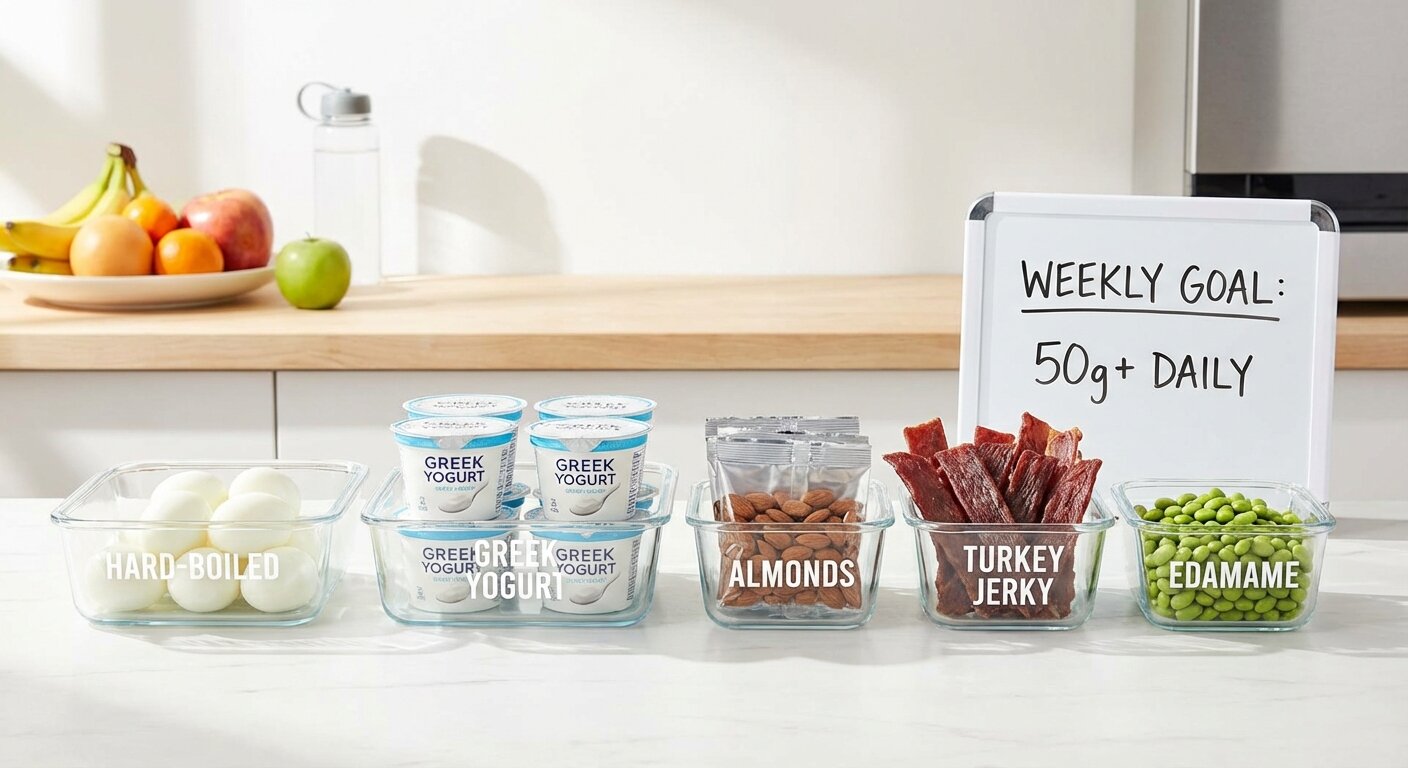
Best High-Protein Snacks
Grab-and-Go Options:
| Snack | Portion | Protein | Calories | Prep Time |
|---|---|---|---|---|
| Greek yogurt | 1 cup | 20g | 140 cal | 0 min |
| String cheese + turkey | 2 pieces | 16g | 160 cal | 0 min |
| Hard-boiled eggs | 3 eggs | 18g | 210 cal | 0 min (prep ahead) |
| Beef jerky | 1 oz | 12g | 80 cal | 0 min |
| Protein bar | 1 bar | 20g | 200 cal | 0 min |
| Cottage cheese | 1 cup | 24g | 180 cal | 0 min |
| Edamame | 1 cup | 17g | 190 cal | 5 min (microwave) |
| Protein shake | 1 scoop | 25g | 120 cal | 2 min |
| Deli turkey roll-ups | 4 oz | 28g | 120 cal | 2 min |
| Tuna packet | 1 packet | 22g | 90 cal | 0 min |
Meal Prep Protein Snacks
Make once, eat all week:
1. Hard-Boiled Eggs (Batch of 12)
- Boil Sunday, store in fridge
- Grab 2-3 for 12-18g protein snack
- Lasts 7 days
2. Protein Balls/Bites (Makes 12-15)
- Mix: protein powder + oats + peanut butter + honey
- Roll into balls, refrigerate
- 8-10g protein each
3. Turkey/Chicken Meatballs
- Bake large batch (30-40 meatballs)
- Freeze half, refrigerate rest
- Grab 3-4 for 20g protein snack
4. Protein Muffins
- Bake with protein powder, oats, egg whites
- 10-12g protein per muffin
- Freeze and microwave as needed
5. Greek Yogurt Parfait Jars
- Layer: Greek yogurt + granola + berries + protein powder
- Make 5-7 jars Sunday
- Grab for 25-30g protein snack
Building a High-Protein Snack Station
At home:
- Fridge: Greek yogurt, cottage cheese, deli meat, hard-boiled eggs, string cheese
- Pantry: Protein bars, jerky, nuts, protein powder, tuna packets
- Freezer: Protein muffins, extra meal prep portions
At work:
- Desk drawer: Protein bars, jerky, tuna packets, protein powder (single-serve)
- Office fridge: Greek yogurt, string cheese, pre-made shakes
In your car/bag:
- Protein bars (for emergencies)
- Single-serve protein powder packets
- Jerky (doesn’t need refrigeration)
Step 6: Time Your Protein Strategically
When you eat protein matters (a little).
Optimal Protein Timing
Total daily intake matters most, but timing can optimize results:
Morning Protein (30-40g)
Why: Breaking overnight fast, kickstarts muscle protein synthesis, improves satiety all day
Best sources:
- Eggs + egg whites
- Greek yogurt + protein powder
- High-protein pancakes
- Protein shake + whole food
Studies show: High-protein breakfast (30g+) reduces total daily calorie intake by 100-200 calories through improved appetite control.
Pre-Workout Protein (20-30g, 1-2 hours before)
Why: Provides amino acids during training, reduces muscle breakdown
Best sources:
- Chicken or turkey (if training later)
- Protein shake (if training soon)
- Greek yogurt + fruit
Note: Less critical than post-workout, but beneficial for longer training sessions
Post-Workout Protein (30-40g, within 1-2 hours)
Why: “Anabolic window” for muscle protein synthesis, replenishes amino acids
Best sources:
- Whey protein shake (fastest absorption)
- Chicken breast + rice
- Turkey sandwich
- Greek yogurt bowl
Research: Post-workout protein within 2 hours significantly improves muscle recovery and growth compared to delaying 4+ hours.
Before Bed Protein (20-30g, casein preferred)
Why: Slow-digesting protein feeds muscles overnight (7-8 hour fast)
Best sources:
- Casein protein shake
- Cottage cheese
- Greek yogurt
- Combination of whole foods
Studies show: Casein before bed increases overnight muscle protein synthesis by 22% compared to no protein.
Meal Frequency and Protein
Options:
3 meals per day: 50-60g protein per meal
- Simple, fewer decisions
- Requires large meals
- May be too filling for some
4 meals per day: 35-45g protein per meal
- Balanced approach
- Most sustainable for most people
- Allows snack flexibility
5-6 meals per day: 25-35g protein per meal
- Maximizes muscle protein synthesis frequency
- Better for bulking (easier to eat more)
- Requires more planning/prep
Intermittent fasting (2 meals in 8-hour window): 70-90g protein per meal
- Fewer meals, larger portions
- Works but may be suboptimal for muscle growth
- Total daily protein still matters most
Recommendation: 4 meals (breakfast, lunch, snack, dinner) hits sweet spot of convenience and optimization.
Step 7: Track and Adjust Daily
You can’t manage what you don’t measure.
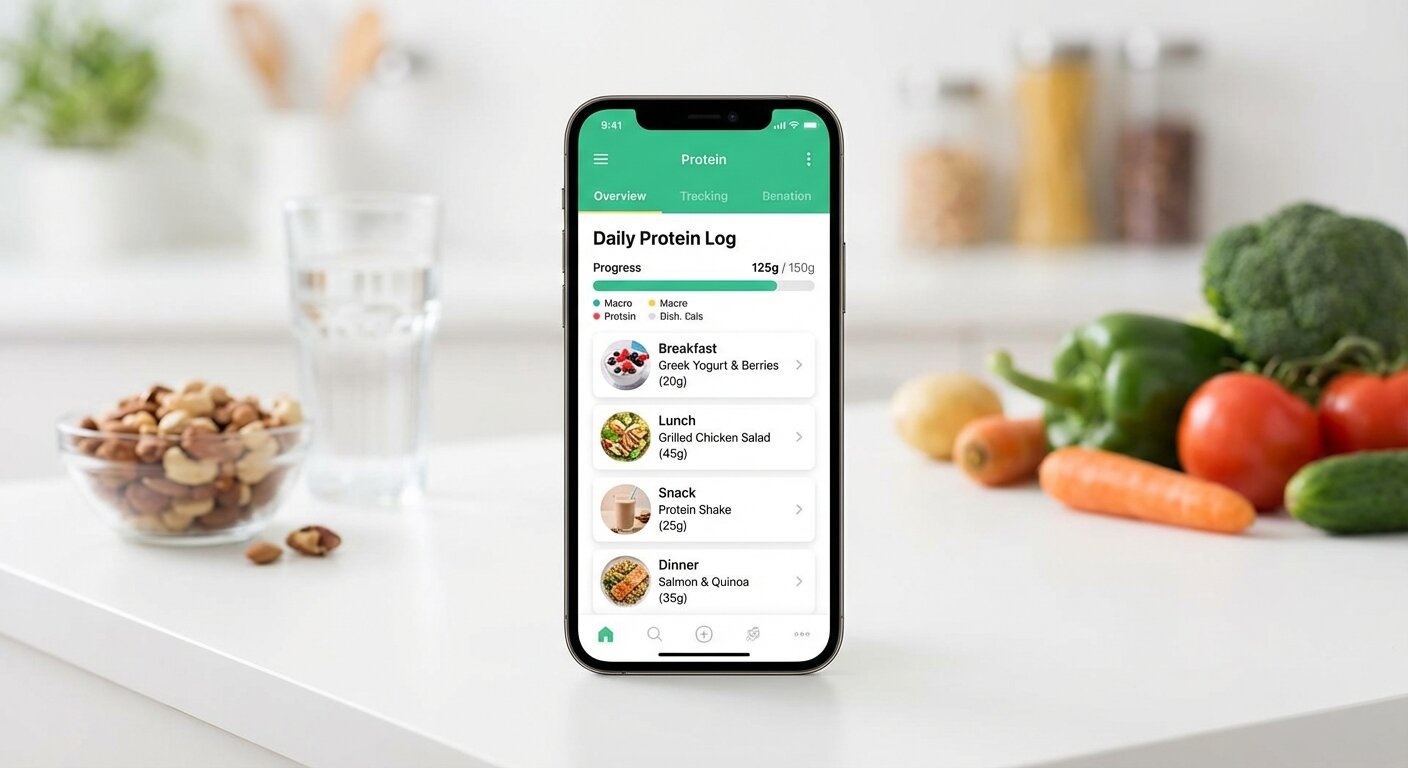
How to Track Protein Effectively
Use a macro tracking app:
- MyFitnessPal (most popular, huge database)
- Cronometer (most accurate nutrition data)
- MacroFactor (auto-adjusts based on progress)
- Lose It! (user-friendly)
The Daily Tracking Routine
Morning (after breakfast):
- Log breakfast immediately
- Check running total: “I have 120g left to hit today”
- Plan remaining meals to hit target
Lunch:
- Log lunch
- Check total: “60g left, I need 30g for snack and 30g for dinner”
Pre-Dinner:
- Check how far off you are
- If short 40g, adjust dinner protein portion (add 6 oz instead of 4 oz chicken)
- If over by 20g, reduce dinner portion or fat/carbs
End of Day:
- Final check: Did you hit within ±10g of target?
- If yes: Success, repeat tomorrow
- If no: Identify where you fell short, adjust tomorrow
Common Tracking Mistakes
Mistake 1: Not weighing food
- Eyeballing “4 oz chicken” is often 2.5 oz or 6 oz
- Use digital food scale for accuracy
Mistake 2: Logging cooked weight as raw
- Database entries differ (150g raw chicken ≠ 150g cooked)
- Log as raw when possible, use correct entry if cooked
Mistake 3: Forgetting to log small amounts
- “2 slices deli turkey” = 8g protein (adds up!)
- Log everything
Mistake 4: Not pre-logging meals
- Waiting until end of day to log (then discovering you’re 80g short)
- Pre-log meals in morning or night before
Mistake 5: Giving up after one bad day
- Hit 60% of target one day? Reset tomorrow
- Weekly average matters more than daily perfection
The Weekly Review
Every Sunday:
- Calculate average daily protein for past week
- Count how many days you hit target (aim for 6-7/7)
- Identify patterns: “I always fall short on weekends” or “Breakfast is too low”
- Adjust strategy for next week
Goal: Hit protein target 6-7 days per week, within ±10g
Advanced Protein Strategies
Once you’ve mastered the basics, try these tactics.
Strategy 1: Protein Front-Loading
Eat more protein earlier in the day for better appetite control.
Standard distribution:
- Breakfast: 30g
- Lunch: 40g
- Snack: 20g
- Dinner: 50g
Front-loaded distribution:
- Breakfast: 50g
- Lunch: 50g
- Snack: 25g
- Dinner: 35g
Benefit: Higher morning protein reduces hunger and snacking throughout day.
Strategy 2: The “Protein Anchor” Method
Every meal MUST include 30g+ protein before you can eat carbs/fats.
Rule: Can’t eat carbs or fats until you’ve consumed 30g protein in that meal.
Example:
- Eat 5 oz chicken breast first (40g protein)
- Then add rice, vegetables, etc.
Benefit: Guarantees you never skip protein, prevents carb/fat-heavy meals.
Strategy 3: Protein Per Meal Minimum
Set a minimum protein per meal rule (e.g., “no meal under 30g protein”).
How it works:
- Breakfast must have 30g minimum
- Lunch must have 35g minimum
- Dinner must have 40g minimum
- Snacks: 15g minimum
Benefit: Prevents one low-protein meal from ruining your day.
Strategy 4: Sunday Protein Prep
Batch cook all week’s protein sources in one session.
What to cook:
- 3-4 lbs chicken breast (baked or grilled)
- 2 lbs ground turkey (browned with seasoning)
- 2 lbs lean beef or fish
- 12-18 hard-boiled eggs
Portion and store:
- Divide into 5-7 containers (one per day)
- Grab pre-cooked protein, add carbs/fats fresh
Benefit: Removes “I don’t have time to cook protein” excuse.
Strategy 5: Protein-Only Shakes Between Meals
If constantly short on protein, add standalone protein shakes (no carbs/fats).
When: Mid-morning and mid-afternoon
What: 1 scoop whey isolate + water (25g protein, 100 calories)
Benefit: Adds 50g protein daily without displacing meals or adding excessive calories.
Troubleshooting: “I Still Can’t Hit My Protein Target”
Common problems and solutions.
Problem 1: “I’m too full to eat that much protein”
Diagnosis: Protein is highly satiating + you may be eating low-volume, dense foods
Solutions:
- Spread protein across 5 smaller meals instead of 3 large
- Use protein shakes (liquid calories easier to consume)
- Choose leaner proteins (chicken breast vs thighs = same protein, fewer calories)
- Reduce fiber temporarily (vegetables are filling but low-calorie)
Problem 2: “Protein is too expensive”
Diagnosis: True, protein costs more per calorie than carbs/fats
Solutions:
- Buy in bulk (Costco, Sam’s Club): chicken breast $2-3/lb
- Use cheaper proteins: eggs ($0.15 each = 6g protein), canned tuna ($1 = 25g protein)
- Buy on sale and freeze (stock up when discounted)
- Use protein powder (often cheaper per gram than meat)
- Choose cheaper cuts: chicken thighs, ground turkey, pork tenderloin
Cost comparison:
- Chicken breast: $0.30 per 30g protein
- Eggs: $0.10 per 12g protein
- Whey protein: $0.20 per 25g protein
- Greek yogurt: $0.40 per 20g protein
Problem 3: “I’m vegetarian/vegan”
Diagnosis: Fewer high-protein options, lower bioavailability
Solutions:
- Use plant-based protein powder (pea, soy, hemp blend)
- Prioritize complete proteins: tofu, tempeh, edamame, quinoa
- Combine complementary proteins: rice + beans, peanut butter + whole wheat
- Eat MORE total protein (1.0-1.2g/lb to compensate for lower bioavailability)
- Add nutritional yeast (8g protein per 2 tbsp, cheesy flavor)
High-protein vegan foods:
- Seitan (25g per 100g)
- Tempeh (19g per 100g)
- Tofu (17g per 100g)
- Lentils (9g per 100g cooked)
- Chickpeas (9g per 100g cooked)
- Edamame (11g per 100g)
Problem 4: “I travel constantly for work”
Diagnosis: Limited control over food availability
Solutions:
- Pack protein powder (TSA-friendly)
- Buy protein bars in bulk, keep in luggage
- Choose chain restaurants with macro-friendly options (Chipotle, Chick-fil-A)
- Order extra protein at restaurants (“double chicken please”)
- Stay at hotels with fridges (store Greek yogurt, deli meat, hard-boiled eggs)
- Use grocery stores, not just restaurants
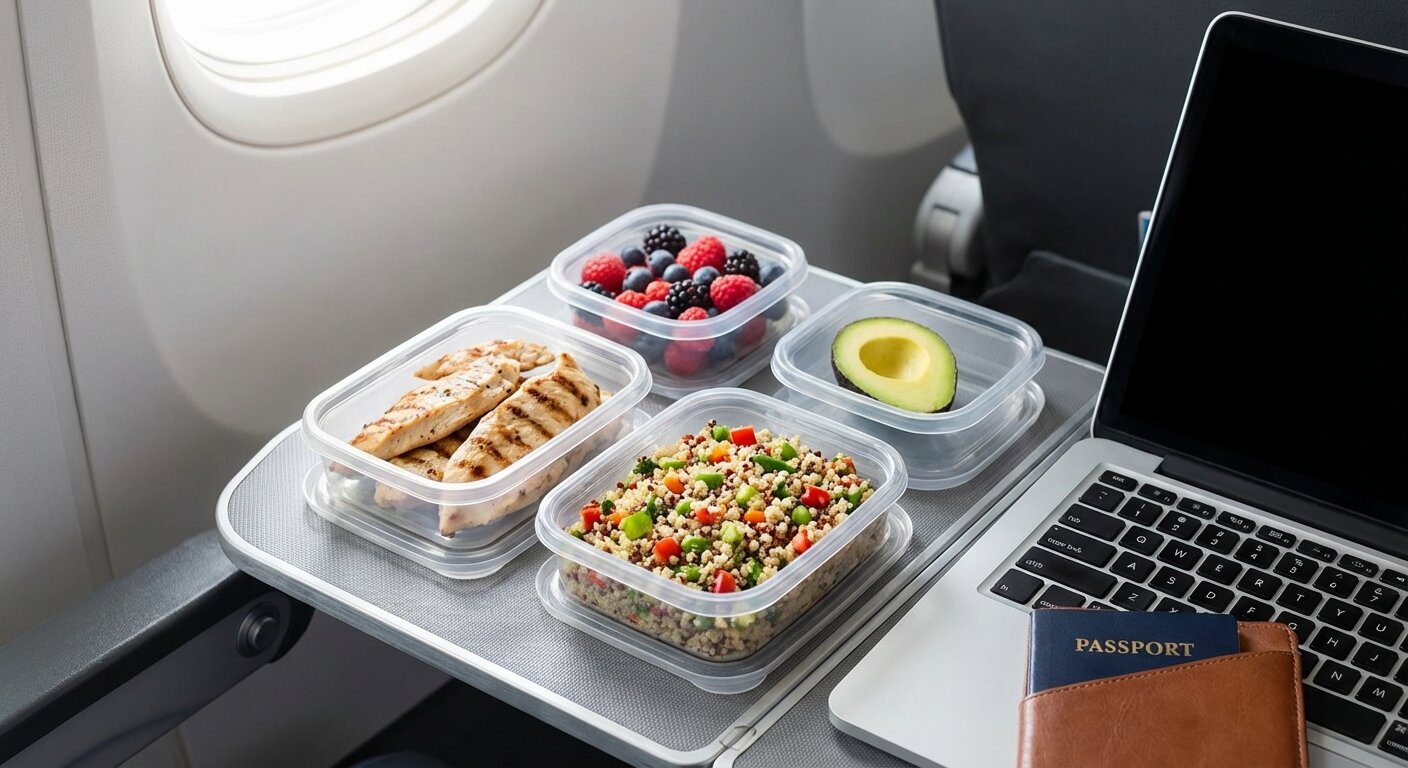
Travel protein kit:
- 5-7 single-serve protein powder packets
- 3-5 protein bars
- Beef jerky (doesn’t need refrigeration)
- Portable shaker bottle
Problem 5: “I get bored eating the same proteins”
Diagnosis: Lack of variety in protein sources and preparation methods
Solutions:
- Rotate proteins weekly: Week 1 = chicken/turkey, Week 2 = fish/seafood, Week 3 = beef/pork
- Use different cooking methods: grilled, baked, slow cooker, air fryer, sous vide
- Vary seasonings dramatically: Italian, Mexican, Asian, BBQ, Cajun
- Try new protein sources: bison, venison, duck, lamb, different fish
- Use different sauces (track macros): buffalo, teriyaki, curry, pesto
Frequently Asked Questions
Can I eat all my protein in one or two meals?
You can, but it’s suboptimal. Muscle protein synthesis is maximized when protein is spread across 3-5 meals with 25-40g per meal. Eating 150g protein in one sitting doesn’t provide 150g worth of benefits—much is oxidized for energy instead of used for muscle. Spreading it out is more effective.
What if I accidentally eat way over my protein target (like 250g when I need 150g)?
It’s not harmful (for healthy individuals), but it’s wasteful. Extra protein beyond ~1.5g/lb bodyweight is oxidized for energy or excreted. You’re essentially using expensive protein as a carb/fat substitute. Stick closer to your target and spend those calories on carbs or fats instead.
Is protein from plant sources as good as animal protein?
Animal proteins are “complete” (all essential amino acids) and more bioavailable (better absorbed). Plant proteins often lack one or more amino acids and have lower bioavailability. If vegan, eat 10-20% more total protein and combine sources (rice + beans = complete protein). Protein powder (pea/soy blend) helps bridge the gap.
Do I need more protein on training days vs rest days?
Total daily protein matters most. Some people increase protein slightly on training days (add 10-20g) and reduce on rest days, but the difference is minimal. For simplicity, keep protein consistent every day.
Can protein shakes replace meals?
Occasionally, yes (convenience, travel). Regularly, no. Whole foods provide fiber, micronutrients, and satiety that shakes lack. Use shakes as supplements (in addition to food) not replacements. Aim for 70-80% of protein from whole foods.
What’s the best protein source for building muscle?
Whey protein is the “gold standard” due to fast absorption and high leucine content (triggers muscle protein synthesis). But total daily protein matters far more than source. Chicken, fish, eggs, beef, dairy all build muscle equally well when total protein is matched.
Your Protein Action Plan
You now have a complete system for consistently hitting your protein targets.
Here’s your implementation roadmap:
Week 1 (Foundation):
- Calculate precise daily protein target (0.8-1.0g/lb bodyweight)
- Divide into 4 meals: breakfast, lunch, snack, dinner
- Download tracking app and log everything for 7 days
- Assess: How many days did you hit target?
Week 2 (Optimization):
- Implement protein-first meal planning
- Stock high-protein snacks (Greek yogurt, jerky, eggs)
- Add 1 protein shake if consistently falling short
- Pre-log meals in morning to plan portions
Week 3 (Refinement):
- Master high-protein swaps (Greek yogurt, egg whites, protein pasta)
- Batch prep proteins Sunday (chicken, turkey, eggs)
- Time protein strategically (post-workout within 2 hours)
- Aim to hit target 6-7 days this week
Week 4+ (Mastery):
- Track weekly average protein (should be within 5g of target)
- Experiment with meal frequency (3 vs 4 vs 5 meals)
- Build variety with different proteins/seasonings
- Make hitting protein automatic (no more thinking about it)
Remember: Hitting your protein target is THE most important macro to nail. You can be flexible with carbs and fats, but protein is non-negotiable for body composition goals.
Ready to calculate your exact protein target? Use our free macro calculator for personalized recommendations.
Related guides:
- How Many Grams of Protein Per Day
- Best Macro Split for Weight Loss
- How to Meal Prep for Your Macros
- High-Protein Foods Guide
Now go hit that protein target—every single day.
Related Resources
Related Articles
Travel Macros: How to Track Nutrition While Traveling
Complete guide to managing macros while traveling. Learn meal planning strategies,...
Read guide →
Macros for Shift Workers: Complete Guide to Nutrition on Rotating Schedules
Master macro tracking on night shifts and rotating schedules. Learn meal timing, sleep...
Read guide →
Macros During Ramadan: Complete Nutrition Guide for Fasting
Learn how to track macros during Ramadan fasting. Expert guide covering meal timing,...
Read guide →Disclaimer: This content is for informational purposes only. Consult a healthcare provider before making changes to your diet.