How to Hit Your Macros: Practical Strategies That Work
Reviewed by Sarah Chen, MS, RD
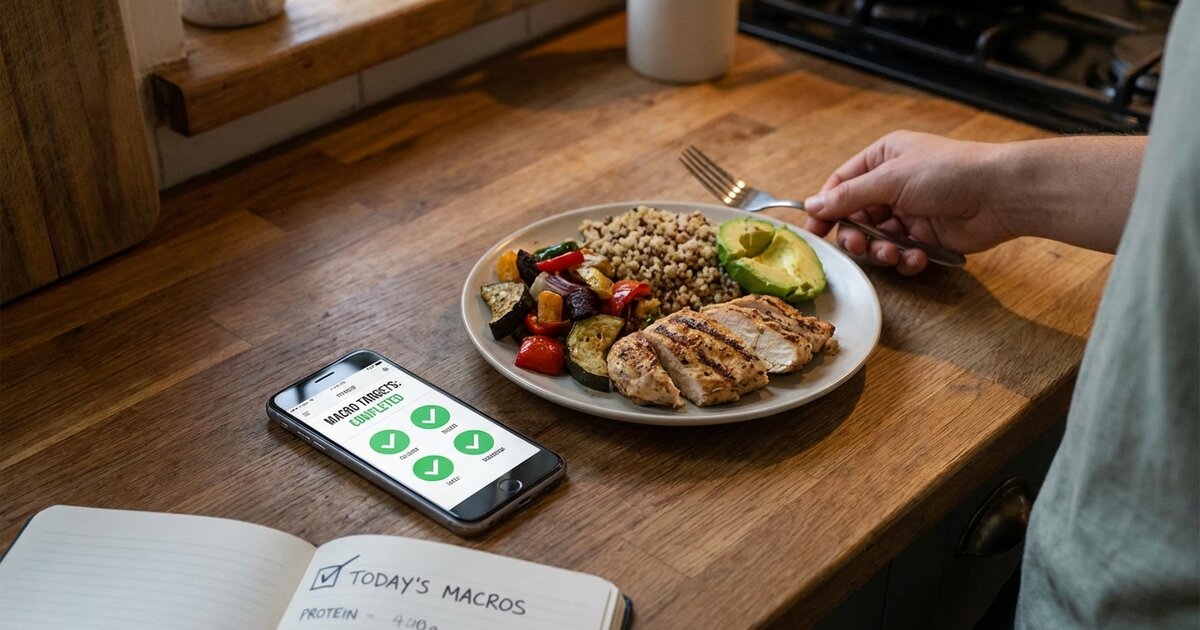
You know your macros. You’ve got your tracking app set up. But actually hitting those numbers—consistently, day after day—is where most people struggle. Understanding how to count macros is only the first step—execution is where results happen.
This guide is about the practical reality of fitting macros into your actual life. Meal prep, on-the-go solutions, dealing with hunger, managing social situations, and making it sustainable.
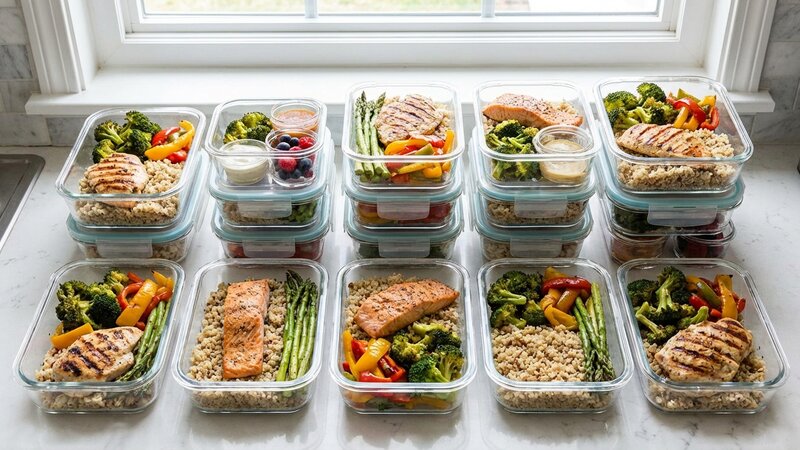
Related Guide: What Are Macronutrients? Complete Guide — Learn the foundations of protein, carbs, and fats.
The Core Principle: Plan Before You Eat
The biggest difference between people who hit their macros and those who don’t? Planning.
Tracking after you eat is like budgeting after you spend. It tells you what happened but doesn’t help you control it.
The Pre-Logging Method
How it works:
- Wake up (or the night before)
- Log your entire day of food in advance
- Adjust portions to hit your macros
- Execute the plan
- Modify only if circumstances change
Why it works:
- No end-of-day scrambling (“I have 60g of protein left!”)
- Decision fatigue eliminated—you know exactly what to eat
- Easier to balance macros when you see the full picture
- You can make adjustments before eating, not after
Example:
Morning: Open app, log planned breakfast, lunch, dinner, and snacks
See: 1,800 calories, 140g protein, 200g carbs, 60g fat
Target: 1,800 calories, 160g protein, 180g carbs, 60g fat
Adjust: Swap afternoon snack from crackers to Greek yogurt (+20g protein, -20g carbs)
Now: 1,800 calories, 160g protein, 180g carbs, 60g fat ✓
Strategy 1: Build a Meal Template
Create a basic eating structure that consistently hits your macros. This isn’t rigid meal planning—it’s a flexible framework.
The Template Approach
Create a daily structure:
| Meal | Protein | Carbs | Fat | Calories |
|---|---|---|---|---|
| Breakfast | 35g | 40g | 15g | 435 |
| Lunch | 45g | 50g | 15g | 515 |
| Snack | 25g | 20g | 10g | 270 |
| Dinner | 50g | 60g | 20g | 620 |
| Total | 155g | 170g | 60g | 1,840 |
Now you have macro “budgets” for each meal. Fill them with foods you enjoy.
Building Your Template
Step 1: Decide your meal frequency
Most people do well with 3-5 eating occasions:
- 3 meals: Larger meals, fewer decisions
- 3 meals + 1-2 snacks: More flexibility, prevents extreme hunger
- 4-5 smaller meals: Steady energy, good for muscle building
Step 2: Allocate macros across meals
Protein: Spread relatively evenly (30-50g per meal for most goals)
Research suggests spreading protein intake optimizes muscle protein synthesis. Avoid putting 80% of your protein in one meal.
Carbs: Place strategically
- More carbs around training (pre and post-workout)
- More carbs at meals where you want sustained energy
- Lower carbs when you’ll be sedentary
Fat: Flexible timing
- Away from workouts (fat slows digestion)
- Can help meals feel more satisfying
- Easy to add or reduce based on calorie needs
Step 3: Pick your anchor foods
Identify 2-3 protein sources, 2-3 carb sources, and 2-3 fat sources you eat regularly. These become your meal-building blocks.
Example anchors:
- Proteins: Chicken breast, eggs, Greek yogurt
- Carbs: Rice, oats, sweet potatoes
- Fats: Avocado, olive oil, nuts
Template in Action
Example: 1,800 calories, 155g protein, 170g carbs, 60g fat
Breakfast:
- 3 eggs (18g protein, 0g carbs, 15g fat) = 210 cal
- 2 slices whole wheat toast (8g protein, 24g carbs, 2g fat) = 140 cal
- 1 cup berries (1g protein, 15g carbs, 0g fat) = 65 cal
- Total: 27g protein, 39g carbs, 17g fat, 415 cal
Lunch:
- 5 oz chicken breast (40g protein, 0g carbs, 3g fat) = 185 cal
- 1 cup rice (4g protein, 45g carbs, 0g fat) = 200 cal
- Mixed vegetables (2g protein, 8g carbs, 0g fat) = 40 cal
- 1 tbsp olive oil for cooking (0g protein, 0g carbs, 14g fat) = 120 cal
- Total: 46g protein, 53g carbs, 17g fat, 545 cal
Snack:
- 1 cup Greek yogurt (20g protein, 8g carbs, 0g fat) = 130 cal
- 1 medium apple (0g protein, 25g carbs, 0g fat) = 95 cal
- Total: 20g protein, 33g carbs, 0g fat, 225 cal
Dinner:
- 6 oz salmon (36g protein, 0g carbs, 18g fat) = 310 cal
- 1 medium sweet potato (2g protein, 27g carbs, 0g fat) = 115 cal
- Large salad with vegetables (3g protein, 10g carbs, 0g fat) = 50 cal
- 2 tbsp light dressing (1g protein, 3g carbs, 7g fat) = 80 cal
- Total: 42g protein, 40g carbs, 25g fat, 555 cal
Day Total: 135g protein, 165g carbs, 59g fat, 1,740 cal
Close enough. Adjust slightly if needed.
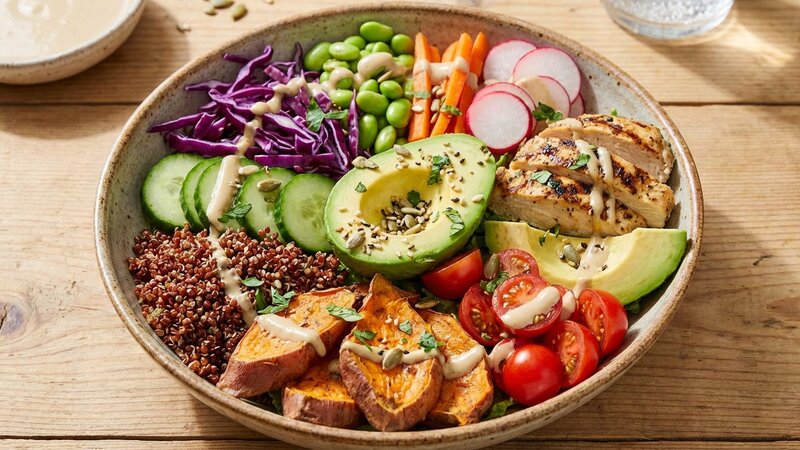
Strategy 2: Master Meal Prep
Meal prep removes the daily “what should I eat?” struggle. When food is ready, hitting macros is easy.
Meal Prep Basics
When to prep:
- Sunday for the first half of the week
- Wednesday for the second half
- Or one big prep for the entire week
What to prep:
Batch cook proteins:
- Grill 2-3 lbs of chicken breast
- Bake a batch of salmon fillets
- Cook a pound of ground turkey
- Hard boil a dozen eggs
Batch cook carbs:
- Make a big pot of rice
- Bake several sweet potatoes
- Cook a batch of quinoa
Prep vegetables:
- Wash and chop for easy access
- Roast a big pan of mixed vegetables
- Portion raw vegetables for snacks
Don’t forget sauces and flavor:
- Prep 2-3 different sauces/seasonings
- Having variety prevents boredom
Meal Prep Strategies
Strategy 1: Component prep
Cook ingredients separately, assemble meals as needed.
Pros: Flexibility, variety each day, less boredom
Cons: Requires daily assembly
Best for: People who get bored easily, varying schedules
Example:
- Container of grilled chicken
- Container of rice
- Container of roasted vegetables
- Daily: Grab portions of each, add sauce, eat
Strategy 2: Full meal prep
Prepare complete, portioned meals.
Pros: Grab-and-go convenience, no thinking required
Cons: Less flexible, potential boredom
Best for: Busy schedules, those who like consistency
Example:
- 5 identical containers of chicken + rice + vegetables
- Labeled with macros
- Just grab and heat
Strategy 3: Hybrid approach
Prep some meals completely, prep other components separately.
Example:
- Lunches: Fully prepped (grab-and-go)
- Dinners: Components ready (quick assembly)
- Breakfasts: Quick-prep items (eggs, oats, yogurt)
Meal Prep for Different Goals
For fat loss:
- Focus on high-volume, low-calorie foods
- Prep extra vegetables for snacking
- Keep protein sources lean
- Pre-portion calorie-dense items
For muscle building:
- Prepare calorie-dense options
- Include more carb sources
- Prep protein shakes/smoothies
- Have easy-add calories available (nuts, nut butter, oils)
Preventing Meal Prep Burnout
Vary your proteins: Don’t eat chicken breast 21 times a week.
Change cooking methods: Grilled chicken Monday, baked Tuesday, air-fried Wednesday.
Rotate sauces: Same chicken + different sauce = different meal.
Try new recipes monthly: Add one new meal to your rotation each month.
Use theme days: Taco Tuesday, Stir-fry Thursday, etc.
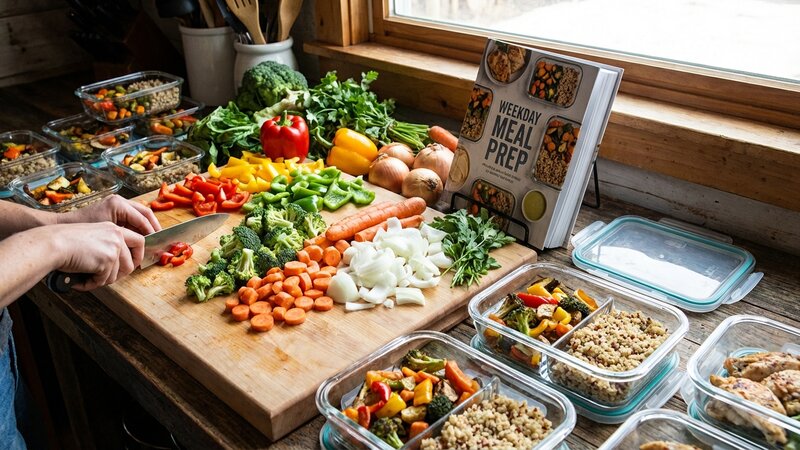
Strategy 3: Build a “Macro-Friendly” Pantry
Stock foods that make hitting macros easier. When the right options are available, good choices happen naturally.
High-Protein Essentials
Keep stocked:
- Chicken breast (fresh or frozen)
- Ground turkey/chicken
- Canned tuna or salmon
- Eggs
- Greek yogurt
- Cottage cheese
- Protein powder
- Deli meat (turkey, chicken, roast beef)
- String cheese
- Shrimp (frozen, quick to cook)
Smart Carb Sources
Keep stocked:
- Rice (white and/or brown)
- Oats
- Sweet potatoes
- Potatoes
- Whole grain bread
- Tortillas
- Pasta
- Quinoa
- Frozen fruit (for smoothies)
- Fresh fruit (bananas, apples, berries)
Healthy Fat Sources
Keep stocked:
- Olive oil
- Avocado (or frozen avocado chunks)
- Nuts (portioned into servings—bulk bags are dangerous)
- Nut butter
- Seeds (chia, flax)
- Cheese
The Vegetable Foundation
Keep stocked:
- Frozen vegetables (broccoli, spinach, mixed vegetables)
- Bagged salad
- Cherry tomatoes
- Cucumbers
- Peppers
- Carrots
Convenience Saves
For emergencies:
- Protein bars (know the macros of your go-to)
- Ready-to-drink protein shakes
- Microwavable rice cups
- Pre-cooked chicken strips
- Pre-made salads (check labels)
Protein: The Complete Guide Carbohydrates Explained Healthy Fats Guide
Strategy 4: Nail the Protein Problem
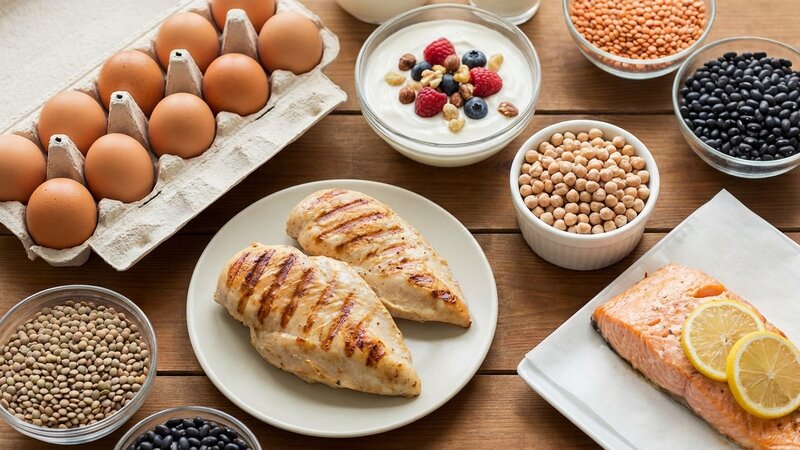
Protein is typically the hardest macro to hit. Here’s how to make it easier.
The Protein Priority Rule
Plan protein first, then fill in carbs and fat.
When you build meals around protein, you’ll hit your target. When you plan carbs first and add protein as an afterthought, you’ll fall short.
Example:
- ❌ “I’ll have pasta for lunch” → Ends up being 60g carbs, 12g protein
- ✅ “I’ll have chicken for lunch” → 45g protein, then add rice for carbs
Protein at Every Eating Occasion
Aim for 25-40g protein at each meal and 15-25g at snacks.
Breakfast proteins:
- Eggs (6g each)
- Greek yogurt (20g per cup)
- Cottage cheese (14g per ½ cup)
- Protein pancakes/waffles
- Protein oatmeal
- Breakfast meat (turkey sausage, bacon)
Lunch proteins:
- Grilled chicken on salad
- Deli meat wrap
- Tuna salad
- Leftover dinner protein
- Greek yogurt + nuts
Dinner proteins:
- Chicken breast (31g per 4oz)
- Salmon (25g per 4oz)
- Lean beef (26g per 4oz)
- Shrimp (20g per 4oz)
- Turkey (28g per 4oz)
Snack proteins:
- Greek yogurt
- String cheese
- Hard boiled eggs
- Protein shake
- Cottage cheese
- Deli meat roll-ups
- Protein bar
Protein Boosters
Ways to add protein without adding much else:
| Food | Protein | Calories | Notes |
|---|---|---|---|
| Egg whites (1 cup) | 26g | 130 | Add to scrambled eggs |
| Greek yogurt (1 cup) | 20g | 120 | Swap for regular yogurt |
| Protein powder (scoop) | 25g | 120 | Add to oatmeal, smoothies |
| Cottage cheese (1 cup) | 28g | 220 | Snack or breakfast |
| Tuna pouch (1 pouch) | 17g | 70 | Emergency protein |
The “Top Off” Strategy
End of day with protein to hit? Here’s how to top off:
- 25g short: Protein shake, or cottage cheese
- 15g short: Greek yogurt, or 2 eggs
- 10g short: String cheese + deli meat
- 5g short: A few bites of chicken, or egg whites added to a meal
Strategy 5: Handle Real-Life Situations
Life doesn’t happen in a vacuum. Here’s how to hit macros when plans change.
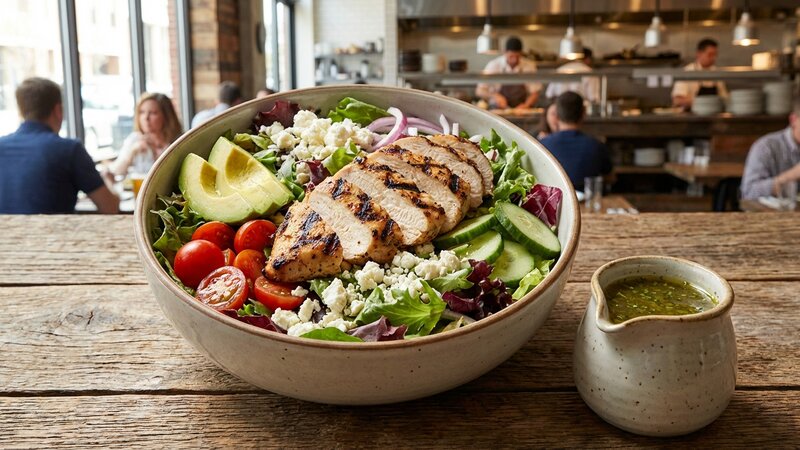
Eating Out at Restaurants
Research ahead:
- Check menus and nutrition info online
- Pre-log what you plan to order
- Identify macro-friendly options
Order smart:
- Grilled over fried
- Sauce on the side
- Extra vegetables instead of starches
- Ask how things are prepared
Common restaurant hacks:
- Steakhouse: Steak + baked potato + side salad
- Mexican: Fajitas (skip tortillas if needed), or burrito bowl
- Asian: Chicken and vegetables + rice (ask for light oil)
- Italian: Grilled fish or chicken + vegetables (pasta portions are huge)
- Fast casual: Chipotle bowls, Subway protein bowls, grilled options
The “save room” strategy: Eat lighter earlier if you know you have a big dinner. Bank some calories and macros for the meal out.
Social Events and Parties
Before the event:
- Eat a high-protein snack (prevents arriving starving)
- Pre-log an estimate of what you’ll eat
- Identify your macro-friendly options
At the event:
- Fill plate with protein first
- Add vegetables
- Be selective with carbs (one serving of the items you really want)
- Limit alcohol to planned amounts
After the event:
- Log your best estimate
- Don’t stress about one event
- Return to normal eating immediately
- Don’t “punish” yourself with restriction the next day
Travel and Vacations
On the road:
- Pack protein snacks (bars, jerky, nuts)
- Stop at grocery stores, not just fast food
- Hotel rooms with microwaves = easy meal prep
- Most restaurants have macro-friendly options if you look
On vacation:
- Decide your approach: strict tracking, relaxed tracking, or break
- Prioritize protein (everything else is flexible)
- Stay active
- Enjoy yourself—one week won’t ruin months of progress
At airports:
- Bring your own protein snacks
- Airport options: grilled chicken sandwiches, salads with protein, Greek yogurt
- Avoid: giant cinnamon rolls, airport pizza, unlimited snacks
Dealing with Cravings
Cravings don’t mean you have no willpower. They’re often signals.
If craving sweets:
- You might be under-eating carbs
- Try: fruit, Greek yogurt with honey, protein ice cream
If craving salty/savory:
- You might be under-eating or dehydrated
- Try: pickles (nearly zero calories), salted nuts, beef jerky
If craving specific foods:
- Build them into your macros
- Have a portion that fits, not a binge
- Don’t make foods “forbidden”
The 80/20 rule: 80% of your food should be whole, nutritious foods. 20% can be whatever you want, as long as it fits your macros.
Strategy 6: Use Flexible Dieting Principles
Hitting macros doesn’t mean eating “clean” 24/7. It means fitting food into your numbers.
”If It Fits Your Macros” (IIFYM)
The core principle: any food can fit if it works within your macro targets.
This means:
- You can have pizza if it fits
- You can have ice cream if it fits
- You can have fast food if it fits
But practically:
- Whole foods make hitting macros easier (more protein and fiber per calorie)
- Junk food is calorie-dense and low protein
- You’ll feel better eating mostly nutritious food
The Hierarchy of Importance
- Total calories — Most important for weight change
- Protein intake — Most important for body composition
- Carbs and fat distribution — Personal preference, some flexibility
- Food quality — Important for health and satiety
- Meal timing — Minor importance for most people
What this means practically:
- Don’t obsess over meal timing if you’re not hitting calories
- Don’t worry about food quality if you’re not getting enough protein
- Master the basics before optimizing details
Smart Substitutions
When you want a specific food, find a macro-friendly version:
| Craving | Standard Option | Macro-Friendly Swap |
|---|---|---|
| Ice cream | Regular (high fat, sugar) | Protein ice cream, Halo Top |
| Chips | Potato chips | Popcorn, rice cakes |
| Chocolate | Candy bar | Dark chocolate squares, protein chocolate |
| Pizza | Delivery pizza | Cauliflower crust, protein-topped homemade |
| Pasta | Regular pasta with sauce | Protein pasta, sauce with ground turkey |
| Pancakes | Regular pancakes | Protein pancakes |
Building “Treat” Meals
You can include treats and still hit macros. Plan them in.
Example: Fitting ice cream into macros
Target: 1,800 cal, 150g P, 170g C, 60g F
You want: Halo Top ice cream (1 pint = 280 cal, 20g P, 36g C, 8g F)
Solution: Log it first, then build the rest of your day around it.
Day with ice cream:
- Breakfast: 30g P, 40g C, 15g F (400 cal)
- Lunch: 45g P, 45g C, 15g F (500 cal)
- Dinner: 55g P, 50g C, 20g F (600 cal)
- Ice cream: 20g P, 36g C, 8g F (280 cal)
- Total: 150g P, 171g C, 58g F (1,780 cal) ✓
Strategy 7: Troubleshoot Common Struggles
”I’m Always Hungry”
Check your food volume: Are you eating enough low-calorie, high-volume foods?
- Add more vegetables (fill half your plate)
- Choose whole fruits over juice
- Pick high-fiber carbs
Check your protein: Higher protein = more satiety
- Aim for 30-40g protein per meal minimum
- Include protein at every eating occasion
Check your food timing: Are meals too far apart?
- Consider adding a snack
- Eat a substantial breakfast
Check your deficit: Too aggressive?
- 300-500 calorie deficit is sustainable
- 1,000+ calorie deficit = constant hunger
”I Never Have Time to Cook”
Solutions:
- Dedicate 2 hours on Sunday to meal prep
- Use sheet pan dinners (everything on one pan, minimal cleanup)
- Slow cooker/Instant Pot meals (set and forget)
- Rotisserie chicken from the store
- Pre-cooked proteins from Costco/Trader Joe’s
- Keep frozen options for backup
5-minute meals:
- Scrambled eggs + toast
- Greek yogurt + protein powder + fruit
- Deli meat + cheese + vegetables
- Pre-cooked chicken + microwavable rice + frozen vegetables
”My Family Eats Different Food”
Options:
- Modular family meals: Cook proteins and carbs separately, let everyone build their plate
- Same meal, different portions: Everyone eats the same thing, you measure yours
- Strategic additions: Add protein and vegetables to whatever the family is having
- Prep your food, eat with family: Your meals are prepped, you still sit together
”I Go Off Track on Weekends”
Why it happens:
- Less structure
- Social events
- Alcohol
- “Reward” mentality
Solutions:
- Plan weekend meals just like weekday meals
- Bank calories during the week (slightly lower Mon-Thu)
- Decide what you’ll drink in advance
- Keep tracking (even loosely)
- Don’t make it a “cheat” mentality—it’s just another day
”I’m Bored With My Food”
Solutions:
- New recipes monthly (try one new macro-friendly recipe)
- Different cuisines (same macros, different flavors)
- Vary cooking methods
- New sauces and seasonings
- Follow macro-friendly food accounts for inspiration
The Daily Routine: Putting It All Together
Here’s what a day of hitting macros looks like in practice:
Night Before
- Check tomorrow’s schedule
- Plan or pre-log meals
- Prep anything needed (defrost protein, set out oats)
- Confirm lunch is prepped or plan where you’ll get it
Morning
- Execute breakfast plan
- Verify pre-logged meals still work
- Pack lunch/snacks if needed
- Adjust dinner plan if anything changed
Midday
- Eat pre-planned lunch
- Check in with app
- Confirm dinner plan
Afternoon
- Eat snack if planned
- Adjust dinner portions if over/under
Evening
- Eat planned dinner
- Top off any macros if needed (protein shake, Greek yogurt)
- Review day’s totals
- Learn for tomorrow
The Weekly View
| Day | Focus |
|---|---|
| Sunday | Major meal prep, plan the week |
| Monday | Execute plans |
| Tuesday | Execute plans |
| Wednesday | Mini prep if needed |
| Thursday | Execute plans |
| Friday | Slightly flexible (optional “treat” meal built in) |
| Saturday | Slightly flexible, stay mindful |
Related Guide: This guide builds on our How to Count Macros guide.
Frequently Asked Questions
How do I hit my protein macros every day?
Hit protein macros by building meals around protein-rich foods first, then adding carbs and fats. Aim for 30-40g protein per meal across 3-4 meals daily—this makes reaching 120-160g total much easier than trying to cram it all into dinner. Start each meal by portioning your protein source (chicken, fish, eggs, Greek yogurt), then build the rest of your plate around it.
Keep convenient protein options readily available: hard-boiled eggs, pre-cooked chicken breast, canned tuna, Greek yogurt, cottage cheese, protein powder, and deli meat. These require minimal preparation and prevent you from skipping protein when time is tight. If you’re consistently short on protein, add a protein shake (25-30g) as a snack between meals to close the gap.
What if I’m over on one macro but under on others?
Prioritize hitting protein first—this is the most important macro for body composition. If you’re over on carbs or fat but hit protein and total calories, you’re still in good shape. Small daily variances (±10-20g on carbs/fat) don’t matter—focus on weekly averages rather than daily perfection. A day that’s 20g over on carbs and 10g under on fat balances out.
If you’re consistently overshooting one macro, adjust your food choices: swap fattier protein sources for leaner ones if fat is too high, reduce carb portions if carbs are too high, or add nuts/avocado if fat is too low. Use the last meal of the day to “balance” your macros by checking your running totals and adjusting portions accordingly.
How close do I need to be to my macro targets?
Aim to be within 5-10g on protein and 10-20g on carbs and fat daily. Hitting exactly 150.0g protein isn’t necessary—anywhere from 140-160g is perfectly fine. The goal is consistency over weeks, not daily perfection. Your body doesn’t reset at midnight; what matters is your average intake over 7-14 days, not single-day precision.
Most successful macro counters hit within ±5% of their targets most days. That’s “close enough” territory. If you’re hitting 80-90% of your protein target consistently and staying near your calorie goal, you’ll see results. Obsessing over perfect numbers creates unnecessary stress without meaningful benefit. Track honestly, aim for the target, and don’t sweat small variances.
Should I meal prep to hit my macros?
Meal prep isn’t required but makes hitting macros significantly easier, especially for busy people or those new to tracking. Prepping 3-5 days of lunches on Sunday removes daily decision-making and ensures you have macro-friendly options ready when hungry. You don’t need to prep every meal—many people prep just lunches and dinners while handling breakfast fresh daily.
Start simple: prep one macro-friendly protein source (5 lbs chicken breast, turkey meatballs, hard-boiled eggs) and one carb source (batch of rice, roasted sweet potatoes). Combine with fresh vegetables throughout the week. This “component prep” is less intimidating than full meals and provides flexibility. See our Macro Meal Prep Guide for step-by-step instructions.
Can I eat out and still hit my macros?
Yes—eating out while hitting macros requires planning and smart ordering. Check restaurant nutrition information online before arriving so you can make informed choices rather than guessing. Look for grilled proteins, ask for dressings and sauces on the side, request extra vegetables instead of fries, and don’t be afraid to customize orders. Most servers are accommodating if you ask politely.
Many restaurants underestimate portions and calories—consider adding 20-30% to listed macros to account for hidden oils, butter, and generous portions. Chain restaurants (Chipotle, Panera, Chick-fil-A) provide accurate nutrition info and consistent portions. Local restaurants require more estimation. When in doubt, choose simpler preparations (grilled over fried, plain over sauced) and measure results over several weeks to calibrate your estimates.
What’s the easiest macro to hit first?
Start by mastering protein—it’s the most important macro and often the hardest to hit. Most people struggle to reach 0.8-1.0g per pound bodyweight without intentional planning. Once you consistently hit protein targets for 2-3 weeks, carbs and fats naturally fall into place since they’re more abundant in typical foods. Building protein-first habits creates the foundation for overall macro success.
Protein is also the most forgiving—your body uses it efficiently for muscle maintenance and recovery, and high protein intake increases satiety (keeps you full longer). If you only hit one macro perfectly, make it protein. Carbs and fat ratios can flex slightly based on preference and activity without significantly impacting results, but protein should remain consistently high.
How do I handle weekends and social events?
Plan social meals in advance by checking restaurant menus ahead, banking 100-200 calories from earlier in the day, and choosing higher-protein options when possible. If you know you’re eating out Saturday evening, eat slightly lighter at breakfast and lunch (maintaining protein) to save calories for dinner. This isn’t deprivation—it’s strategic planning.
Alternatively, use weekly calorie averaging: if your daily target is 1,800 calories (12,600 weekly), you can eat 1,700 Monday-Friday (8,500 total) and 2,050 Saturday-Sunday (4,100 total) while hitting the same weekly target. This flexibility prevents the “ruined my diet” mentality. Track even on weekends—awareness prevents complete derailment even if you go over targets.
What if I keep missing my macros?
Identify which specific macro you’re missing and why. Short on protein? Add a protein shake or Greek yogurt snack. Over on fat? Switch from chicken thighs to chicken breast, reduce cooking oil, choose leaner cuts. Over on carbs? Reduce portion sizes of rice/pasta/bread slightly. The solution is specific to your pattern—track honestly for one week to identify trends.
Common fixes: Pre-log your entire day in the morning so you know exactly what to eat (removes guesswork). Start with a simple meal template and repeat it 4-5 days per week until hitting macros becomes automatic. Focus on hitting just protein and calories first, then refine carb/fat ratios once that’s consistent. Building habits beats perfection—consistency at 80% is better than sporadic attempts at 100%.
Your Action Plan
Week 1: Establish the basics
- Download and set up tracking app
- Calculate your macros Macro Calculator
- Create a simple meal template
- Start pre-logging your days
Week 2: Build your system
- Do your first meal prep
- Stock your macro-friendly pantry
- Identify your protein anchors
- Practice hitting protein target
Week 3: Refine and optimize
- Adjust meal template based on what worked
- Add variety to prevent boredom
- Practice handling one “real life” situation (eating out, social event)
- Troubleshoot any consistent struggles
Week 4+: Maintain and evolve
- Keep weekly meal prep routine
- Rotate recipes to prevent boredom
- Continue tracking (or begin transitioning to intuitive)
- Adjust macros based on progress
Hitting your macros isn’t about perfection—it’s about building systems that make the right choice the easy choice. Start simple, build habits, and optimize as you go.
Last updated: February 2026
Related Articles
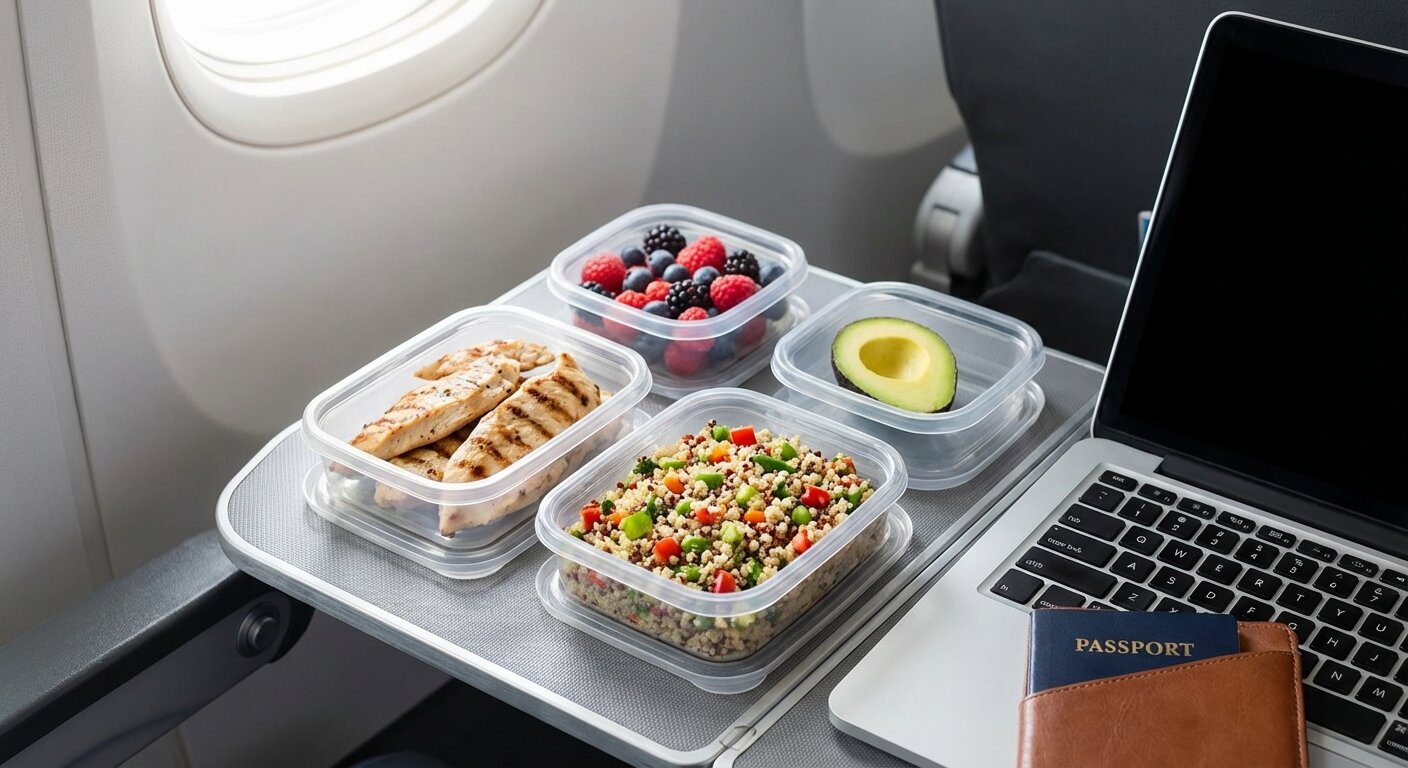
Travel Macros: How to Track Nutrition While Traveling
Complete guide to managing macros while traveling. Learn meal planning strategies,...
Read guide →
Macros for Shift Workers: Complete Guide to Nutrition on Rotating Schedules
Master macro tracking on night shifts and rotating schedules. Learn meal timing, sleep...
Read guide →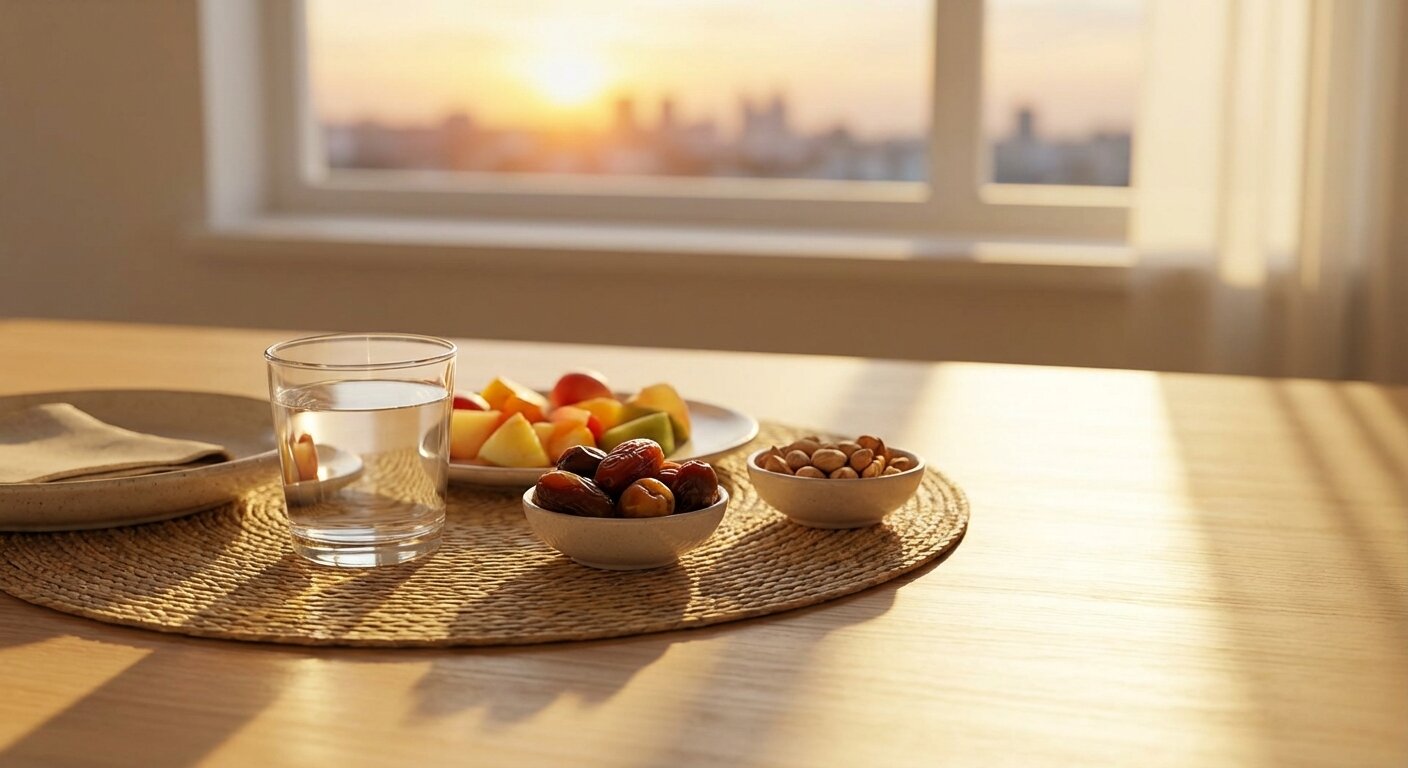
Macros During Ramadan: Complete Nutrition Guide for Fasting
Learn how to track macros during Ramadan fasting. Expert guide covering meal timing,...
Read guide →Disclaimer: This content is for informational purposes only. Consult a healthcare provider before making changes to your diet.