Low Carb Macros (Non-Keto): A Complete Guide
Reviewed by Sarah Chen, MS, RD
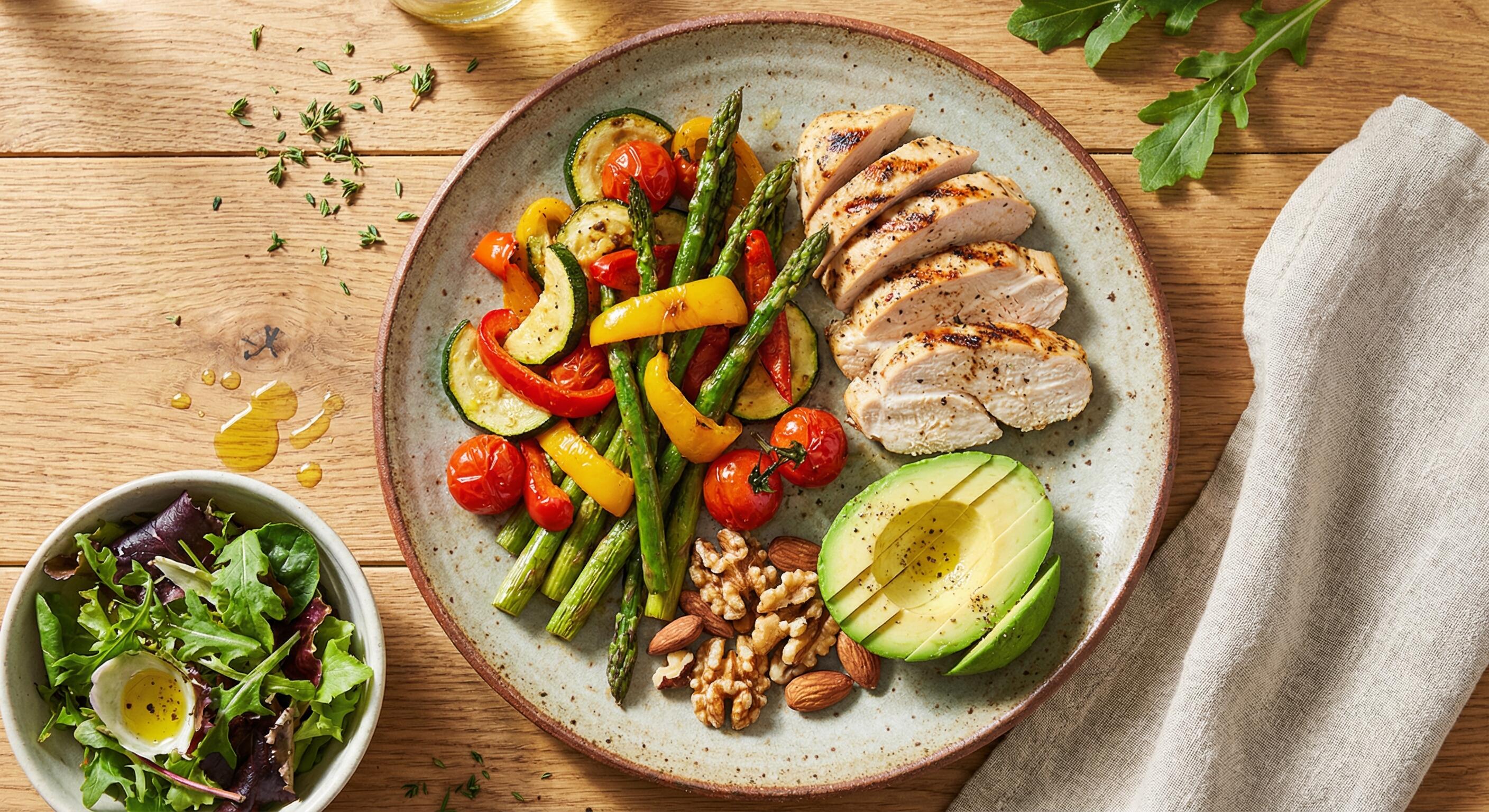
You’re interested in the benefits of cutting carbs—weight loss, stable energy, reduced cravings—but the idea of a strict ketogenic diet seems overwhelming. Giving up all fruits, starchy vegetables, and even some legumes feels too restrictive and unsustainable.
You’re looking for the middle ground. A way to get the benefits of carb reduction without the extremes of keto.
Welcome to the world of low-carb, non-keto dieting. It’s a flexible, effective, and sustainable approach that works for a huge range of people, from those looking to lose weight to athletes fueling their performance.
This guide will break down exactly what a non-keto low-carb diet is, how it differs from keto, and how to set up your macros for success.
For the stricter version of this diet, check out our complete guide to keto macros.
What is Low-Carb (vs. Keto)?
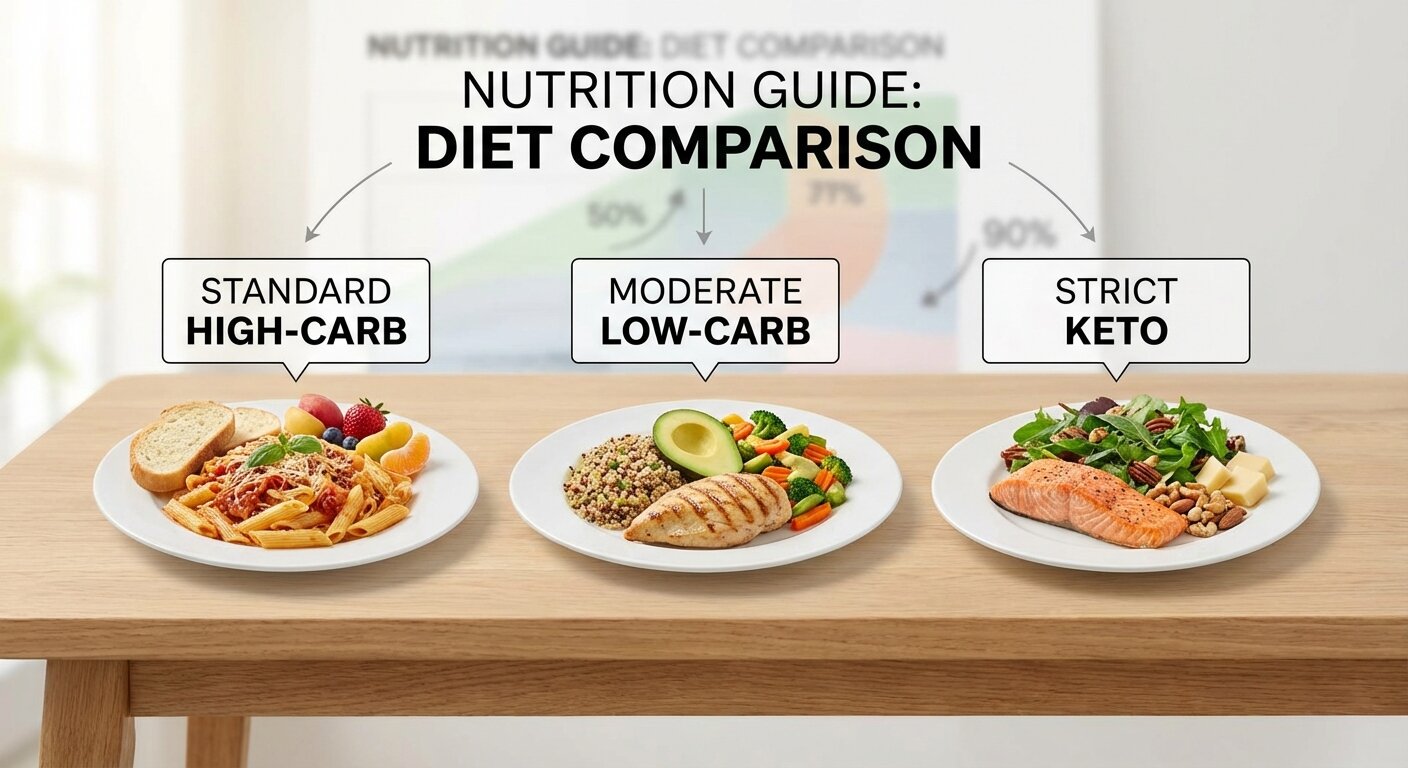
The main difference between low-carb and keto is the degree of carbohydrate restriction.
| Diet | Daily Carb Intake | In Ketosis? | Key Feature |
|---|---|---|---|
| Standard Diet | 200-300g+ | No | High in carbohydrates |
| Low-Carb Diet | 50-150g | No (or very mild ketosis) | Flexible carb reduction |
| Keto Diet | < 50g (often < 20g) | Yes | Strict carb elimination to produce ketones |
The Low-Carb Sweet Spot: 75-150g Per Day
This range is the heart of a non-keto low-carb lifestyle.
- It’s low enough to significantly reduce insulin levels, promote fat burning, and control appetite.
- It’s high enough to allow for a wide variety of foods, including fruits, starchy vegetables, and legumes in moderation.
- It’s sustainable long-term for most people.
Why Choose Low-Carb Over Keto?
- More Food Flexibility: You can still enjoy a sweet potato, a bowl of berries, or some black beans in your chili.
- Easier Social Dining: It’s much easier to find low-carb options at restaurants than strict keto options.
- Better for Athletic Performance: Active individuals and athletes often perform better with more carbs than a keto diet allows.
- No “Keto Flu”: You avoid the harsh adaptation phase of switching to ketosis.
- Long-Term Sustainability: The flexibility makes it a lifestyle, not just a diet.
Low-Carb Macro Ratios
With carbs reduced, you need to increase protein and fat to provide energy and satiety.
The Ideal Low-Carb Macro Split
30-35% protein / 20-30% carbs / 40-45% fat
Why this works:
- High Protein: Preserves muscle, keeps you full, and boosts metabolism. This is the anchor of a successful low-carb diet.
- Low-to-Moderate Carbs: Reduces insulin spikes and promotes fat burning.
- Moderate-to-High Fat: Provides sustained energy and satiety.
In grams (for a 2,000-calorie diet at 30% carbs):
- Protein: 150-175g (30-35%)
- Carbs: 150g (30%)
- Fat: 89-100g (40-45%)
Adjusting Your Carb Intake
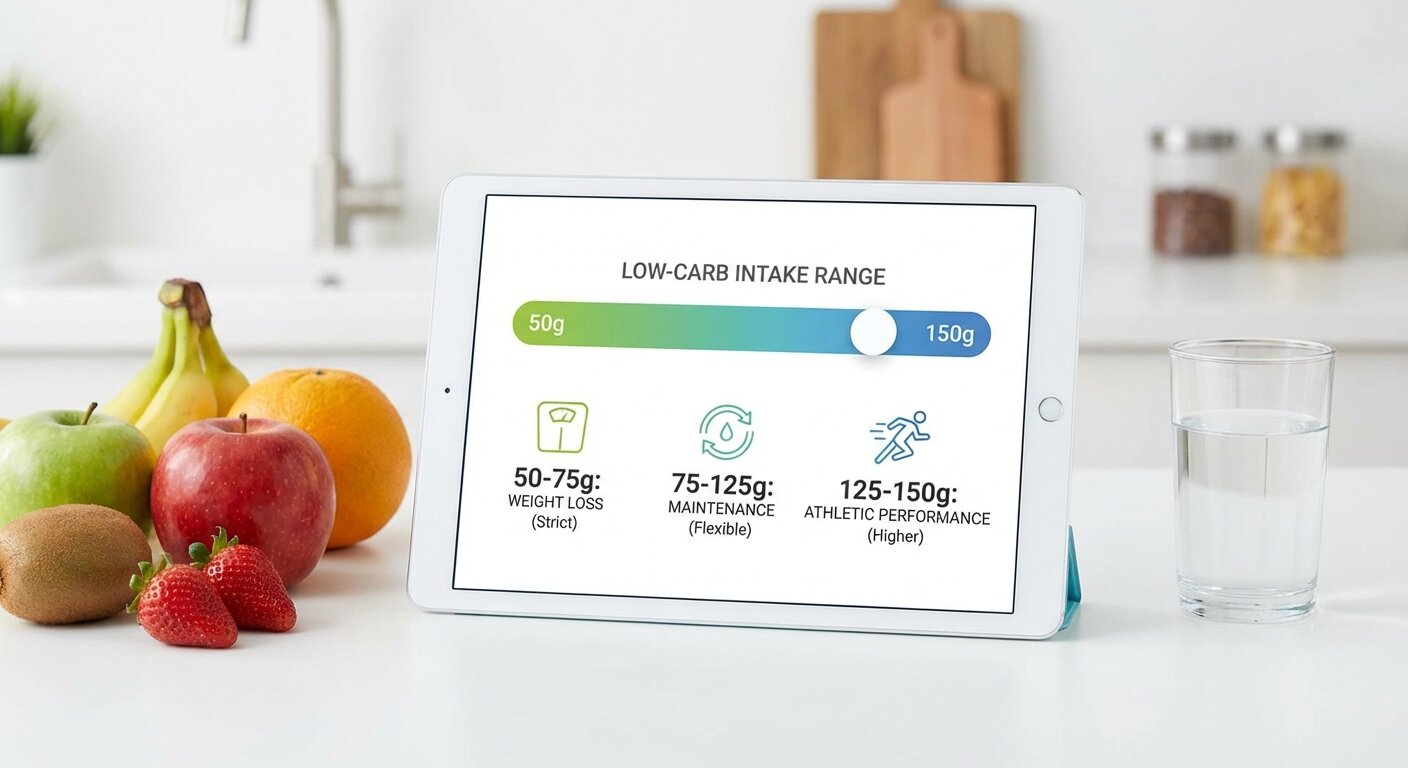
Your ideal carb intake within the 50-150g range depends on your goals and activity level.
- For aggressive fat loss or managing insulin resistance: Aim for the lower end, 50-100g per day.
- For general health and sustainable weight loss: The middle ground of 100-125g per day is perfect.
- For active individuals or those in weight maintenance: The higher end of 125-150g per day works well.
How to Calculate Your Low-Carb Macros
Here’s a step-by-step guide to finding your personal targets.
Step 1: Determine Your Calorie Target
First, calculate your TDEE (Total Daily Energy Expenditure) and then adjust for your goal.
- For Fat Loss: Eat at a 300-500 calorie deficit (TDEE - 500).
- For Maintenance: Eat at your TDEE.
(Need help? Use our TDEE Calculator to find your starting point.)
Example: A person with a TDEE of 2,200 wanting to lose weight would aim for 1,700 calories.
Step 2: Set Your Protein (The Foundation)
This is your most important macro. Don’t skip this.
Target: 1.0-1.2g of protein per pound of your ideal body weight.
Example (Ideal weight of 150 lbs):
- 150 lbs x 1.0g = 150g of protein per day.
- Calories from protein: 150g x 4 cal/g = 600 calories.
Step 3: Set Your Carbohydrates (Your Flexible Target)
Choose your carb target based on your goals. Let’s use a moderate target for our example.
Target: 125g of carbohydrates per day.
- Calories from carbs: 125g x 4 cal/g = 500 calories.
Step 4: Fill the Rest with Fat
Fat provides the remaining energy.
Example:
- Total Daily Calories: 1,700
- Protein Calories: 600
- Carb Calories: 500
- Remaining Calories for Fat: 1,700 - 600 - 500 = 600 calories
- Fat in grams: 600 / 9 cal/g = 67g of fat per day.
Your Final Low-Carb Macros:
- Calories: 1,700
- Protein: 150g (35%)
- Carbohydrates: 125g (29%)
- Fat: 67g (35%)
This balanced approach provides high protein for muscle and satiety, enough carbs for energy and flexibility, and enough fat for hormone health and flavor.
What to Eat on a Low-Carb Diet
Building your meals is simple. Prioritize protein and vegetables, then add healthy fats and use your carb budget wisely.
Your Food Checklist
- Protein Sources (at every meal):
- Meat (chicken, beef, pork)
- Fish (salmon, tuna, cod)
- Eggs
- Greek yogurt, cottage cheese
- Tofu, edamame
- Non-Starchy Vegetables (eat freely):
- Leafy greens, broccoli, cauliflower, bell peppers, zucchini, asparagus.
- Healthy Fats:
- Avocado, olive oil, nuts, seeds.
- Your “Carb Budget” Foods (in measured portions):
- Fruits: Berries are the best choice. Apples, pears, and other fruits are fine in moderation.
- Starchy Vegetables: Sweet potato, squash, carrots, beets.
- Legumes: Lentils, black beans, chickpeas.
- Whole Grains: Quinoa, oats, brown rice.
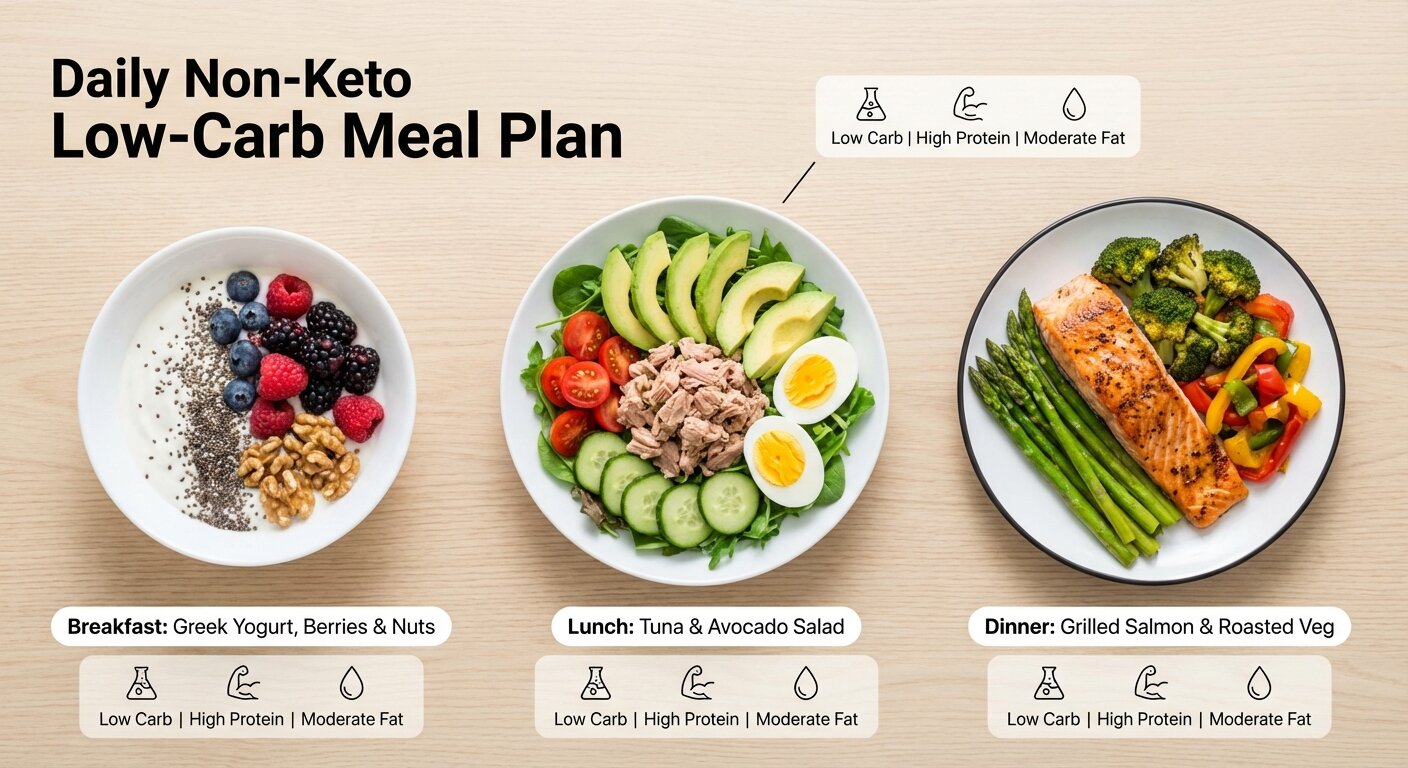
Example Daily Carb Allocation (125g Target)
- From Vegetables: 25g (from eating large portions throughout the day)
- Breakfast: 1/2 cup berries with Greek yogurt = 15g
- Lunch: 1 cup of black bean soup = 30g
- Dinner: 1 medium sweet potato = 25g
- Snack: 1 apple with peanut butter = 25g
- Daily Total: 120g
This shows how easily you can fit in nutrient-dense carbs while staying within a low-carb framework.
Low-Carb for Weight Loss
A low-carb diet is a highly effective tool for weight loss for several reasons:
- Reduced Insulin: Lowering carbs keeps insulin levels low, which allows your body to more easily access and burn stored body fat.
- Increased Satiety: Higher protein and fat intake keeps you fuller for longer, naturally reducing your overall calorie intake.
- Reduced Water Weight: Initially, you will lose several pounds of water weight as your body depletes its stored glycogen, which can be highly motivating.
- Stable Blood Sugar: Eliminating the highs and lows of a high-carb diet crushes cravings.
For the best results, combine your low-carb macros with a 300-500 calorie deficit and resistance training. For more details, see our guide to macros for weight loss.
Low-Carb for Muscle Gain
There’s a persistent myth that you need high carbs to build muscle. This is false. You need three things to build muscle:
- A training stimulus (lifting weights).
- Sufficient protein (the building blocks).
- Sufficient calories (a calorie surplus).
A low-carb diet can absolutely support muscle growth.
The Strategy
- Calorie Surplus: Eat 300-500 calories above your TDEE.
- Very High Protein: Aim for the higher end of the range, 1.2-1.4g per pound.
- Strategic Carbs: Use your carb budget (125-150g) around your workouts. Consume carbs 1-2 hours before you train for energy and immediately after to aid recovery.
Progress may be slightly slower than a traditional high-carb “bulk,” but you will gain much less body fat in the process, leading to a leaner final result. For more, see our guide to macros for muscle gain.
Common Low-Carb Mistakes
1. Fear of Fat
People come from a “low-fat” dieting culture and reduce carbs without increasing fat. This leaves you with a low-carb, low-fat, high-protein diet that is low in energy and unsustainable.
- The Fix: Don’t be afraid of healthy fats. They are your primary energy source when carbs are reduced. Embrace avocado, olive oil, nuts, and seeds.
2. Not Eating Enough Protein
This is the most common mistake. People focus so much on cutting carbs that they forget to increase protein.
- The Fix: Track your protein intake for a few days. You are probably eating less than you think. Build every meal around a protein source.
3. Eating Too Many “Low-Carb” Processed Foods
The market is flooded with low-carb bars, breads, and snacks. While convenient, they are often highly processed, low in nutrients, and can stall weight loss for some people.
- The Fix: Follow the 80/20 rule. Make 80% of your diet whole, unprocessed foods. Use processed low-carb products as occasional treats, not staples.
4. Not Eating Enough Vegetables
Some people interpret “low-carb” as “no plants.” This is a huge mistake.
- The Fix: Eat a wide variety of non-starchy vegetables. They provide essential fiber, vitamins, and minerals with very few net carbs. Aim for 5-7 servings a day.
Is a Low-Carb Diet Right for You?
A non-keto low-carb diet is a great fit for:
- Individuals wanting to lose weight without feeling hungry.
- People with insulin resistance, pre-diabetes, or PCOS.
- Those looking to improve their energy levels and mental clarity.
- People who find the keto diet too restrictive.
It may be less ideal for:
- High-performance endurance athletes (who may need more carbs).
- Individuals who have a hard time giving up staples like bread and pasta.
- Vegans, who may find it challenging to get enough protein without higher-carb legumes and grains.
The beauty of a moderate low-carb diet is its sustainability. It’s not a quick fix; it’s a flexible and powerful framework for long-term health and weight management.
FAQ: Low-Carb Macros
What are good macros for a low-carb diet?
A great macro ratio for a non-keto low-carb diet is 30-35% protein, 20-30% carbs, and 40-45% fat. This typically translates to 75-150g of carbs per day, which is low enough to promote fat loss and improve insulin sensitivity without the strictness of a ketogenic diet.
How many carbs is considered low-carb but not keto?
Low-carb is generally defined as eating between 50 and 150 grams of carbohydrates per day. The ketogenic diet is a much stricter form of low-carb, requiring under 50g (and often under 20g) of carbs to induce ketosis. The 75-150g range is the sweet spot for a sustainable low-carb lifestyle.
Is low-carb better than keto?
Neither is inherently ‘better’; they are different tools for different goals. Low-carb is more flexible, sustainable, and suitable for a wider range of people, including athletes. Keto is a more powerful therapeutic tool for conditions like severe insulin resistance or epilepsy but is much more restrictive.
How much protein should I eat on a low-carb diet?
Aim for 1.0-1.2 grams of protein per pound of your ideal body weight. When you reduce carbohydrates, protein becomes even more important for satiety, preserving muscle mass, and maintaining a healthy metabolism. Don’t make the mistake of eating a low-carb, low-protein diet.
Can I lose weight on 100 carbs a day?
Yes, absolutely. For most people, 100g of carbs per day is a significant reduction from a standard diet and, when combined with a calorie deficit and adequate protein, is a very effective and sustainable target for weight loss.
Will I lose muscle on a low-carb diet?
You will only lose muscle on a low-carb diet if your protein intake is too low and you are not doing resistance training. A high-protein low-carb diet is actually very muscle-sparing, especially during weight loss.
What is the difference between low-carb and low-fat diets?
They are opposing dietary strategies. Low-carb diets reduce carbohydrates and replace those calories with fat and protein. Low-fat diets reduce fat and replace those calories primarily with carbohydrates. For weight loss, research generally shows low-carb diets to be more effective, particularly for those with insulin resistance.
How do I start a low-carb diet?
Start by eliminating sugary drinks and refined carbs (bread, pasta, cereal). Build your meals around a protein source, a healthy fat source, and unlimited non-starchy vegetables. Then, add in small portions of low-glycemic carbs like berries, quinoa, or sweet potato to meet your carb target.
Related Articles
Travel Macros: How to Track Nutrition While Traveling
Complete guide to managing macros while traveling. Learn meal planning strategies,...
Read guide →
Macros for Shift Workers: Complete Guide to Nutrition on Rotating Schedules
Master macro tracking on night shifts and rotating schedules. Learn meal timing, sleep...
Read guide →
Macros During Ramadan: Complete Nutrition Guide for Fasting
Learn how to track macros during Ramadan fasting. Expert guide covering meal timing,...
Read guide →Disclaimer: This content is for informational purposes only. Consult a healthcare provider before making changes to your diet.