Macro Meal Prep: The Complete Beginner's Guide
Reviewed by Sarah Chen, MS, RD
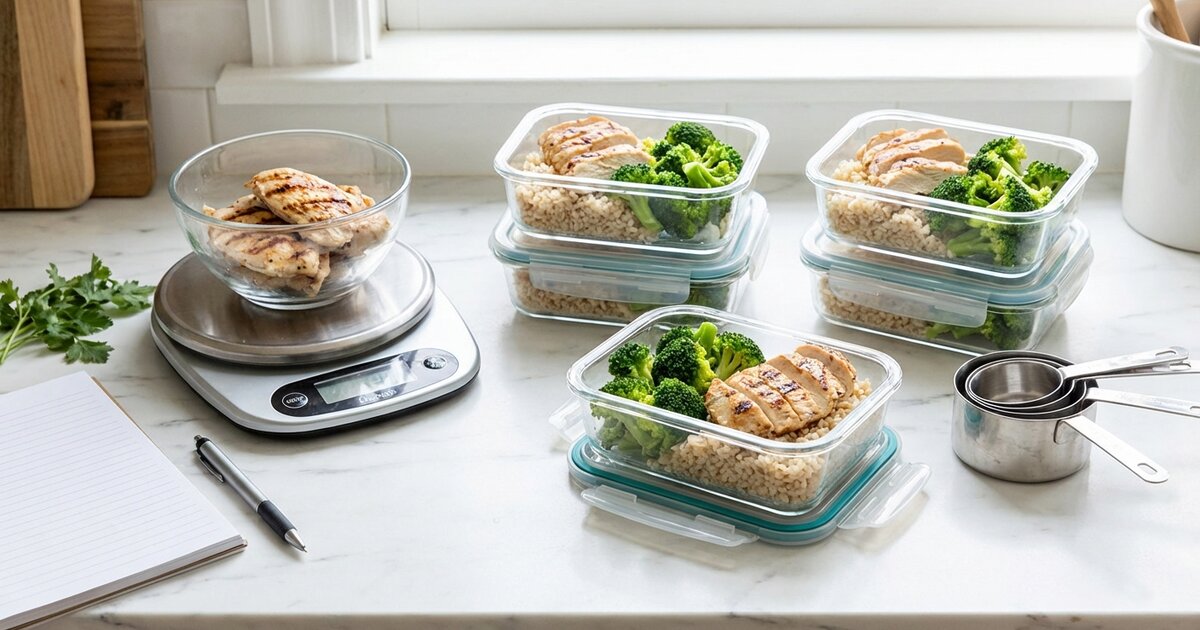
Here’s a secret the most successful macro trackers know:
The battle isn’t won when you log your food. It’s won when you prep it. If you’ve mastered how to count macros, meal prep is what takes you from tracking to thriving.
Meal prepping for macros is the difference between scrambling to hit your targets and knowing—before the week even starts—that you’ve got it handled.
No more staring into the fridge wondering what to eat. No more grabbing fast food because there’s “nothing good” at home. No more ending the day 40 grams short on protein.
This guide will show you exactly how to meal prep for macros—even if you’ve never prepped a meal in your life. Let’s turn you into a macro-hitting machine.
Related Guide: What Are Macronutrients? Complete Guide — Learn the foundations of protein, carbs, and fats.
Why Meal Prep Makes Macro Tracking Easier
Let’s be real: tracking macros takes effort. You’re weighing food, logging entries, doing math. It works, but it’s work.
Meal prep removes 90% of that friction.
Here’s what changes:
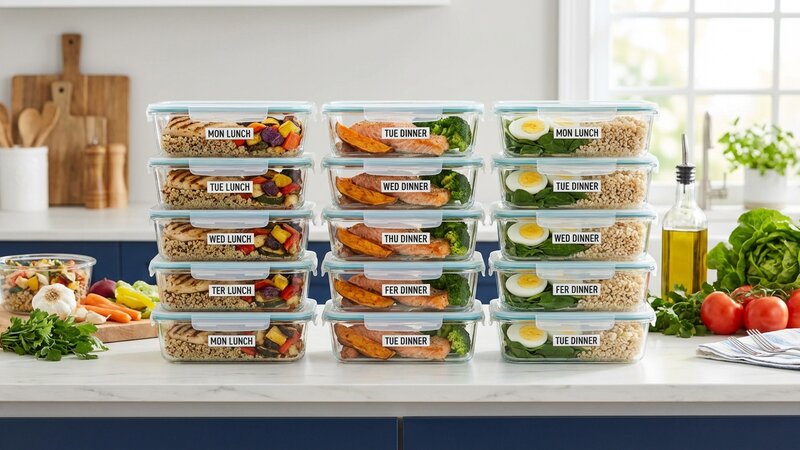
You Track Once, Eat All Week
Instead of tracking every meal in real-time, you calculate once during prep. Log your batch of chicken. Log your rice. Log your vegetables. Done.
Now you just grab pre-portioned containers all week. Zero thinking required.
No More Decision Fatigue
When 6 PM hits and you’re tired, the last thing you want is to figure out what to eat and how to make it fit your macros.
Meal prep eliminates the decision. Your food is ready. Your macros are locked in. You just eat.
Accuracy Improves
When you weigh and portion everything in advance, you know exactly what you’re getting. No more estimating. No more “that looked like 6 ounces” guessing.
You Stay Consistent
The biggest killer of macro diets isn’t bad calculations—it’s inconsistency. One unplanned lunch. One “I’ll figure it out later” dinner. One day off that turns into three.
Meal prep builds consistency into your system.
Money Savings
Buying in bulk and cooking at home costs a fraction of daily restaurant meals or takeout. Meal prep pays for itself.
The Basics: What to Prep
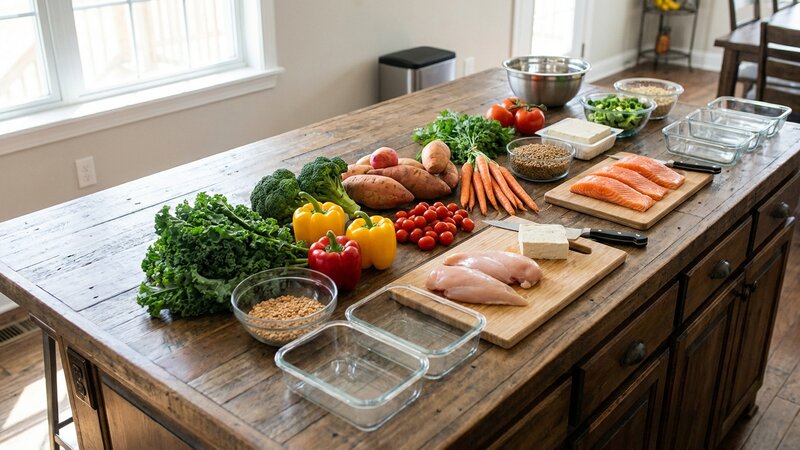
Macro meal prep isn’t about making entire “meals” in advance. It’s about preparing components that you can mix and match.
Think of it as building a toolkit, not following recipes.
Component 1: Proteins
This is the foundation. Protein is the hardest macro to hit on the fly, so having it prepped is non-negotiable.
Best proteins for meal prep:
- Chicken breast or thighs
- Ground turkey
- Ground beef (85-90% lean)
- Salmon or other fish (keeps 3-4 days)
- Shrimp
- Hard-boiled eggs
- Lean steak
- Pulled pork or chicken
Prep style: Cook plain or with minimal seasoning. This lets you use the same protein for different meals—tacos one day, salads the next, stir-fry the next.
How much: Prep enough protein for all your main meals plus snacks. If you eat 4 protein-based meals daily, that’s 28 servings per week.
Component 2: Carbohydrates
Carbs are the easiest macro to fill in later, but having them prepped saves massive time.
Best carbs for meal prep:
- Rice (white or brown)
- Quinoa
- Sweet potatoes
- Regular potatoes
- Pasta
- Oats (overnight oats prep separately)
- Whole grain bread (store-bought is fine)
Prep style: Cook in large batches. Rice and quinoa keep well for 5-6 days. Potatoes can be baked, roasted, or boiled.
Pro tip: Slightly undercook grains. They’ll soften when you reheat, preventing mush.
Component 3: Vegetables
You need fiber, micronutrients, and volume. Prep veggies to make healthy eating the easy choice.
Best vegetables for meal prep:
- Broccoli
- Green beans
- Asparagus
- Bell peppers
- Zucchini
- Brussels sprouts
- Spinach/mixed greens (store separately, don’t pre-dress)
- Cauliflower
Prep style: Roast in bulk (best flavor retention), steam, or store raw/cut for stir-fries later.
Storage: Most cooked vegetables keep 4-5 days. Raw, cut vegetables keep 5-7 days.
Component 4: Sauces and Seasonings
This is the secret weapon that keeps meal prep from getting boring.
Stock your arsenal:
- Hot sauce (zero calories)
- Mustard (very low calorie)
- Salsa (low calorie)
- Soy sauce or coconut aminos
- Sugar-free BBQ sauce
- Greek yogurt-based dressings
- Herbs and spices (garlic powder, cumin, paprika, Italian seasoning)
The rule: Change the sauce, change the meal. Same chicken becomes Mexican, Asian, or Italian depending on what you top it with.
The Weekly Meal Prep Process
Here’s a simple system that works:
Sunday: Prep Day
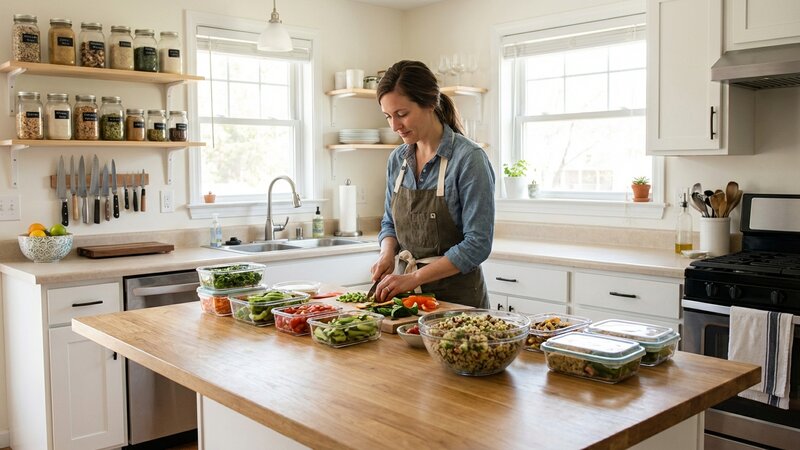
Block 2-3 hours on Sunday afternoon. This is your weekly investment that pays dividends all week.
Step 1: Plan (15 minutes)
Before you cook anything, figure out what you’re making.
- What are your macro targets? Macro Calculator
- How many meals/days are you prepping? (Most people do 4-5 days)
- What proteins, carbs, and vegetables will you use?
- Do you have everything you need?
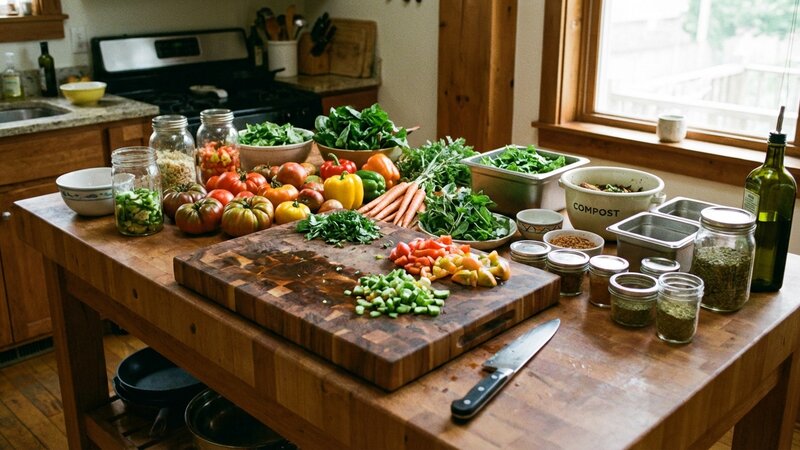
Step 2: Prep Ingredients (20 minutes)
Wash, cut, and organize everything before cooking:
- Cut vegetables
- Portion proteins
- Measure grains
- Set out all seasonings
This assembly-line approach is way faster than cooking one thing at a time.
Step 3: Cook (90 minutes)
Use your oven, stovetop, and any other tools simultaneously:
- Oven (sheet pans): Chicken breasts, roasted vegetables, sweet potatoes—all at once on separate sheet pans at 400°F
- Stovetop: Rice cooker or pot for grains, another pan for ground meat or eggs
- Instant Pot (optional): Great for bulk proteins or grains
Everything cooks in parallel. When the oven timer goes off, most of your cooking is done.
Step 4: Portion and Store (30 minutes)
This is where the magic happens.
Weigh each component as you portion it into containers. Log it in your tracking app as you go.
Example:
- Container 1: 6 oz chicken breast (42P/0C/6F), 1 cup rice (4P/45C/0F), 1 cup broccoli (3P/6C/0F)
- Log this as a saved meal: “Chicken Rice Broccoli” — 49P/51C/6F
Now every time you grab that container, you just log the saved meal. No measuring during the week.
Step 5: Store Properly
- Refrigerator: Meals for the next 4-5 days
- Freezer: Anything beyond that (most prepped meals freeze well)
- Separate wet from dry ingredients when possible
- Keep sauces in separate small containers
Mid-Week: Optional Refresh
Some people prep twice per week—Sunday and Wednesday. This keeps food fresher and lets you adjust based on how the week is going.
If Sunday prep covers Monday-Thursday, Wednesday prep covers Friday-Sunday.
Sample Meal Prep for Different Macro Targets
Here’s what a week of macro meal prep might look like for different goals:
Fat Loss Example (1,800 calories: 150P/160C/60F)
Proteins prepped:
- 3 lbs chicken breast
- 2 lbs 93% lean ground turkey
- 18 eggs
Carbs prepped:
- 6 cups cooked rice
- 4 medium sweet potatoes
- Quick oats for morning
Vegetables prepped:
- 2 lbs broccoli, roasted
- 2 lbs green beans
- 1 lb bell peppers, sliced
Sample day:
- Breakfast: 3 eggs + oatmeal (21P/30C/15F)
- Lunch: Chicken + rice + broccoli (42P/45C/8F)
- Snack: Greek yogurt + berries (15P/20C/3F)
- Dinner: Ground turkey + sweet potato + green beans (45P/40C/12F)
- Evening: Protein shake (25P/5C/2F)
Total: ~148P/140C/40F + room for cooking oils and flexible choices
Muscle Gain Example (2,800 calories: 175P/320C/85F)
Proteins prepped:
- 4 lbs chicken breast
- 2 lbs ground beef (85%)
- 18 eggs
- Protein powder for shakes
Carbs prepped:
- 10 cups cooked rice
- 6 medium potatoes
- Pasta for 4 meals
- Bread for sandwiches
Vegetables prepped:
- 3 lbs mixed vegetables
- Spinach for salads
Sample day:
- Breakfast: 4 eggs + toast + avocado (28P/35C/25F)
- Lunch: Beef + rice + vegetables (45P/50C/18F)
- Snack: Protein shake + banana (30P/30C/2F)
- Pre-workout: Chicken pasta (40P/60C/12F)
- Dinner: Chicken + potatoes + salad (42P/55C/10F)
- Evening: Greek yogurt + nuts (18P/25C/18F)
Total: ~203P/255C/85F (most macros, with room for fats)
Maintenance Example (2,200 calories: 140P/220C/75F)
Split the difference. Moderate portions of everything, more flexibility built in for social meals.
Macro Calculator — Get your exact targets.
Meal Prep Tips for Macro Success
Tip #1: Prep More Protein Than You Think
Protein is the macro people most often fall short on. When in doubt, prep extra chicken. You can always eat more; you can’t eat what you don’t have.
Tip #2: Use a Food Scale During Prep
This is when you weigh everything—not during the week. Buy a $15 food scale and weigh as you portion. Common Macro Tracking Mistakes
Tip #3: Save Meals in Your Tracking App
The first time you make “chicken stir fry,” log all ingredients and save it as a meal. Next time, one tap logs the whole thing.
This is the efficiency unlock. After a few weeks, your common meals are all saved.
Tip #4: Batch Cook Staples
Keep your freezer stocked with:
- Pre-cooked chicken breast
- Cooked ground meat
- Portioned rice
- Frozen vegetables (steam-in-bag for emergencies)
When you run out of fresh prep, frozen backup saves you from ordering pizza.
Tip #5: Embrace Repetition (With Variation)
You don’t need 21 unique meals per week. The most successful preppers eat variations of the same few things:
- Same chicken, different sauces
- Same rice, different seasonings
- Same vegetables, different preparations
Consistency beats variety for results. Make consistency tolerable with small changes.
Tip #6: Keep Snacks Prepped Too
Don’t just prep meals—prep snacks:
- Hard-boiled eggs
- Greek yogurt cups
- Cut vegetables
- Portioned nuts (weighed into bags)
- Protein bars
Having macro-friendly snacks ready prevents grab-and-go disasters.
Tip #7: Prep Breakfast Too
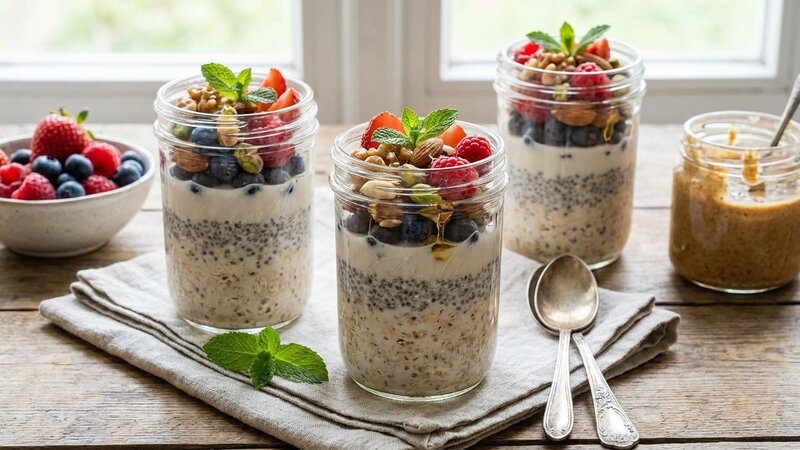
Overnight oats, egg muffins, breakfast burritos—all prep well. Starting the day with a prepped meal sets the tone.
Easy overnight oats recipe:
- 1/2 cup oats
- 1/2 cup milk (or almond milk)
- 1/2 cup Greek yogurt
- 1 tbsp chia seeds
- Berries
Mix in a jar. Refrigerate overnight. Grab and eat. ~25P/45C/8F
Storage and Reheating Guide
How Long Does Meal Prep Last?
| Food | Refrigerator | Freezer |
|---|
Part of the How to Count Macros system.
---| | Cooked chicken | 4-5 days | 3 months | | Cooked ground meat | 3-4 days | 3 months | | Cooked fish | 3 days | 2 months | | Hard-boiled eggs | 7 days | Don’t freeze | | Cooked rice | 5-6 days | 3 months | | Cooked vegetables | 4-5 days | 3 months | | Raw cut vegetables | 5-7 days | Don’t freeze |
Reheating Tips
- Microwave: Add a splash of water to prevent drying out. Cover loosely.
- Oven: 350°F until warmed through. Takes longer but better texture.
- Stovetop: Best for fried rice or stir-fry style reheating.
- Meal separation: Keep wet and dry components separate until ready to eat.
Best Containers for Meal Prep
Invest in quality containers:
- Glass (Pyrex-style): Better for reheating, no plastic concerns, longer lasting
- BPA-free plastic: Lighter, cheaper, less breakable
- Divided containers: Keep components separate until eating
- Same-size containers: Stack efficiently in the fridge
Troubleshooting Common Meal Prep Problems
”My food gets boring”
Change your sauces and seasonings, not your proteins. Same chicken with:
- Sriracha = Asian
- Salsa = Mexican
- Marinara = Italian
- BBQ = American
Also: you probably eat boring food WITHOUT meal prep too. At least this is boring food that hits your macros.
”I don’t have time”
Two to three hours once per week is less time than cooking daily. If you truly can’t do Sunday, prep twice a week for 1-1.5 hours each time.
Also: start small. Just prep protein. That alone is a game-changer.
”My food gets soggy”
Store components separately. Don’t mix wet sauces with carbs until you’re ready to eat. Keep salads undressed.
”I eat out a lot”
Prep anyway. Having food ready means you choose to eat out rather than being forced to. And when you do eat out, having prepped meals for other days gives you buffer.
”I don’t know what to cook”
Keep it stupid simple. Chicken + rice + broccoli. Ground turkey + potatoes + green beans. You don’t need elaborate recipes. You need food that hits your macros.
”My family doesn’t eat the same way”
Prep your components separately. They can build their own plates with more carbs, different sauces, whatever they want. You just portion yours to your macros.
Quick Macro Meal Prep Recipes
Protein: Sheet Pan Chicken Breast (10 servings)
Ingredients:
- 5 lbs chicken breast
- 2 tbsp olive oil
- Salt, pepper, garlic powder, paprika
Instructions:
- Preheat oven to 400°F
- Pound chicken to even thickness
- Toss with oil and seasonings
- Bake 22-25 minutes until 165°F internal
- Let rest 5 minutes, then portion (6 oz each)
Per 6 oz serving: ~42P/0C/6F (225 calories)
Carb: Perfect Batch Rice (10 servings)
Ingredients:
- 3 cups dry rice
- 6 cups water (or broth for flavor)
- 1 tsp salt
Instructions:
- Rinse rice until water runs clear
- Combine rice, water, salt in pot
- Bring to boil, reduce to low, cover
- Cook 18 minutes, rest 5 minutes
- Fluff and portion (1 cup cooked each)
Per 1 cup cooked: ~4P/45C/0F (200 calories)
Vegetable: Roasted Broccoli (8 servings)
Ingredients:
- 3 lbs broccoli florets
- 2 tbsp olive oil
- Salt, pepper, garlic powder
Instructions:
- Preheat oven to 425°F
- Toss broccoli with oil and seasonings
- Spread on sheet pans (don’t crowd)
- Roast 20-25 minutes until edges are crispy
- Portion into containers
Per 1 cup serving: ~3P/6C/4F (55 calories)
Breakfast: Egg Muffins (12 servings)
Ingredients:
- 12 eggs
- 1/2 cup diced vegetables (peppers, onions, spinach)
- 1/2 cup shredded cheese
- Salt and pepper
Instructions:
- Preheat oven to 350°F
- Grease a 12-cup muffin tin
- Whisk eggs with vegetables, cheese, salt, pepper
- Divide evenly into muffin cups
- Bake 20-22 minutes until set
- Store in refrigerator up to 5 days
Per 2 muffins: ~14P/2C/12F (170 calories)
Macro Friendly Meals — More recipe ideas for your prep rotation.
Getting Started: Your First Meal Prep
Don’t overcomplicate this. Start simple:
This week, prep:
- 3 lbs of chicken breast (seasoned with salt, pepper, garlic)
- 4 cups of rice
- 2 lbs of your favorite vegetable
That’s it. Three components. ~2 hours of work.
Portion into containers. Log in your app. Eat for 4-5 days.
Once that feels easy, add more variety. But the foundation is always the same: protein + carb + vegetable, portioned and ready.
Frequently Asked Questions
How long does meal prep take per week?
Most people spend 2-3 hours on meal prep day (typically Sunday) to prepare 4-6 days of meals. This includes shopping, cooking, portioning, and cleanup. If you’re prepping just lunches or dinners (not both), expect 60-90 minutes. Component prep (cooking proteins and carbs separately to mix throughout the week) takes less time than fully assembled meals—you can prep a week’s worth of chicken, rice, and roasted vegetables in under 2 hours.
Efficiency improves with practice. Your first prep might take 3+ hours while you figure out timing and workflow. After a few weeks, you’ll streamline the process significantly. Using tools like sheet pans, slow cookers, and Instant Pots allows you to cook multiple items simultaneously, dramatically reducing active cooking time.
How long does meal-prepped food stay fresh?
Properly stored meal-prepped food lasts 4-5 days in the refrigerator. Cook on Sunday for meals Monday through Thursday or Friday. If you need meals for the entire week (6-7 days), either prep twice (Sunday and Wednesday) or freeze half your portions immediately after cooking. Frozen meal-prep portions last 2-3 months and can be thawed overnight in the refrigerator.
Rice and grains stay fresh 5-6 days. Cooked proteins (chicken, beef, fish) last 4-5 days. Roasted vegetables last 4-5 days, though texture may soften. Raw vegetables with dips should be prepped fresh within 2-3 days. Always label containers with prep dates, store below 40°F, and reheat to 165°F internal temperature before eating.
Do I need special containers for meal prep?
You don’t need expensive containers—basic glass or BPA-free plastic containers with secure lids work fine. Glass containers (like Pyrex) are oven and dishwasher-safe, don’t stain or absorb odors, and last forever. Plastic containers are lighter and more affordable but may wear out after 6-12 months of heavy use. Three-compartment containers help keep foods separated if you prefer that.
Most people need 8-12 containers total to prep 4-5 days of lunches and dinners. Buy a uniform set so lids are interchangeable—mismatched containers with missing lids create unnecessary frustration. Mason jars work great for salads, overnight oats, and chia puddings. For snacks and smaller portions, use small containers or reusable bags. Invest once in quality containers that will last years.
What are the best proteins for meal prep?
Chicken breast is the most popular meal-prep protein—lean, affordable, and versatile. Turkey, lean ground beef, ground turkey, pork tenderloin, and white fish (tilapia, cod) also prep well. Avoid meal-prepping fatty fish like salmon for 5+ days—it develops stronger flavors by day 4-5. Eggs (hard-boiled or egg muffins), tofu, and tempeh are excellent vegetarian options that store well.
Cook proteins to safe internal temperatures (165°F for chicken, 145°F for fish, 160°F for ground meats) and refrigerate within 2 hours of cooking. Season proteins simply during prep, then add different sauces throughout the week for variety—the same grilled chicken tastes different with BBQ sauce Monday, teriyaki Tuesday, buffalo Wednesday. This prevents meal-prep fatigue.
Can I meal prep if I don’t like eating the same thing every day?
Yes—use component prep instead of complete meals. Prepare bulk proteins (3 lbs chicken, 2 lbs ground turkey), bulk carbs (rice, sweet potatoes, quinoa), and bulk vegetables (roasted broccoli, sautéed peppers). Store separately and mix-and-match daily for variety. Monday: chicken + rice + broccoli. Tuesday: turkey + sweet potato + peppers. Same prep work, different combinations.
Another strategy: prep 2-3 different proteins with different seasonings (Italian chicken, taco turkey, teriyaki pork) and rotate through the week. Or prep just lunches to ensure you hit macros midday, while keeping dinners fresh and varied. Many successful macro trackers prep only their hardest meal (usually lunch at work) and handle other meals fresh.
Should I weigh food before or after cooking?
Weigh and log food after cooking for accuracy, since cooking changes water content and therefore weight. Raw chicken weighs more than cooked chicken because it loses water during cooking. If you log 6 oz raw chicken but weigh it cooked, you’ll undercount calories and protein. Most nutrition labels and food databases default to cooked weights unless specified otherwise.
If you must log raw weights, verify the food database entry specifies “raw” or adjust using standard cooking loss percentages: chicken loses ~25% weight when cooked, beef loses ~25-30%, rice gains 200% weight when cooked. Using cooked weights eliminates this confusion. Batch cook proteins, weigh immediately after cooking, and portion accurately—this is when you do all the math once.
How do I prevent meal-prep food from getting boring?
Rotate proteins weekly (chicken one week, turkey next, pork the third), vary cooking methods (grilled, baked, slow-cooked), and change seasonings/sauces regularly. The same chicken tastes completely different with different flavors: Italian herbs Monday, Cajun Tuesday, teriyaki Wednesday, buffalo Thursday. Buy variety packs of seasonings or hot sauces to keep on hand.
Add fresh elements to prepped meals: fresh avocado, cheese, sauces, or extra vegetables at mealtime. Prep components separately rather than fully assembled meals—mixing and matching creates pseudo-variety. Try new recipes monthly, even if you stick with reliable favorites most weeks. Consider “theme days” (Taco Tuesday, Stir-Fry Friday) for built-in variety.
Can I freeze meal-prepped food?
Yes—freezing extends meal-prep food to 2-3 months. Prep double batches and freeze half for future weeks. Proteins, cooked grains, soups, and casseroles freeze excellently. Rice, chicken, ground meats, and cooked vegetables all freeze well when portioned into individual containers. Thaw frozen meals overnight in the refrigerator, then reheat to 165°F.
Some foods don’t freeze well: raw vegetables, cream-based sauces, soft cheeses, and fried foods become soggy or separate. If freezing, slightly undercook vegetables so they don’t turn mushy after reheating. Label all frozen meals with contents and date. This strategy is perfect for people who can’t commit to weekly prep—batch cook once monthly and have grab-and-go meals always available.
Key Takeaways
- Meal prep makes macro tracking dramatically easier
- Prep components, not complete meals — Mix and match for variety
- Sunday is prep day — 2-3 hours sets up your whole week
- Weigh and log during prep — Not during the week
- Save meals in your app — One-tap logging after initial setup
- Start simple — Chicken, rice, vegetables. Get fancy later.
The people who succeed with macros aren’t superhuman. They just have a system. Meal prep is that system.
Ready to calculate your macros? Macro Calculator — Know your targets before you prep.
New to macro tracking? How to Count Macros — Start with the fundamentals.
Want sustainable tracking? Flexible Dieting Guide — Learn the IIFYM approach that makes macros work long-term.
Related Articles
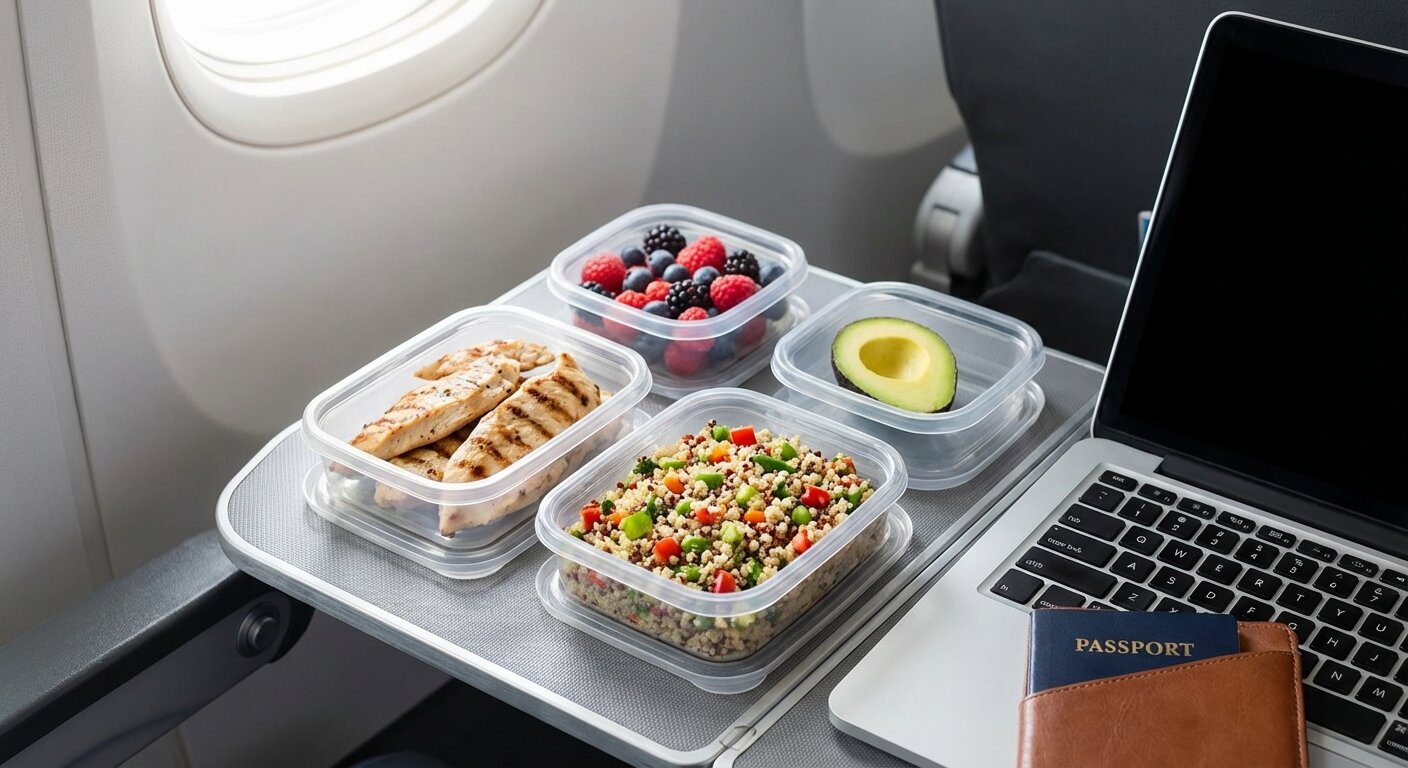
Travel Macros: How to Track Nutrition While Traveling
Complete guide to managing macros while traveling. Learn meal planning strategies,...
Read guide →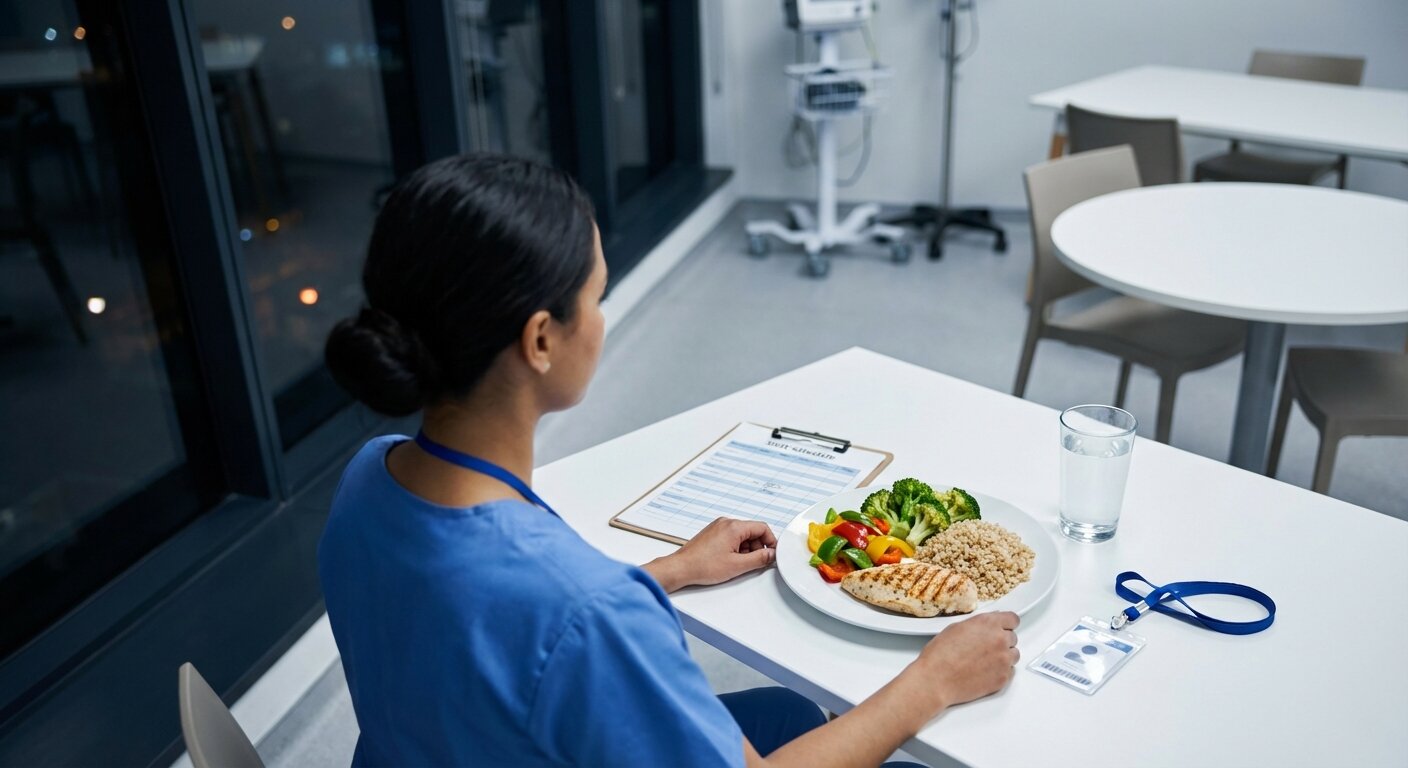
Macros for Shift Workers: Complete Guide to Nutrition on Rotating Schedules
Master macro tracking on night shifts and rotating schedules. Learn meal timing, sleep...
Read guide →
Macros During Ramadan: Complete Nutrition Guide for Fasting
Learn how to track macros during Ramadan fasting. Expert guide covering meal timing,...
Read guide →Disclaimer: This content is for informational purposes only. Consult a healthcare provider before making changes to your diet.