Pre Workout Macros: The Complete Guide to Fueling Your Training
Reviewed by Jessica Williams, CPT, CSCS
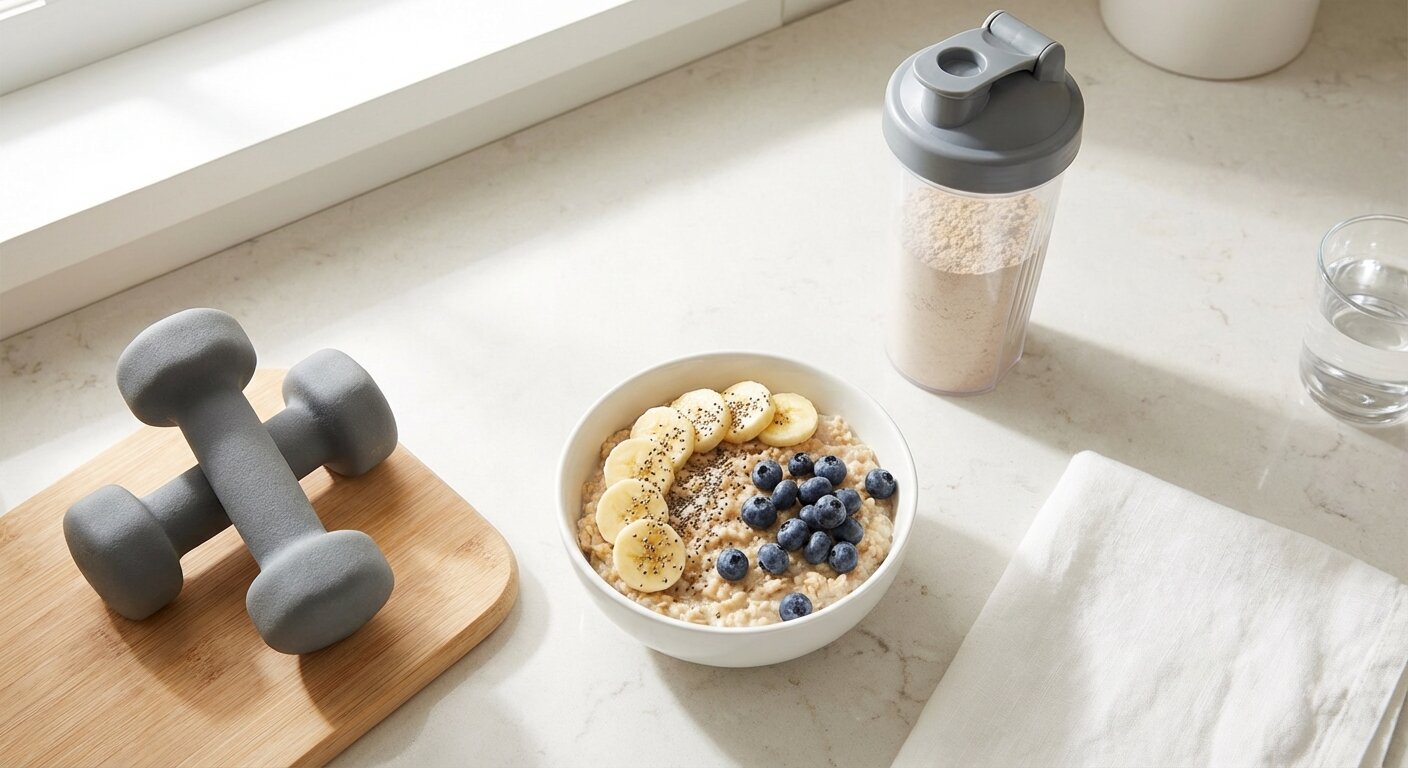
Your pre workout nutrition can make or break your training session. Eat the wrong macros at the wrong time, and you’ll feel sluggish, weak, or nauseous. Get it right, and you’ll power through every set with energy to spare.
This guide cuts through the confusion around pre workout macros. You’ll learn exactly what to eat, how much, and when—backed by research and real-world results. Whether you’re lifting heavy, running long, or crushing a HIIT session, these strategies will optimize your performance.
Ready to transform your workouts? Start by calculating your personalized macro targets with our macro calculator, then follow this proven framework to fuel your training sessions properly.
Related: Optimize your macros for muscle gain with proper nutrient timing.
Why Pre Workout Macros Matter
Pre workout nutrition serves three critical functions: fueling your muscles with readily available energy, preventing muscle protein breakdown during training, and maintaining blood sugar levels for consistent performance. Each macronutrient plays a distinct role in this process.
Carbohydrates top up your muscle glycogen stores—the primary fuel source during intense exercise. Research shows that consuming carbs before training can improve workout capacity by 12-15% compared to training in a fasted state. Your muscles literally have more gas in the tank.
Protein consumed before exercise reduces muscle protein breakdown and primes your body for recovery before you even finish your last rep. While post-workout protein gets all the attention, pre-workout protein sets the foundation for muscle growth and preservation.
Fat plays a supporting role in longer-duration activities but should be limited close to training time. While fat provides sustained energy for endurance events, it slows digestion and can cause gastric distress during high-intensity work.
The timing and composition of these macros determines whether you feel energized or sluggish, whether you push new PRs or struggle through your usual routine.
Optimal Pre Workout Macro Ratios by Goal
Your ideal pre workout macros depend heavily on your training style, goals, and meal timing. A powerlifter needs different fuel than a marathon runner, and a meal 3 hours out looks nothing like a snack 30 minutes before training.
For Strength Training & Bodybuilding
Strength athletes benefit from moderate to high carbs paired with adequate protein. The carbs fuel explosive movements and maintain performance across multiple sets, while protein prevents the catabolic environment created by heavy lifting.
2-3 hours before training:
- Carbs: 0.5-1g per pound of body weight
- Protein: 0.15-0.25g per pound of body weight
- Fat: 0.1-0.15g per pound of body weight
Example for a 180-pound lifter:
- Carbs: 90-180g
- Protein: 27-45g
- Fat: 18-27g
Sample meal: 6 oz grilled chicken breast, 1.5 cups white rice, 1 cup steamed broccoli, 1 tbsp olive oil (provides approximately 60g protein, 90g carbs, 20g fat).
60 minutes before training:
- Carbs: 0.25-0.5g per pound of body weight
- Protein: 0.1-0.15g per pound of body weight
- Fat: Minimal
Example for a 180-pound lifter:
- Carbs: 45-90g
- Protein: 18-27g
- Fat: <5g
Sample snack: Protein shake with 1 scoop whey protein, 1 banana, and 1 cup oat milk (approximately 30g protein, 50g carbs, 3g fat).
If you’re following a bodybuilding-focused plan, check out our complete guide on macros for bodybuilders for training-specific strategies throughout your entire day.
For Endurance Training
Endurance athletes require higher carbohydrate intake to support prolonged glycogen depletion. Long runs, rides, or swims demand more fuel than strength training, and your pre-workout nutrition should reflect this reality.
2-3 hours before endurance training:
- Carbs: 1-1.5g per pound of body weight
- Protein: 0.1-0.2g per pound of body weight
- Fat: 0.05-0.1g per pound of body weight
Example for a 150-pound runner:
- Carbs: 150-225g
- Protein: 15-30g
- Fat: 7.5-15g
Sample meal: 2 cups cooked pasta, 4 oz lean turkey breast, marinara sauce, small side salad with light dressing (approximately 160g carbs, 35g protein, 12g fat).
30-60 minutes before endurance training:
- Carbs: 0.5-0.75g per pound of body weight
- Protein: Minimal or none
- Fat: Minimal
Example for a 150-pound runner:
- Carbs: 75-112g
- Protein: 0-10g
- Fat: <5g
Sample snack: 2 rice cakes with 2 tbsp honey and 1 banana (approximately 80g carbs, 2g protein, 1g fat).
Cyclists have unique fueling demands—learn more in our guide to macros for cyclists which covers both training and race-day nutrition strategies.
For Fat Loss Training
Even when cutting calories, strategic pre workout nutrition preserves muscle mass and workout quality. The key is eating enough to fuel performance without overeating before your training window.
2-3 hours before training:
- Carbs: 0.3-0.5g per pound of body weight
- Protein: 0.2-0.3g per pound of body weight
- Fat: 0.05-0.1g per pound of body weight
Example for a 160-pound person:
- Carbs: 48-80g
- Protein: 32-48g
- Fat: 8-16g
Sample meal: 5 oz chicken breast, 1 cup roasted sweet potato, large mixed green salad with 1 tsp olive oil (approximately 40g protein, 60g carbs, 10g fat).
30-60 minutes before training:
- Carbs: 0.15-0.3g per pound of body weight
- Protein: Optional, 0.1g per pound
- Fat: Minimal
Example for a 160-pound person:
- Carbs: 24-48g
- Protein: 0-16g
- Fat: <3g
Sample snack: Greek yogurt (plain, non-fat) with 1 cup berries and 1 tsp honey (approximately 15g protein, 35g carbs, 0g fat).
For Athletes & Competitors
Athletes training at high intensity or frequency need premium fueling strategies. Whether you’re training for competition or maintaining elite fitness, your pre workout macros should support maximum performance and quick recovery.
2-3 hours before high-intensity training:
- Carbs: 0.75-1.25g per pound of body weight
- Protein: 0.2-0.3g per pound of body weight
- Fat: 0.1-0.15g per pound of body weight
Example for a 170-pound athlete:
- Carbs: 127-212g
- Protein: 34-51g
- Fat: 17-25g
Sample meal: 8 oz salmon, 2 cups jasmine rice, 1 cup roasted vegetables with 1 tbsp avocado oil (approximately 50g protein, 180g carbs, 22g fat).
For comprehensive athletic fueling strategies beyond just pre-workout nutrition, read our full guide on macros for athletes.
Timing Your Pre Workout Macros
When you eat matters almost as much as what you eat. The ideal timing window depends on meal size, macronutrient composition, and your digestive tolerance.
The 3-Hour Window: Full Meals
Eating 2-3 hours before training allows complete digestion and nutrient absorption. This window accommodates all three macronutrients in substantial amounts without causing digestive distress during exercise.
At this timing, you can include:
- Higher fat content (within reason)
- Larger protein servings
- Complex carbohydrates
- Greater total volume
Your meal should feel satisfying but not heavy. If you’re still feeling full when you start warming up, you’ve eaten too much or too close to training time.
The 1-2 Hour Window: Moderate Snacks
This middle ground requires lighter meals with easier-to-digest macronutrients. Reduce fat intake significantly and choose faster-digesting protein and carb sources.
Appropriate foods include:
- White rice instead of brown rice
- Protein powder instead of chicken
- Bananas instead of oatmeal
- Moderate portions overall
Avoid heavy sauces, large amounts of fiber, and fatty foods that will sit in your stomach during training.
The 30-60 Minute Window: Quick Fuel
Close to training time, choose easily digestible carbs with minimal protein and virtually no fat. This isn’t the time for a balanced meal—it’s pure performance fuel.
Best options include:
- Simple sugars (fruit, honey, maple syrup)
- White bread or rice cakes
- Sports drinks or gels
- Very ripe bananas
Keep portions small. A large meal this close to training guarantees discomfort and reduced performance.
Training Fasted: Is It Right for You?
Some people train fasted (typically morning workouts before breakfast) and perform well. Others experience performance drops, dizziness, or difficulty maintaining intensity.
Fasted training may work if:
- Your workout is low-to-moderate intensity
- You’re fat-adapted through consistent practice
- Your session is under 60 minutes
- You ate adequate calories the night before
Fasted training likely won’t work if:
- You’re doing high-intensity interval training
- Your session exceeds 90 minutes
- You’re in a deep calorie deficit
- You experience dizziness or weakness
Experiment during lower-stakes training sessions, not before important workouts or competitions.
Best Pre Workout Foods by Macronutrient
Building the perfect pre workout meal becomes simple when you understand which foods deliver specific macronutrients efficiently.
High-Quality Carb Sources
Fast-digesting carbs (30-90 minutes before training):
- White rice
- White bread or bagels
- Rice cakes
- Bananas (especially ripe ones)
- Honey or maple syrup
- Sports drinks
- Rice-based cereals
- Applesauce
- Dates
Moderate-digesting carbs (1-3 hours before training):
- Oatmeal
- Sweet potatoes
- White potatoes
- Pasta (especially white pasta)
- Jasmine or basmati rice
- Sourdough bread
- Grapes
- Watermelon
- Oranges
What to avoid before training:
- High-fiber cereals or breads
- Beans and legumes
- Cruciferous vegetables in large amounts
- Sugar alcohols
- Artificial sweeteners (for some people)
Protein Sources for Pre Workout
Fast-digesting proteins (30-90 minutes before):
- Whey protein isolate
- Egg whites
- White fish (cod, tilapia)
- Non-fat Greek yogurt
- Low-fat cottage cheese
Moderate-digesting proteins (1-3 hours before):
- Chicken breast
- Turkey breast
- Lean beef (93% lean or higher)
- Egg whites with 1-2 whole eggs
- Salmon
- Tuna
- Tofu
- Tempeh
What to avoid before training:
- Fatty cuts of meat
- Fried proteins
- Large servings of red meat
- Protein sources high in fiber
When to Include Fat
Fat slows digestion and provides sustained energy—beneficial for some situations, problematic for others.
Include moderate fat (2-3+ hours before) for:
- Long endurance sessions
- Low-intensity steady-state cardio
- Earlier meals before evening training
Good fat sources for early pre-workout meals:
- Avocado (small amounts)
- Olive oil (1-2 tsp)
- Nuts and nut butters (small portions)
- Fatty fish (salmon, mackerel)
- Eggs (whole)
Minimize fat (within 2 hours) for:
- High-intensity interval training
- Heavy strength training
- Any activity involving jumping or core work
- Competition or max-effort days
Pre Workout Macro Mistakes to Avoid
Even experienced lifters and athletes make critical pre-workout fueling errors that sabotage their training. Avoid these common mistakes to maximize performance.
Eating Too Much, Too Close to Training
The single most common mistake: a large meal 30-60 minutes before training. No matter how “clean” the food, your body can’t digest substantial amounts while blood flow redirects to working muscles.
Signs you’ve overeaten:
- Nausea or cramping during training
- Burping or reflux during sets
- Feeling heavy or sluggish
- Reduced range of motion
- Digestive urgency mid-workout
If you experience these symptoms regularly, push your meal timing back or reduce portion size significantly.
Choosing High-Fiber Foods Too Close to Training
Fiber is essential for health but disastrous for pre-workout comfort. Large amounts of fiber within 2 hours of training can cause bloating, gas, cramping, and urgent bathroom needs.
Problem foods close to training:
- Beans and lentils
- Broccoli, cauliflower, Brussels sprouts
- High-fiber protein bars
- Whole grain breads with added fiber
- Chia seeds or flax seeds
- Bran cereals
Save these nutritious foods for post-workout meals or times well separated from training.
Going Too Long Without Eating
The opposite problem: training 5-6 hours after your last meal. Even if you’re not hungry, your performance will suffer from depleted glycogen stores and low blood sugar.
If you can’t eat a full meal before training, even a small snack 30 minutes prior makes a measurable difference. A banana or rice cake with honey takes minutes to consume and significantly boosts workout quality.
Experimenting on Important Training Days
Never try new foods, supplements, or timing strategies on competition day or during crucial training sessions. Your pre-workout routine should be tested and refined during regular training when stakes are lower.
Test new strategies during:
- Regular training sessions
- Deload weeks
- Less important workouts
- Off-season training
Lock in your proven routine for:
- Competitions
- Max-effort days
- Important testing sessions
- Peak training phases
Ignoring Individual Tolerance
Generic recommendations provide starting points, but your optimal pre workout macros depend on personal digestive tolerance, training intensity, and metabolic factors.
Some people train best with:
- Minimal food in their system
- Substantial meals 2-3 hours prior
- Small frequent snacks up to training time
- Specific macro ratios that differ from recommendations
Track your nutrition and performance to identify your individual sweet spot. What works for elite athletes or your training partner may not work for you.
Sample Pre Workout Meals & Snacks
Putting theory into practice requires concrete meal examples. Here are proven pre workout options organized by timing and goal.
2-3 Hours Before Training
Option 1: Strength-Focused
- 6 oz grilled chicken breast
- 1.5 cups white rice
- 1 cup cooked carrots
- Small side salad with 1 tsp olive oil
Macros: 52g protein, 95g carbs, 12g fat (708 calories)
Option 2: Endurance-Focused
- 2 cups cooked pasta
- 1/2 cup marinara sauce
- 4 oz lean ground turkey (93% lean)
- 1 slice whole grain bread
Macros: 42g protein, 165g carbs, 15g fat (950 calories)
Option 3: Fat Loss-Focused
- 5 oz baked cod
- 1 medium sweet potato
- 2 cups steamed green beans
- 1/2 cup plain Greek yogurt
Macros: 48g protein, 62g carbs, 8g fat (508 calories)
Option 4: Vegetarian
- 1 cup cooked lentils
- 1 cup quinoa
- 1/2 cup chickpeas
- Mixed vegetables with lemon
Macros: 36g protein, 130g carbs, 12g fat (756 calories)
1-2 Hours Before Training
Option 1: Quick Protein & Carbs
- Protein shake with 1 scoop whey isolate
- 1 cup oat milk
- 1 medium banana
- 1 tsp honey
Macros: 32g protein, 58g carbs, 4g fat (396 calories)
Option 2: Solid Food Option
- 2 slices white toast
- 2 tbsp almond butter
- 1 sliced banana
- Drizzle of honey
Macros: 14g protein, 78g carbs, 18g fat (518 calories)
Option 3: Lighter Option
- 1 cup low-fat cottage cheese
- 1 cup pineapple chunks
- 1 rice cake with honey
Macros: 28g protein, 52g carbs, 3g fat (345 calories)
30-60 Minutes Before Training
Option 1: Minimal
- 1 large banana
- 1 tsp honey
Macros: 2g protein, 35g carbs, 0g fat (148 calories)
Option 2: With Protein
- 1 scoop whey protein
- 1 cup unsweetened almond milk
- 1 date
Macros: 25g protein, 22g carbs, 2g fat (206 calories)
Option 3: Carb-Focused
- 2 rice cakes
- 2 tbsp honey
- Pinch of sea salt
Macros: 2g protein, 48g carbs, 0g fat (200 calories)
Option 4: Sports Fuel
- 16 oz sports drink
- 1 small apple
Macros: 0g protein, 50g carbs, 0g fat (200 calories)
Pre Workout Supplements & Macros
Many people use pre-workout supplements alongside whole foods. Understanding how these fit into your macro strategy prevents overconsumption or gaps in nutrition.
Pre-Workout Formulas
Commercial pre-workout supplements typically contain caffeine, beta-alanine, citrulline, and other performance enhancers—but negligible macronutrients. Most contain fewer than 5-10 calories and under 2g carbs.
These supplements don’t replace food-based macros. They enhance neural drive, blood flow, and endurance, but they don’t fuel your muscles. You still need carbs and protein from real food.
If using a pre-workout formula:
- Take it 20-30 minutes before training
- Consume your macro-based meal 1-3 hours earlier
- Don’t rely on the supplement for energy substrate
Protein Powders
Protein powder provides convenient, fast-digesting protein without preparation time or excess calories. Whey protein isolate digests in 30-60 minutes, making it ideal for pre-workout timing windows.
Using protein powder pre-workout:
- 1 scoop (25-30g protein) within 60-90 minutes of training
- Blend with fast carbs (banana, oat milk, honey) for complete pre-workout fuel
- Choose isolate over concentrate for faster digestion
- Avoid plant proteins with high fiber content close to training
Carbohydrate Supplements
Highly branched cyclic dextrin, maltodextrin, and other carb supplements provide pure glucose without fiber, fat, or protein. These digest extremely fast and can be consumed 15-30 minutes before training.
When carb supplements make sense:
- Very early morning training (no time for meals)
- Back-to-back training sessions
- Competition day when nerves suppress appetite
- Endurance events requiring fueling up to start time
When whole food is better:
- Normal training schedules with time to eat
- Budget-conscious athletes (supplements cost more)
- Preference for real food
- Learning to tolerate food-based fueling
BCAAs and EAAs
Branched-chain amino acids (BCAAs) and essential amino acids (EAAs) fall between protein and supplements. They provide amino acids without the calories of full protein sources.
Current research suggests whole protein sources (food or powder) outperform isolated amino acids for muscle protein synthesis. If you’re consuming adequate protein in your pre-workout meal, additional BCAAs provide minimal benefit.
Skip BCAAs/EAAs if:
- You’re eating protein 1-3 hours before training
- You use protein powder pre-workout
- You’re meeting daily protein targets
Consider BCAAs/EAAs if:
- Training fasted by necessity
- Unable to tolerate food pre-workout
- Very long training sessions (90+ minutes)
Adjusting Pre Workout Macros Over Time
Your ideal pre workout nutrition evolves as your training, body composition, and goals change. Regular assessment ensures your strategy remains effective.
Tracking Performance Indicators
Monitor these metrics to evaluate your current pre workout approach:
Energy and strength:
- Can you maintain intensity through the entire session?
- Are you hitting planned rep ranges and weights?
- Does energy drop significantly mid-workout?
Digestive comfort:
- Any nausea, cramping, or bloating during training?
- Frequent bathroom urgency?
- Feeling too full or too hungry?
Recovery markers:
- Post-workout energy levels
- Muscle soreness patterns
- Sleep quality after evening training
If all indicators are positive, your current strategy is working. If you’re consistently experiencing issues, adjust one variable at a time.
When to Increase Carbs
Add more pre workout carbs if you:
- Consistently feel weak or depleted during training
- Train longer than 90 minutes regularly
- Do multiple daily training sessions
- Increase training volume or intensity
- Struggle to complete programmed work
Start by adding 15-25g carbs to your pre-workout meal and assess performance over 7-10 days.
When to Reduce Carbs
Decrease pre workout carbs if you:
- Experience digestive discomfort with current intake
- Train at low-to-moderate intensity
- Follow a ketogenic diet successfully
- Have shorter training sessions (under 60 minutes)
- Feel overly full during training
Reduce by 15-25g increments and monitor for changes in performance and comfort.
Adjusting for Body Weight Changes
As you gain or lose weight, your absolute macro needs change even if ratios remain constant.
Gained 10 pounds of muscle:
- Increase all pre workout macros proportionally
- Recalculate using 0.5g carbs × new body weight
- Add 5-10g carbs to pre-workout meals
Lost 10 pounds of fat:
- Reduce total intake but maintain macro ratios
- Keep protein relatively high to preserve muscle
- Scale carbs with new body weight calculations
Recalculate your targets monthly during active gaining or cutting phases.
Seasonal and Periodization Changes
Your training volume and intensity fluctuate throughout the year. Your pre workout nutrition should match these cycles.
During high-volume phases:
- Increase pre workout carbs 10-20%
- Maintain protein intake
- Add extra hydration and electrolytes
During deload weeks:
- Reduce carbs slightly
- Maintain protein intake
- Focus on recovery and digestion
During competition prep or peak phases:
- Lock in your proven pre workout routine
- No experimentation
- Slight increases to support maximum performance
How Pre Workout Macros Fit Your Daily Plan
Your pre workout meal doesn’t exist in isolation—it’s one part of your complete daily nutrition strategy. Understanding how it fits into your total macro targets prevents overeating or undereating throughout the day.
Allocating Daily Macros
If your daily target is 180g protein, 350g carbs, and 70g fat, your pre workout meal might contain roughly:
- 25-35g protein (15-20% of daily)
- 60-90g carbs (17-25% of daily)
- 10-15g fat (14-20% of daily)
These percentages vary based on:
- When you train (morning, afternoon, evening)
- How many meals you eat daily
- Your meal timing preferences
- Training duration and intensity
Morning trainers might allocate 30-40% of daily carbs pre-workout, while evening trainers might use only 15-20%.
Pre and Post Workout Balance
Your pre and post workout meals work together as a nutritional unit surrounding training. Combined, they should provide roughly:
- 40-50% of your daily protein
- 40-60% of your daily carbs
- 20-30% of your daily fat
This ensures maximum fuel for training and optimal nutrients for recovery without leaving other meals inadequate.
If your pre workout meal is carb-heavy, your post workout meal can focus more on protein and moderate carbs. If you train early with minimal food, load more macros into your post-workout window.
For a deep dive into optimizing the other half of your training nutrition, read our complete guide on post workout macros.
Training at Different Times of Day
Early morning training (5-7 AM):
- Light pre workout snack (if any)
- 15-30g fast carbs
- Post workout becomes your “breakfast”
- Larger macro allocation post-workout
Midday training (11 AM - 1 PM):
- Moderate breakfast 2-3 hours prior
- Pre workout covers 20-25% daily carbs
- Post workout before returning to work
- Balanced macro distribution
Evening training (5-7 PM):
- Pre workout meal is often your lunch or afternoon snack
- Can accommodate larger pre workout meals
- Post workout becomes dinner
- Be mindful of high-carb dinners affecting sleep
The timing that works best depends on your schedule, digestive tolerance, and personal preference. There’s no universal “best” time to train—only what fits your life.
Frequently Asked Questions
What happens if I eat too much before a workout?
Eating too much or too close to training redirects blood flow to digestion rather than working muscles. You’ll likely experience nausea, cramping, sluggishness, and reduced performance. The food sits heavy in your stomach instead of fueling your muscles. If this happens, reduce meal size by 30-40% or move your eating window earlier by 30-60 minutes. Most people find their sweet spot through trial and error—start conservative and increase gradually.
Can I build muscle if I train fasted?
You can build muscle training fasted, but it’s not optimal for most people. Fasted training creates a more catabolic environment, potentially increasing muscle protein breakdown during the session. However, if your total daily protein and calories support muscle growth and you perform well fasted, you can still make gains. The key is consuming adequate protein and carbs post-workout to maximize recovery. Most research suggests consuming protein before or during training enhances muscle protein synthesis compared to fasted training alone.
Should pre workout macros differ for cardio vs. weights?
Yes, significantly. Strength training relies primarily on stored muscle glycogen and creatine phosphate for short, intense bursts. Moderate pre workout carbs (40-80g for most people) suffice. Cardiovascular exercise, especially sessions exceeding 60 minutes, depletes glycogen continuously. Endurance athletes need substantially more pre workout carbs (60-150g depending on duration) to maintain pace and prevent bonking. Both benefit from pre workout protein, but cardio athletes can consume less (10-20g) while strength athletes should target 20-30g to prevent muscle breakdown during heavy lifting.
How do I know if my pre workout macros are working?
Your pre workout nutrition is dialed in when you experience consistent energy throughout training, no digestive discomfort, ability to complete all planned sets and reps, and quick recovery between sessions. You should feel neither starving nor stuffed during training. Performance metrics matter most—if you’re hitting strength targets, maintaining endurance pace, and progressing toward goals, your current approach is working. If you’re consistently bonking mid-session, feeling nauseous, or underperforming expectations, adjust your macros or timing. Keep a training log noting pre workout meals and workout quality to identify patterns over 2-3 weeks.
What’s the best pre workout meal for fat loss?
The best pre workout meal for fat loss balances performance with calorie control. Aim for 20-40g carbs to fuel training without excess, 25-35g protein to preserve muscle mass, and minimal fat (under 10g) for faster digestion. Sample meal: 5 oz grilled chicken, 1/2 cup white rice, large vegetable serving. Even in a deficit, strategic pre workout carbs significantly improve workout quality, which preserves muscle and burns more calories during training. Don’t make the mistake of training fasted solely to “burn more fat”—poor workouts from underfueling compromise long-term fat loss by reducing training volume and muscle retention.
Do I need different pre workout macros on rest days?
On rest days, you don’t need pre workout macros because you’re not working out. However, your overall daily macro needs change slightly. Most people reduce total carbs by 20-30% on rest days while maintaining protein intake to support recovery. This creates a slight calorie deficit without compromising muscle repair. If you train six days per week, your rest day might feature 200-250g carbs instead of your training day’s 300-350g. Protein remains consistent at your target (typically 0.7-1g per pound body weight). Use rest days to emphasize protein and nutrient-dense foods that support recovery rather than pure performance fuel.
Can I use energy drinks instead of food for pre workout fuel?
Energy drinks provide caffeine and sometimes carbs, but they don’t replace complete pre workout nutrition. Most energy drinks contain 25-35g of simple sugars without protein or essential nutrients. Caffeine enhances performance through neural stimulation but doesn’t fuel muscle contractions—carbohydrates stored as glycogen do. Use energy drinks to supplement your pre workout meal, not replace it. Drink your energy beverage 20-30 minutes before training, but consume your macro-based meal 1-3 hours prior. The combination of whole food macros plus caffeine provides superior performance compared to stimulants alone.
How much water should I drink with my pre workout meal?
Hydration status dramatically impacts training performance. Drink 16-24 oz (2-3 cups) of water with your pre workout meal 2-3 hours before training, then another 8-16 oz (1-2 cups) 15-30 minutes before starting. This ensures adequate hydration without the discomfort of sloshing liquid in your stomach during exercise. If training in heat or for extended periods, add electrolytes (sodium, potassium) to your pre workout hydration. Monitor urine color—pale yellow indicates proper hydration, while dark yellow suggests you need more fluids. Dehydration of just 2% body weight can reduce performance by 10-20%, making hydration as important as your macronutrient choices.
Conclusion: Your Pre Workout Nutrition Action Plan
Optimal pre workout macros aren’t complicated, but they require intentional planning and personal refinement. Start with these evidence-based ratios adjusted for your body weight and goals, then fine-tune based on your individual response.
Here’s your action plan:
Step 1: Calculate your baseline pre workout macros using the ratios provided for your training type. A 160-pound strength athlete training in 2 hours would start with 80g carbs, 35g protein, and 15g fat.
Step 2: Choose your meal timing based on schedule and preference. Most people find 2-3 hours before training provides the best balance of fuel and digestion.
Step 3: Build 3-4 go-to pre workout meals using the food examples provided. Having reliable options eliminates decision fatigue and ensures consistency.
Step 4: Track your pre workout nutrition and training performance for 14 days. Note energy levels, digestive comfort, and workout quality to identify patterns.
Step 5: Adjust one variable at a time if needed. Add 15-25g carbs if energy lags, reduce portions if digestion suffers, or shift timing if food sits heavy.
Your pre workout nutrition sets the foundation for every training session. Get it right, and you’ll consistently push harder, lift heavier, and progress faster toward your goals.
Ready to dial in your complete macro strategy? Use our macro calculator to determine your personalized daily targets, then structure your pre workout meal as one component of your optimized nutrition plan. Your best workouts start with the right fuel at the right time.
Related Articles
Travel Macros: How to Track Nutrition While Traveling
Complete guide to managing macros while traveling. Learn meal planning strategies,...
Read guide →
Macros for Shift Workers: Complete Guide to Nutrition on Rotating Schedules
Master macro tracking on night shifts and rotating schedules. Learn meal timing, sleep...
Read guide →
Macros During Ramadan: Complete Nutrition Guide for Fasting
Learn how to track macros during Ramadan fasting. Expert guide covering meal timing,...
Read guide →Disclaimer: This content is for informational purposes only. Consult a healthcare provider before making changes to your diet.