Travel Macros: How to Track Nutrition While Traveling
Reviewed by Sarah Chen, MS, RD
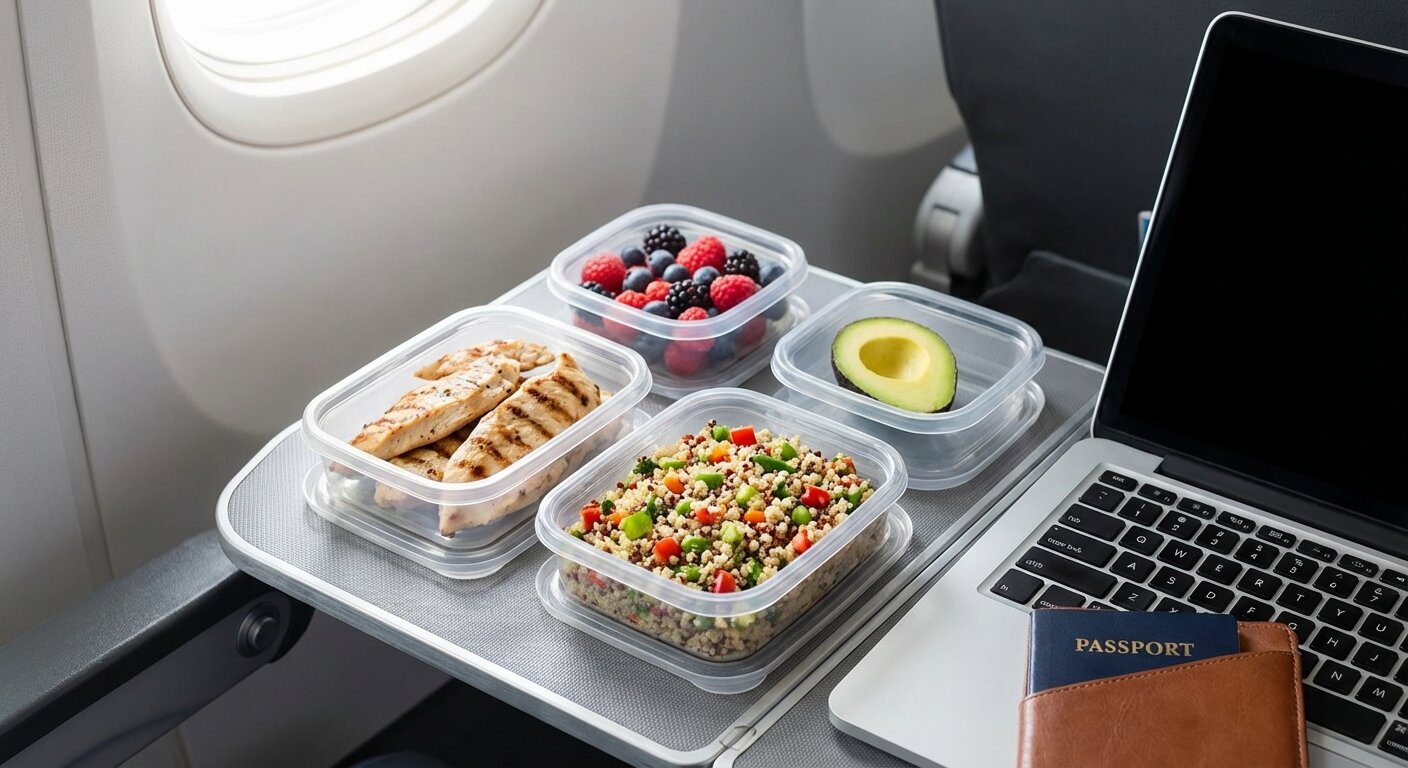
Traveling doesn’t mean throwing your nutrition goals out the window. Whether you’re on a beach vacation, business trip, or backpacking adventure, you can maintain your macros without obsessing over every bite. This guide shows you how to track nutrition realistically while traveling, so you can enjoy your trip and stay on track.
The key is flexible tracking—you don’t need perfect accuracy, just reasonable awareness. Most people find they can maintain or even improve their physique during travel by focusing on protein, staying active, and making decent choices 80% of the time.
Ready to master travel macros? Let’s break down exactly how to handle airports, restaurants, hotels, and everything in between.
Why Travel Makes Macro Tracking Harder
Before solving the problem, let’s understand it.
The Travel Tracking Challenges
No food scale. You’re estimating everything. That grilled chicken could be 4oz or 7oz—you’re guessing.
Unfamiliar foods. Your tracking app has 47 entries for “pad thai,” and none match what’s on your plate. Which do you choose?
Restaurant meals. Even when restaurants provide nutrition info, it’s often inaccurate. Cooks don’t measure butter or oil.
Limited control. At home, you control ingredients. On the road, someone else is cooking, and you’re working with what’s available.
Different schedules. Your normal meal timing is disrupted. You’re eating when you can, not when you planned.
Social pressure. Travel often involves eating with others. Saying “I need to weigh my food” is awkward.
Why Perfect Tracking Doesn’t Matter
Here’s the good news: you don’t need perfect accuracy to see results.
If your goal is fat loss and you’re tracking at home with 95% accuracy, dropping to 80% accuracy on a one-week trip barely matters. You’re not going to gain 5 pounds of fat from a week of slightly imprecise tracking.
If you’re building muscle, high protein intake matters more than exact carb/fat breakdowns. As long as you’re hitting protein targets (even approximately), you’re fine.
If you’re maintaining, travel often increases activity (walking cities, swimming, hiking), which offsets slightly higher calorie intake.
The goal during travel: don’t gain fat, maintain muscle, enjoy the experience. Not: achieve perfect macro adherence while stressing over every meal.
Pre-Trip Planning: Set Yourself Up for Success
The best travel macro strategy starts before you leave home.
Research Your Destination
Google these things before you go:
- Grocery stores near your hotel
- Restaurants with healthy options or nutrition info
- Hotel amenities (mini-fridge? microwave? gym?)
- Typical local cuisine (high-protein options?)
Example: Going to Italy? You know pasta will be everywhere. Plan to eat smaller pasta portions with extra protein (grilled chicken, seafood), or choose protein-forward dishes like grilled fish with vegetables.
Pack Smart: Essential Travel Macro Tools
What to pack in your carry-on:
Protein bars (pack 1-2 per day of travel). Quest Bars, RXBARs, or Built Bars are solid. Each provides 15-20g protein and can replace a meal in a pinch.
Protein powder (optional, in a shaker bottle or individual packets). Useful for supplementing low-protein meals. TSA-approved in carry-on.
Beef jerky or meat sticks (Chomps, Epic Bars, or Jack Link’s). High protein, no refrigeration, portable.
Individual nut packs (almonds, cashews, pistachios). Good fats, filling, shelf-stable. Watch portions—nuts are calorie-dense.
Tuna or salmon packets (if you don’t mind the smell). 15-20g protein, pairs with crackers or salad.
Rice cakes or crackers (for pairing with protein sources or eating as quick carbs).
Electrolyte packets (LMNT, Liquid I.V.). Travel dehydrates you. Staying hydrated helps with appetite control and energy.
Portable food scale (advanced, optional). If you’re on a strict cut or competing, some people pack ultra-light digital scales. Most people don’t need this.
What NOT to pack: Anything liquid over 3.4oz (TSA rules). Leave dressings, nut butters, and yogurt at home unless you’re checking bags.
Set Realistic Macro Goals for Travel
Your home macros ≠ your travel macros.
Adjust expectations:
Maintenance trip (vacation, leisure): Aim for maintenance calories or a 100-200 calorie deficit. Hit protein targets (0.7-1g per pound bodyweight), let carbs and fats flex. Goal is not to gain fat, not necessarily lose it.
Business trip (routine, structured): Try to stick closer to normal macros since you have more control (hotels, known restaurants). Hit 80-90% adherence.
Fat loss trip (aggressive cut): Consider a diet break. One week at maintenance won’t hurt progress and makes travel way more enjoyable. Resume your deficit when you’re home.
Muscle gain trip: Easy mode. High protein + slight calorie surplus is easy to hit while traveling. Enjoy the extra food.
Adjust Your Tracking Approach
Three tracking tiers for travel:
Tier 1 – Full tracking: Log everything as accurately as possible. Use estimates, but track every meal and snack. Best for short trips (1-3 days) or people who find comfort in routine.
Tier 2 – Protein-focused tracking: Track protein intake only. Ignore carbs/fats. As long as you’re hitting 0.7-1g protein per pound bodyweight, you’re good. Way less stressful.
Tier 3 – Mindful eating: No tracking, just awareness. Eat protein at every meal, choose mostly whole foods, stop when satisfied. Works well for experienced trackers on vacation.
Choose your tier before the trip. Don’t stress mid-vacation about which approach to use.
Navigating Airports and Flights
Airports and planes are macro tracking minefields. Here’s how to handle them.
Airport Food Strategies
Best airport macro-friendly options:
Chipotle / Cava / similar fast-casual: Build your own bowl. Double protein (chicken, steak, carnitas), light rice, veggies, salsa. Skip cheese/sour cream or use sparingly.
Salad bars: Load up on greens, grilled chicken, hard-boiled eggs. Use balsamic vinegar or lemon instead of heavy dressings.
Starbucks / Dunkin’: Egg white breakfast sandwiches, protein boxes, Greek yogurt parfaits. Skip the pastries.
Sushi: California rolls, salmon nigiri, sashimi. Relatively macro-friendly if you avoid tempura and heavy sauces.
Grilled chicken sandwiches: Ask for no mayo, add mustard. Remove half the bun if you’re watching carbs.
What to avoid (or limit):
- Pizza (high fat, low protein, huge calorie bomb)
- Burgers with fries (same issue)
- Cinnamon rolls and pastries (pure carbs + fat, no satiety)
- Smoothies (often 500+ calories of sugar)
Packing Meals for Flights
TSA solid food rules: You can bring almost any solid food through security. Sandwiches, fruit, protein bars, jerky, nuts, hard-boiled eggs—all fine.
Make your own flight meal kit:
- Turkey and cheese roll-ups (make at home, wrap in foil)
- Apple or banana (easy carbs)
- Protein bar
- Small bag of nuts or trail mix
- Jerky or meat stick
Total macros: ~50g protein, 40-60g carbs, 20-30g fat. Covers a meal, way better than airplane snacks.
Airplane Meal Macros
Most airline meals aren’t terrible—they’re just mediocre and hard to track.
Typical airplane meal breakdown (economy):
Chicken or beef entrée: 3-4oz protein (20-30g protein), 150-200g rice/pasta (30-40g carbs, 5-10g fat), small vegetable side (negligible).
Breakfast: Eggs + bread + fruit. ~15-20g protein, 40-50g carbs, 15-20g fat.
Snacks: Pretzels, cookies, chips. Pure carbs and fat. Skip unless you need the calories.
Tracking tip: Most airlines publish nutrition info online. Google “[airline name] meal nutrition” before your flight. Log it ahead of time.
If you can’t find info, use generic entries in your app:
- “Grilled chicken breast, 4oz”
- “White rice, cooked, 1 cup”
- “Mixed vegetables, cooked, 1/2 cup”
Close enough.
Hydration and Alcohol
Hydration: Airplane cabins are incredibly dry. Dehydration makes you feel hungry and tired. Drink 8-16oz water per hour of flight.
Alcohol: If you’re drinking, factor it in. Each drink adds 100-200 calories (mostly from alcohol, which your body treats like fat). Beer and cocktails add carbs. Wine is relatively lower-calorie.
Strategy: If you want a drink, budget for it. Skip the airplane snack pack and have a glass of wine instead. Or save alcohol for your destination.
Hotel and Accommodation Strategies
Hotels offer both challenges and opportunities. Use them to your advantage.
Choosing Macro-Friendly Hotels
When booking, prioritize:
Mini-fridge: Store Greek yogurt, deli meat, cheese, fruit, pre-made salads. Makes breakfast and snacks easy.
Microwave: Reheat grocery store meals, make oatmeal, steam vegetables. Expands your food options significantly.
Kitchenette: Full control. You can cook basic meals. Ideal for extended stays.
Gym: Stay active. Helps with appetite control and maintains muscle.
Location: Near grocery stores or healthy restaurants. Walking distance beats Uber-ing for every meal.
Hotel Breakfast Buffets
Buffets are dangerous (unlimited food = overeating) but also full of macro-friendly options.
Build your plate:
Protein foundation: Scrambled eggs, egg whites, Greek yogurt, smoked salmon, turkey sausage (watch fat content).
Carbs: Oatmeal, whole grain toast, fresh fruit, potatoes (skip if greasy). Limit pastries and waffles—they’re calorie bombs with no satiety.
Fats: Nuts, avocado, nut butter (if available). Use sparingly.
Strategy: Fill your plate once. Prioritize protein (30-40g). Add carbs and fats to hit your needs. Don’t go back for seconds unless you’re genuinely hungry.
Tracking tip: Use generic entries. “Hotel breakfast buffet” exists in most apps. Or log components: “scrambled eggs, 3 large” + “oatmeal with fruit” + “coffee with milk.”
Grocery Shopping on the Road
You can make 80% of your trip’s meals from a single grocery store run.
Essential grocery staples for hotel macro tracking:
Proteins:
- Rotisserie chicken (pre-cooked, lasts 3-4 days)
- Greek yogurt (Fage, Chobani—20-25g protein per cup)
- Deli turkey or chicken (low fat, easy sandwiches)
- Hard-boiled eggs (pre-cooked, grab-and-go)
- Canned tuna or salmon (mix with crackers or salad)
- String cheese or cottage cheese (high protein snack)
Carbs:
- Pre-washed salad greens
- Baby carrots, cherry tomatoes, cucumbers (no prep needed)
- Apples, bananas, berries (easy fruit)
- Whole grain bread or wraps
- Microwaveable rice pouches
Fats:
- Almonds, cashews, or mixed nuts
- Avocados
- Peanut butter or almond butter packets
Condiments:
- Mustard, hot sauce, salsa (low-calorie flavor)
One trip, three days of meals. Breakfast: Greek yogurt + fruit. Lunch: Turkey wrap with veggies. Dinner: Rotisserie chicken + microwaveable rice + salad. Snacks: Protein bar, jerky, fruit.
Total cost: $40-50. Total time: 15 minutes of shopping. Macros on point.
Restaurant and Dining Out Strategies
Eating out while traveling is unavoidable. Here’s how to make it work.
General Restaurant Rules for Macros
1. Prioritize protein. Order dishes centered around grilled chicken, fish, steak, or tofu. Aim for a palm-sized portion (4-6oz).
2. Choose simple preparations. Grilled, baked, steamed, or roasted > fried, breaded, or cream-based sauces. Less added fat.
3. Load up on vegetables. Steamed, roasted, or raw veggies are low-calorie and filling. Ask for extra.
4. Control carbs and fats. You’ll get both in restaurant meals—they add flavor. Just be aware. Bread baskets, fries, and creamy sauces add hundreds of calories quickly.
5. Ask for modifications. “Dressing on the side,” “sauce on the side,” “can I sub fries for vegetables?” Most restaurants accommodate.
6. Don’t drink your calories (unless you want to). Water, unsweetened tea, black coffee, or diet drinks save 200-500 calories per meal.
Tracking Restaurant Meals Without Nutrition Info
Method 1: Use chain restaurant proxies
Local Italian restaurant has chicken parmesan? Log “Olive Garden chicken parmesan.”
Taco stand burrito? Log “Chipotle burrito” with similar ingredients.
Chain restaurants have verified nutrition info. Use them as proxies for similar meals.
Method 2: Deconstruct the meal
Break down your plate into components:
- Protein (chicken breast, 6oz): 40g protein, 0g carbs, 5g fat
- Rice (1 cup, cooked): 5g protein, 45g carbs, 1g fat
- Vegetables (sautéed): 2g protein, 10g carbs, 5g fat (from oil)
Add them up. Log separately. Close enough.
Method 3: Add a “restaurant buffer”
Restaurants use more oil, butter, and salt than you do at home. If you estimate a meal at 600 calories, log 750. Accounts for hidden fats.
Best Cuisines for Travel Macros
Macro-friendly cuisines:
Mediterranean: Grilled fish, chicken kebabs, Greek salads, hummus with veggies. High protein, healthy fats, reasonable carbs.
Japanese: Sushi, sashimi, grilled fish, miso soup, edamame. Lean protein, moderate carbs (rice), low fat.
Mexican: Fajitas (skip the tortillas or limit to one), grilled chicken or steak, beans, salsa. Just watch cheese, sour cream, and chips.
American steakhouse: Grilled steak, chicken, or fish + steamed veggies + baked potato (skip butter). Easy to track.
Harder cuisines (but still doable):
Italian: Pasta is high-carb and often comes in huge portions. Order protein dishes (chicken marsala, grilled fish) with a side of pasta instead of a pasta entrée.
Chinese: Often high in sodium and sugar (sauces). Choose steamed dishes with sauce on the side, or stir-fries with extra veggies and less rice.
Indian: Creamy curries are calorie-dense. Choose tandoori (grilled) options, tikka dishes, or lentil-based dishes with naan on the side (not unlimited naan).
Thai: Curries are coconut milk-heavy (high fat). Choose grilled proteins, papaya salad, or stir-fries with less oil.
Social Eating and Flexibility
Travel often means eating with friends, family, or colleagues. Strict tracking can kill the vibe.
Balance strategies:
The 80/20 rule: Track tightly 80% of the time (breakfast, snacks, some lunches), relax 20% (special dinners, local delicacies). You’ll still hit weekly averages.
Protein-first approach: Always eat your protein source first. Then see how hungry you are. Often, you’ll eat less carbs/fats naturally.
One splurge meal per day: If dinner is a big group meal with drinks, keep breakfast and lunch tight. Budget your calories.
Communication: “I’m trying to eat more protein” sounds way better than “I’m counting macros.” Most people respect health goals if you frame them positively.
Estimating Portions Without a Scale
You can’t weigh food on the road. Learn to eyeball it.
The Hand Portion Method
Protein: Palm of your hand (thickness + circumference) = 3-4oz cooked = 25-30g protein.
Carbs: Clenched fist = 1 cup cooked rice/pasta = 40-45g carbs.
Fats: Thumb-sized portion = 1 tablespoon = 10-15g fat (nut butter, oil, butter).
Vegetables: Both hands cupped = 1-2 cups = mostly fiber, negligible calories.
Example meal estimation:
- Grilled chicken (one palm): 30g protein, 5g fat
- Rice (one fist): 45g carbs, 2g protein
- Vegetables (two handfuls): 5g carbs
- Olive oil on veggies (thumb): 10g fat
Total: 32g protein, 50g carbs, 15g fat. Roughly 450 calories.
Visual Comparisons
Protein:
- Deck of cards = 3oz chicken/beef/fish
- Checkbook = 3oz fish fillet
- Your palm = 4oz portion
Carbs:
- Baseball = 1 cup rice/pasta
- Hockey puck = 1/2 cup oatmeal or 1 medium potato
- Your fist = 1 cup
Fats:
- Poker chip = 1 tablespoon nut butter
- Tip of your thumb = 1 teaspoon oil/butter
- Small handful of nuts = 1oz (about 15-20 nuts)
Using Tracking App Portion Guides
Most apps have built-in portion estimators.
In MyFitnessPal: When adding food, you’ll see options like “1 palm-sized portion,” “1 fist,” or “1 cup.”
In Cronometer: Similar—serving sizes include “small,” “medium,” “large” for common foods.
Use these. They’re based on average portion sizes and work well for travel tracking.
Specific Travel Scenarios
Different types of travel require different approaches. Here’s how to handle each.
Road Trips
Advantage: You control the route and stops. You can pack a cooler.
Strategy:
- Pack a cooler with Greek yogurt, deli meat, cheese, fruit, pre-made salads
- Bring a loaf of whole grain bread for sandwiches
- Stop at grocery stores instead of only gas stations
- Pack protein bars, jerky, and nuts for between-meal snacks
- Choose fast-casual restaurants (Chipotle, Panera) over traditional fast food
Tracking: Full tracking is doable. You have time to log meals at rest stops.
Beach/Resort Vacations
Advantage: All-inclusive or resort dining = consistent options. Often have fitness centers.
Challenge: Unlimited food + drinks = easy to overeat. Vacation mindset = “I’m on vacation, I’ll eat whatever.”
Strategy:
- Set a daily calorie range (maintenance or slight surplus)
- Hit protein at every meal (buffet eggs/yogurt for breakfast, grilled fish/chicken for lunch/dinner)
- Enjoy local foods, but in reasonable portions
- Stay active (swimming, walking, beach volleyball)
- Limit alcohol to 1-2 drinks per day if fat loss is the goal, or pre-plan drink calories
Tracking: Tier 2 (protein-focused) or Tier 3 (mindful eating). Don’t stress over exact numbers—just make good choices most of the time.
Business Travel
Advantage: Structured schedule. Often the same destinations/hotels repeatedly.
Challenge: Client dinners, networking events, airport delays, stress eating.
Strategy:
- Establish a routine (same hotel, same breakfast, same gym)
- Pack the same travel snacks every trip (protein bars, jerky)
- Identify 2-3 reliable restaurants near your hotel
- Use downtime (evenings) for meal prep if your hotel has a microwave
- Prioritize sleep—stress + poor sleep = worse food choices
Tracking: Tier 1 or Tier 2. Business travel is routine, so tracking is more feasible.
International Travel
Advantage: Incredible food experiences. Lots of walking = high activity.
Challenge: Completely unfamiliar foods. Language barriers. Different food culture (large meals, multiple courses).
Strategy:
- Focus on protein-rich local dishes (grilled meats, seafood, eggs)
- Try local foods, but in smaller portions (share dishes with travel companions)
- Walk everywhere (most international cities are walkable)
- Use generic food entries in your app (“grilled chicken,” “rice,” “vegetables”)
- Accept imperfect tracking—enjoy the experience
Tracking: Tier 2 or Tier 3. International travel is about the experience. Don’t let tracking ruin it.
Backpacking and Adventure Travel
Advantage: Extremely high activity = huge calorie burn. Easier to stay lean.
Challenge: Limited food options. No refrigeration. Weight/space constraints.
Strategy:
- Pack calorie-dense, non-perishable foods (nuts, jerky, protein bars, trail mix)
- Prioritize protein powder if you have space (lightweight, high protein)
- Eat what’s available—your activity level will compensate for imperfect macros
- Track loosely or not at all—survival and experience > macros
Tracking: Tier 3 (mindful eating) or don’t track at all. Just eat enough to fuel your activity.
Maintaining Activity and Training While Traveling
Macros are half the equation. Activity is the other half.
Hotel Gym Workouts
Most hotel gyms are limited (maybe dumbbells, a treadmill, an elliptical). That’s fine.
Simple hotel gym workout (3x per week):
Day 1 – Upper body:
- Dumbbell bench press: 3x10-12
- Dumbbell rows: 3x10-12
- Dumbbell shoulder press: 3x10-12
- Dumbbell curls: 3x10-12
- Tricep dips (use a bench): 3x10-12
Day 2 – Lower body:
- Dumbbell goblet squats: 3x15
- Dumbbell Romanian deadlifts: 3x12
- Dumbbell lunges: 3x10 per leg
- Calf raises: 3x20
- Plank: 3x60 seconds
Day 3 – Full body circuit:
- 20 minutes of:
- 10 push-ups
- 10 dumbbell squats
- 10 dumbbell rows
- 10 dumbbell overhead press
- Repeat as many rounds as possible
Goal: Maintain muscle, stay active. You’re not trying to set PRs.
Bodyweight Workouts (No Gym)
20-minute hotel room circuit:
- Push-ups: 3x15
- Bodyweight squats: 3x20
- Plank: 3x45 seconds
- Lunges: 3x10 per leg
- Bicycle crunches: 3x20
Do this every other day. It’s enough to maintain muscle and feel good.
Walking and Low-Intensity Activity
Travel often increases your daily steps. Exploring cities, airports, sightseeing = way more walking than your usual desk job.
Use this to your advantage. Walk everywhere. Take stairs. Explore on foot. It burns extra calories and makes room for occasional higher-calorie meals.
Track your steps: Most phones have step counters. Aim for 10,000+ steps per day while traveling. Easy to hit in most destinations.
Common Travel Macro Mistakes
Even experienced trackers mess up on the road. Avoid these.
Mistake 1: Trying to Track Perfectly
The trap: Stressing over exact macros, refusing to eat meals you can’t weigh, feeling guilty about estimation errors.
The fix: Accept 80% accuracy. Estimate conservatively. Focus on protein. Enjoy the trip.
Mindset shift: One week of imperfect tracking won’t ruin months of progress. Perfection isn’t the goal—consistency is.
Mistake 2: Giving Up Completely
The trap: “I can’t track perfectly, so I won’t track at all. Vacation mode activated!” (Proceeds to eat 4,000 calories per day for a week.)
The fix: Flexible tracking. Even loose awareness (protein-focused tracking, mindful eating) prevents major overeating.
Mindset shift: Tracking doesn’t have to be all-or-nothing. Partial tracking > no tracking.
Mistake 3: Not Planning Ahead
The trap: Arriving hungry with no snacks, no plan, no idea where to eat. Defaulting to whatever’s convenient (usually high-calorie, low-protein).
The fix: Pack snacks. Research restaurants before you arrive. Have a game plan.
Mindset shift: Five minutes of planning saves hours of stress and hundreds of unnecessary calories.
Mistake 4: Drinking Too Many Calories
The trap: “It’s vacation!” (Drinks 3 margaritas at dinner = 900 calories of pure alcohol and sugar.)
The fix: Budget for alcohol. Choose lower-calorie drinks (wine, spirits with soda water). Alternate alcoholic drinks with water. Or skip alcohol entirely.
Mindset shift: Alcohol doesn’t make the vacation—the experiences do. Drink if you enjoy it, but don’t overdo it.
Mistake 5: Skipping Meals to “Save Calories”
The trap: Skipping breakfast to save calories for a big dinner. Arriving at dinner ravenous. Overeating by 1,000+ calories.
The fix: Eat regularly. Protein and fiber at every meal keeps you full. You’ll make better decisions at dinner if you’re not starving.
Mindset shift: Skipping meals doesn’t save calories if it leads to bingeing later.
Mistake 6: Zero Activity
The trap: “I’m on vacation, I’m not working out.” (Sits by the pool all day, gains 5 pounds.)
The fix: Stay active. Walk, swim, hike, explore. Even 30 minutes of movement per day makes a difference.
Mindset shift: Activity doesn’t have to be a formal workout. Movement is activity.
Coming Home: Getting Back on Track
Travel is over. Now what?
Don’t Panic About Weight Gain
You probably didn’t gain as much fat as you think.
If you step on the scale after a week of travel and you’re up 5 pounds, relax. Most of that is:
- Water retention (higher sodium from restaurant food)
- Glycogen (more carbs = more stored glycogen = more water)
- Food volume (more food in your digestive system)
Real fat gain requires a 3,500-calorie surplus per pound. Unless you overate by 2,000+ calories every single day, you didn’t gain 5 pounds of fat.
What to do: Resume normal eating and training. Drink plenty of water. Within 3-5 days, your weight will drop back to baseline.
Resume Your Normal Routine Immediately
Don’t extend the “vacation mindset.”
The day you return, go back to your regular macros and training. Don’t wait until Monday. Don’t ease back in. Just resume.
Momentum matters. The longer you delay, the harder it is to restart.
Review What Worked and What Didn’t
After each trip, ask:
- What travel strategies worked well?
- What foods were easy to track?
- Where did I struggle?
- What would I do differently next time?
Build a system. Every trip teaches you something. Over time, travel tracking becomes automatic.
Travel Macro FAQs
Should I take a diet break during vacation?
If you’re on an aggressive cut (500+ calorie deficit), yes. A week at maintenance calories gives your body a break, reduces stress, and makes the vacation more enjoyable. You won’t lose progress.
If you’re on a moderate deficit (250-300 calories), you can maintain the deficit if you want, but don’t stress if you end up at maintenance.
If you’re bulking or maintaining, just continue. Easy to do while traveling.
Can I build muscle while traveling?
Yes, especially if you’re new to training. Hit your protein target (0.7-1g per pound bodyweight), do some form of resistance training (hotel gym, bodyweight workouts), and eat slightly above maintenance.
Experienced lifters might maintain muscle rather than build significantly, but that’s fine for a short trip.
What if I’m traveling for weeks or months?
Extended travel changes the game. You can’t rely on packing snacks for two months.
Strategies:
- Book Airbnbs with kitchens so you can cook
- Learn local grocery stores and high-protein foods in each location
- Establish a routine in each city (same breakfast, same gym)
- Track loosely but consistently—protein-focused tracking works well
- Accept that physique progress will be slower, but you can absolutely maintain
Digital nomads do this successfully. It’s doable with planning.
How do I handle all-inclusive resorts?
All-inclusive resorts are tricky. Unlimited food and drinks = easy to overeat.
Strategy:
- Set a loose daily calorie target (maintenance or slight surplus)
- Load your plate with protein at every meal (grilled fish, chicken, eggs)
- Fill half your plate with vegetables
- Limit alcohol to 1-2 drinks per day if you care about staying lean
- Stay active (swim, walk the beach, use the resort gym)
- Enjoy desserts and treats, but in moderation (share desserts, take a few bites)
Goal: Don’t stress, but don’t go completely overboard. Aim for maintenance, not a 1,000-calorie daily surplus.
Should I track macros on my honeymoon?
Controversial take: Track if it doesn’t stress you out. Don’t track if it does.
For some people, light tracking (protein-focused) is easy and doesn’t interfere with the experience. For others, it’s a buzzkill.
Compromise: Track breakfast and lunch (easier meals), relax at dinner. You’ll stay roughly on track without obsessing.
Better question: What matters more—hitting your macros perfectly for one week, or enjoying a once-in-a-lifetime trip? For most people, it’s the latter.
Can I lose fat while traveling?
Yes, but it’s harder. Fat loss requires a calorie deficit, which is tough to maintain when you’re eating out constantly and estimating portions.
Realistic expectations:
- Short trips (3-5 days): You can maintain a deficit if you’re diligent.
- Week-long trips: Maintenance is a more realistic goal. You might lose a little, but don’t expect significant progress.
- Extended trips (2+ weeks): Fat loss is possible if you establish routines (cooking some meals, regular gym access, consistent tracking).
General advice: If you’re on a serious cut and you have a big trip coming up, either finish the cut before you leave or take a diet break during the trip and resume after.
Frequently Asked Questions
How do I track macros while traveling without a food scale?
Use the hand portion method for estimating: palm-sized portions for protein (roughly 4oz), fist-sized for carbs (about 1 cup), thumb-sized for fats (1 tablespoon). Most tracking apps include portion estimators for common serving sizes. Focus on hitting your protein target first (most important macro), then fill in carbs and fats. Perfect accuracy isn’t necessary—consistency and reasonable estimates will keep you on track. Over a week, small estimation errors balance out.
Should I track macros strictly on vacation?
Most people benefit from flexible tracking on vacation rather than strict adherence. The best approach: hit your protein target (most important for maintaining muscle and satiety), stay roughly within 200-300 calories of your goal, and enjoy local foods without stress. Strict tracking can diminish the vacation experience and create unnecessary stress. Remember, one week of looser tracking won’t derail months of progress. Find a balance that lets you maintain awareness without obsessing.
What are the best high-protein foods to pack for travel?
The most practical high-protein travel foods include protein bars (Quest, RXBAR, Built), beef jerky or meat sticks (Chomps, Epic), individual tuna or salmon packets, protein powder in a shaker bottle, and roasted nuts (though these are more fat than protein). These items require no refrigeration (except if you have a cooler for Greek yogurt), are TSA-approved for carry-on, and provide 15-30g protein per serving. Pack 1-2 servings per day of travel to supplement lower-protein meals.
How do I handle international travel with different foods?
Use generic entries in your tracking app rather than trying to find exact matches for unfamiliar international dishes. Search for main ingredients: “grilled chicken,” “white rice,” “mixed vegetables,” “olive oil.” Focus on identifying the primary protein, carb, and fat sources in each meal. Most international cuisines follow similar patterns—a protein source, a grain or starch, and vegetables. Estimate portions using the hand method, log conservatively, and adjust based on hunger and fullness cues. The goal is reasonable awareness, not perfect accuracy.
Can I maintain my physique goals while traveling?
Yes, especially if your goal is maintenance or muscle building. Hit your protein target consistently (0.7-1g per pound bodyweight), stay reasonably active (walking, hotel gym workouts, swimming), and track flexibly. Fat loss may slow slightly due to increased sodium intake, restaurant meals, and estimation errors, but you won’t lose significant progress. Two weeks of travel with reasonable food choices won’t derail months of consistent work. Many people find their physique stays the same or even improves due to increased activity from sightseeing and walking.
What should I do about airplane meals and macros?
Most airplane meals are trackable with reasonable estimates. Many airlines provide nutrition information online—search “[airline name] meal nutrition” before your flight. If unavailable, estimate using generic entries: airplane chicken portions are typically 3-4oz (25-30g protein), rice or pasta sides are about 150-200g cooked (30-40g carbs), and vegetable sides are negligible. Pack high-protein snacks (protein bars, jerky) to supplement airplane meals, which tend to be lower in protein. Log your estimate before the flight and move on—don’t stress over perfect accuracy at 30,000 feet.
How can I stay on track with macros at hotels?
Choose hotels with mini-fridges or kitchenettes when possible, which allow you to store Greek yogurt, deli meat, cheese, fruit, and pre-made salads. Make one grocery store run when you arrive to stock up on breakfast staples and snacks. Use hotel breakfast buffets strategically (prioritize protein and vegetables over pastries). If your hotel has a microwave, you can reheat meals or make oatmeal. Many hotel restaurants offer healthy options—look for grilled proteins, salads, and steamed vegetables. Staying in hotels with gyms helps maintain your routine and supports your macro goals through consistent activity.
What’s the best strategy for business travel and macros?
Create a repeatable system for business travel since it’s often routine. Pack the same travel snacks every trip (protein bars, jerky, nuts), identify 2-3 reliable restaurants near each hotel you frequent (chain restaurants with nutrition info are ideal), and prioritize protein at every meal. Use downtime for meal prep if your hotel has a microwave—rotisserie chicken from a grocery store can cover multiple meals. Book the same hotels when possible to establish a routine (same breakfast, same gym). Business travel becomes easier with systems you can repeat trip after trip.
Conclusion: Master Travel Macros, Enjoy Your Trips
Travel doesn’t have to derail your nutrition goals. With planning, flexible tracking, and a focus on protein, you can maintain your physique while enjoying new experiences.
The key principles:
-
Plan ahead. Pack protein-rich snacks, research your destination, adjust your macro expectations.
-
Track flexibly. Perfect accuracy isn’t necessary. Estimate portions, focus on protein, and use tracking apps smartly.
-
Make good choices most of the time. Eat protein at every meal, load up on vegetables, control portions. An 80/20 approach works.
-
Stay active. Walk, swim, use hotel gyms. Activity compensates for imperfect nutrition.
-
Don’t stress. One week of travel won’t undo months of work. Enjoy the experience.
Travel is meant to be enjoyed. With the right strategies, you can stay on track with your macros without obsessing over every meal. Now go explore, eat well, and come back stronger.
Ready to calculate your personalized macros? Use our Macro Calculator to set your targets before your next trip, and check out our guide on How to Track Your Macros for more detailed tracking strategies. For eating out at home, see our Eating Out on Macros guide for restaurant strategies you can use anywhere.
Related Articles
Macros for Shift Workers: Complete Guide to Nutrition on Rotating Schedules
Master macro tracking on night shifts and rotating schedules. Learn meal timing, sleep...
Read guide →
Macros During Ramadan: Complete Nutrition Guide for Fasting
Learn how to track macros during Ramadan fasting. Expert guide covering meal timing,...
Read guide →
Macros for Intermittent Fasting: Complete Guide to Optimize Your Eating Window
Master intermittent fasting with the right macro ratios. Learn protein, carb, and fat...
Read guide →Disclaimer: This content is for informational purposes only. Consult a healthcare provider before making changes to your diet.