Macros for 250 lb Woman (Muscle Gain)
Reviewed by Dr. Michael Torres, PhD
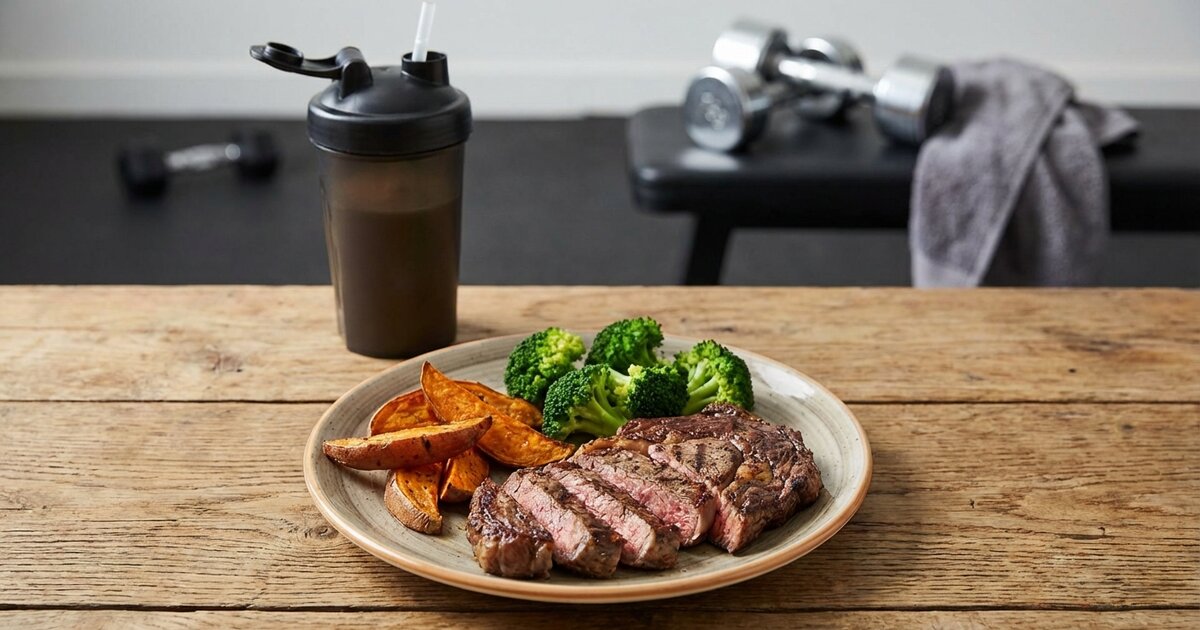
Quick Answer: If you’re a 250 lb woman aiming for muscle gain (moderately active, ~35 years old), your daily macros are approximately 3056 calories, 275g protein, 320g carbs, 75g fat — based on the Mifflin-St Jeor equation and standard sports nutrition ratios. This is a 250-calorie surplus above your TDEE of 2806 — designed for slow, lean muscle gain (~0.5 lb/week) with minimal fat regain.
How These Numbers Were Calculated
The macros above use a standard formula stack that registered dietitians and sports nutritionists use to set baselines:
Step 1 — BMR (Basal Metabolic Rate): Mifflin-St Jeor equation, the most-accurate validated formula for non-athletes:
- For a woman at 250 lb (~113.4 kg), 5’4”, age 35: BMR ≈ 1810 calories/day
Step 2 — TDEE: BMR × activity multiplier (1.55 for moderately active — exercise 3-5 days/week):
- TDEE ≈ 2806 calories/day
Step 3 — Calorie Adjustment for Muscle Gain:
This is a 250-calorie surplus above your TDEE of 2806 — designed for slow, lean muscle gain (~0.5 lb/week) with minimal fat regain.
Step 4 — Macro Split:
- Protein: 1.1g per pound bodyweight = 275g/day — preserves and builds lean mass
- Fat: 0.3g per pound = 75g/day — minimum for hormone health
- Carbs: Remaining calories = 320g/day — fuels training and recovery
Final macros: 3056 cal / 275g P / 320g C / 75g F.
Macros at Nearby Bodyweights
If your weight differs from 250 lb, here’s how the numbers shift:
| Weight | Calories | Protein | Carbs | Fat |
|---|---|---|---|---|
| 230 lb | 2915 | 253g | 321g | 69g |
| 240 lb | 2986 | 264g | 320g | 72g |
| 250 lb | 3056 | 275g | 320g | 75g |
| 260 lb | 3126 | 286g | 320g | 78g |
| 270 lb | 3197 | 297g | 320g | 81g |
(Recalculate every 10-15 lbs of bodyweight change.)
What to Eat to Hit 275g Protein
A practical day for a 250 lb woman:
- Breakfast (~69g protein): 3 eggs + 1/2 cup oats + Greek yogurt with berries
- Lunch (~82g protein): 7.5 oz grilled chicken + sweet potato + large salad
- Dinner (~82g protein): 7.5 oz salmon or lean beef + rice + roasted vegetables
- Snack (~41g protein): Protein shake or cottage cheese with fruit
This is one shape your day can take — the specific foods don’t matter as long as you hit the macros consistently.
Common Mistakes at 250 lb
- Overestimating activity level — Most people set themselves at “very active” but actually average “lightly active.” Be honest.
- Not recalculating after weight changes — Macros at 250 lb won’t work at 260 lb.
- Hitting protein 4 days a week and “winging” 3 — 4/7 = 57% adherence = 57% of the result. Consistency matters.
- Daily weigh-in panic — Use weekly averages, not daily fluctuations.
A Note for Women Over 40
After ~40, declining estrogen accelerates muscle loss and reduces insulin sensitivity. Adjust by bumping protein to 1.1-1.2g per pound and trimming carbs to 100-150g/day. The Mifflin-St Jeor numbers above still apply but the macro ratio shifts. See our dedicated macros for women over 40 guide.
Frequently Asked Questions
Is 3056 calories enough for a 250 lb woman?
For muscle gain, yes. This puts you in a sustainable surplus that protects metabolism and muscle. Going much further would slow results or cause rebound.
How long until I see results?
Visible body composition changes take 4-6 weeks of consistent macro tracking and training. Scale weight changes are visible in 1-2 weeks (with 2-5 lb daily fluctuations from water/sodium — use weekly averages).
Do I need to change macros on workout days vs rest days?
For most people, no — daily macros work fine. Advanced lifters may benefit from calorie cycling but it’s fine-tuning, not a starting point.
What if I’m shorter or taller than 5’4”?
Add ~50 calories for every 2” taller, subtract ~50 for every 2” shorter. For precise numbers, use our Macro Calculator.
Related Resources
- Macros for Muscle Gain — Complete pillar guide
- Macro Calculator — Personalized numbers in 60 seconds
- TDEE Calculator — Calculate your exact energy expenditure
- Protein Calculator — Find your exact protein target
- How to Count Macros — Step-by-step tracking guide
Related Articles
What Should My Macros Be? Find Your Perfect Macro Numbers
Find out exactly what your macros should be based on your weight, goals, and activity...
Read guide →Macros for 100 lb Man (Muscle Gain)
If you're 100 lb and aiming for muscle gain, your daily macros are 2414 calories, 110g...
Read guide →
Macros for 100 lb Man (Maintenance)
If you're 100 lb and aiming for maintenance, your daily macros are 2164 calories, 90g...
Read guide →Disclaimer: This content is for informational purposes only. Consult a healthcare provider before making changes to your diet.